
Artist
Earth and Fire
Den Haag, South Africa · 1968 – 1990
Earth and Fire is a music group from Den Haag, South Africa, active 1968–1990. Their discography on Gatefold includes 20 records.

20
Albums tracked
8
In collections
1968
Since
Biography
Before they ever stepped into a proper recording studio, the Koerts brothers were messing around with a homemade synthesizer that Gerard built himself out of an old electronic organ. That raw, DIY instinct is what saved them from being just another generic beat group in the Dutch suburbs. Once Jerney Kaagman stepped up to the microphone with that ice-cold, operatic delivery, they had the weapon they needed to cut through the heavy British blues-rock dominating the European airwaves. They didn't just stumble into progressive rock. They built it out of sheer necessity and a heavy dose of Mellotron. The early self-titled record and Song of the Marching Children are absolute masterclasses in symphonic tension, but the band was always fighting its own pop instincts. By the late seventies, the complex time signatures were replaced by slick, radio-friendly disco beats. It was a massive commercial pivot that paid the bills but lost the weird, dark magic of their early days, leaving fans divided between the prog purists and the pop charts.
Bio from The Clerk
The Arc of Earth and Fire
The pivots — what forced Earth and Fire to reinvent.
The Symphonic Mellotron Years
Between 1970 and 1973, Earth and Fire abandoned the simple beat-group format and leaned heavily into massive, multi-part suites. The addition of the Mellotron, heavily featured on Song of the Marching Children and Atlantis, defined this era. Chris and Gerard Koerts traded classical motifs with bassist Hans Ziech while Jerney Kaagman's vocals acted as a dramatic, soaring lead instrument. This was their creative peak, characterized by complex arrangements and sci-fi conceptual themes that pushed Dutch rock past the three-minute single format.
The Funk and Future Pivot
By 1975's To the World of the Future, the band started listening to American funk and early jazz-fusion. Bassist Theo Hurts and drummer Ton van der Kleij locked into tighter, syncopated grooves that replaced the sprawling symphonic structures of their early records. You can hear this transition in the clavinet-heavy title track, where spacey synthesizer leads are laid over danceable rhythms. It was a conscious effort to escape the fading European prog scene while keeping their experimental edge intact.
The Pop and Disco Transition
With the release of Reality Fills Fantasy in 1979, the band underwent a radical transformation under producer Gerrit-Jan Leenders. The complex arrangements were completely stripped away to make room for slick, radio-ready production. The single Weekend became an international smash hit, riding a reggae-infused disco groove that was miles away from their classical origins. This era secured their financial survival but permanently alienated the underground crowd who had followed them since the early seventies.
Influences
- The Moody Blues — The Koerts brothers frequently cited Days of Future Passed as the record that made them buy a Mellotron. You can hear this influence in the sweeping orchestral keyboard arrangements on Earth and Fire's 1970 self-titled debut. They took the British band's symphonic pop blueprint and made it considerably heavier.
- Jefferson Airplane — Jerney Kaagman modeled her powerful, non-vibrato vocal style and commanding stage presence directly after Grace Slick. This vocal influence is glaringly obvious on early tracks like Seasons, where Kaagman cuts through the heavy psych-rock instrumentation with the same piercing clarity Slick brought to Woodstock. It was a direct alternative to the era's typical blues-shouter vocalists.
- King Crimson — The heavy, ominous Mellotron work on In the Court of the Crimson King served as the direct inspiration for the dark atmosphere of Song of the Marching Children. Gerard Koerts studied Ian McDonald's tape-replay techniques to create those dense, eerie brass and string backdrops. It shifted the band away from light pop into genuine gothic prog territory.
- The Bee Gees — Before going prog, Earth and Fire's early career was kickstarted by Golden Earring's George Kooymans, who wrote their first hit, but the band spent their formative 1968 rehearsals covering the lush, dramatic harmony pop of early Bee Gees singles. That sharp ear for vocal hooks and dramatic key changes remained the foundation of their songwriting, even when they were writing ten-minute epics. It explains why they could transition back to pop so easily in the late seventies.
- Jethro Tull — During their early tours across Europe, the band shared festival stages with British heavy-prog acts and took direct cues from Ian Anderson's blend of folk melodies and hard-rock riffing. You hear this acoustic-to-electric dynamic tension all over the multi-part suites of 1973's Atlantis. They took the British folk-prog template and replaced the flute with analog synthesizers.
Discography
Their records — most-collected first.

Reality Fills Fantasy
1979

What Difference Does It Make
1976
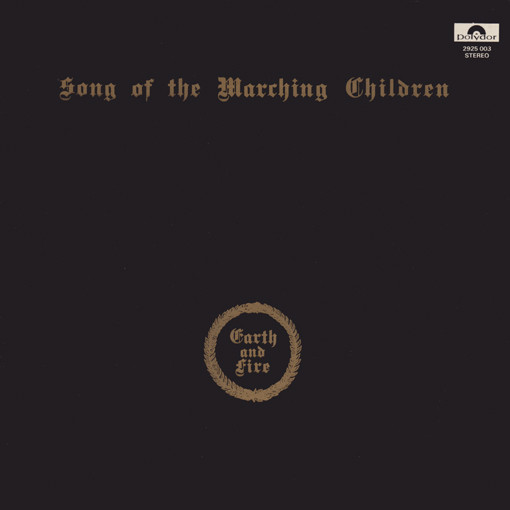
Song Of The Marching Children
1971

Storm And Thunder
1971
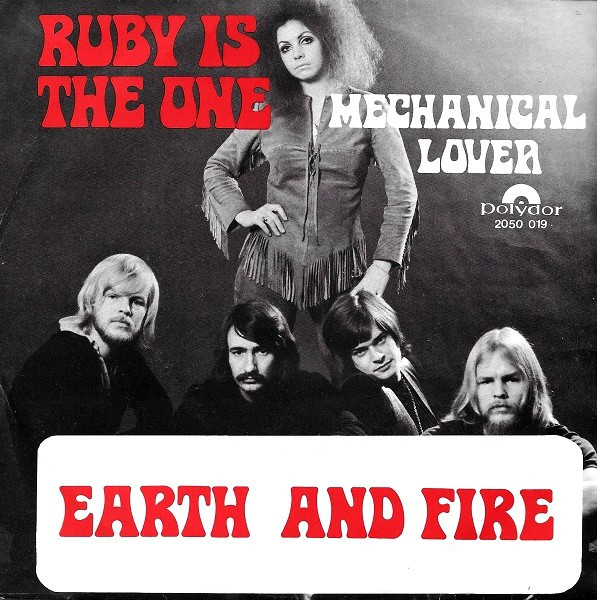
Ruby Is The One
1970
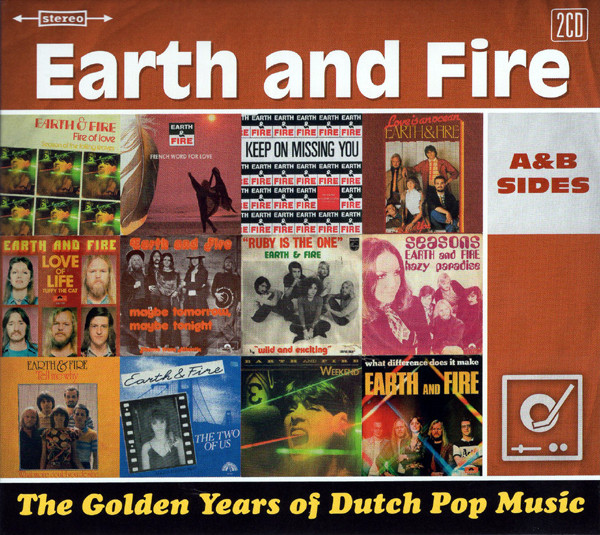
The Golden Years Of Dutch Pop Music (A&B Sides)
2015

Greatest Hits
2004

The Ultimate Collection
2003

3 Originals
1998

Earth & Fire
1995

The Singles
1995

Phoenix
1989

The Very Best Of
1988

Song Of The Marching Children / Atlantis
1987

In A State Of Flux
1982

Andromeda Girl
1981

Gate To Infinity
1977

To The World Of The Future
1975

Atlantis
1973
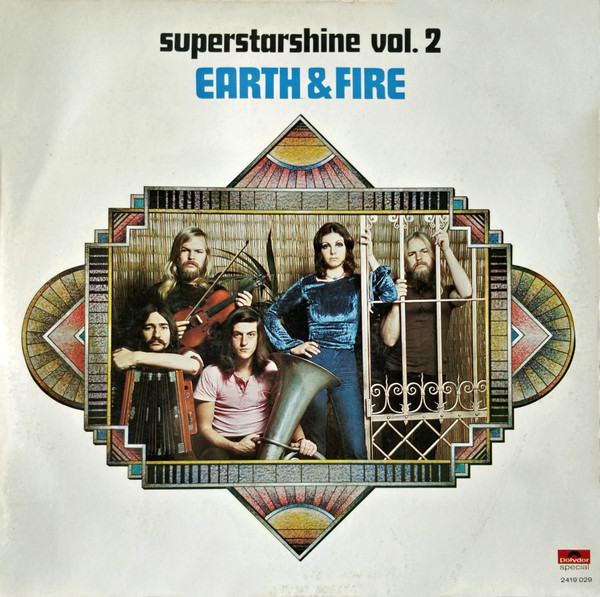
Superstarshine Vol. 2
1972
Related artists
Around the web
Follow every record they touch.
Start your shelf and Gatefold tracks Earth and Fire's new pressings, tour dates, and the whole discography — automatically.
Start your shelf →Free forever. Works with 10 records or 10,000.