
Artist
Lil Wayne
New Orleans, United States • b. 1982
Lil Wayne is a musician from New Orleans, United States, active since 1982. Their discography on Gatefold includes 24 records.

24
Albums tracked
138
In collections
1982
Since
Biography
Did you mean: Lil' Wayne Dwayne Michael Carter, Jr. (born September 27, 1982 in New Orleans, Louisiana), better known by his stage name Lil Wayne, is an American rapper. Formerly a member of the rap group the Hot Boys, he joined the Cash Money Records collective as a teenager. Get It How U Live, released in 1997, was Lil Wayne's first album with Hot Boys, and Tha Block is Hot, his solo debut, came out in 1999. After gaining fame with two other albums in the early 2000s
The Arc of Lil Wayne
The pivots — what forced Lil Wayne to reinvent.
The Mannie Fresh Blueprint
Everything in the early Cash Money days lived and died by Mannie Fresh’s production and Birdman’s business grit. Wayne was the loyal soldier on Tha Block Is Hot, rapping over bouncy, synth-heavy New Orleans bounce-inflected beats that prioritized local slang over global reach. You hear a teenager trying to find his footing while keeping up with the older Hot Boy$, leaning heavily on the high-energy, repetitive hooks that defined the 504 scene in the late nineties.
The Mixtape Sovereignty
The pivot happened when he stopped trying to fit into the Cash Money radio mold and started flooding the streets with the Da Drought and Dedication series. Working primarily with DJ Drama and The Empire, Wayne adopted a stream-of-consciousness style that abandoned traditional song structures for pure lyrical endurance. This era peaked with Tha Carter II and III, where he successfully merged that raw mixtape energy with high-budget studio sheen, effectively forcing the industry to play by his rules.
The Auto-Tuned Rock Experiment
After conquered the charts, Wayne got bored and picked up a guitar for Rebirth, a move that baffled the purists and the suits alike. He leaned into heavy Auto-Tune and pop-punk aesthetics, influenced by a genuine obsession with the rock world rather than a cynical marketing play. The records from this period, including I Am Not a Human Being, are polarizing and cluttered, reflecting a period of heavy personal turmoil and a desire to transcend the 'rapper' label entirely.
The Free Weezy Redemption
Legal battles with Birdman and a multi-million dollar lawsuit against his own label sidelined Wayne for years, turning him into a martyr for artist rights. When he finally dropped Tha Carter V in 2018, it wasn't the sound of a trend-chaser, but a veteran returning to his soulful, introspective roots. The production moved away from the glossy trap of the moment toward sample-heavy, mid-tempo tracks that allowed him to actually tell his story again.
Influences
- The B.G.'z — They were his literal label mentors and his first group mates in the mid-nineties. You hear B.G.'s laid-back, street-level delivery all over Wayne’s early solo verses before he developed his own frantic cadence. They taught him the Cash Money work ethic: record every day, no exceptions.
- The Notorious B.I.G. — Wayne has cited Biggie as his favorite rapper and famously interpolated 'Mo Money Mo Problems' on several occasions. You hear the influence in how Wayne approaches the 'pocket' of a beat, utilizing internal rhyme schemes that prioritize the rhythmic bounce of the words. It’s that Biggie-esque ability to sound effortless while being technically complex.
- Nirvana — Wayne has repeatedly pointed to Kurt Cobain as a primary influence for his rock-leaning phase and his overall 'don't care' attitude. He’s covered 'Smells Like Teen Spirit' live and you can hear the grunge influence in the distorted, strained vocals on the Rebirth album. It's about the aesthetic of the tortured outsider.
- 8Ball & MJG — This duo defined the Southern trunk-rattling sound that Wayne grew up on in New Orleans. Their influence shows up in his early flow and his choice of heavy, bass-driven production during the Hot Boy$ era. They provided the blueprint for how Southern rappers could be both lyrical and regionally authentic.
- Jay-Z — The 'Best Rapper Alive' claim was a direct challenge to the throne Jay-Z vacated during his short-lived retirement. Wayne adopted Jay's 'no writing' technique in the booth, moving to a purely improvisational recording style. The influence is clear in the cocky, double-entendre heavy punchlines that defined the mid-2000s.
Discography
Their records — most-collected first.
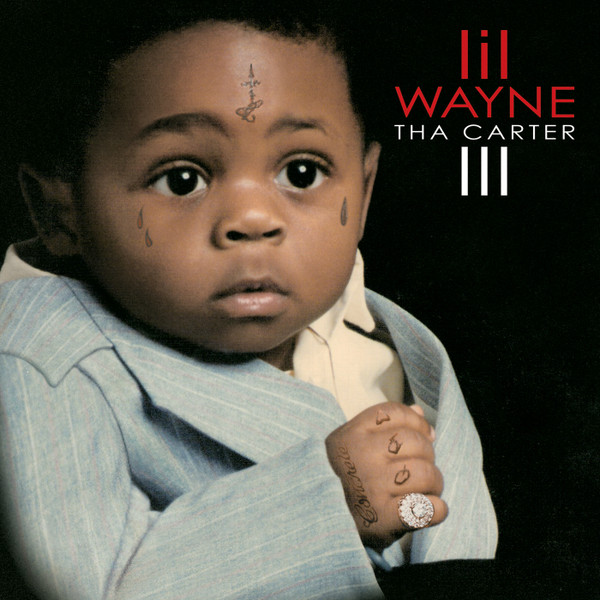
Tha Carter III
2008

Tha Carter II
2005

Tha Carter IV
2011

Tha Carter
2004
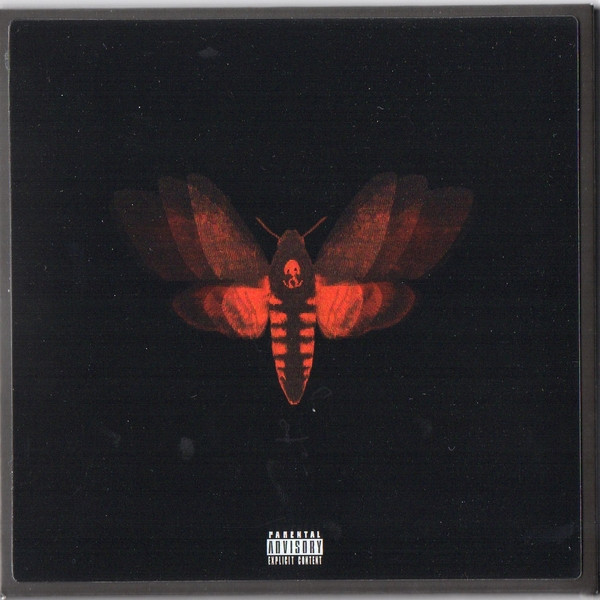
I Am Not A Human Being II
2013

Tha Carter VI
2025
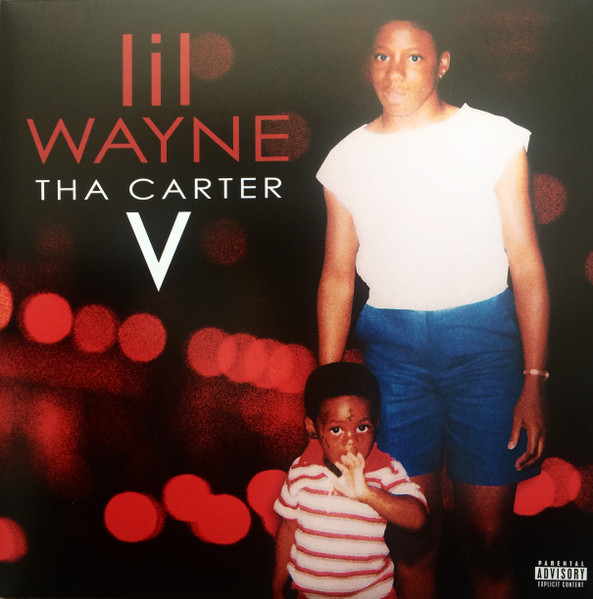
Tha Carter V
2018

I Am Not A Human Being
2010

Rebirth
2010

No Ceilings
2009

Funeral
2020
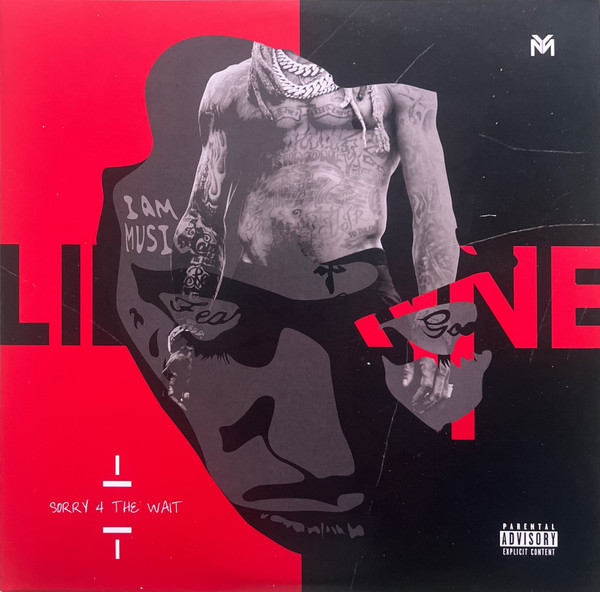
Sorry 4 The Wait
2011

I Am Music
2023
No Ceilings 2
2015

The Leak
2008

Tha Block Is Hot
1999

Tha Fix Before Tha VI
2023

Kant Nobody
2023

Kat Food
2023

Ain't Got Time
2021

Weezy Flow
2020

B.B. King Freestyle
2020
Dedication 6
2017

FWA
2015
Related artists
Bands & projects
Frequent collaborators
Around the web
Follow every record they touch.
Start your shelf and Gatefold tracks Lil Wayne's new pressings, tour dates, and the whole discography — automatically.
Start your shelf →Free forever. Works with 10 records or 10,000.