
Artist
Dope
United States
Dope is a music group from United States. Their discography on Gatefold includes 7 records.
7
Albums tracked
8
In collections
—
Since
Biography
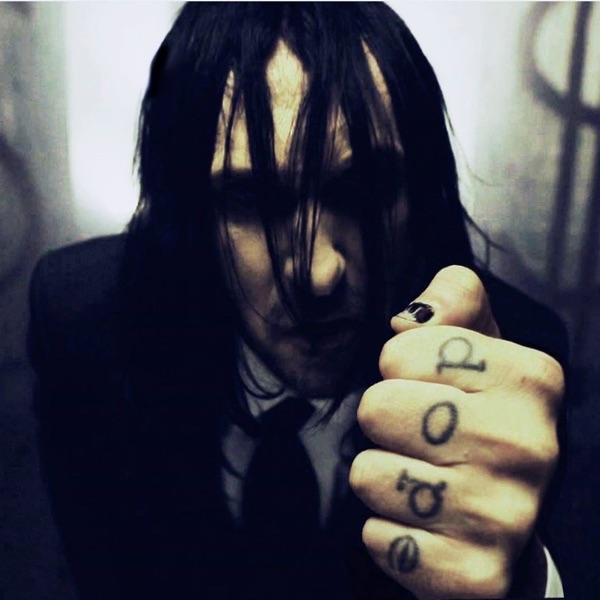
Edsel Dope and his brother Simon sold drugs in New York to fund the gear and the studio time they needed to cut their first demos. They weren't just kids with a gimmick; they were literal hustle-and-grind operators who treated the band like a startup in the middle of a dying industrial metal scene. When they signed to Epic, they didn't go for a high-concept art house producer—they got John Travis, who had just finished working with Kid Rock and Buckcherry, to make Felons and Revolutionaries sound like a street fight in a strip club. By the time they hit the road, they were a revolving door for some of the most proficient scumbag-rock players in the business, pulling guys who would eventually cycle through Static-X and Murderdolls. They got lumped into the Nu-Metal wave because of the timing, but Dope was always filthier and more cynical than the suburban angst of their peers. Edsel was the only guy in that room smart enough to realize that if you combined Mötley Crüe’s sleaze with Ministry’s mechanical hatred, you could sell it to the Ozzfest crowd without losing your mind.
Bio from The Clerk
The Arc of Dope
The pivots — what forced Dope to reinvent.
The New York Hustle
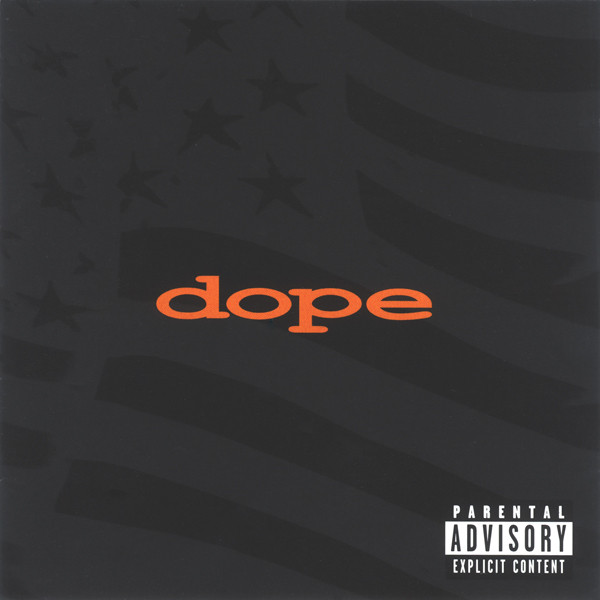
The debut record was a product of the brothers' DIY ethos and a massive major label budget used to polish absolute grime. Bringing in Tripp Eisen and Preston Nash gave the band a technical edge that separated them from the more primitive industrial acts emerging from the underground. You hear that tension on Felons and Revolutionaries, where the aggressive sampling meets a traditional, almost punk-rock urgency. It was a calculated assault that prioritized hooks over the atmospheric dread usually found in the genre.
The Sleaze-Metal Pivot
After the initial hype died down and the label started breathing down their necks for a hit, the band leaned harder into the Sunset Strip influences hidden under their industrial skin. With Acey Slade joining the fold, the sound shifted toward a glammed-up version of heavy rock that was less about the machines and more about the riff. Records like Life and Group Therapy moved away from the sample-heavy chaos of the debut, trading the glitchy textures for a more straightforward, anthemic approach that aimed directly at the radio. This era saw them shed the 'industrial' tag for something closer to a modernized, high-decibel street rock.
The Independent Grind
Leaving the major label system behind allowed Edsel to reclaim total creative control, leading to the self-produced Blood Money era. This shift saw the return of the more aggressive, hardware-driven sound of their early years, but with the perspective of a veteran who had survived the industry meat grinder. The production became colder and more digital again, reflecting a DIY mentality that relied on Edsel’s own engineering skills rather than a big-name studio. It was a full-circle moment where the band stopped chasing the pop-metal charts and returned to the aggressive, sample-laden foundation that started the whole thing.
Influences
- Ministry — Edsel has repeatedly cited Al Jourgensen as the architect of the industrial-metal sound they adopted early on. You hear it in the distorted vocal processing and the mechanical, repetitive percussion on tracks like 'Pig Society.' It’s the sound of a drum machine being pushed into the red.
- Mötley Crüe — The band famously covered 'Live Wire,' but the influence goes deeper than a simple tribute. They lifted the entire sleaze-rock aesthetic and the 'us against the world' street-gang mentality from the Crüe's early years. It’s why Dope always felt more like a hair-metal band that happened to play industrial music.
- Nine Inch Nails — Before the first record dropped, Edsel was open about how the programming on Pretty Hate Machine changed his approach to songwriting. The influence shows up in the way Dope uses synthesizers not just for atmosphere, but as the rhythmic spine of the track. It’s that balance of synth-pop structure and aggressive delivery.
- White Zombie — The groove-heavy, sample-laden stomp of Rob Zombie’s early work is the direct blueprint for the Dope sound. You can hear it in the campy horror aesthetics and the way they drop movie clips and audio snippets into the middle of a heavy breakdown. They took the groove-metal swing and stripped away the psychedelia for something more jagged.
- Guns N' Roses — Edsel often points to Appetite for Destruction as the record that taught him how to write a hook that bites. The raw, unpolished street energy of GNR is the spiritual predecessor to Dope’s more aggressive numbers. It’s the middle-finger attitude that matters more than the actual genre.
Discography
Their records — most-collected first.




Related artists
Around the web
Follow every record they touch.
Start your shelf and Gatefold tracks Dope's new pressings, tour dates, and the whole discography — automatically.
Start your shelf →Free forever. Works with 10 records or 10,000.