
Artist
The Doors
Los Angeles, United States · 1965 – 1973
The Doors is a music group from Los Angeles, United States, active 1965–1973. Their discography on Gatefold includes 24 records.

74
Albums tracked
1,562
In collections
1965
Since
Biography
Ray Manzarek was playing a Vox Continental organ because it was cheap and portable, but the real secret to their sound was the Fender Rhodes Piano Bass sitting on top of it. They didn't have a bassist, so Ray played the bottom end with his left hand while stabbing at the Vox with his right. That technical limitation defined everything. It created this weird, hypnotic stiffness that John Densmore had to dance around with those jazz fills, while Robby Krieger’s fingerstyle guitar—he didn't use a pick because he started on flamenco—filled the holes. By the time they got to the big rooms, the myth of the Lizard King started to choke the actual musicianship. Jim Morrison was showing up to Elektra's studio sessions completely trashed, falling into mic stands and turning into a parody of a blues shouter. They spent way too much money on brass sections and strings to hide the fact that the wheels were coming off, but they eventually had to strip it all back to the blues just to survive their own reputation. When it worked, it was a dark, humid mess that sounded like a fever dream in a concrete bunker.
Bio from The Clerk
The Arc of The Doors
The pivots — what forced The Doors to reinvent.
The Sunset Strip Residency
They were the house band at the Whisky a Go Go, playing two sets a night where they had to stretch three-minute songs into twenty-minute jams just to fill the time. Producer Paul Rothchild saw them there and realized the only way to capture that energy was to treat the studio like a stage, recording the debut album almost entirely live in just six days. You hear it in the tightness of the arrangements; they had played these songs hundreds of times under the threat of being fired by the club owner. It’s the sound of a band that is terrified of losing their gig and playing like their lives depend on it.
The Soft Parade Bloat
After the success of their first few records, the band got cornered by the industry's desire for a pop crossover and Morrison’s increasing lack of focus. They brought in session horn players and orchestral arrangements for the 1969 sessions, a move that John Densmore famously hated because it buried his drumming. The record is a document of a band losing its identity to studio excess and a singer who was more interested in poetry than being a rock star. It’s the most expensive sounding record they ever made, and for a lot of people, it’s where the wheels started to wobble.
The Workshop Blues
L.A. Woman was recorded in their own rehearsal space, dubbed 'The Doors Workshop,' because they were tired of the professional studio grind and Rothchild had walked out on them. They brought in Elvis Presley’s bassist Jerry Scheff to finally give Ray some breathing room on the keys, turning the band into a gritty, five-piece blues outfit. The production is raw and unpolished, recorded on an 8-track machine with Jim singing in the bathroom for the natural reverb. It’s the most honest they ever sounded, stripping away the psychedelic pretension for a heavy, humid crawl through the city's underbelly.
Influences
- Howlin' Wolf — Morrison was obsessed with the Chess Records catalog and directly covered 'Back Door Man' on their debut. You hear it in the way he pushes his voice into a gravelly shout to mimic Wolf’s massive, intimidating presence. It gave their psych-rock an anchor in the dirt.
- John Coltrane — John Densmore was a jazz head who modeled his swing on Coltrane’s drummers, specifically Elvin Jones. The long instrumental break in 'Light My Fire' was an explicit attempt to translate the modal jazz of 'My Favorite Things' into a rock format. It’s why their jams feel like they’re breathing instead of just repeating a riff.
- Kurt Weill — They covered 'Alabama Song (Whisky Bar)' from the Rise and Fall of the City of Mahagonny. The influence shows up in Ray’s carnival-esque organ melodies and the band’s penchant for theatrical, European cabaret structures. It turned their L.A. sunshine into something much more cynical and dark.
- Bo Diddley — The band frequently used the 'Bo Diddley beat' as a foundation for their live improvisations and specifically on the track 'Who Do You Love?'. It provided the rhythmic tension that allowed Morrison to ad-lib his poetry over the top. Without that syncopation, their longer tracks would have just collapsed under their own weight.
- Muddy Waters — The band’s name for their final studio era was an homage to the Chicago blues they cut their teeth on, and they covered 'Rock Me' during the 1970 rehearsals. You can hear Waters' DNA in Krieger's slide guitar work on 'L.A. Woman.' It’s the sound of white kids from film school trying to find a shortcut to the Delta.
Discography
Their records — most-collected first.
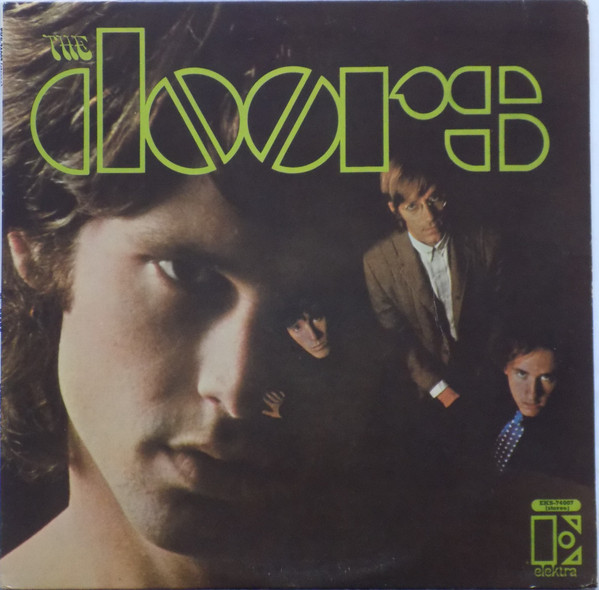
The Doors
1967
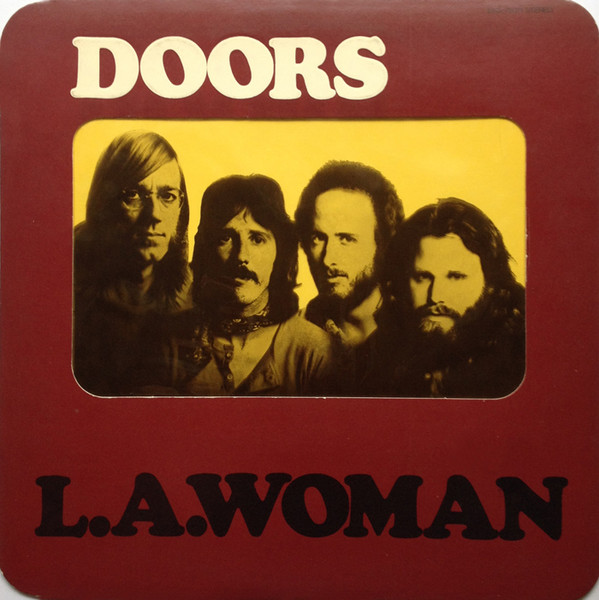
L.A. Woman
1971
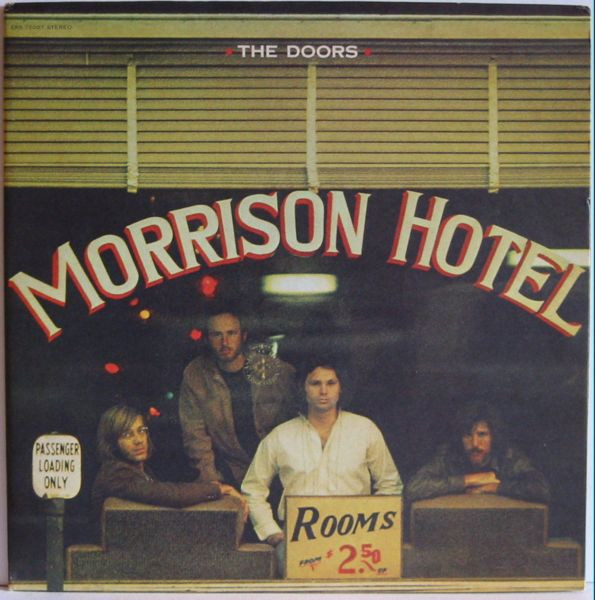
Morrison Hotel
1970
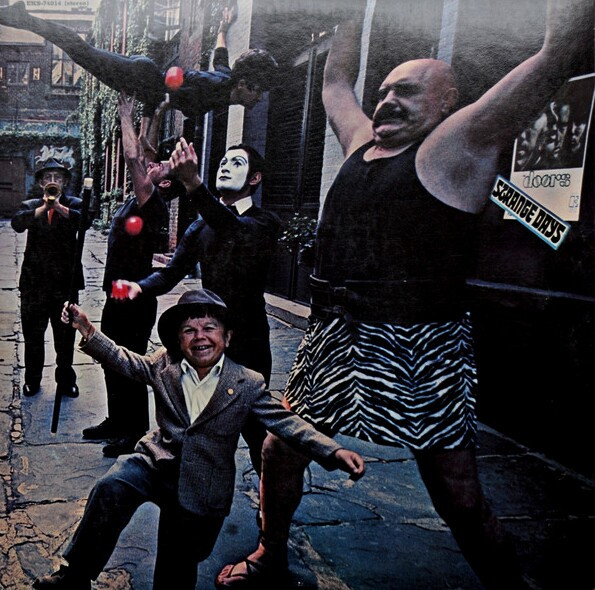
Strange Days
1967
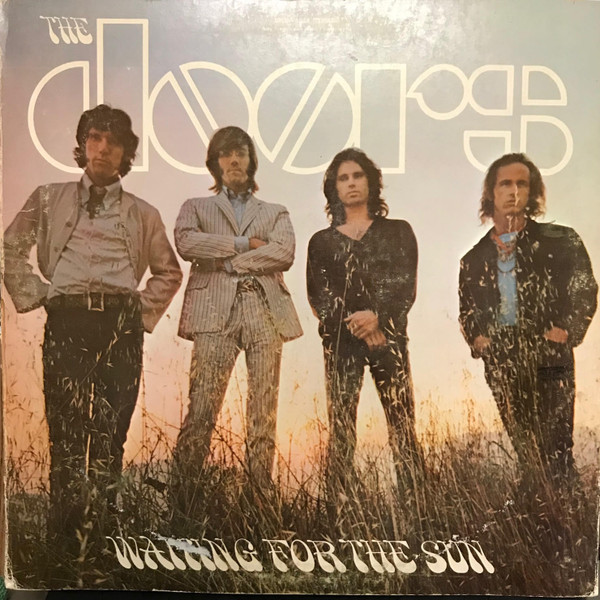
Waiting For The Sun
1968

The Soft Parade
1969
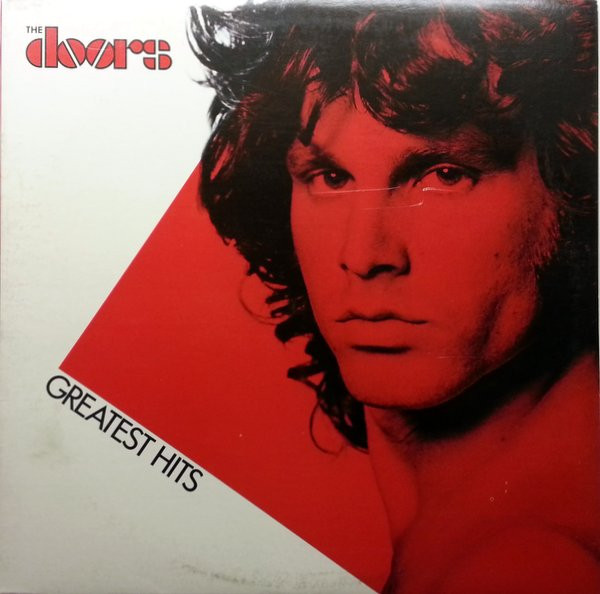
Greatest Hits
1980

The Best Of The Doors
1985
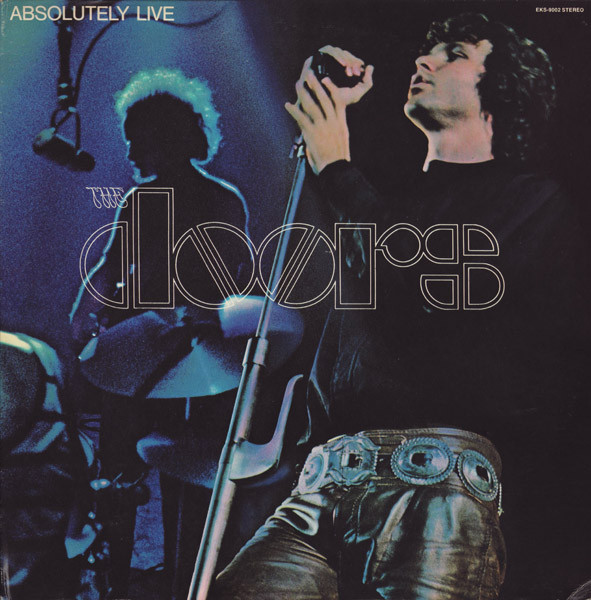
Absolutely Live
1970
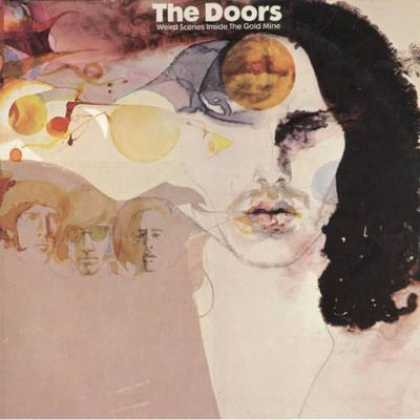
Weird Scenes Inside The Gold Mine
1972
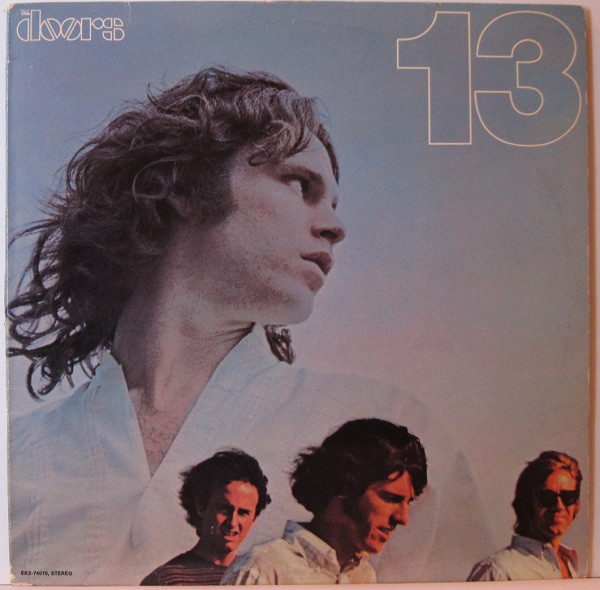
13
1970
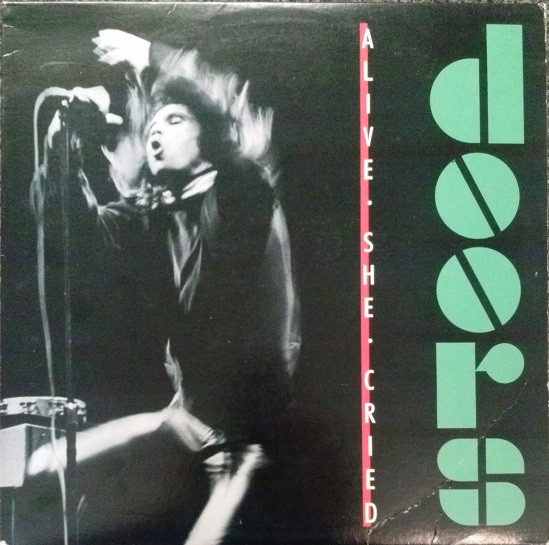
Alive, She Cried
1983
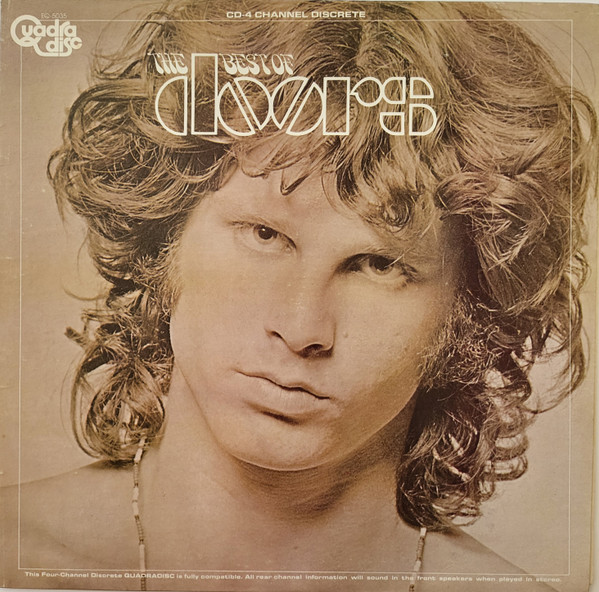
The Best Of The Doors
1973
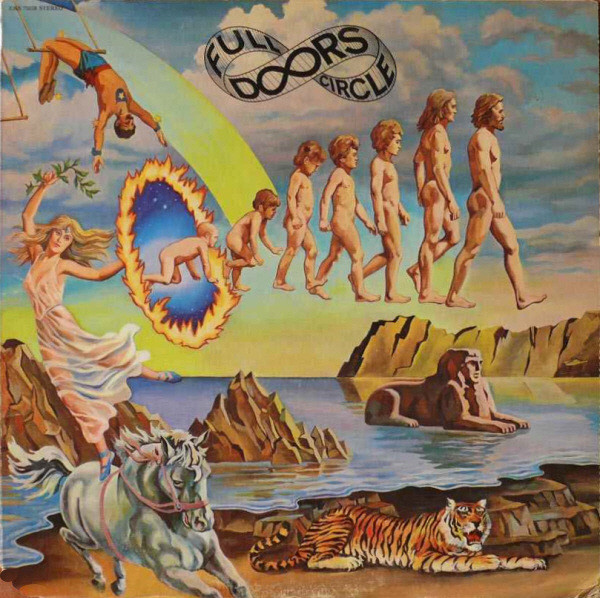
Full Circle
1972
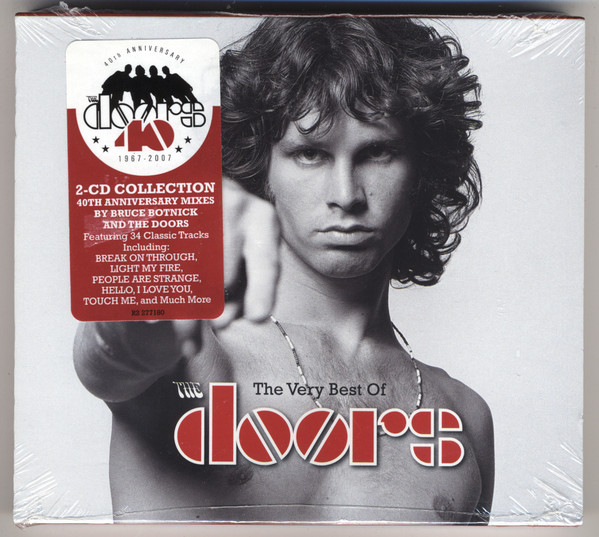
The Very Best Of The Doors
2007
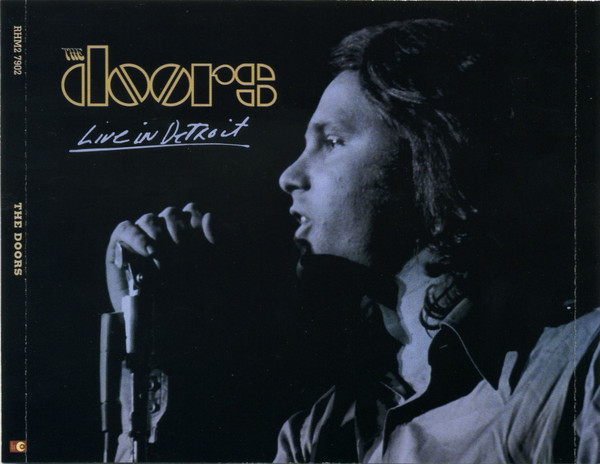
Live In Detroit
2000

In Concert
1991
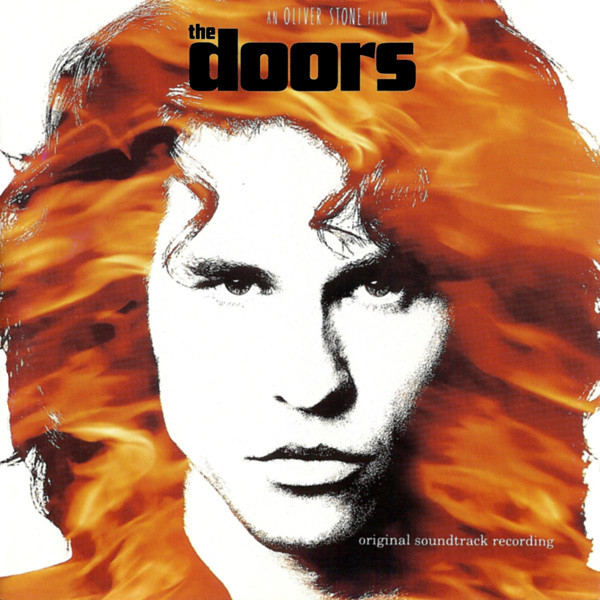
The Doors (Music From The Original Motion Picture)
1991

Strange Days 1967: A Work In Progress
2025
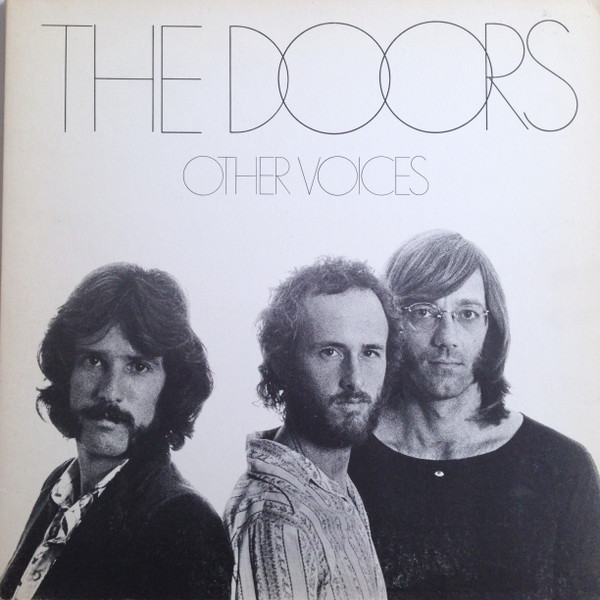
Other Voices
1971

Live At Konserthuset, Stockholm, September 20, 1968
2024
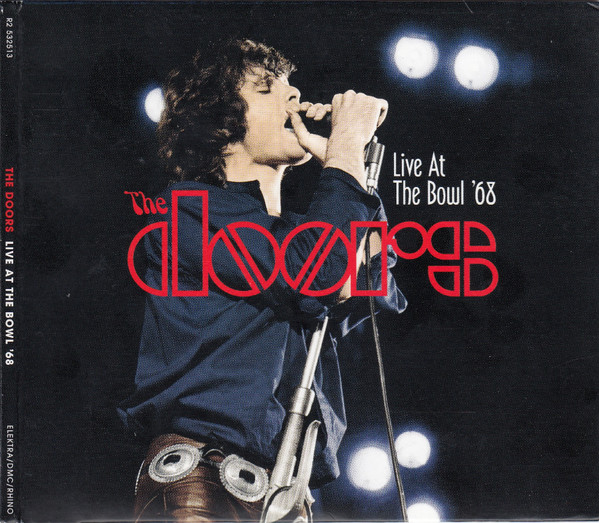
Live At The Bowl '68
2012
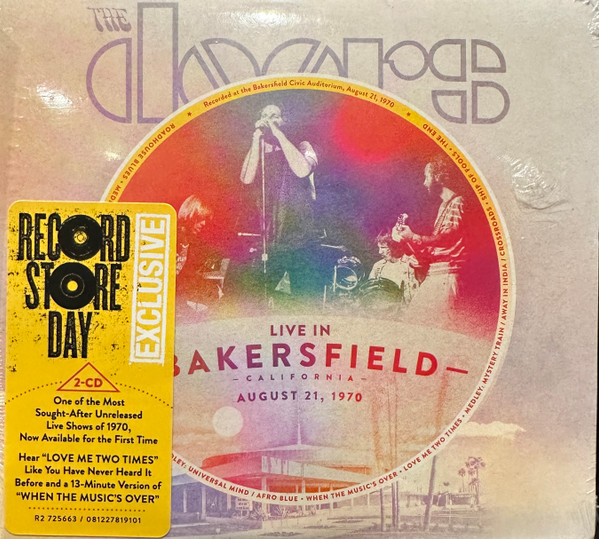
Live In Bakersfield, August 21, 1970
2023

Live At The Isle Of Wight Festival 1970
2018
Related artists
Around the web
Follow every record they touch.
Start your shelf and Gatefold tracks The Doors's new pressings, tour dates, and the whole discography — automatically.
Start your shelf →Free forever. Works with 10 records or 10,000.