
Artist
Doc Severinsen
United States · b. 1927
Doc Severinsen is a musician from United States, active since 1927. Their discography on Gatefold includes 13 records. They also recorded with Doc Severinsen and His Orchestra, Enoch Light and His Orchestra, Henri René & His Orchestra and The Tonight Show Band.

24
Albums tracked
23
In collections
1927
Since
Biography
Severinsen wasn’t just the guy in the loud suits; he was the first-call session heavy for Command Records when the label was obsessed with panning and stereo separation. Before he took over the Tonight Show chair from Skitch Henderson, he was the secret weapon for Enoch Light, cutting tracks that were essentially high-fidelity endurance tests for trumpet players. He had a technical ceiling that didn't exist for most people—triple-tonguing at tempos that would make a bop player sweat, all while maintaining a tone that could cut through a thirty-piece orchestra without a mic. The commercial stuff in the late '60s and early '70s can get a bit polite—too many covers of pop hits that didn't need the brass treatment—but don't let the NBC sheen fool you. When he wasn't playing the foil to Johnny Carson, he was pushing the Tonight Show Band to be the tightest unit in the world. They were recording live-to-tape with zero margin for error, and if you listen to the mid-80s big band revivals on Amherst, you hear a guy who finally stopped trying to be a pop star and remembered he was the most dangerous lead player on the planet.
Bio from The Clerk
The Arc of Doc Severinsen
The pivots — what forced Doc Severinsen to reinvent.
The Command Stereo Laboratory
In the early 1960s, Severinsen was the centerpiece of Enoch Light's Command Records, a label dedicated to the then-new gimmick of extreme stereo separation. He wasn't just playing melodies; he was a precision instrument used to demonstrate the 'ping-pong' effect between left and right speakers. These sessions, like 'The Big Band's Back in Town,' forced a clinical, terrifyingly accurate style of play where every articulation was magnified by the dry, close-mic production of the era.
The Night Journey Funk
By 1976, the big band sound was dying on the charts, so Doc headed to Epic Records to chase the disco and jazz-funk movement with producer Tom Baird. This is where he traded the tuxedo for gold chains and picked up an electric trumpet for records like 'Night Journey.' It’s the weirdest pivot in his catalog, ditching the swing for wah-wah pedals and heavy synth basslines, trying to compete with the slicker CTI Records output of the time.
The Amherst Big Band Peak
After decades of being known as a television personality, the 1986 self-titled 'Tonight Show Band' record on Amherst finally captured the group’s actual fire. They moved into the studio with high-end digital recording tech and blew the doors off a set of standards that had been sharpened by nightly performances. You hear a band that had been playing together for twenty years finally allowed to play with a grit and volume that the NBC broadcast compressors used to kill.
Influences
- Harry James — Doc cited James as the reason he picked up the horn, specifically obsessed with his vibrato and power. You hear it in the way Doc attacks the upper register—it's that same circus-bright, commanding lead tone that James perfected with Benny Goodman. No James, no Doc.
- Louis Armstrong — Severinsen frequently praised Satchmo’s phrasing and even recorded 'Struttin' with Some BBQ' as a direct nod to the blueprint. While Doc was more of a technical speedster, his sense of theatrical timing and 'showman' trumpet stems directly from Armstrong’s 1930s stage presence. It’s the foundation of his entire performance persona.
- Maurice André — Doc was a student of the classical repertoire and frequently name-checked the French piccolo trumpet master. The insane technical clarity and 'bell-like' articulation Doc used on his more formal recordings are direct mirrors of André’s Baroque style. He took André’s precision and applied it to a big band context.
- Clifford Brown — Brownie was Doc’s north star for jazz improvisation, particularly his ability to maintain a warm tone at high speeds. You can hear the Brown influence in Doc’s bop-leaning solos on 'Doc Severinsen’s Closet,' where the lines get more complex and chromatic. It’s the one time he really tried to step into the hard-bop ring.
- Enoch Light — As a producer and label head, Light taught Doc how to treat the recording studio as its own instrument. The hyper-disciplined, 'perfect' takes required for Light’s stereo-demonstration albums defined Doc's work ethic for the rest of his career. It’s why his sessions always sounded cleaner than everyone else’s.
Doc Severinsen — solo
Their records — most-collected first.
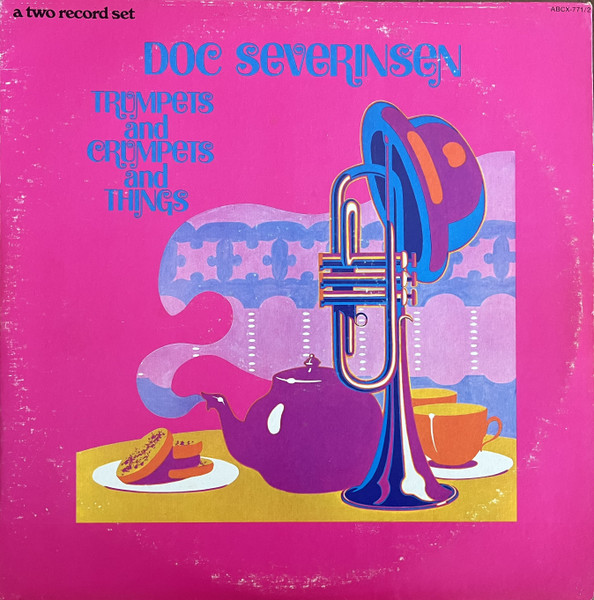
Trumpets And Crumpets And Things
1973

Sixteen Great Performances
1971
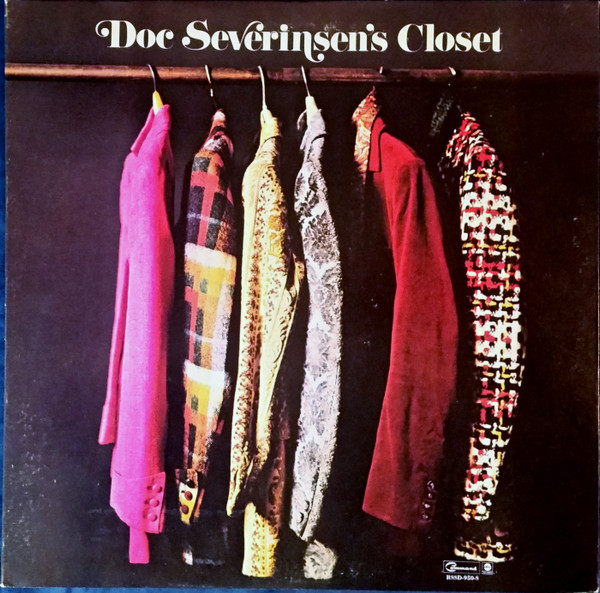
Doc Severinsen's Closet
1970

Two Sides Of
1993

Episodes
1986

Doc Severinsen And Xebron
1985
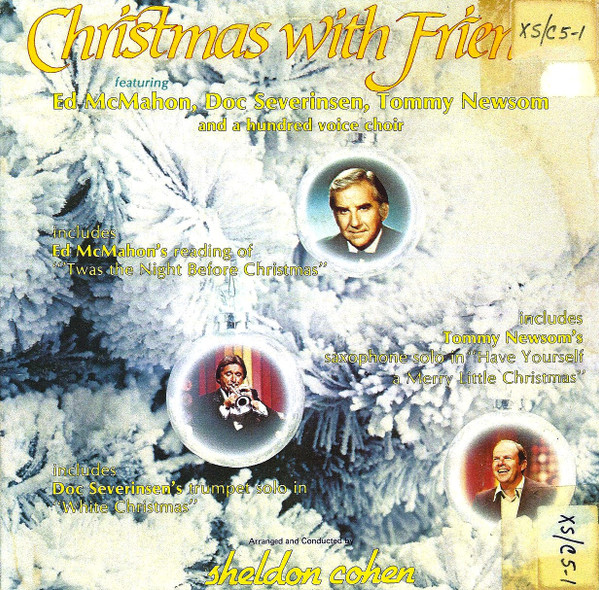
Christmas With Friends
1981

London Sessions
1980
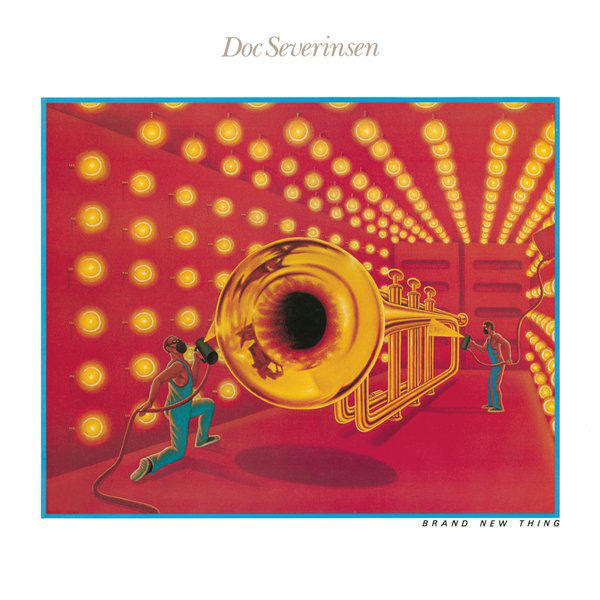
Brand New Thing
1977

Doc
1972

Brass Roots
1971

The New Sound Of Today's Big Band
1967
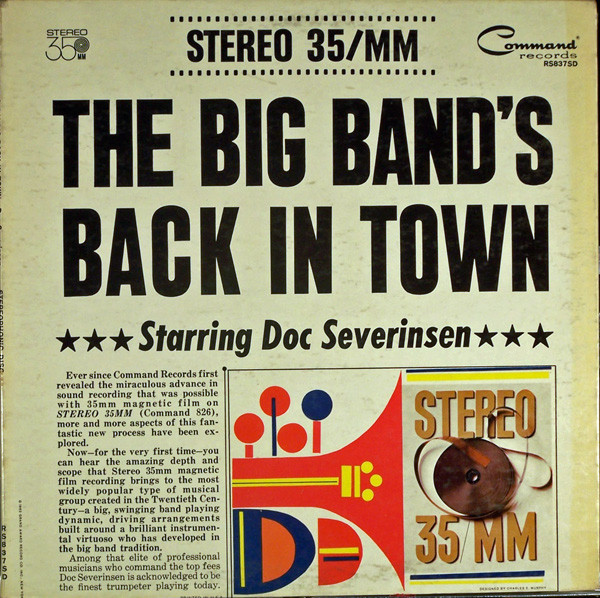
The Big Band's Back In Town
1962
Doc Severinsen and His Orchestra
Doc Severinsen under another name — MusicBrainz marks this project eponymous.


Enoch Light and His Orchestra
A project Doc Severinsen was part of.


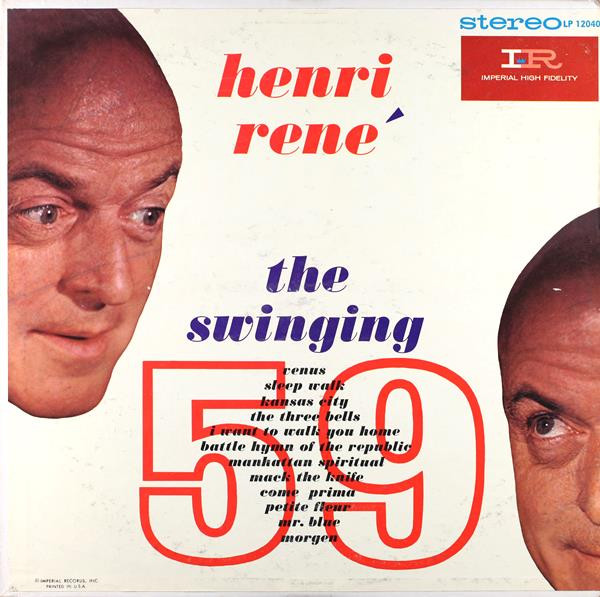
Henri René & His Orchestra
A project Doc Severinsen was part of.


The Tonight Show Band
A project Doc Severinsen was part of. Former member.

Related artists
Around the web
Follow every record they touch.
Start your shelf and Gatefold tracks Doc Severinsen's new pressings, tour dates, and the whole discography — automatically.
Start your shelf →Free forever. Works with 10 records or 10,000.