
Artist
Dio
Los Angeles, United States · 1982 – 2010
Dio is a music group from Los Angeles, United States, active 1982–2010. Their discography on Gatefold includes 24 records.

32
Albums tracked
298
In collections
1982
Since
Biography
Ronnie James Dio was already forty years old when he put his own name on the marquee in 1983. He had spent years getting pushed around by Ritchie Blackmore in Rainbow and dealing with the chaotic politics of Black Sabbath. He wanted a band where he called the shots. He hired young Belfast guitarist Vivian Campbell, snagged drummer Vinny Appice from Sabbath, and pulled bassist Jimmy Bain from his old Rainbow days. The first two records they made in Sound City and Rumbo Recorders were lean, mean, and heavy as hell. They weren't just riding the New Wave of British Heavy Metal. They were beating the Brits at their own game. Then the mid-eighties rot set in. Ronnie wanted a massive stadium stage show, complete with an animatronic dragon that ate up the production budget and split the band's focus. The tension between Ronnie's controlling nature and Campbell's desire for collaborative writing blew the classic lineup apart during the Sacred Heart tour. By the time the nineties hit, the band was a revolving door of guitarists like Rowan Robertson and Tracy G. Ronnie tried to chase the heavy, downtuned, industrial-adjacent grunge sounds on records like Strange Highways and Angry Machines. It didn't work. The fans wanted dungeons and dragons, not social realism, and the band spent a decade in the wilderness before clawing their way back to their classic fantasy roots at the turn of the millennium.
Bio from The Clerk
The Arc of Dio
The pivots — what forced Dio to reinvent.
The Sound City Golden Era
After quitting Black Sabbath, Ronnie wanted absolute control over his creative output and hired hungry, younger players who wouldn't argue with his vision. Recording at Sound City with engineer Angelo Arcuri, the band tracked Holy Diver on a tight budget with no outside songwriters. Vivian Campbell's raw, unschooled guitar style gave the tracks a street-level bite that contrasted perfectly with Ronnie's theatrical vocals. You hear it on 'Rainbow in the Dark,' where a simple, cheap keyboard hook becomes a massive metal anthem because the rhythm section plays like they have everything to prove.
The Arena Dragon Crisis
By 1985, the success of The Last in Line pushed Ronnie into chasing the theatrical excess of mid-eighties arena rock. He bought a massive, expensive animatronic dragon for the Sacred Heart tour, which strained the band's finances and their patience. Vivian Campbell grew tired of the pop-metal direction and the dwindling financial cuts, leading to his firing mid-tour. The resulting shift to guitarist Craig Goldy on Dream Evil brought a more polished, keyboard-heavy sound that lost the dangerous, hungry edge of the early records.
The Industrial Grudge Match
The rise of Seattle grunge and groove metal made Ronnie's fantasy lyrics look like relics of a dead era. In response, he hired guitarist Tracy G, tuned the guitars down to drop-D, and recorded Strange Highways in 1993 with a punishing, bleak tone. The songs abandoned fantasy entirely for lyrics about urban decay, abuse, and paranoia. It was the heaviest, darkest the band ever sounded, but old-school fans hated the lack of melodic guitar solos and heroic themes.
Influences
- Mario Lanza — Ronnie frequently credited the legendary American tenor as his primary vocal influence rather than other rock singers. Lanza's dramatic phrasing and breath control are the direct blueprint for Ronnie's operatic delivery. You hear this influence in the soaring, chest-voiced sustain on the title track of 'Holy Diver'.
- Deep Purple — Ronnie toured with Deep Purple in 1972 while fronting his early band, Elf, which caught the eye of guitarist Ritchie Blackmore. This connection led directly to the formation of Rainbow and shaped Ronnie's preference for neo-classical guitar scale runs. You can hear this classical metal hybrid style throughout Vivian Campbell's fast, scalar solos on 'The Last in Line'.
- The Who — Ronnie recorded a cover of 'Behind Blue Eyes' with Elf and repeatedly cited Pete Townshend's structural songwriting as a major influence on his later metal arrangements. The dramatic quiet-to-loud dynamic shifts used by The Who are all over the band's epic tracks. You hear this exact structural buildup on 'Don't Talk to Strangers,' which starts with a delicate acoustic intro before exploding into a heavy gallop.
- Black Sabbath — Before forming his own band, Ronnie fronted Black Sabbath for the 'Heaven and Hell' and 'Mob Rules' albums. Working alongside Tony Iommi taught Ronnie how to write riffs that served as heavy, rhythmic foundations for his lyrics. The mid-tempo, crushing doom groove of Sabbath's early eighties material is the direct sonic ancestor to tracks like 'Egypt (The Chains Are On)'.
- Led Zeppelin — Ronnie frequently pointed to Led Zeppelin's integration of acoustic folk and heavy blues as the spark for his own style of epic fantasy rock. Jimmy Page's acoustic-to-electric transitions inspired Ronnie to use classical acoustic guitars to build tension before a heavy riff dropped. You hear this Zeppelin-esque folk-metal hybrid clearly on the fantasy epic 'Stargazer' from his Rainbow days, which set the standard for his solo work.
Discography
Their records — most-collected first.
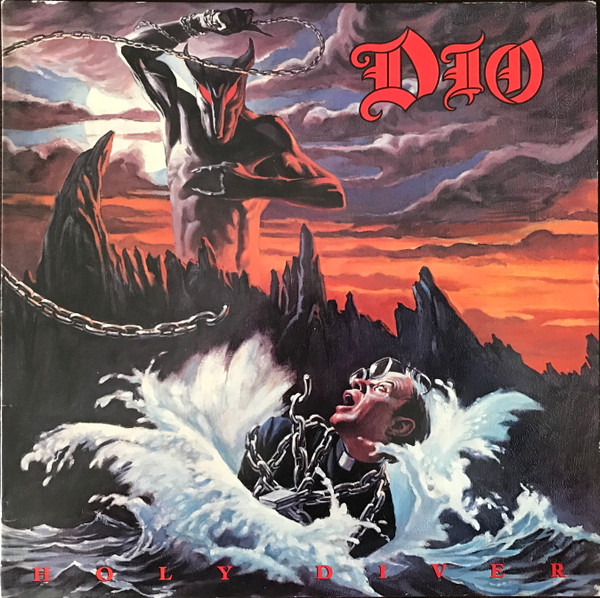
Holy Diver
1983
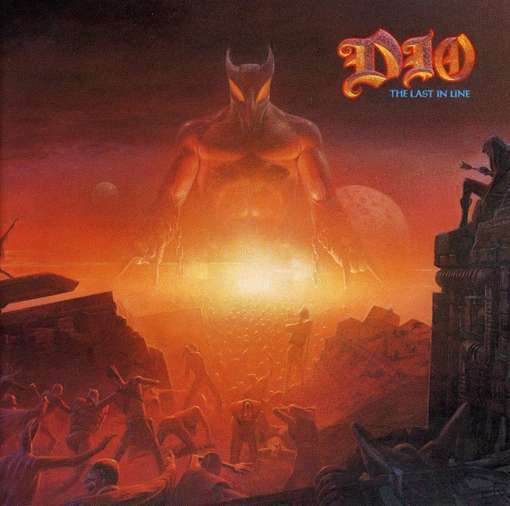
The Last In Line
1984
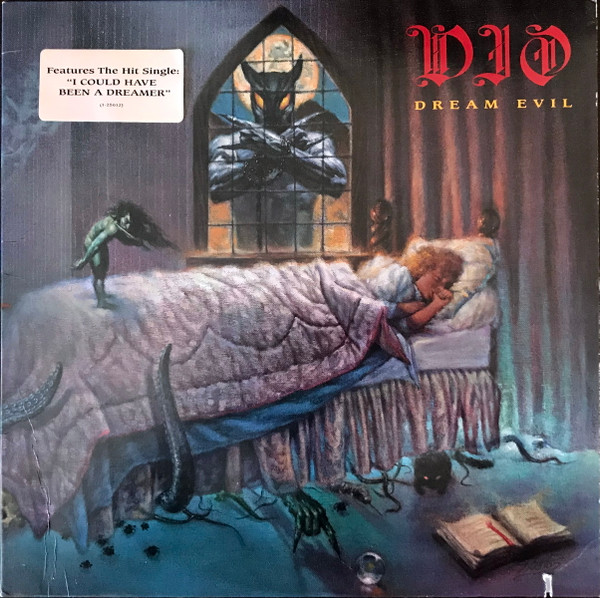
Dream Evil
1987
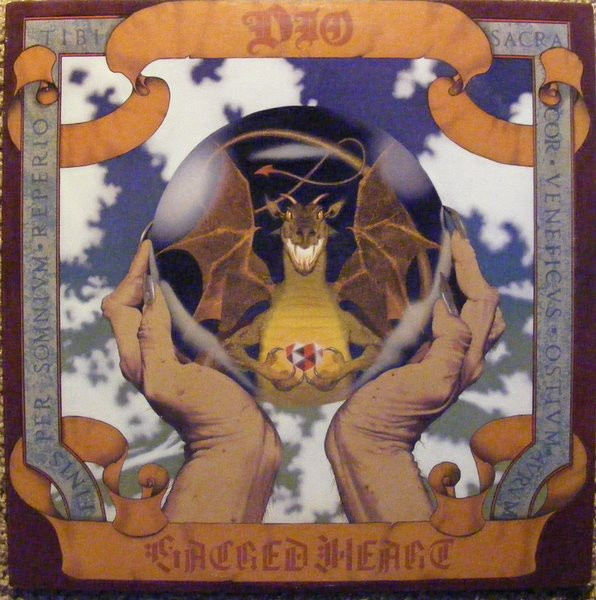
Sacred Heart
1985
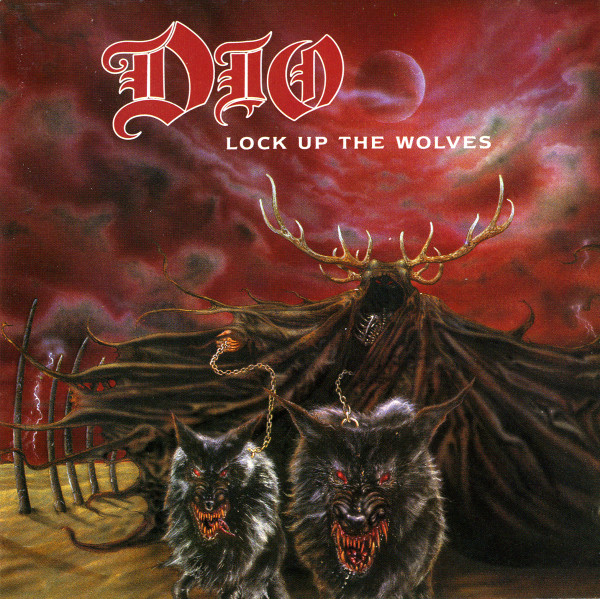
Lock Up The Wolves
1990

Intermission
1986
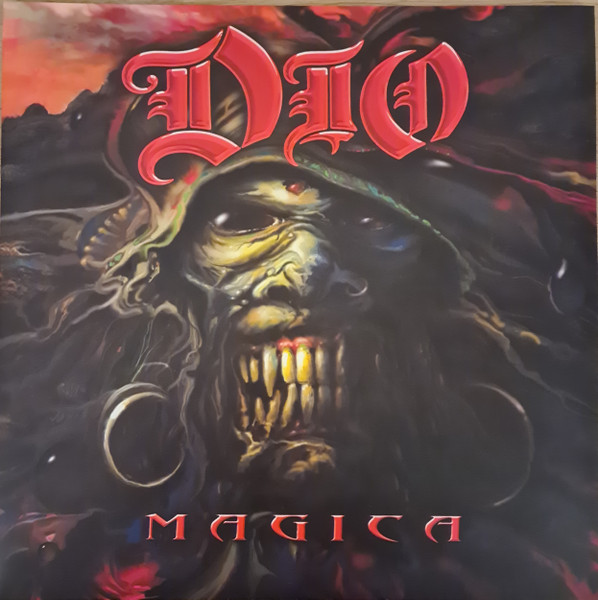
Magica
2000

Strange Highways
1993
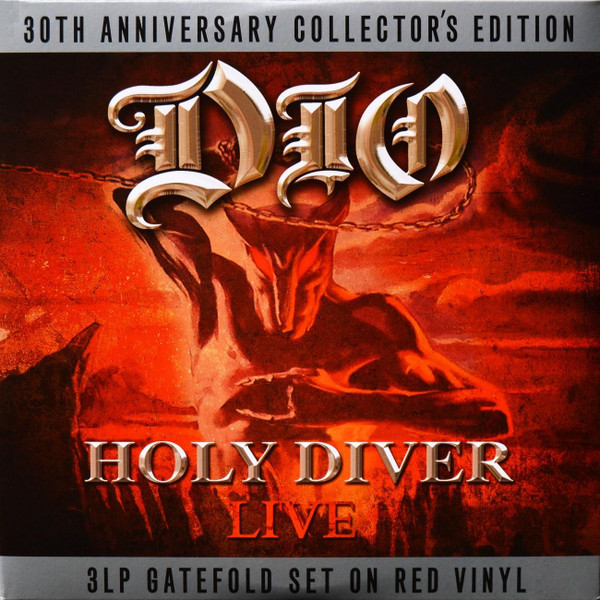
Holy Diver Live
2006
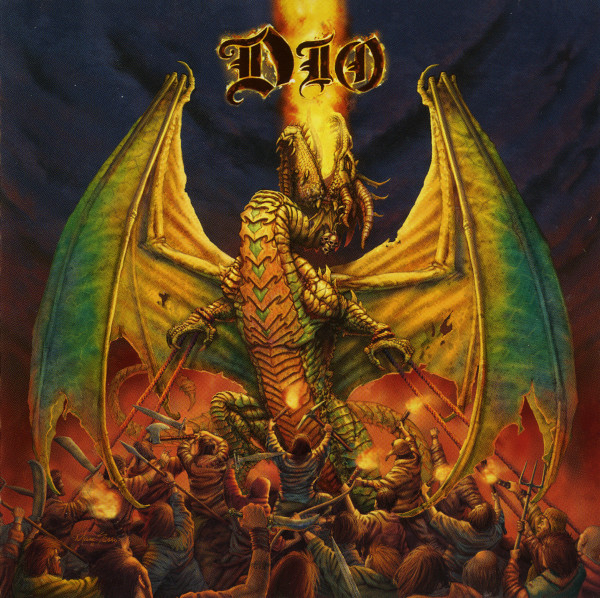
Killing The Dragon
2002
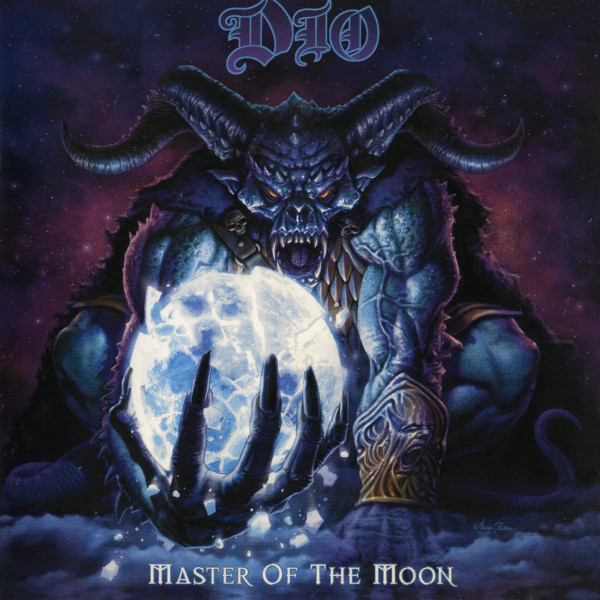
Master Of The Moon
2004

The Very Beast Of Dio

Donington '87
2022
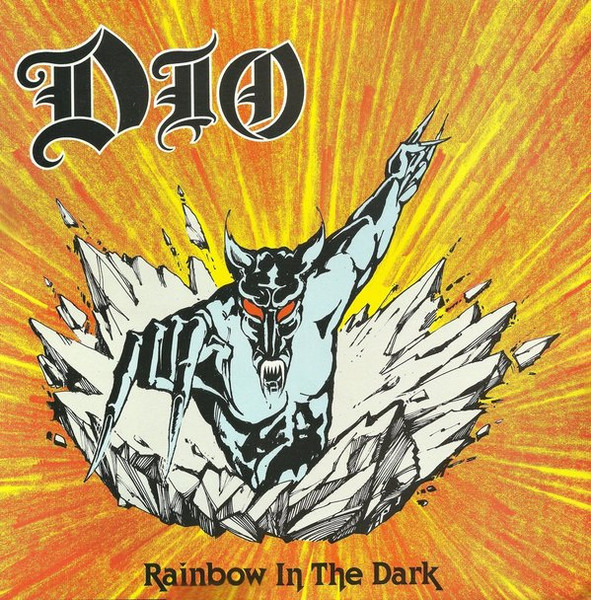
Rainbow In The Dark
1983
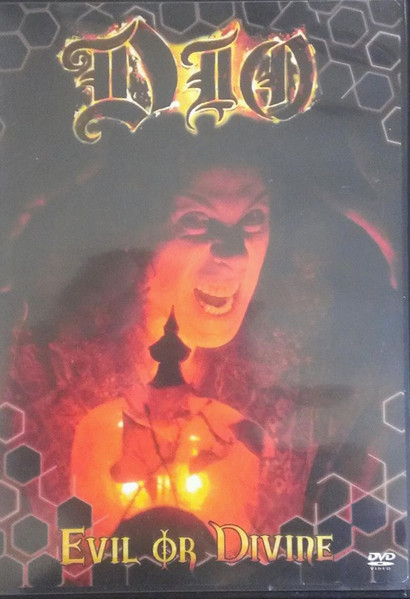
Evil Or Divine: Live In New York City
2003

Stand Up And Shout: The Anthology
2003
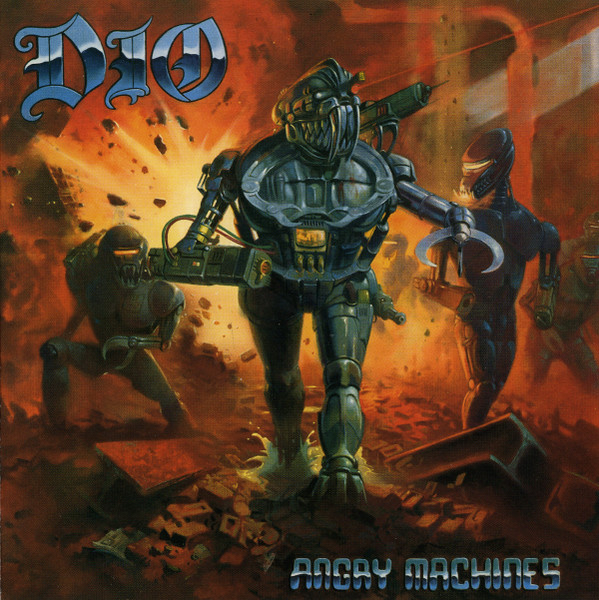
Angry Machines
1996
The Collection
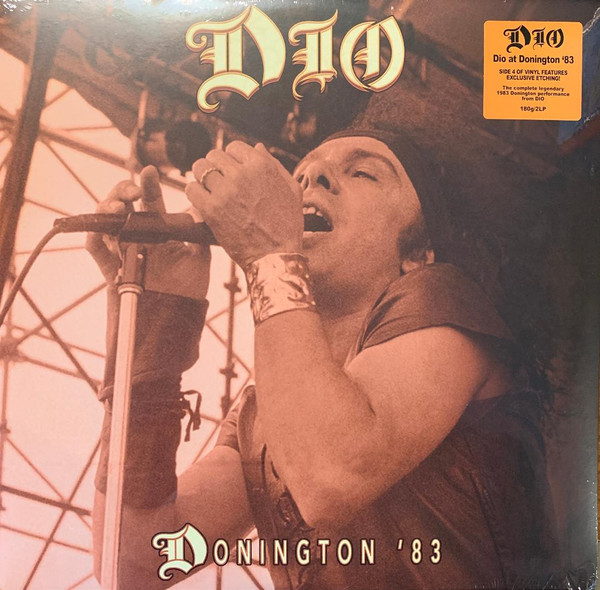
Donington '83
2022

Finding The Sacred Heart – Live In Philly 1986 –
2013
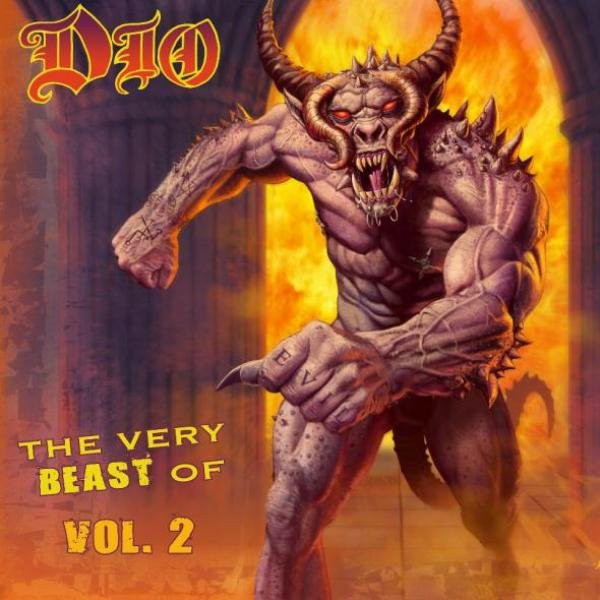
The Very Beast Of Dio Vol. 2
2012
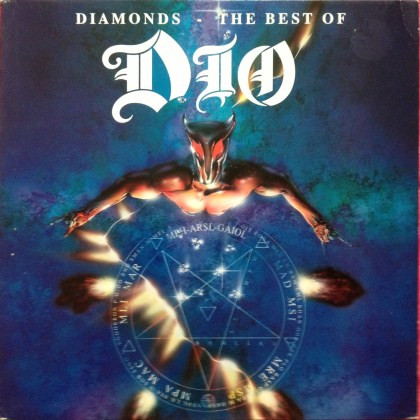
Diamonds - The Best Of
1992
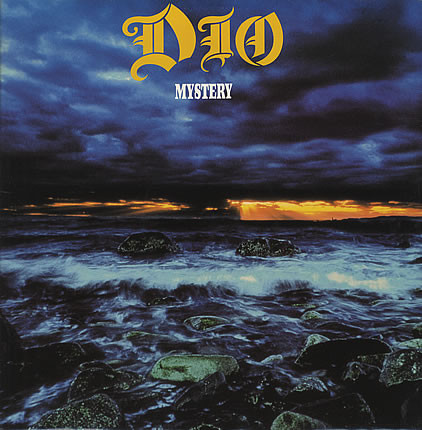
Mystery
1984
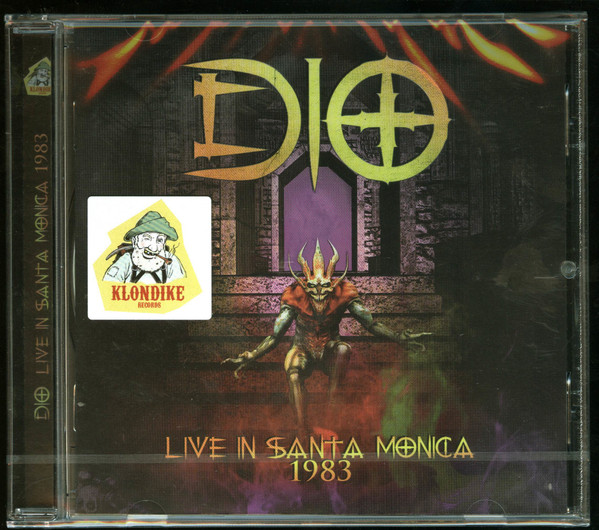
Live In Santa Monica 1983
2017
Related artists
Around the web
Follow every record they touch.
Start your shelf and Gatefold tracks Dio's new pressings, tour dates, and the whole discography — automatically.
Start your shelf →Free forever. Works with 10 records or 10,000.