
Artist
DGM
Romania
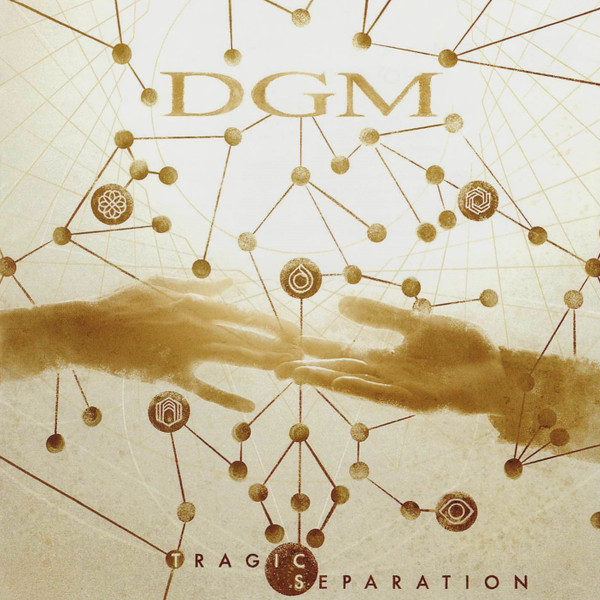
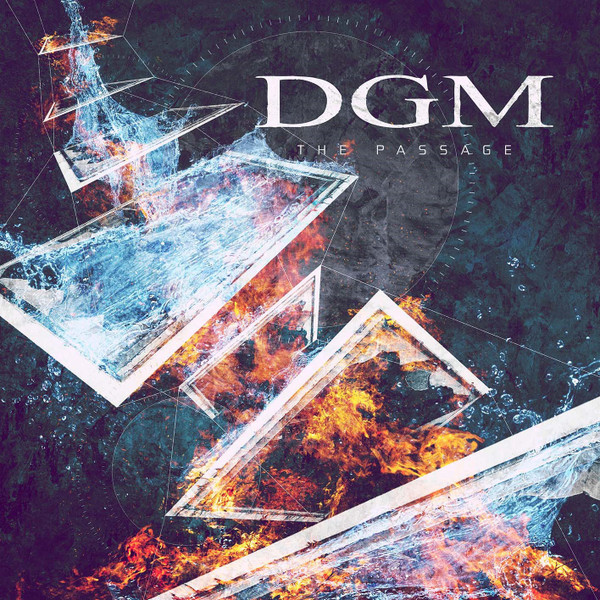
DGM is a music group from Romania. Their discography on Gatefold includes 12 records.

12
Albums tracked
6
In collections
—
Since
Biography
DGM started out in the mid-90s as a bunch of guys in Rome playing strictly instrumental prog-metal because they couldn't find a singer who fit the bill. When Luciano Regoli finally stepped in for Random Access Zone, it felt like they were just trying to hold the line between Dream Theater worship and the Italian power metal boom. The early records are full of that stiff, over-quantized 90s production, but the bones were there. They spent a decade swapping members like trading cards—keyboards, bass, drums, everything was in flux while they hunted for a permanent identity. The real turning point wasn't a marketing shift, it was a personnel overhaul. When Simone Mularoni took over the guitar slot and Mark Basile grabbed the mic, the band stopped being a local curiosity and started sounding like a fucking freight train. Mularoni isn't just a shredder; he’s an engineer and producer who tightened their sound until it was surgical. They stopped chasing the floral, symphonic tropes of the Italian scene and pivoted toward a hard-driving, AOR-inflected metal that actually has some grit in the gears. It’s polished as hell, but it’s the kind of polish that cuts.
Bio from The Clerk
The Arc of DGM
The pivots — what forced DGM to reinvent.
The Regoli/Reali Foundation
The early years were defined by Diego Reali’s neoclassical guitar runs and Luciano Regoli’s traditional vocal delivery. Records like Change Direction and Wings of Time were firmly rooted in the 90s prog-power aesthetic, prioritizing complex time signatures and high-register histrionics. You can hear the band struggling with the era's thin production values, yet the interplay between Maurizio Pariotti’s keys and Reali’s leads set the technical benchmark for the Rome scene. It was a period of establishing the technical pedigree before they found their modern groove.
The Titta Tani Transition
When Titta Tani took over vocals for Dreamland and Hidden Place, the band shifted toward a darker, more aggressive tone that started to shed the flowery power metal tropes. This era saw them flirting with heavier riffs and more atmospheric keyboard layers provided by Fabio Sanges, moving away from the pure Malmsteen-influence of the debut. The songwriting became more compact, focusing on hooks rather than just instrumental flexing, though the constant lineup shuffling on bass and keys kept them from reaching a definitive state. It was a necessary bridge between their neoclassical roots and the heavy-hitting modern era.
The Mularoni Modernization
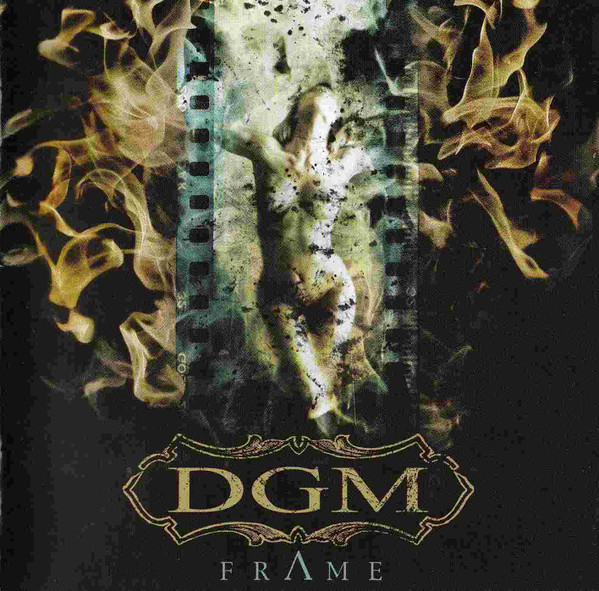
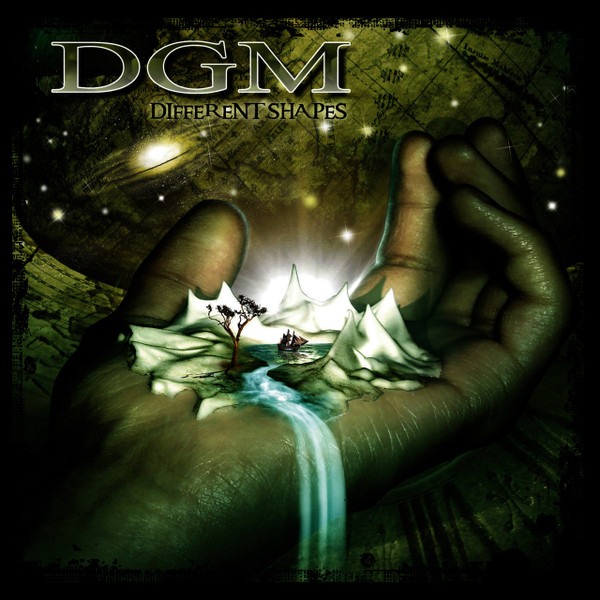
Everything changed when Simone Mularoni joined for Different Shapes and later Mark Basile stepped in on vocals for the Frame era. Mularoni’s background as a producer at Domination Studio brought a massive, wall-of-sound production style that made their previous records sound like demos. Basile’s soulful, blues-tinged range allowed them to incorporate massive AOR choruses into complex prog structures, creating the high-energy, technical-melodic hybrid they’ve stuck with since Momentum. This is the version of the band that finally broke out of the niche Italian market and started competing with the big European heavyweights.
Influences
- Dream Theater — The band has explicitly cited Images and Words as a blueprint for their early odd-time signature syncopation. You hear it in the keyboard-unison solos on Wings of Time. It’s the foundational DNA of their entire prog-metal structure.
- Symphony X — Simone Mularoni has frequently pointed to Michael Romeo's riffing style as a primary influence on his own technical approach. The heavy, staccato palm-muting on Momentum is a direct descendant of the The Divine Wings of Tragedy era sound. They took the American power-prog crunch and applied it to an Italian melodic sensibility.
- Yngwie Malmsteen — Original guitarist Diego Reali was a self-confessed Malmsteen devotee, which dictated the neoclassical shred found on Change Direction. The sweep-picked arpeggios on the first three records are straight out of the Rising Force playbook. Even as they evolved, that technical flash remained a core requirement for the gig.
- Kansas — The band covered 'Carry On Wayward Son' on the Hidden Place album, showcasing their debt to 70s American prog-rock. You can hear this in how they layer their vocal harmonies and the specific way they use Hammond-style organ patches to fill out the mid-range. It’s the 'rock' side of their progressive metal equation.
- Deep Purple — The band's penchant for guitar and keyboard duels is modeled after the Ritchie Blackmore and Jon Lord trade-offs. It’s most evident in the way Emanuele Casali’s keys contest the lead guitar lines in their live sets. They treat the keyboard as a lead weapon rather than just a background texture.
Discography
Their records — most-collected first.



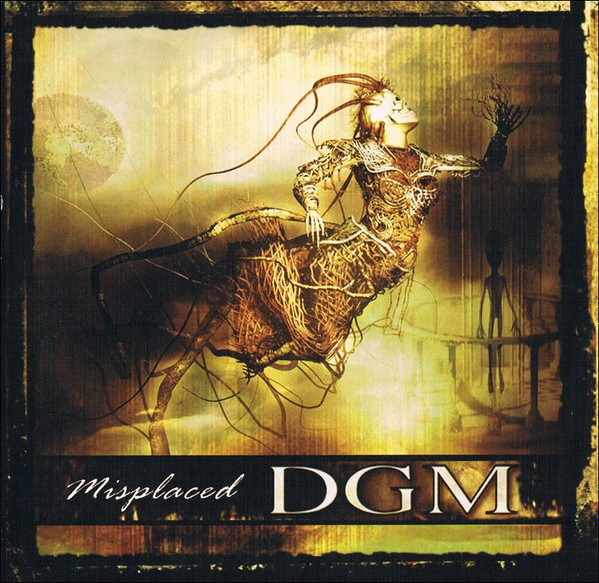
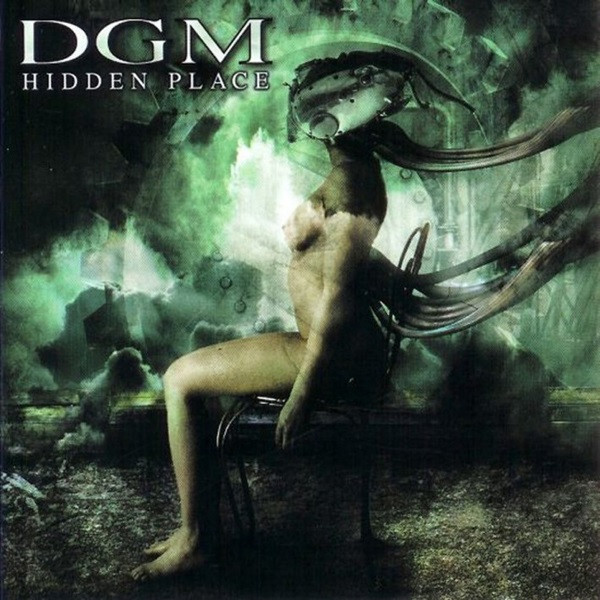
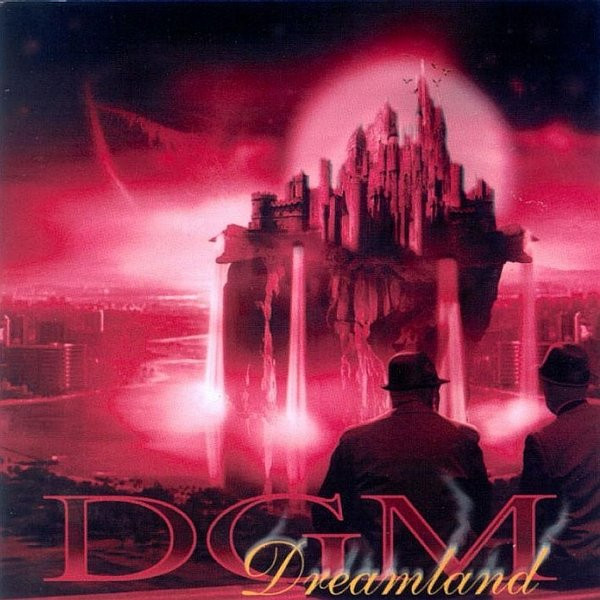
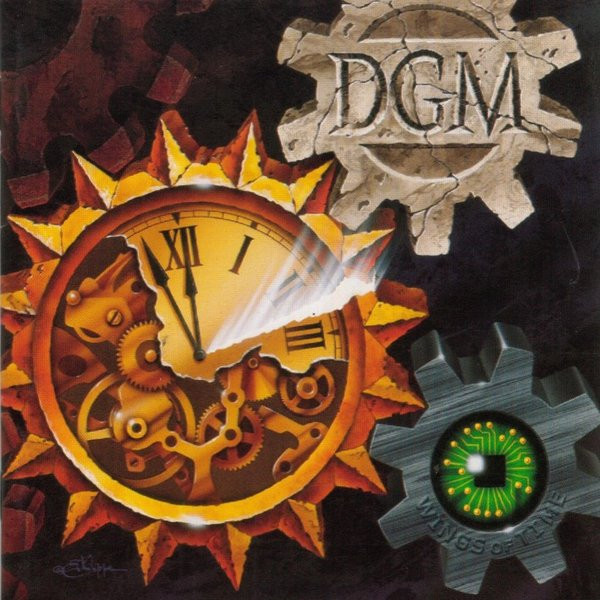
Related artists
Around the web
Follow every record they touch.
Start your shelf and Gatefold tracks DGM's new pressings, tour dates, and the whole discography — automatically.
Start your shelf →Free forever. Works with 10 records or 10,000.