
Artist
Dennis Brown
Jamaican reggae singer Dennis Emmanuel Brown
Kingston, Jamaica · 1957 – 1999
Dennis Brown is a musician from Kingston, Jamaica, active 1957–1999. Their discography on Gatefold includes 24 records.

63
Albums tracked
51
In collections
1957
Since
Biography
Clement 'Coxsone' Dodd had Dennis recording at Studio One when the kid was barely twelve, standing on a beer crate just to reach the microphone. He wasn't some novelty act—he had a mature, honeyed vibrato that made grown men look like amateurs. By the time he hit his stride in the mid-seventies, he was the only singer in Jamaica who could trade blows with Bob Marley without flinching. He eventually got caught in the major label trap with A&M in the early eighties, trying to polish the rough edges for a suburban American audience that wasn't ready for him. It resulted in some slick, forgettable R&B-lite that lacked the heavy Kingston weight. He spent the rest of his life working at a breakneck pace, recording for anyone with a check and a rhythm track, which cluttered his discography with filler but never managed to bury that voice. Even when the production was cheap digital trash, Dennis could still make a plastic snare sound like the hand of God.
Bio from The Clerk
The Arc of Dennis Brown
The pivots — what forced Dennis Brown to reinvent.
The Studio One Apprenticeship
Dodd put Dennis in the room with the Skatalites and the Sound Dimension to learn the foundation of the rocksteady-to-reggae transition. He cut 'No Man Is an Island' in 1969, a Curtis Mayfield cover that proved he could take Chicago soul and anchor it into a Kingston groove. This era was about vocal discipline, matching his pitch to the tight, horn-heavy arrangements of the house band before he ever touched a rasta conscious lyric.
The Joe Gibbs Peak
Working with producer Joe Gibbs and engineer Errol Thompson—the 'Mighty Two'—changed the architecture of his sound into something heavier and more militant. Tracks like 'Money in My Pocket' and 'Visions' benefited from the rock-solid foundation of the Professionals, moving away from soul covers into deep, spiritual roots reggae. You hear the difference in the drum mix; it’s deeper, wetter, and provides the perfect floor for his increasingly urgent vocal delivery.
The DEB Self-Governance
Frustrated with label politics, he started his own DEB Music imprint to control the masters and the messaging, resulting in the gritty masterpiece Wolves and Leopards. He brought in Castro Brown to help manage the business, and the music reflected a raw, unvarnished independence. This was the moment he stopped being a student of the industry and started defining the aesthetic of the late-seventies roots scene.
The Digital Dancehall Shift
When King Jammy’s 'Sleng Teng' rhythm blew up the industry in '85, Dennis didn't fight the machines—he jumped right in. He recorded 'The Exit' and 'History' over stripped-back, Casio-driven riddims that replaced live brass with jagged synthesized basslines. While other roots singers faded, he adapted his phrasing to fit the staccato energy of the dancehall era, proving his voice was the only instrument that actually mattered.
Influences
- Curtis Mayfield — Dennis basically used the Impressions' catalog as his vocal textbook. His debut hit was a cover of 'No Man Is an Island,' and you can hear Mayfield’s falsetto-leaning soul phrasing in every soft run Dennis ever recorded.
- Nat King Cole — The smooth, effortless diction Dennis possessed came straight from his father’s collection of Cole records. It’s the reason his delivery stayed crystal clear even when the bass frequencies were blowing out the speakers.
- Alton Ellis — As the undisputed king of rocksteady, Ellis was the blueprint for how to be a 'lover’s rock' singer with a street-level edge. Dennis shared studio time with him at Studio One and adopted that specific way of floating a melody just behind the beat.
- Delroy Wilson — Wilson was the first Jamaican child star to successfully transition into a grown-up hitmaker, a path Dennis followed to the letter. You hear the direct lineage in the way they both approached the transition from ska tempos to the slower, heavier reggae pulse.
- The Heptones — Leroy Sibbles’ basslines and vocal arrangements for the Heptones provided the harmonic structure for the Studio One era. Dennis frequently voiced over their riddims, absorbing the three-part harmony style that he’d later use to multi-track his own backing vocals.
Discography
Their records — most-collected first.

Words Of Wisdom
1979

Wolf & Leopards
1977

Love's Gotta Hold On Me
1984

Foul Play
1981

Money In My Pocket / Cool Runnings
1978

Visions Of Dennis Brown
1977
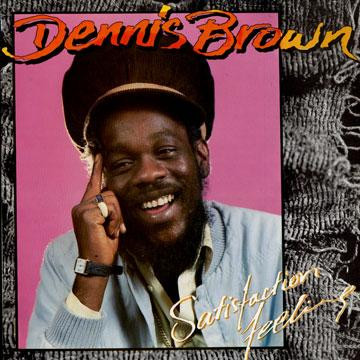
Satisfaction Feeling
1983

A Little Bit More More Loving
1982

Ain't That Loving You / Hole In The Bucket
1978
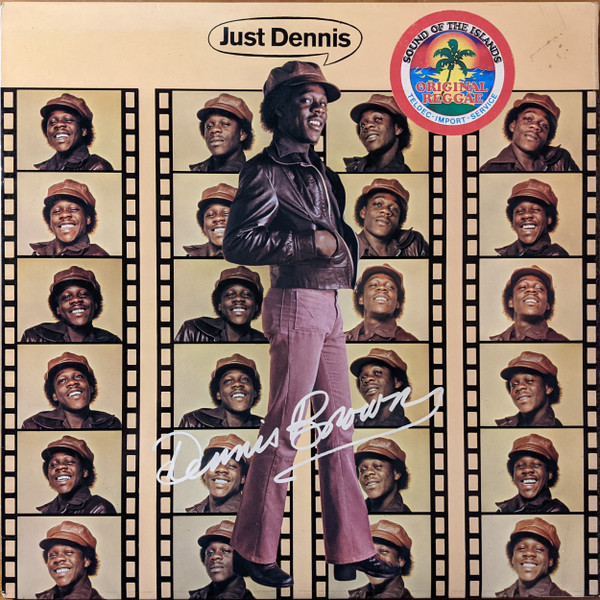
Just Dennis
1975

Dubbing At King Tubby's
2016

Money In My Pocket: Anthology 1970-1995
2001

Temperature Rising
1995
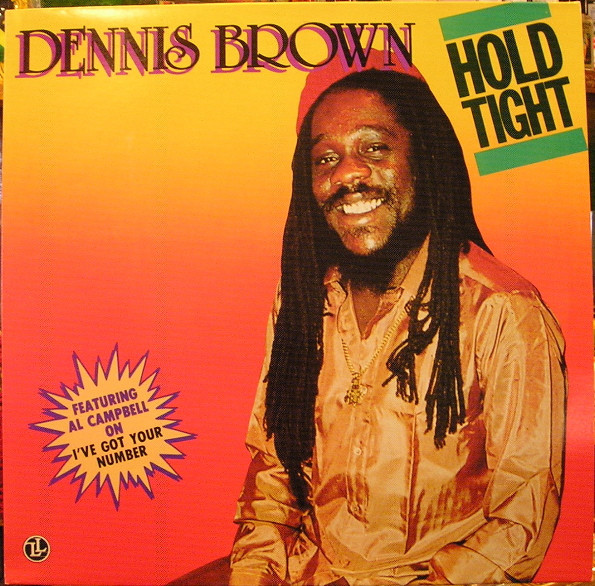
Hold Tight
1986

Let Off Sup-M
1985

I'll Get On Without You / Africa We Want To Go
1985

I Don't Want To Be No General / General
1983

If I Didn't Love You / Tell Him I'm Not Home
1983

Yesterday Today And Tomorrow
1982
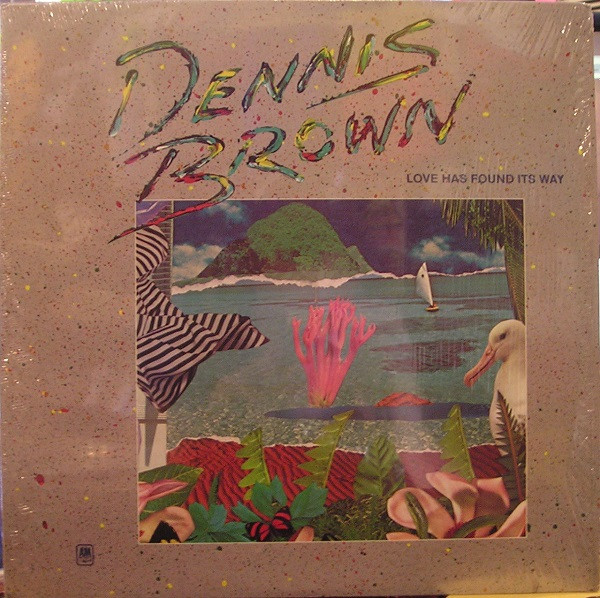
Love Has Found Its Way
1982

Love Has Found Its Way
1982

Sitting And Watching / Centre Forward
1979

Gimme Your Love
1979

Your Man
1979
Related artists
Around the web
Follow every record they touch.
Start your shelf and Gatefold tracks Dennis Brown's new pressings, tour dates, and the whole discography — automatically.
Start your shelf →Free forever. Works with 10 records or 10,000.