
Artist
Demon Fuzz
London, United Kingdom · 1968 – 1972
Demon Fuzz is a music group from London, United Kingdom, active 1968–1972. Their discography on Gatefold includes 2 records.

2
Albums tracked
14
In collections
1968
Since
Biography
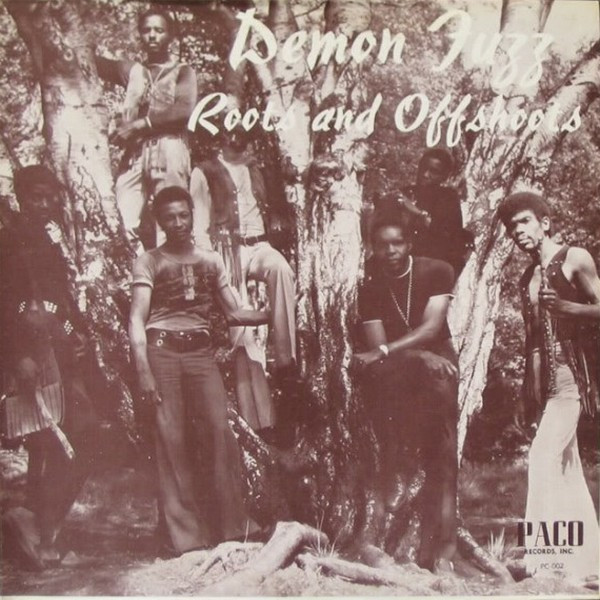
They cut their entire reputation in one marathon session at London's Decca Studios with producer Barry Ainsworth turning the dials on an 8-track console. Seven Commonwealth immigrants from the Windrush generation plugged heavy fuzz pedals into horns and slammed ska organ directly into psych-rock distortion. The label, Dawn Records, had no idea how to sell a group that sounded like Fela Kuti jamming with Soft Machine in a basement flat. So they pressed a few thousand copies, shoved it to the progressive rock bins, and watched it stiff immediately. That one 1970 record became holy scripture for UK breakbeat culture two decades later. W. Raphael Joseph's guitar tone didn't sound like British blues rock; it snarled like raw acid-funk filtered through Caribbean steel pan roots. They broke up inside of two years after a terrible trip to Morocco left them stranded with zero label support. By the time an uninspired archival leftovers collection trickled out under the name Roots and Offshoots in '76, the fire was long dead, but that debut remains an untouchable freak of nature.
Bio from The Clerk
The Arc of Demon Fuzz
The pivots — what forced Demon Fuzz to reinvent.
The Dawn Sessions
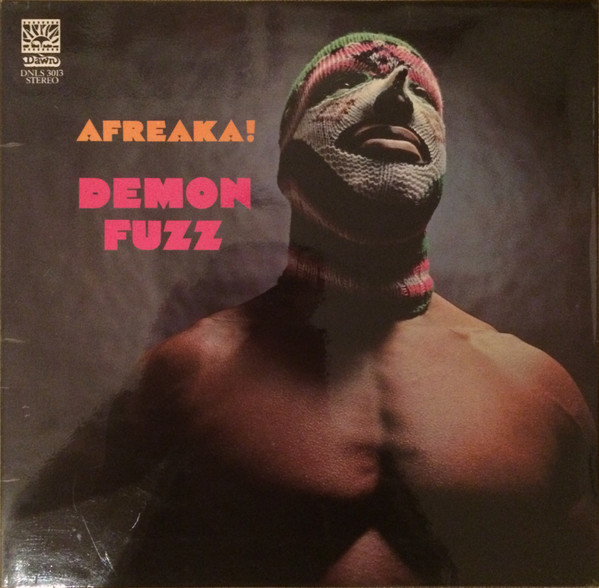
Signed to Pye's underground imprint Dawn in 1970, Demon Fuzz had one shot to capture their live club assault on tape. Engineer Barry Ainsworth let Ray Rhoden's Hammond and the dual saxophones redline the board, capturing a hybrid of funk, psych, and dub grooves that nobody else in Britain was attempting. The resulting album, Afreaka!, alongside their self-titled EP containing a scorching cover of Screamin' Jay Hawkins, dropped like an unexploded bomb on deaf ears.
Moroccan Collapse and the Vault Scraping
A disastrous residency in Morocco in 1971 completely fractured band finances and morale, leading straight to a 1972 split. The group scattered across session gigs and reggae backing outfits around London, leaving behind unreleased tape scraps. In 1976, label heads cobbled together the leftovers and alternate takes to push out Roots and Offshoots without the band's active participation, officially closing the book.
Influences
- Screamin' Jay Hawkins — Demon Fuzz cut Hawkins' 1956 hit 'I Put a Spell on You' as the anchor of their 1970 self-titled Dawn EP. They completely dismantled the original shock-rock structure into an extended, horn-drenched psych-funk workout. It established their entire approach: taking black American blues and soul standards and mutating them with heavy fuzz.
- Sly & The Family Stone — The heavy brass-and-bass funk unison on Stand! served as the rhythmic blueprint for Demon Fuzz when they formed in 1968. You hear it across 'Past, Present and Future,' where the horn stabs lock directly into the bassline instead of playing traditional big-band swing. They took Sly's interracial soul blueprint and dragged it through London's underground.
- Jimmy Smith — Ray Rhoden's dirty, percussive organ runs were built straight on Smith's Blue Note hard bop recordings. Instead of polite prog-rock keyboards, Rhoden ripped fast blues scales with heavy Leslie cabinet grind all over 'Disillusioned Man.' It gave the band a greasy jazz foundation that anchored their wilder guitar freakouts.
- Lord Kitchener — The band members grew up on Caribbean calypso and mento records, with Kitchener being the giant of London's post-war West Indian immigrant scene. That syncopated, bouncing cadence sits right underneath the polyrhythmic drumming on 'Another Country.' Even when the guitars went full acid rock, the rhythm section never swung with a straight rock 4/4.
- Jimi Hendrix — W. Raphael Joseph adopted the heavy wah-wah and aggressive fuzz distortion Hendrix made famous across the London club circuit between 1966 and 1968. You hear that searing, sustain-heavy lead tone bleeding into the brass on 'Mercy (Variation No. 1).' Joseph treated the guitar as a weapon of sonic chaos rather than a clean rhythm chug.
Discography
Their records — most-collected first.
Related artists
Members
Around the web
Follow every record they touch.
Start your shelf and Gatefold tracks Demon Fuzz's new pressings, tour dates, and the whole discography — automatically.
Start your shelf →Free forever. Works with 10 records or 10,000.