
Artist
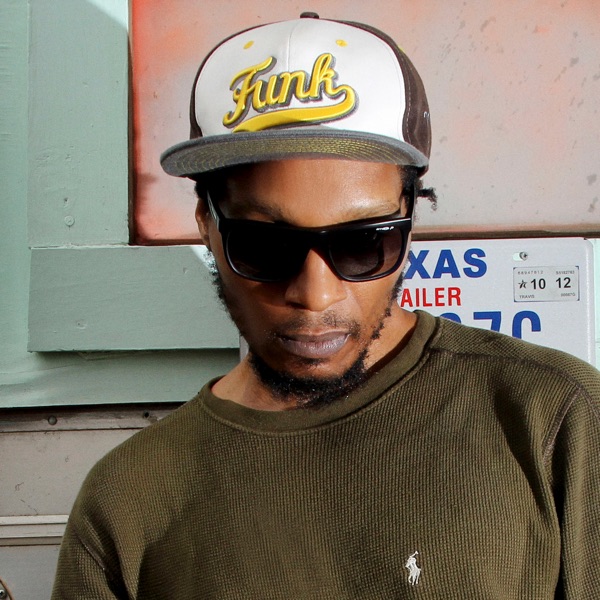
Del the Funky Homosapien
Oakland, United States · b. 1972
Del the Funky Homosapien is a musician from Oakland, United States, active since 1972. Their discography on Gatefold includes 9 records. They also recorded with Deltron 3030, Hieroglyphics and Da Lench Mob.
21
Albums tracked
189
In collections
1972
Since
Biography
Ice Cube basically handed his cousin a golden ticket with the Lench Mob production on the debut, but Del was already trying to escape the shadow of the 'street' narrative. 'I Wish My Brother George Was Here' sounds like a Parliament record crashing into a 40-ounce, mostly because Cube and Sir Jinx were leaning so hard into the P-Funk samples that defined the early 90s West Coast sound. It was a smash, but Del hated being boxed into the G-funk caricature, leading to a massive internal rift that nearly derailed his career before it truly started. He spent the next decade proving he was the sharpest technical writer in the room, ditching the major label polish for the dusty, complex independence of the Hieroglyphics crew. There were lean years where the industry didn't know what to do with a guy rapping about personal hygiene and video games over skeletal, jazz-inflected loops. He survived on sheer nerd-dom and a refusal to simplify his meter for the radio, eventually pivoting into the sci-fi weirdness that gave him a second life in the underground.
Bio from The Clerk
The Arc of Del the Funky Homosapien
The pivots — what forced Del the Funky Homosapien to reinvent.
The Lench Mob Breakaway
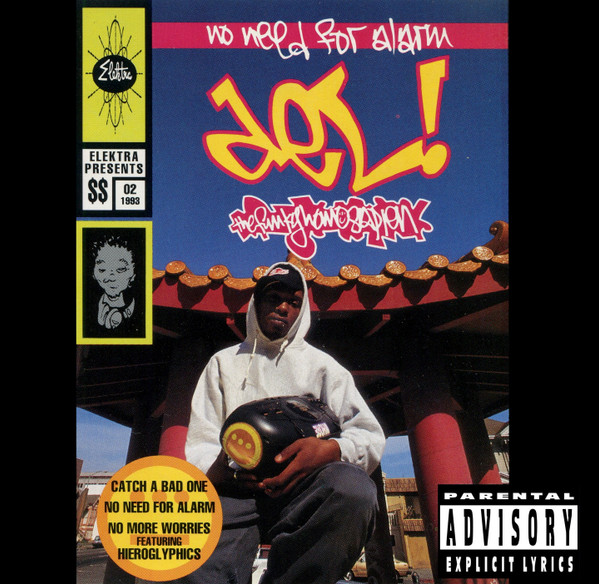
After the funk-heavy polish of the debut, Del aggressively stripped away the commercial sheen for 1993’s 'No Need for Alarm.' He brought in the Hieroglyphics collective—Casual, Domino, and A-Plus—to produce a jagged, battle-ready sound that prioritized intricate internal rhymes over radio hooks. This move alienated Elektra and the casual 'Mistadobalina' fans but established the foundation for the entire Oakland underground movement. You can hear the shift in the aggression; he stopped playing a character and started sounding like a guy who would dismantle you in a freestyle.
The 3030 Shift
When Dan the Automator sent Del a batch of dystopian, cinematic beats in the late 90s, it triggered a full-blown conceptual rebirth. Working alongside Kid Koala, Del adopted the Deltron Zero persona, ditching the Oakland street level for a futuristic narrative about space travel and corporate tyranny. This wasn't just a lyrical gimmick; the production used a wide-lens, operatic scale that forced Del to stretch his cadence into new, eerie territories. It turned a mid-career slump into a worldwide cult phenomenon that eventually landed him on a Gorillaz track.
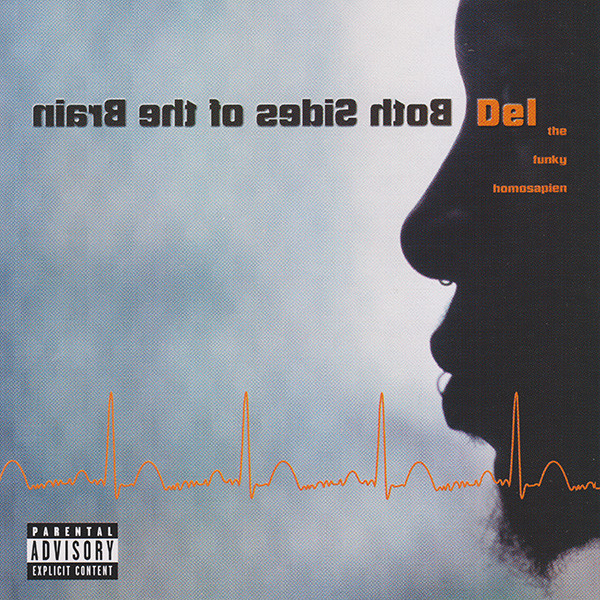
The Independent Grind
Following the success of 'Both Sides of the Brain,' Del leaned into a prolific, sometimes chaotic independent phase that saw him flooding the market with leak packs and digital experiments. He started self-producing more frequently, moving away from the lush Automator arrangements toward a raw, MPC-heavy sound that felt like home-recorded sketches. This era is a mixed bag of technical brilliance and lo-fi indulgence, reflecting a veteran who stopped caring about the charts and focused entirely on the mechanics of the rhyme. It's the sound of a guy who would rather tinker with a drum machine in his basement than chase another platinum plaque.
Influences
- Parliament-Funkadelic — George Clinton is the DNA of Del’s entire worldview, from the 'I Wish My Brother George Was Here' title to the heavy use of 'Knee Deep' and 'Not Just Knee Deep' samples. You hear it in the layered vocal arrangements and the willingness to be absolutely weird in public. It gave him the permission to build his own self-contained universe.
- Big Daddy Kane — Del has repeatedly cited Kane as his primary technical inspiration for syllable placement and multisyllabic rhyming. On 'No Need for Alarm,' you can hear that Cold Chillin’ era influence in how he packs internal rhymes into every bar. It’s the East Coast technicality applied to an Oakland attitude.
- The S.O.S. Band — The groove on his breakout hit 'Mistadobalina' is built entirely around a sample of their track 'The Finest.' Jimmy Jam and Terry Lewis provided the melodic framework that Del used to mock the very corporate types who would eventually buy the record. That synth-heavy funk is the foundational floor of his early sound.
- Ultramagnetic MCs — Kool Keith’s abstract, non-linear lyricism opened the door for Del’s later experimentation with sci-fi and surrealism. The DNA of 'Critical Beatdown' is all over 'Deltron 3030,' specifically the way they treat the microphone like a laboratory tool. They made it cool for rappers to be the smartest, strangest guys in the room.
- Ice Cube — Beyond the family tie, Cube was the one who physically put Del in the booth and taught him the mechanics of song structure during the 'AmeriKKKa’s Most Wanted' sessions. You hear Cube’s aggressive punch in Del’s early delivery, even if the subject matter was a world apart. He provided the blueprint for how to navigate a studio as a professional.
Del the Funky Homosapien — solo
Their records — most-collected first.


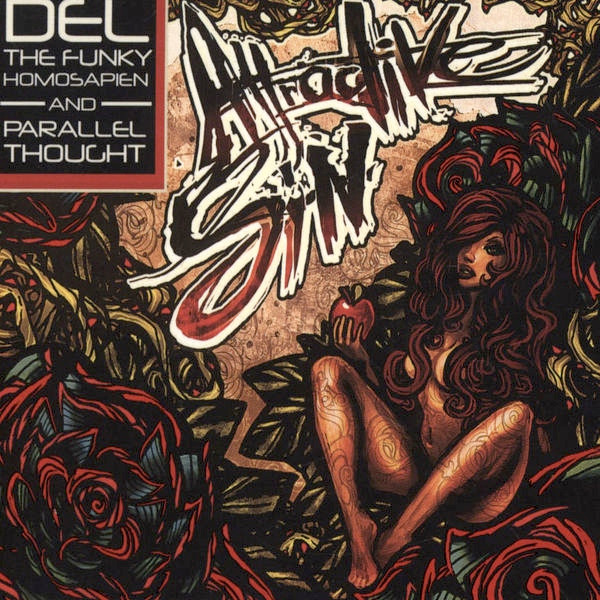

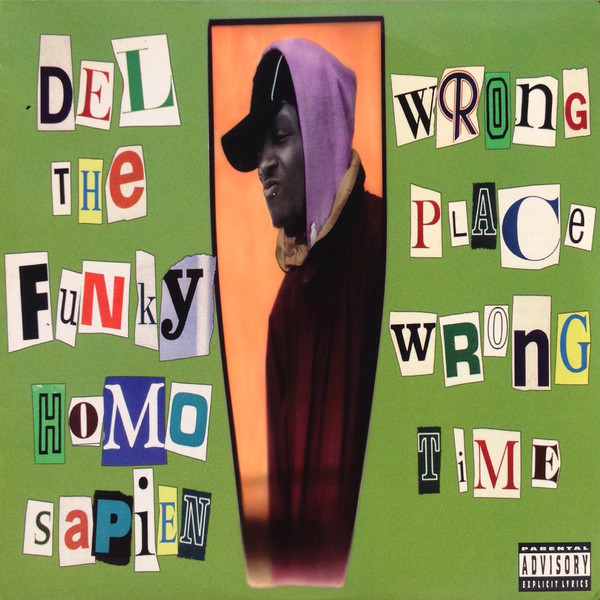
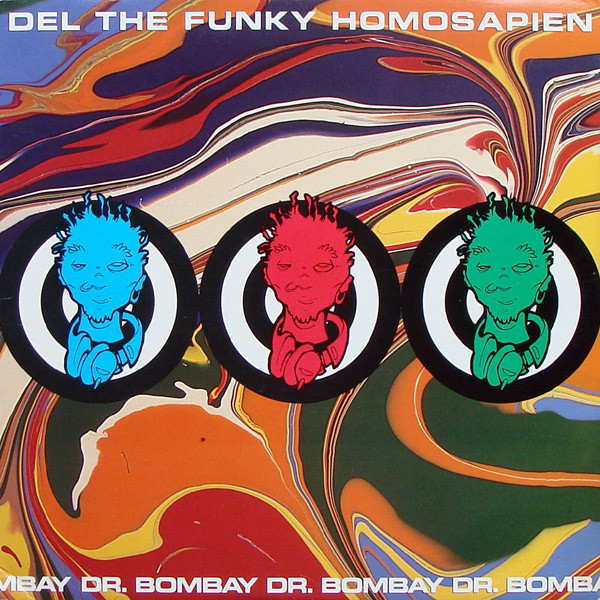
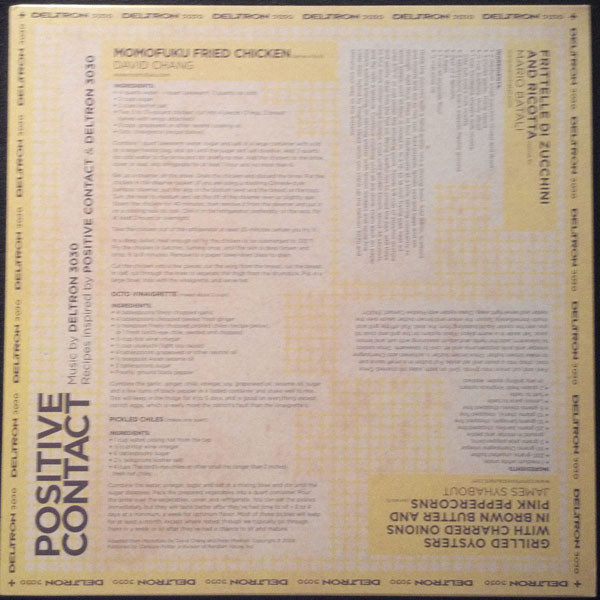
Deltron 3030
A project Del the Funky Homosapien was part of.

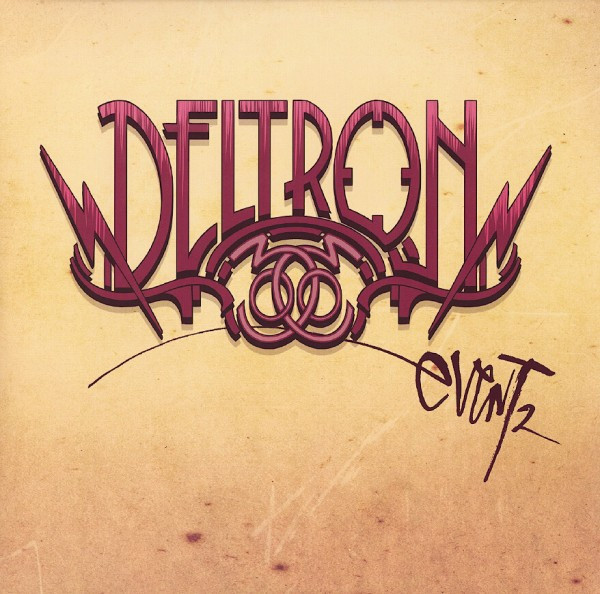

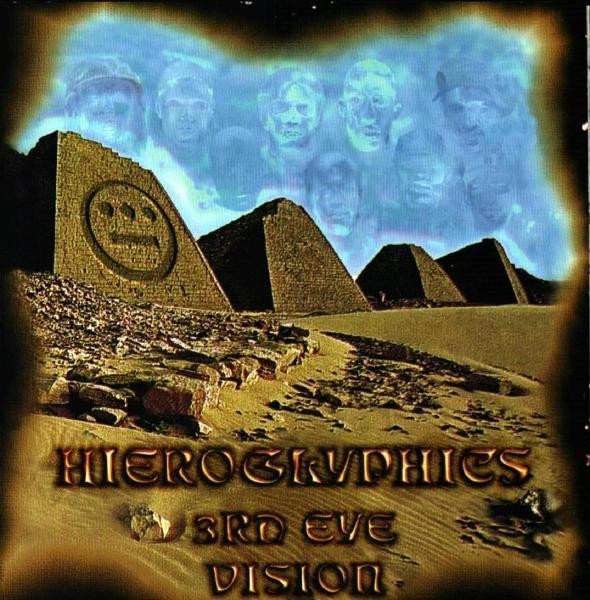
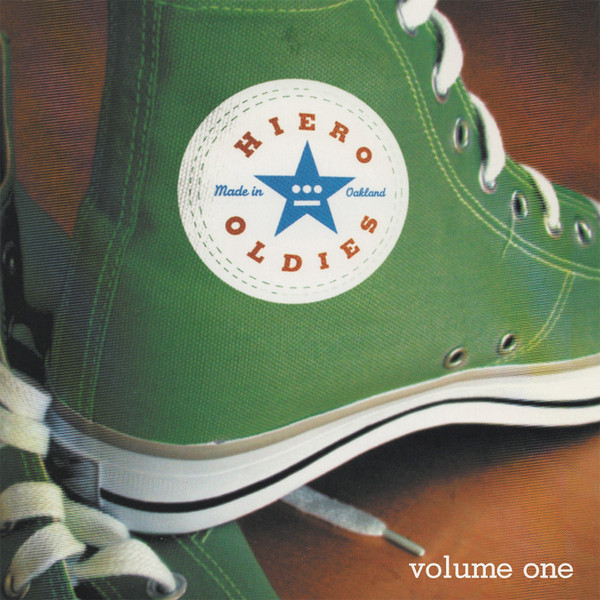
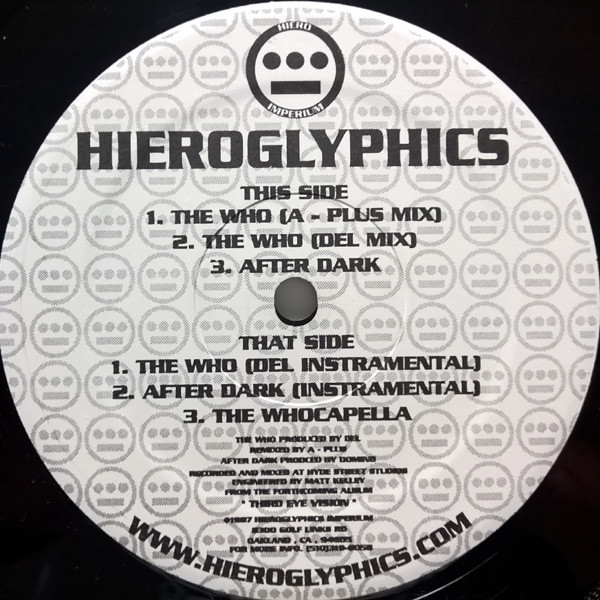
Hieroglyphics
A project Del the Funky Homosapien was part of.

![The Last One [Go The Length] by Hieroglyphics](https://i.discogs.com/W17cdbN_nogpksY646-NGl7ZWMUxFhYUJBPt9zCO-gE/rs:fit/g:sm/q:90/h:600/w:600/czM6Ly9kaXNjb2dz/LWRhdGFiYXNlLWlt/YWdlcy9SLTY0MzQ0/Ni0xMTk2NTQ4NTU2/LmpwZWc.jpeg)
Da Lench Mob
A project Del the Funky Homosapien was part of.


Around the web
Follow every record they touch.
Start your shelf and Gatefold tracks Del the Funky Homosapien's new pressings, tour dates, and the whole discography — automatically.
Start your shelf →Free forever. Works with 10 records or 10,000.