
Artist
Deerhunter
US indie rock band
Atlanta, United States · Formed 2001
Deerhunter is a music group from Atlanta, United States, active since 2001. Their discography on Gatefold includes 9 records.

9
Albums tracked
121
In collections
2001
Since
Biography
Bradford Cox recorded the first Deerhunter album for Stickfigure Records on a Tascam 388, but the tapes were mostly destroyed in a flooded basement. That glitchy, water-damaged start became the band's default setting for years. They spent the mid-2000s in Atlanta balancing massive personal tragedy—like the death of bassist Justin Bosworth in a skating accident—with a relentless output of ambient-punk tape loops. Cox and Lockett Pundt figured out how to make two guitars sound like an entire cathedral of melting plastic by running everything through enough delay pedals to drown out the neighborhood. By the time they got to Halcyon Digest, they were working at Ben Allen's studio with a professional budget, but they still felt like an art project masquerading as a rock band. They’ve always been one bad day away from collapsing into noise or floating off into 4AD-style dream pop. They never quite fit the corporate indie mold because Cox’s personality is too volatile and the music is too rooted in the grime of the Georgia scene. They stayed weird, kept the lineups shifting, and somehow avoided the embarrassing late-career synth-pop pivot that killed off most of their peers.
Bio from The Clerk
The Arc of Deerhunter
The pivots — what forced Deerhunter to reinvent.
The Kranky Shift
After the self-titled debut was largely scrapped, the band signed to Kranky and found their footing with Cryptograms in 2007. The first half of the record is pure ambient texture, while the second half introduces the jagged garage-rock structures that would define their sound. They weren't just a noise band anymore; they were a group that understood how to use the studio as an instrument, largely thanks to the input of bassist Josh Fauver who grounded the chaos.
The 4AD Peak
Moving to 4AD for Microcastle marked a change in clarity where Pundt started taking more vocal leads and the songwriting became less about loops and more about traditional hooks. They tracked the album at Brooklyn's Rare Book Room with Nicolas Vernhes, stripping away the impenetrable reverb to reveal these lean, mid-century pop skeletons. It’s the sound of a band realizing they can write actual radio hits without losing their edge.
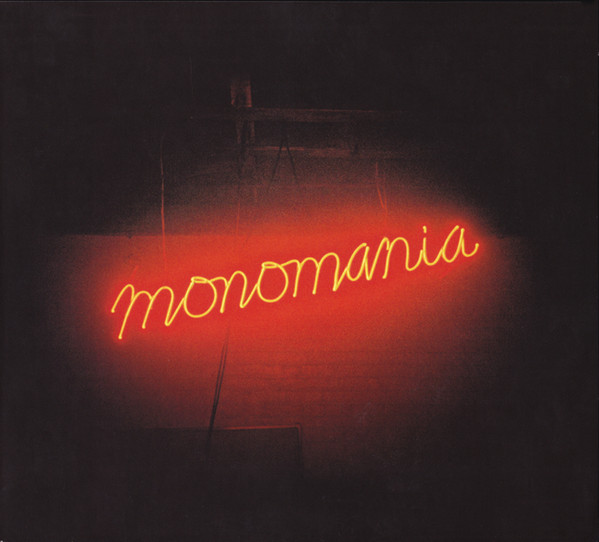
The Monomania Grit
Everything went sideways in 2013 when they moved to Electric Lady Studios to cut Monomania, a record that sounds like it was recorded through a blown-out car speaker. Cox leaned into a confrontational, greasy punk persona, replacing the dream-pop polish with distorted vocals and abrasive distortion. The shift was jarring, but it saved them from becoming too comfortable in the high-fidelity indie world.
Influences
- Stereolab — Cox has cited Dots and Loops as a fundamental influence on his approach to layered percussion. You can hear it in the motorik rhythms and the way Moses Archuleta holds down a steady, repetitive groove while the guitars weave in and out of the mix.
- The Breeders — Kim Deal's influence is all over their bass lines and dry drum sounds, particularly on the record Microcastle. They even toured with the Breeders in 2008, cementing the link between the two bands' versions of skewed American guitar pop.
- Pavement — The band contributed a cover of 'Muzzle of Bees' for a tribute compilation and has frequently referenced Stephen Malkmus’s phrasing. The loose, conversational vocal delivery on tracks like 'Agoraphobia' pulls directly from the Pavement playbook.
- My Bloody Valentine — Cox frequently mentions Kevin Shields's 'glide guitar' technique as the blueprint for Deerhunter's early wall-of-sound era. You hear the direct lineage in the shimmering, pitch-bent feedback of the Cryptograms sessions.
- The Everly Brothers — Despite the noise, Deerhunter's core is rooted in 1950s vocal harmonies and songwriting structures. Cox has stated that the melodic simplicity of the Everly Brothers was the target for the clearer, more pastoral moments on Halcyon Digest.
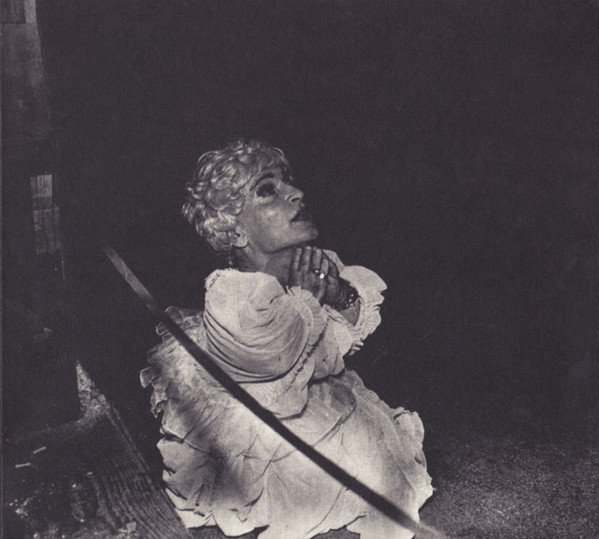
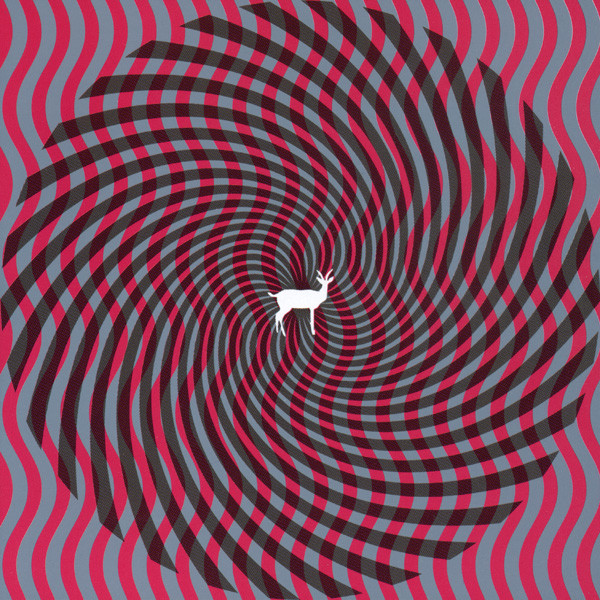
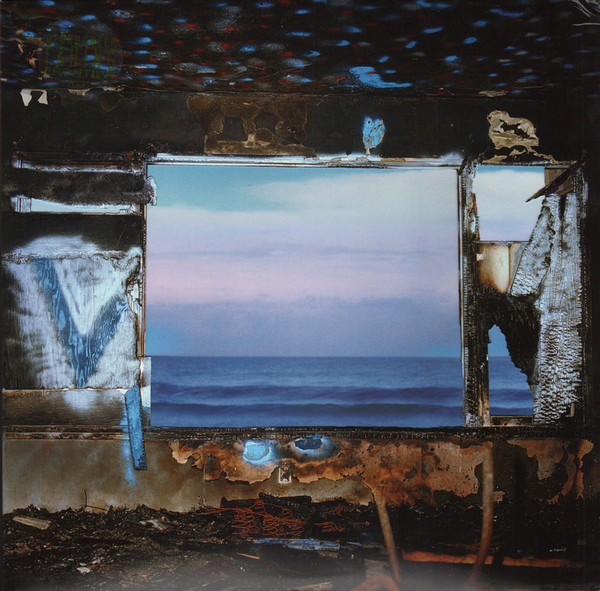
Discography
Their records — most-collected first.




Related artists
Frequent collaborators
Around the web
Follow every record they touch.
Start your shelf and Gatefold tracks Deerhunter's new pressings, tour dates, and the whole discography — automatically.
Start your shelf →Free forever. Works with 10 records or 10,000.