
Artist
Dee Dee Bridgewater
Memphis, United States · b. 1950
Dee Dee Bridgewater is a musician from Memphis, United States, active since 1950. Their discography on Gatefold includes 17 records.

17
Albums tracked
5
In collections
1950
Since
Biography
Dee Dee cut Afro Blue in Tokyo in '74 with the Thad Jones/Mel Lewis Orchestra rhythm section and Cecil McBee on bass. It’s a holy grail record because she wasn’t trying to be a pop star yet. She was just a powerhouse singer fronting a heavy post-bop quartet in a room that actually understood acoustics. The title track is an absolute masterclass in phrasing that most vocalists would sell their soul to pull off. Then the late '70s hit and Elektra tried to turn her into a disco-funk queen. Just Family and Bad for Me are weird artifacts where you can hear the label polish fighting against her natural jazz instincts. It didn’t stick. She ended up decamping to France in the '80s because the U.S. industry didn't know what to do with a Black woman who could out-swing every session player on the payroll. It saved her career. By the time she came back to Verve in the '90s, she was calling the shots and producing herself, which is when she finally started hitting her stride with the tribute records.
Bio from The Clerk
The Arc of Dee Dee Bridgewater
The pivots — what forced Dee Dee Bridgewater to reinvent.
The Thad Jones/Mel Lewis Years
She got her start fronting the most sophisticated big band in New York during their Village Vanguard residency. Being the only vocalist in a room full of elite horn players forced her to use her voice like a lead instrument rather than just a frontwoman. You hear this on those early live recordings where she’s navigating complex charts with a precision that most singers wouldn't even attempt. It laid the foundation for the technical fearlessness she carried into her solo debut in Japan.
The Elektra Disco Detour
In the late '70s, the industry pushed her toward the R&B charts, bringing in producers like Stanley Clarke and George Duke. Records like Bad for Me were aimed squarely at the dance floor, trading the jazz club for heavy synths and thumb-popping bass lines. While her voice is still top-tier, the production feels like it's trying to cage her in. This era ended with her walking away from the American machine entirely to find oxygen in Europe.
The Verve Self-Determination
Moving to France allowed her to reset and eventually sign with Verve, where she began a run of conceptual tribute albums that weren't just covers. She tracked Love and Peace with Horace Silver himself, and Dear Ella won her Grammys by stripping away the commercial fluff. She wasn't just a singer anymore; she was a producer and a scholar of the form. These records sound like someone who finally doesn't have to ask for permission to be a jazz musician.
The Global Homecoming
She eventually moved past the American songbook to track Red Earth in Bamako, Mali, blending her jazz roots with West African kora and percussion. Working with local musicians like Toumani Diabaté, she bridged the gap between the blues and its ancestors in a way that felt academic but played heavy. It signaled a shift toward more personal, heritage-based projects, eventually leading her back to her birthplace for the Memphis…Yes, I’m Ready sessions. This was the full circle, ditching the Parisian polish for the grit of Royal Studios.
Influences
- Ella Fitzgerald — Bridgewater dedicated the entire Dear Ella album to her and mimicked her scatting technique with surgical precision. You hear it in the rhythmic bounce of her delivery and her ability to improvise across three octaves without losing the melody. She took Ella's technical blueprint and added a sharper, more modern edge.
- Horace Silver — She toured with him in the '70s and eventually produced Love and Peace: A Tribute to Horace Silver with him playing on the tracks. His hard-bop compositions gave her the aggressive, bluesy structures she needed to move away from pop balladry. The grit in her mid-range comes straight from Silver’s soulful, percussive piano style.
- Billie Holiday — Dee Dee starred as Billie in the play Lady Day and recorded the tribute album Eleanora Fagan as a direct response to that experience. She avoids the typical imitation, instead focusing on the way Holiday manipulated behind-the-beat phrasing. It’s most obvious in her slower, more vulnerable ballads where she lets the notes fray at the edges.
- Sarah Vaughan — Bridgewater has frequently cited 'Sassy' as a primary vocal influence, particularly regarding her operatic range and low-register control. You hear this in the way she dives into her chest voice during live improvisations on 'All of Me.' It’s the kind of vocal depth that only comes from studying Vaughan’s controlled vibrato.
- Duke Ellington — She cut Prelude to a Kiss in 1996 to explore the complexity of Ellington’s arrangements. His sophisticated sense of harmony informs how she picks her session players and how she structures her own vocal harmonies. She treats his catalog like a textbook for how to balance elegance with raw swing.
Discography
Their records — most-collected first.
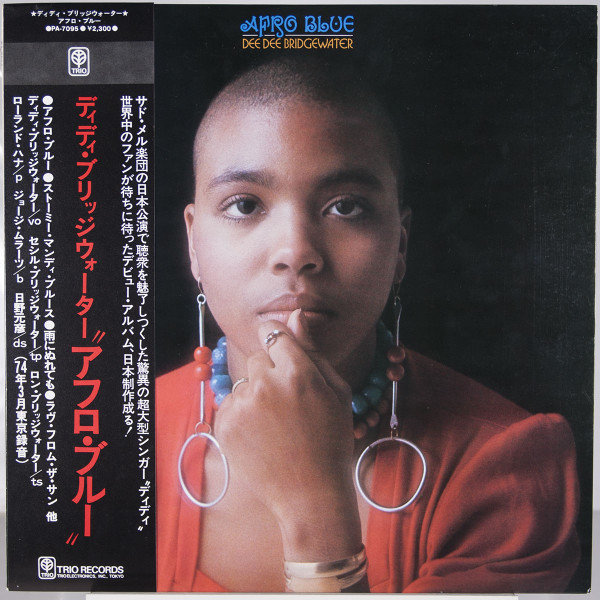
Afro Blue
1974

Memphis... Yes, I'm Ready
2017

Just Family
1978

Dee Dee Bridgewater
1976

Red Earth - A Malian Journey
2007

J'Ai Deux Amours
2005
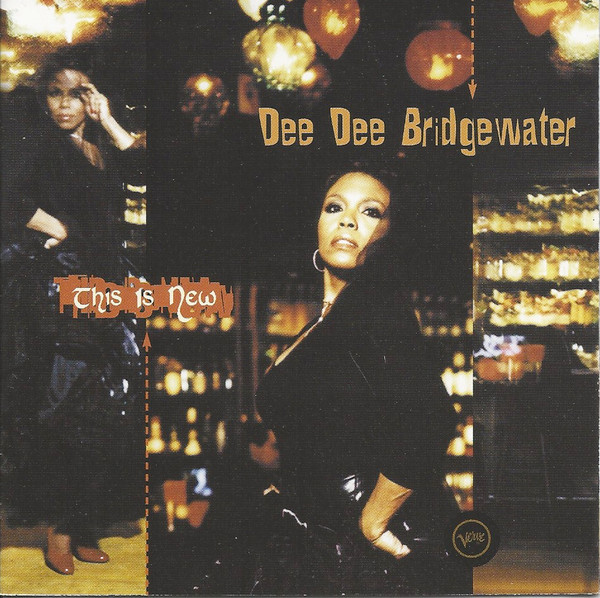
This Is New
2002
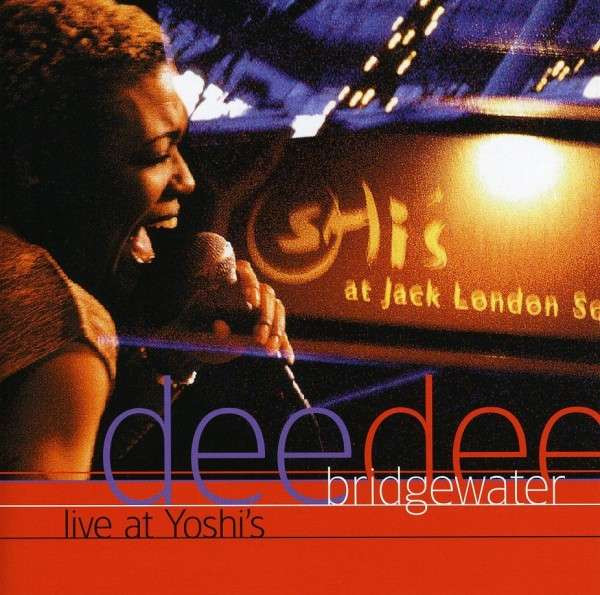
Live At Yoshi's
2000

Dear Ella
1997
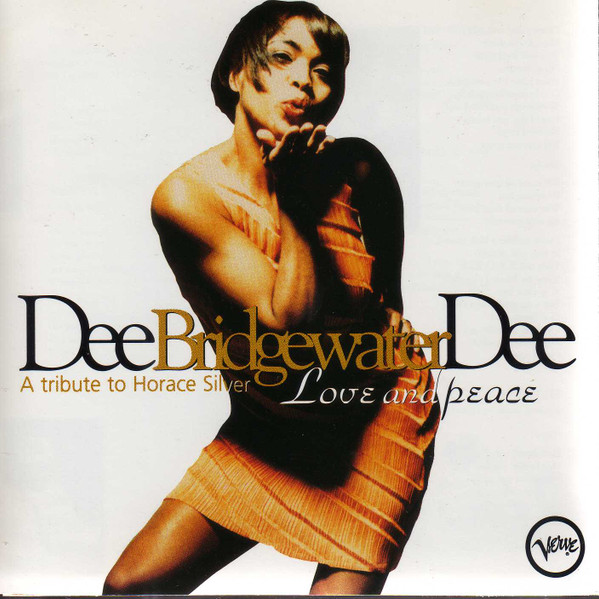
Love And Peace - A Tribute To Horace Silver
1995

All Of Me
1992

Precious Thing
1989
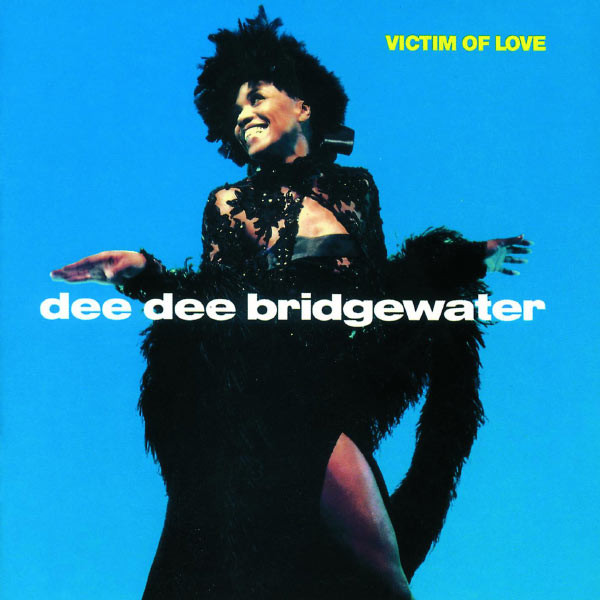
Victim Of Love
1989
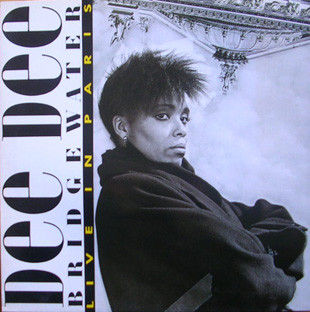
Live In Paris
1987

Bad For Me
1979

Bad For Me
1979

Keeping Tradition
Related artists
Around the web
Follow every record they touch.
Start your shelf and Gatefold tracks Dee Dee Bridgewater's new pressings, tour dates, and the whole discography — automatically.
Start your shelf →Free forever. Works with 10 records or 10,000.