
Artist
Death
Orlando, United States · 1984 – 1998
Death is a music group from Orlando, United States, active 1984–1998. Their discography on Gatefold includes 13 records.

13
Albums tracked
375
In collections
1984
Since
Biography
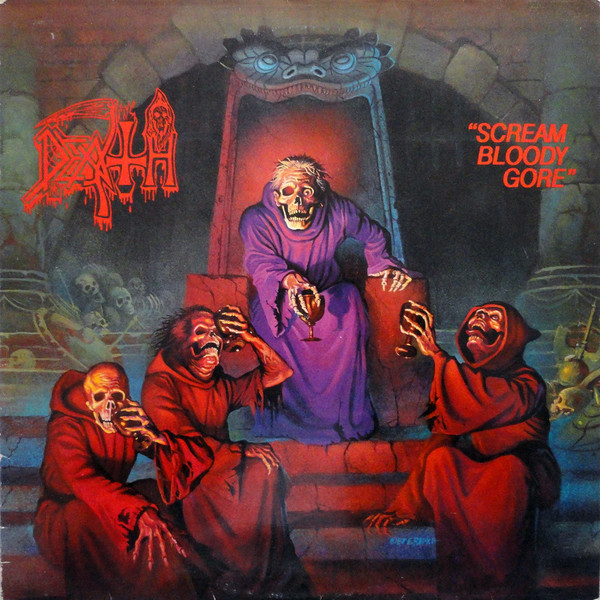
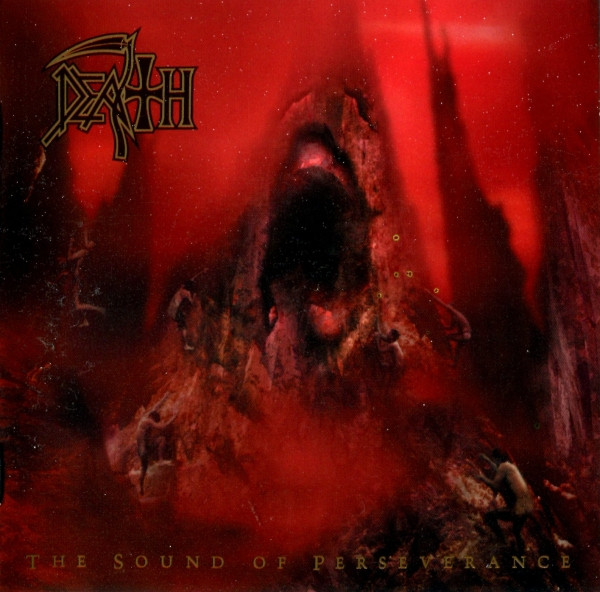
Chuck Schuldiner cut Scream Bloody Gore in a dirt-cheap Florida garage run with Chris Reifert before flying out to Music Grinder in Hollywood to track the final takes. The whole thing ran on a beat-up B.C. Rich Stealth, a Marshall valvestate rig, and sheer spite against the hair-metal wave choking the airwaves in '87. It was crude, gory, and sounded like it was dredged out of a swamp, but it gave extreme metal a completely new vocabulary overnight. Then Chuck got bored of the splatter-flick lyrics and fired practically everyone he played with every two years. He dragged jazz fusion chops into blast beats, hiring ringers from Cynic, Sadus, and King Diamond to turn Death from a basement gorefest into a high-art clinic. By the time The Sound of Perseverance landed in '98, Chuck had practically abandoned the guttural growl for a glass-shattering shriek and turned a Judas Priest cover into an absolute masterclass. Metal purists bitched about the technical pivot, but nobody else in Florida had the guts or the chops to pull it off.
Bio from The Clerk
The Arc of Death
The pivots — what forced Death to reinvent.
The Tampa Gore Blueprint
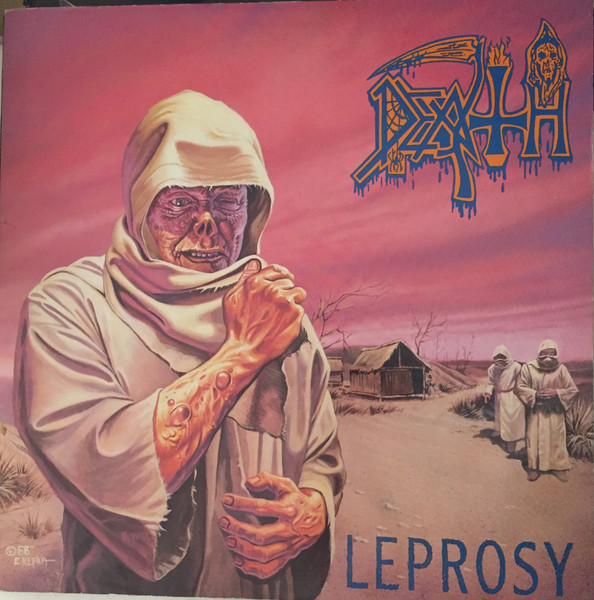
Chuck Schuldiner teamed up with Chris Reifert and later Rick Rozz to drag underground tape trading into the daylight with Scream Bloody Gore and Leprosy. Cut under the suffocating humidity of Florida with producer Scott Burns at Morrisound, these records established the raw, chugging template for early extreme metal. The lyrics were pure VHS horror trash, but the down-tuned riffs and breakneck snare work gave birth to a whole subgenre. It was fast, savage, and deliberately ugly.
The Morrisound Tech-Death Cleanse
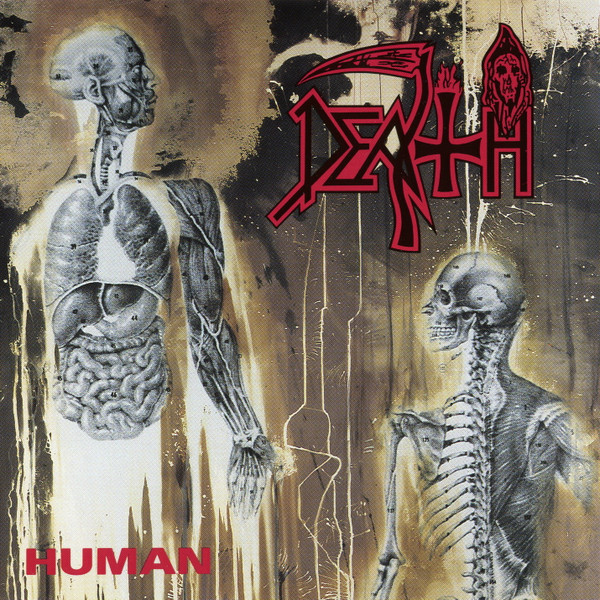
Tired of the splatter tropes and feuding with his touring bandmates, Chuck gutted the lineup and hired Cynic visionaries Paul Masvidal and Sean Reinert alongside Sadus bassist Steve DiGiorgio to record Human. Scott Burns dialled in a razor-sharp, clinical production at Morrisound that left zero room for sloppy playing. The result was a radical pivot into odd meters, fretless bass runs, and philosophical lyrics that completely broke away from the genre's primitive roots. You hear the shift instantly in the syncopated sync-stops on 'Flattening of Emotions.'
The Progressive Metal Zenith
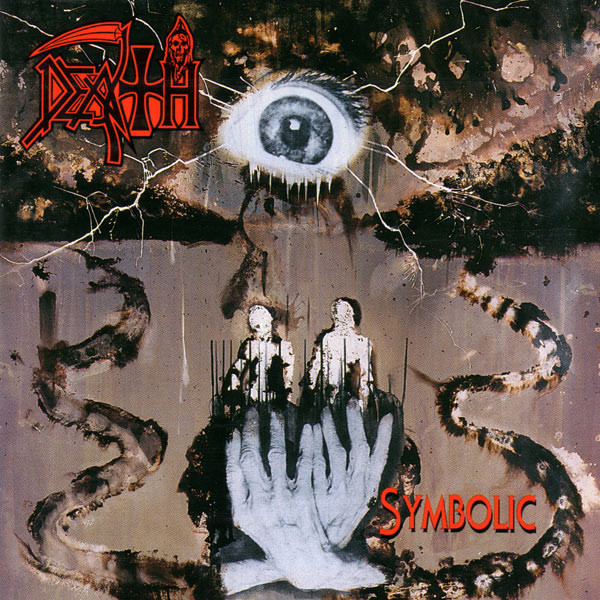
By the mid-'90s, Chuck moved Death to Roadrunner and then Nuclear Blast, bringing in heavyweights like Gene Hoglan and Andy LaRocque to chase a polished, power-prog sound on Symbolic and The Sound of Perseverance. The guttural barks became an upper-register wail, the guitar solos turned into neoclassical tapestries, and the tempos stretched into sweeping, complex epics. He was practically writing for his power-metal side project Control Denied by then, pushing death metal to the absolute outer limit of technicality before his death in 2001.
Influences
- Venom — Chuck constantly cited Welcome to Hell and Black Metal as the records that made him want to play extreme, ugly music in the first place. You hear Cronos's chaotic riff drive stamped all over the early Mantas and Death rehearsal tapes from '84. It set the baseline for his early sonic extremity.
- Possessed — Chuck famously praised Possessed's 1985 debut Seven Churches as the benchmark for genuine heavy-as-hell thrash and openly credited Jeff Becerra's vocal style as a massive wake-up call. The abrasive lyrical cadence on Scream Bloody Gore directly mirrors Becerra's rasping delivery. It showed Chuck how fast and hostile a four-piece could actually sound.
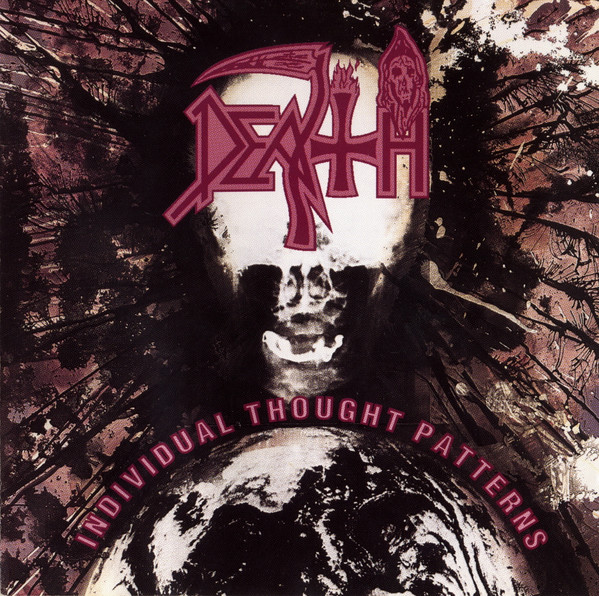
- Judas Priest — Chuck worshipped Glenn Tipton and K.K. Downing, which culminated in Death covering 'Painkiller' track-for-track on The Sound of Perseverance. The dual-lead guitar harmonies throughout Symbolic and Individual Thought Patterns are straight out of the Priest playbook. It was the blueprint for his relentless melodic counterpoint.
- Slayer — Show No Mercy and Haunting the Chapel were regular fixtures on Chuck's turntable during the tape-trading era, shaping his pick-scraping speed and tremolo picking. You hear Kerry King and Jeff Hanneman's chaotic, chromatic scale abuse all over the solos on Leprosy. Slayer proved that speed didn't have to sacrifice razor-sharp rhythm.
- Mercyful Fate — Chuck regularly cited Hank Shermann and Michael Denner's songwriting as a massive influence, eventually hiring King Diamond guitarist Andy LaRocque for the Individual Thought Patterns sessions. The neoclassical, minor-key trade-off solos across Death's mid-90s catalog owe everything to Mercyful Fate's intricate arrangements. It gave Chuck the structural roadmap to transcend basic thrash.
Discography
Their records — most-collected first.


Related artists
Around the web
Follow every record they touch.
Start your shelf and Gatefold tracks Death's new pressings, tour dates, and the whole discography — automatically.
Start your shelf →Free forever. Works with 10 records or 10,000.