
Artist
Death Cab for Cutie
Western Washington University, United States · Formed 1997
Death Cab for Cutie is a music group from Western Washington University, United States, active since 1997. Their discography on Gatefold includes 24 records.

29
Albums tracked
468
In collections
1997
Since
Biography
Ben Gibbard tracked the first cassette, You Can Play These Songs With Chords, on a four-track recorder as a solo project while he was still playing guitar for Pinwheel. It was never supposed to be a career. It was just a bedroom recording hobby until Chris Walla stepped in as the architect, turning a lo-fi solo act into a focused, tight-knit ensemble that defined the Pacific Northwest indie sound for a decade. They weren't just another emo band; they were the guys who brought a literary, obsessively detail-oriented production style to the genre, mostly because Walla was a genius in the studio who knew how to make a standard guitar riff sound like a transmission from a satellite. Then the Atlantic money showed up and things got weird. Plans and Narrow Stairs turned them into a stadium-sized machine, but the polish started to rub the grit off the gears. They hit a wall after Walla decided to bail during the Kintsugi sessions, leaving the band to figure out who they were without their primary sonic engine. It took them a minute to find their footing again, but bringing in Dave Depper and Zac Rae eventually stopped the bleeding. They traded the insular, DIY basement vibes for a more expansive, professional architecture that actually manages to sound like a band again instead of a frontman and his backing tracks.
Bio from The Clerk
The Arc of Death Cab for Cutie
The pivots — what forced Death Cab for Cutie to reinvent.
The Barsuk Lo-Fi Years
Between Something About Airplanes and The Photo Album, the band operated as a scrappy unit defined by Chris Walla’s production at Hall of Justice. You hear it in the dry, uncompressed drums and the way Gibbard’s vocals sit right in your ear without any major-label shimmer. These records were the sound of a specific Pacific Northwest scene—understated, rhythmic, and grounded in the reality of small rooms. The transition peaked with Transatlanticism, a massive record that proved they could do grandiosity without losing the intimacy of those early Hall of Justice sessions.
The Major Label Shift
Moving to Atlantic for Plans changed the stakes and the sonics, pushing the band toward a high-fidelity sheen that aimed for the back of the arena. Working in bigger studios meant the quirks of their early records were smoothed out in favor of a massive, clean sound that polarized the basement-show purists. While Narrow Stairs tried to inject some of that old darkness back in—specifically with the nearly nine-minute sprawl of 'I Will Possess Your Heart'—the era was defined by a polished professionalism that prioritized the hook over the happy accidents of their indie days.
The Post-Walla Rebuild
When Chris Walla announced his departure during the recording of Kintsugi, it forced a total identity crisis for a band that had relied on him as their producer and guitarist since 1997. They had to bring in outside producers like Rich Costey to help bridge the gap and eventually filled the hole by hiring Dave Depper and Zac Rae as full-time members. This move transformed Death Cab from a four-piece focused on a single producer’s vision into a five-piece that operates with a much wider, more atmospheric pallet. You can hear the change on Asphalt Meadows, where the textures are more aggressive and the song structures feel less like a predictable indie-rock formula.
Influences
- Built to Spill — Gibbard has frequently cited Doug Martsch’s guitar arrangements as the primary blueprint for the early Death Cab sound. You hear it in the interlocking, melodic guitar lines on Something About Airplanes that prioritize texture over simple power chords. It’s the DNA of the Pacific Northwest indie scene distilled into their songwriting.
- The Smiths — The band famously covered 'This Charming Man' and Gibbard has noted Johnny Marr’s jangle as a huge influence on his rhythmic playing style. The lyrical focus on mundane, specific heartbreak paired with bright, uptempo guitar work is a direct lineage from Morrissey and Marr. It’s that exact tension between sad words and upbeat melodies.
- The Notwist — The glitchy, electronic undercurrents on records like The Photo Album and Transatlanticism were heavily informed by the German band’s album Neon Golden. You hear the influence in the way they started integrating programmed beats and subtle synth pulses into their standard rock lineup. It’s what kept them from sounding like a generic college rock band.
- Guided by Voices — The early lo-fi output on You Can Play These Songs With Chords was a direct response to the prolific, home-recorded aesthetic of Robert Pollard. Gibbard has praised their ability to write perfect pop songs that sound like they were recorded in a tin can. That 'recorded in the bedroom' honesty remained the core of the band's identity even after they moved to big studios.
- Elliott Smith — Death Cab toured with Smith in the late 90s, and his meticulous, double-tracked vocal style became a permanent fixture in Gibbard’s recording process. The hushed, vulnerable delivery on a track like 'I Will Follow You into the Dark' is a straight line back to the intimacy of Smith’s early solo records. It’s the sound of a guy who knows how to make a room go silent.
Discography
Their records — most-collected first.
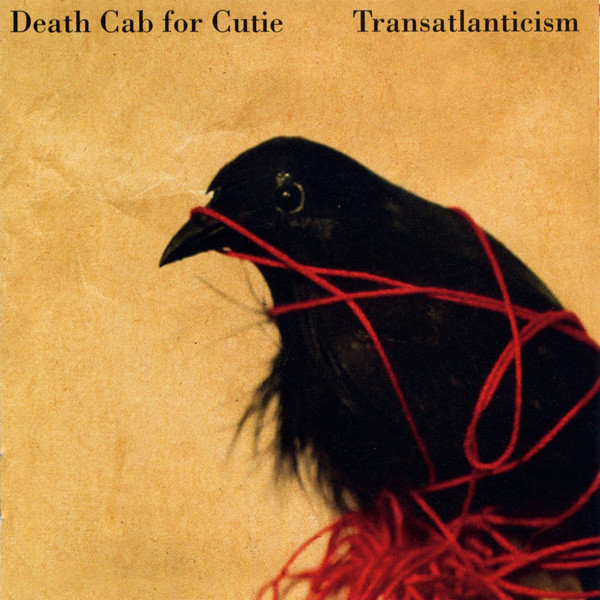
Transatlanticism
2003
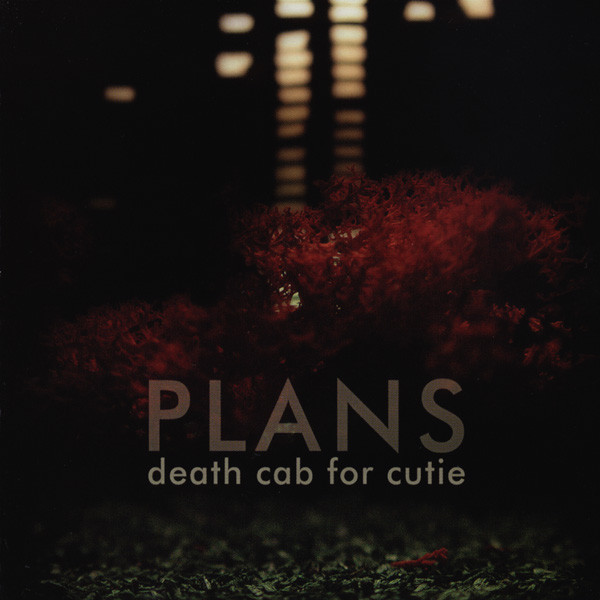
Plans
2005
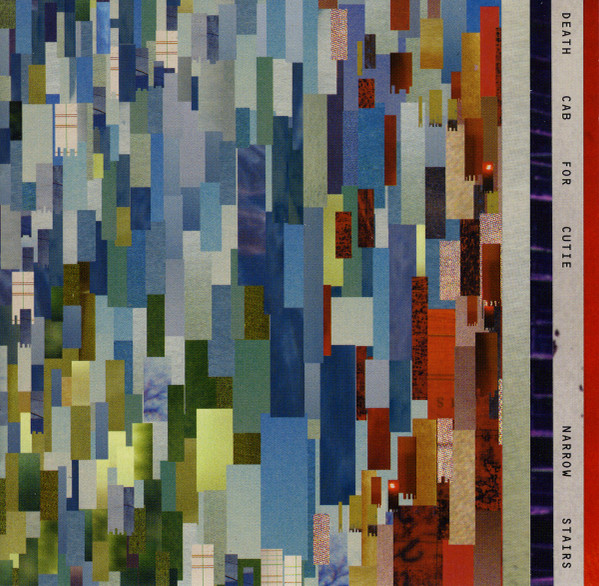
Narrow Stairs
2008

We Have The Facts And We're Voting Yes
2000
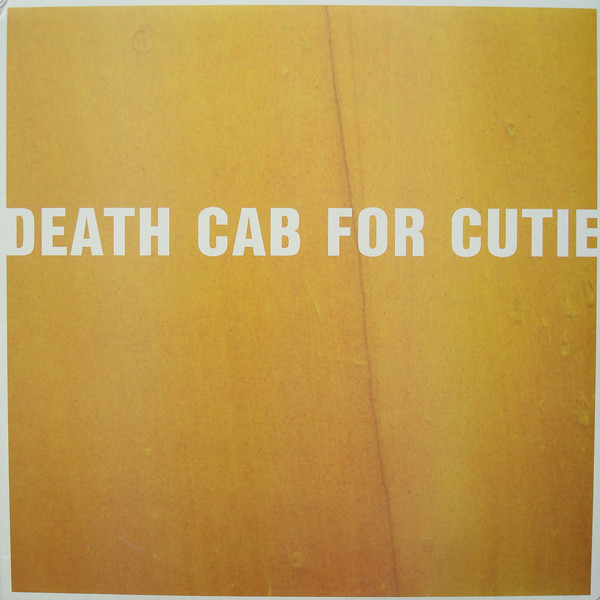
The Photo Album
2001

Something About Airplanes
1998

I Built You A Tower
2026

Thank You For Today
2018

Kintsugi
2015
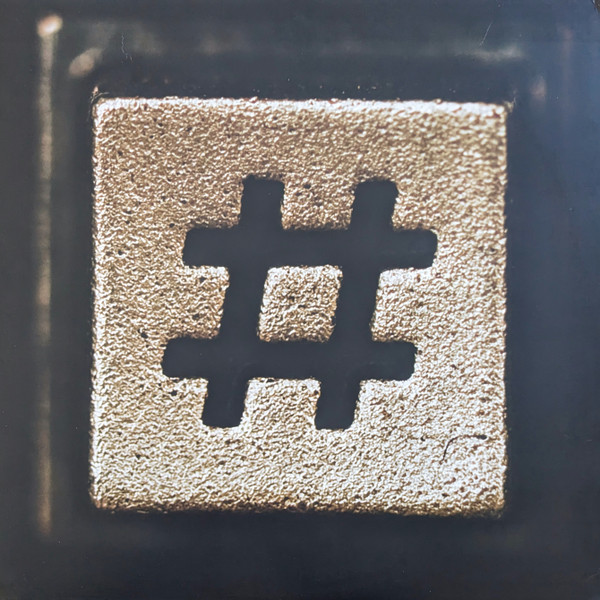
Codes And Keys
2011
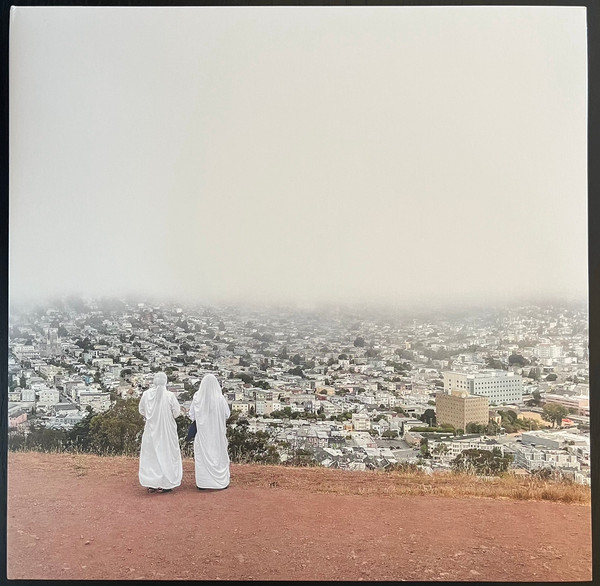
Asphalt Meadows
2022
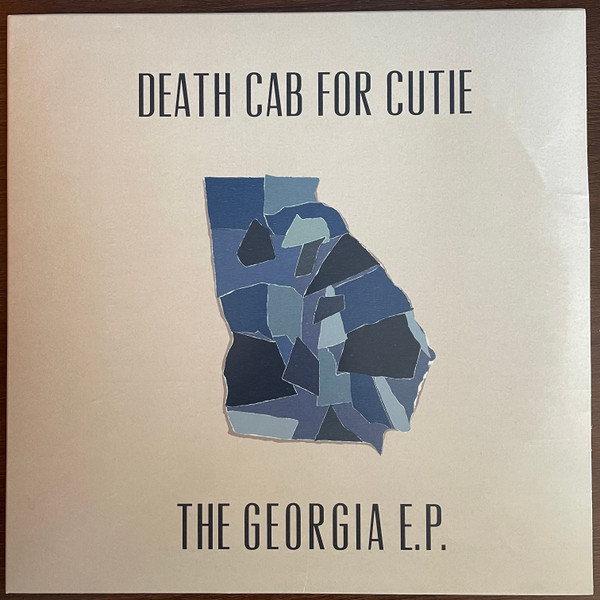
The Georgia E.P.
2021

The Open Door EP
2009

The Blue EP
2019
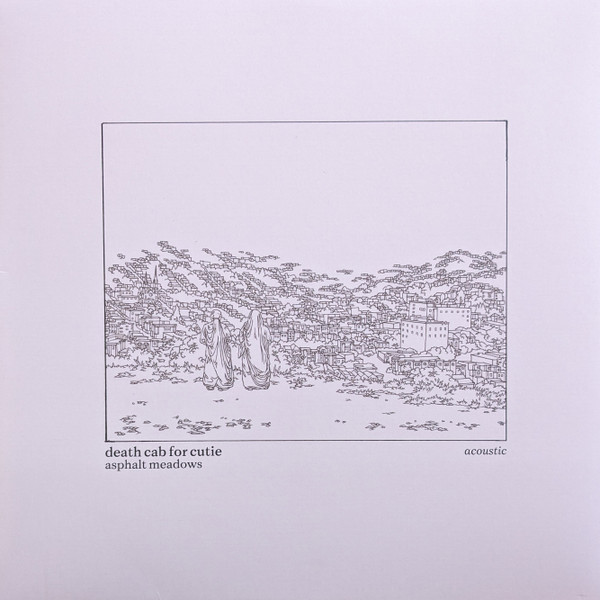
Asphalt Meadows (Acoustic)
2023

You Can Play These Songs With Chords
1997

Live 2012
2014

Soul Meets Body
2005
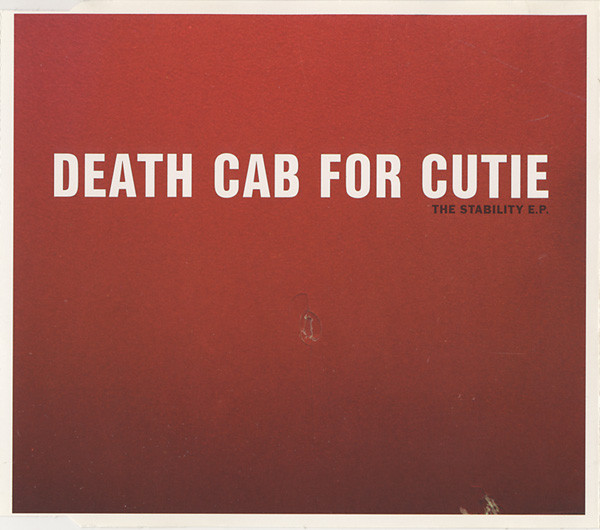
The Stability E.P.
2002
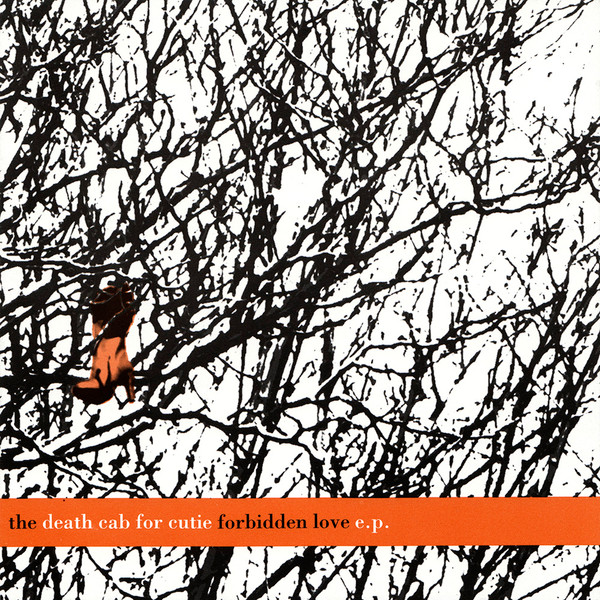
The Death Cab For Cutie Forbidden Love E.P.
2000
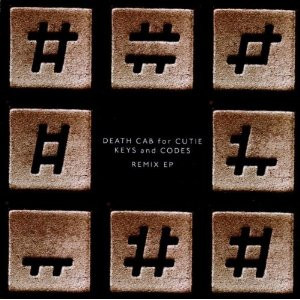
Keys And Codes Remix EP
2011
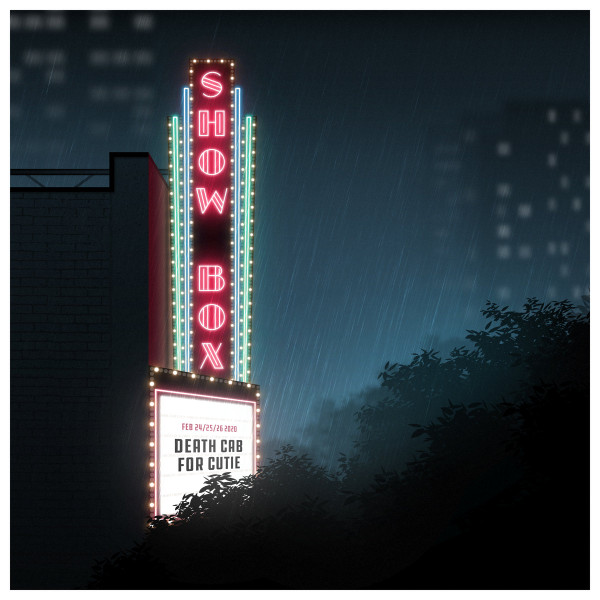
Live At The Showbox
2021
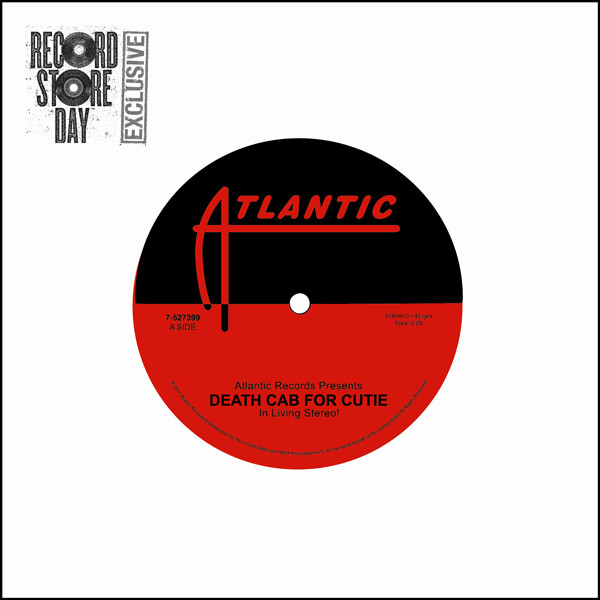
In Living Stereo!
2011
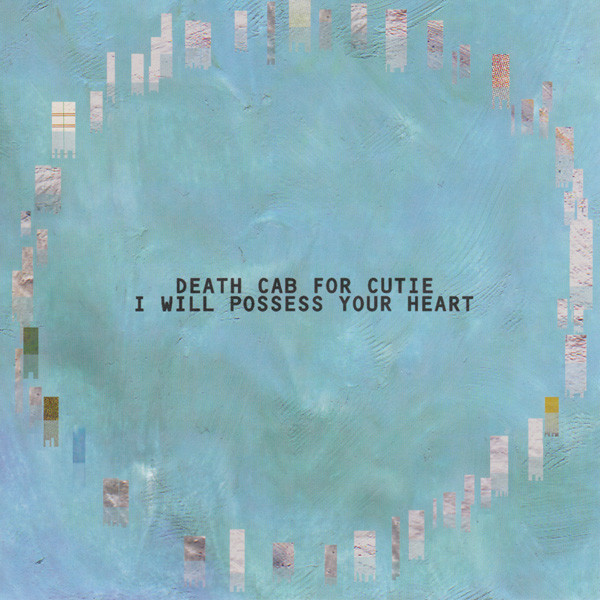
I Will Possess Your Heart
2008
Related artists
Around the web
Follow every record they touch.
Start your shelf and Gatefold tracks Death Cab for Cutie's new pressings, tour dates, and the whole discography — automatically.
Start your shelf →Free forever. Works with 10 records or 10,000.