
Artist
Dead Can Dance
Australian musical project
Melbourne, Australia · Formed 1981
Dead Can Dance is a music group from Melbourne, Australia, active since 1981. Their discography on Gatefold includes 24 records.

30
Albums tracked
151
In collections
1981
Since
Biography
Lisa Gerrard and Brendan Perry walked into Ivo Watts-Russell’s office in 1983 with a demo tape that sounded like a post-punk funeral held in a Melbourne basement. They were living in a council flat in London, broke as hell, and sharing a label with the Cocteau Twins. The early stuff is all jagged guitars and Joy Division worship, but you can hear the moment they realized they didn't belong in a club. They ditched the traditional band setup and started chasing something that sounded like it had been buried in a cathedral for six hundred years. They didn't just stumble into that world-music-goth hybrid. It was a cold-blooded pivot away from the '80s drum machine obsession. Perry started obsessing over the yangqin and medieval hurdy-gurdies while Gerrard developed a vocal language that wasn't actually a language at all. By the time they hit the '90s, they weren't even a rock band anymore. They were a two-person traveling museum of dead sounds, and if you can get past the occasionally thick layer of incense and pretension, the musicianship is fucking undeniable.
Bio from The Clerk
The Arc of Dead Can Dance
The pivots — what forced Dead Can Dance to reinvent.
The 4AD Post-Punk Years
The self-titled debut was a mess of chorus pedals and Paul Erikson’s driving basslines that felt like a direct response to The Birthday Party. They were trying to fit the London gothic mold but the fit was tight and awkward. You can hear Perry struggling to find his voice over the wall of jangle and Simon Monroe’s standard kit drumming. It’s the sound of a band realizing that the standard rock quartet format was a cage they needed to break out of immediately.
The Neoclassical Shift
Spleen and Ideal changed everything when they traded the guitars for cellos, kettledrums, and a pipe organ. Recording at Woodbine Street Studios with John A. Rivers, they stopped trying to be a band and started acting like composers. This era is defined by Within the Realm of a Dying Sun, where the duo split the record into two distinct halves to showcase their divergent styles. It’s where the 'DCD sound' actually begins—monastic, heavy on the reverb, and completely detached from 1987.
The Quivvy Church Sessions
When Perry moved into a decommissioned church in Ireland called Quivvy, the music became more insular and rhythmically complex. Recording Into the Labyrinth as a duo without a full backing band allowed them to lean into Middle Eastern scales and more aggressive percussion. They replaced the orchestral pomp with a dry, intimate woodwind and hand-drum feel that peaked on Spiritchaser. This was the commercial high-water mark, trading the cathedral vibes for a globalist rhythm session that eventually burned the partnership out.
Influences
- Joy Division — Brendan Perry has explicitly cited Ian Curtis's baritone as the blueprint for his own early vocal delivery. You can hear it all over the 1984 debut, specifically on tracks like 'A Passage in Time' where the gloom is thick and the bass is high in the mix. It’s the foundational DNA they had to strip away to find their own sound.
- Public Image Ltd — The dub-heavy bass and abrasive textures of Metal Box influenced the way Perry approached the low end in the early Melbourne sessions. The track 'The Fatal Impact' uses that same dissonant, repetitive post-punk stomp that Jah Wobble mastered. It gave their early goth experiments a skeletal, industrial backbone.
- Can — The band’s approach to ethnomusicology and repetitive, hypnotic rhythms was heavily informed by Holger Czukay’s 'ethnological forgery' concepts. Perry and Gerrard utilized this same spirit of cultural collage when they started blending Bulgarian choral styles with African percussion. You hear the krautrock influence in the way they lock into a single, trancelike groove for six minutes at a time.
- The Velvet Underground — Perry has noted Nico's solo work, specifically The Marble Index, as a key reference for their darker, harmonium-led pieces. The stark, uncompromising coldness of Nico's 'Frozen Warnings' is the direct ancestor to the atmosphere on Spleen and Ideal. Both acts treated the harmonium like a sacred, terrifying instrument.
- Faust — The industrial clatter and found-sound experimentation of early Faust resonated with the duo during their formative years in the Australian underground. That avant-garde willingness to use non-musical objects for percussion shows up in the weird, metallic clangs scattered throughout the Garden of the Arcane Delights EP. It kept them from becoming too polished when the budget finally increased.
Discography
Their records — most-collected first.
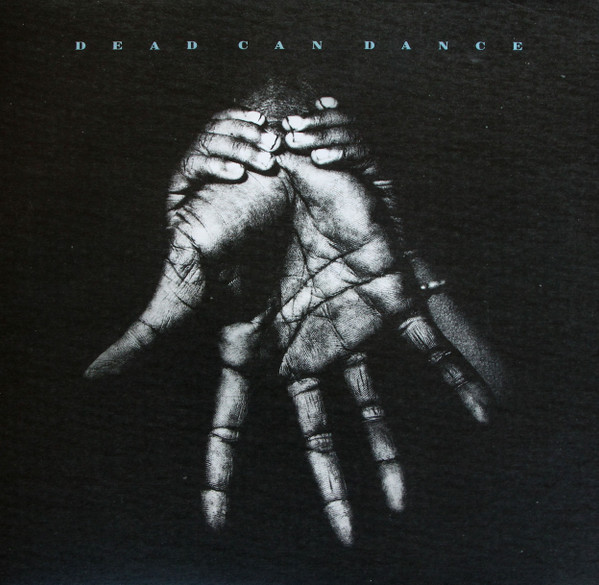
Into The Labyrinth
1993
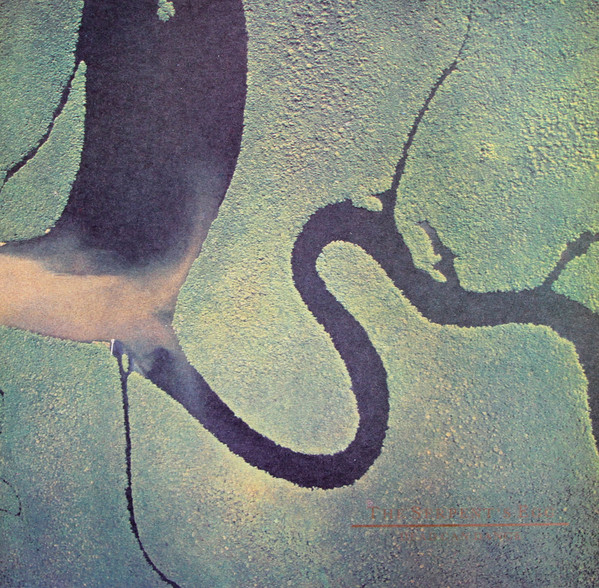
The Serpent's Egg
1988
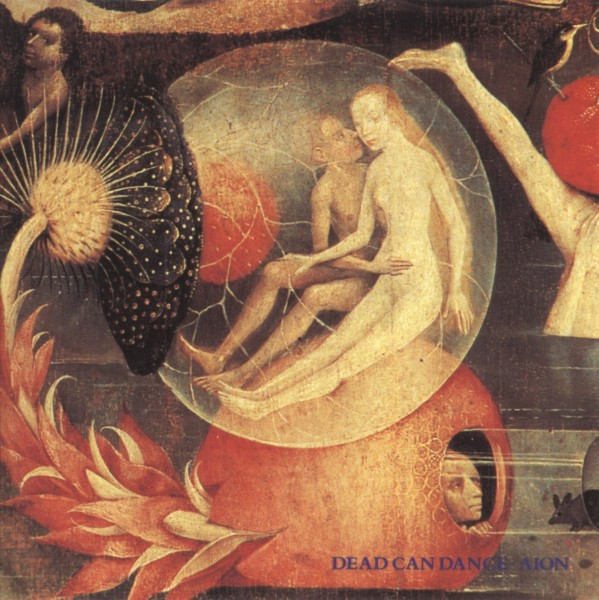
Aion
1990
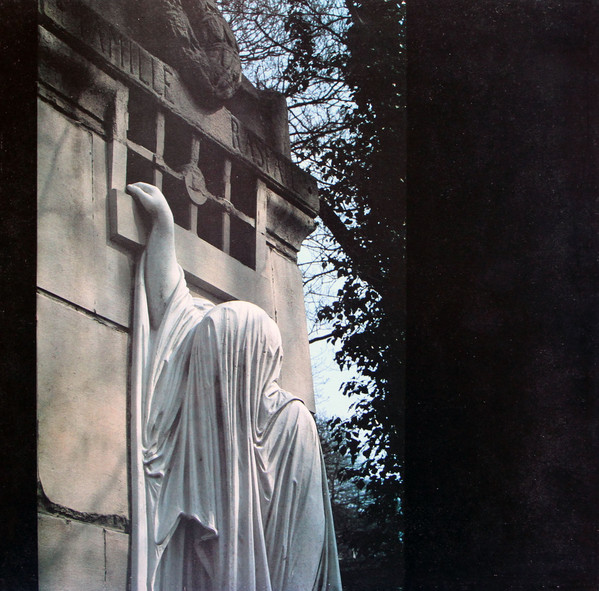
Within The Realm Of A Dying Sun
1987
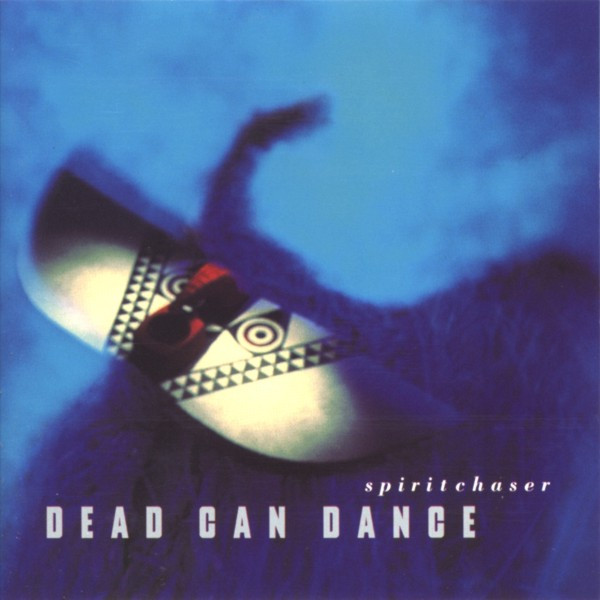
Spiritchaser
1996
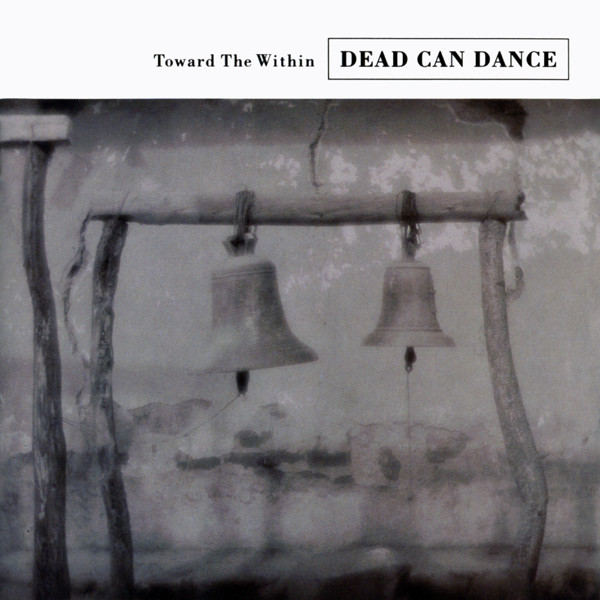
Toward The Within
1994
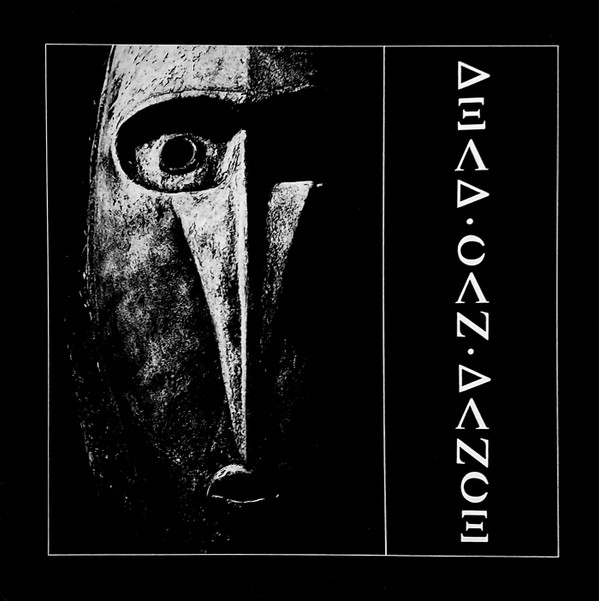
Dead Can Dance
1984
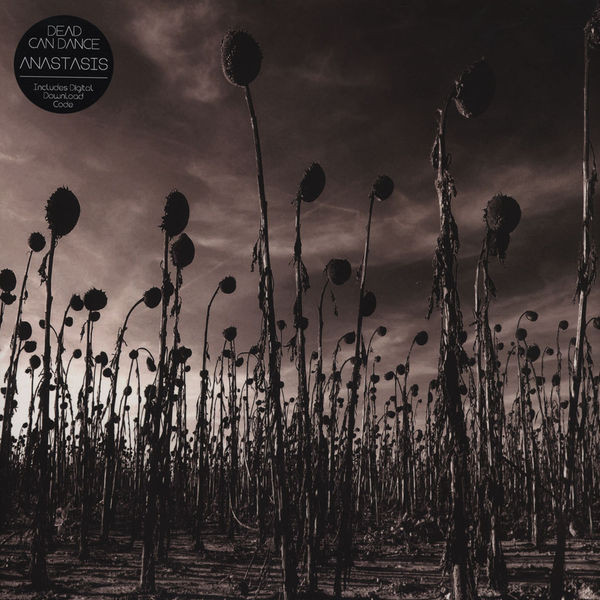
Anastasis
2012
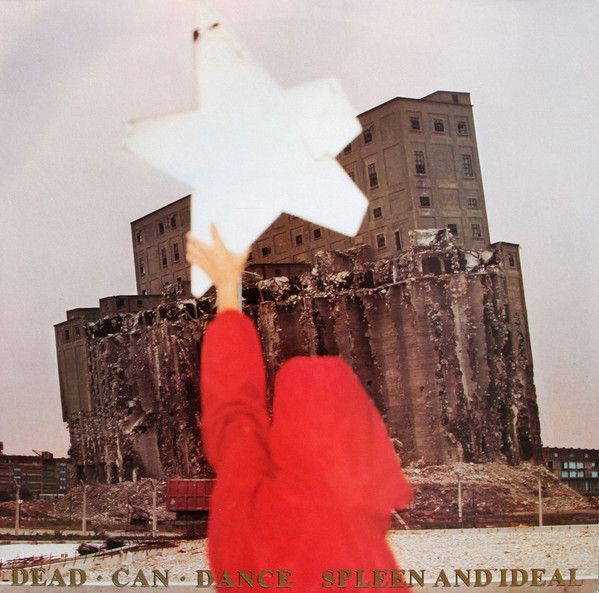
Spleen And Ideal
1985

A Passage In Time
1991
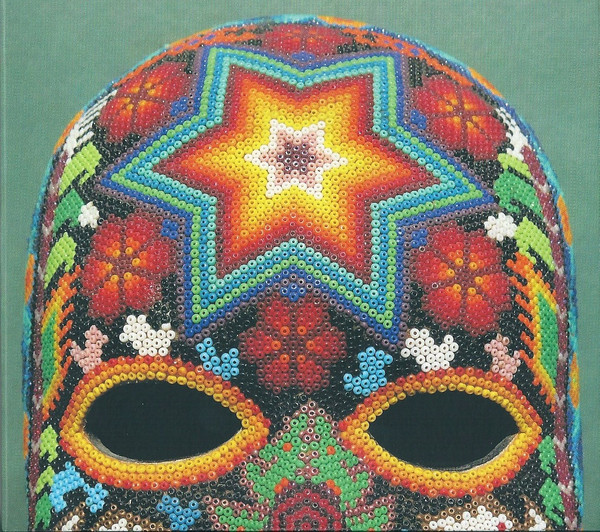
Dionysus
2018

1981-1998
2001

Dead Can Dance • Garden Of The Arcane Delights
1992
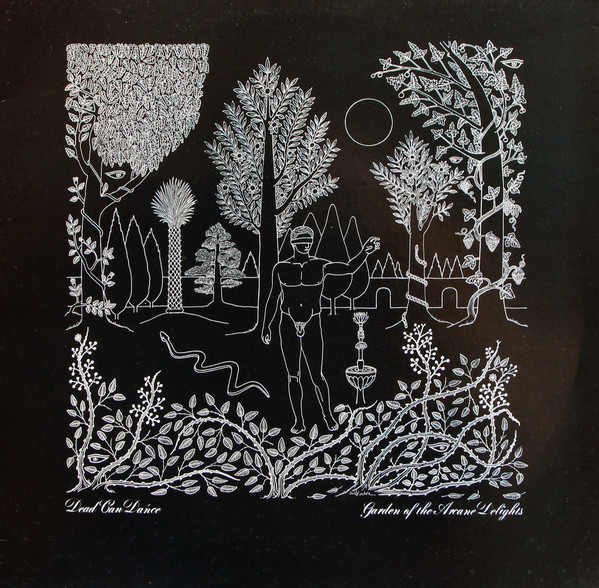
Garden Of The Arcane Delights
1984

Garden Of The Arcane Delights • The John Peel Sessions
2016
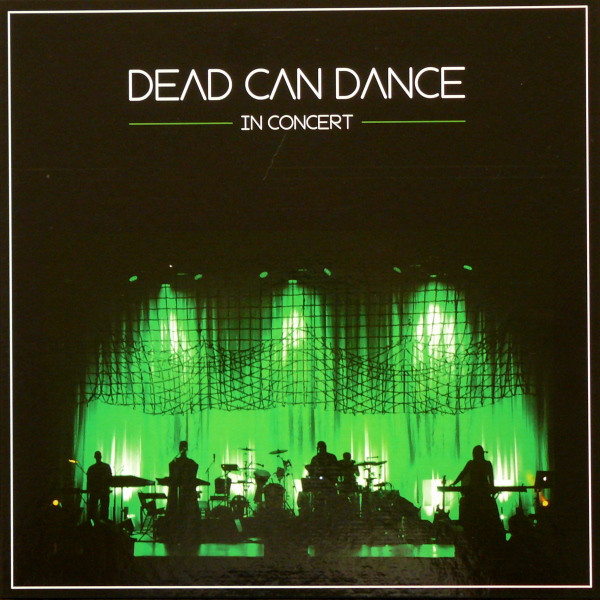
In Concert
2013

Moon Child (Original Motion Picture Soundtrack)
2019

II: Within The Realm Of A Dying Sun ✦ The Serpent's Egg ✦ Aion ✦ John Peel Session 2.6.1984
2011

I: Dead Can Dance ✦ Garden Of The Arcane Delights ✦ Spleen And Ideal ✦ John Peel Session 19.11.1983
2010
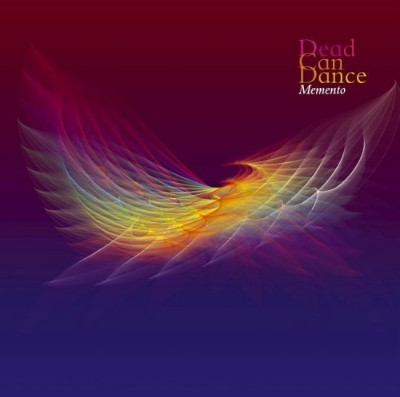
Memento
2005

Black Sun Ceremony
2005

Wake
2003

The Rare Traxx
1995

Meditabor
1994
Related artists
Members
Frequent collaborators
Around the web
Follow every record they touch.
Start your shelf and Gatefold tracks Dead Can Dance's new pressings, tour dates, and the whole discography — automatically.
Start your shelf →Free forever. Works with 10 records or 10,000.