
Artist
Days of the New
Charlestown, United States · Formed 1995
Days of the New is a music group from Charlestown, United States, active since 1995. Their discography on Gatefold includes 3 records.
3
Albums tracked
17
In collections
1995
Since
Biography
Scott Litt caught them at their third gig ever and signed them on the spot. In late 1996, he put seventeen-year-old Travis Meeks in front of a battery of acoustic guitars, dialed out the grunge distortion entirely, and let the sheer percussive thwack of steel strings do the heavy lifting. The 1997 debut went multi-platinum off the back of a kid beating an acoustic like it stole from him. Nobody on rock radio in 1997 was doing that without an electric wall of sound to hide behind. It was a massive, stripped-down stroke of luck and raw talent that made corporate rock look lazy overnight. Then Meeks fired his entire backing band off a Metallica tour because he thought he was Brian Wilson. Jesse Vest, Matt Taul, and Todd Whitener walked out, hired a singer who sounded just like him, and formed Tantric to cash their own checks. Left completely unchecked, Meeks turned the project into an acoustic-prog laboratory loaded with orchestral arrangements, glockenspiels, and world percussion. It was bloated and magnificent in equal measure, but the radio stopped paying attention once the radio-ready hooks got buried in ten-minute acoustic suites. The label dissolved, the drugs moved in, and the wheels came completely off the wagon.
Bio from The Clerk
The Arc of Days of the New
The pivots — what forced Days of the New to reinvent.
The Green Studio Autocracy
After booting Vest, Taul, and Whitener straight off the road in 1998, Meeks seized total control to build Days of the New II. He hired session musicians like drummer Ray Rizzo and uncredited local singers including a young Nicole Scherzinger, spending fourteen months layering full orchestra strings, choir arrangements, and world instruments. The 1999 album abandoned easy radio hits for sprawling, cinematic acoustic art-rock like 'Enemy' and 'The Weapon & the Wound'. It was arrogant and deeply ambitious, cutting ties with the alt-rock mainstream just to see how far one kid could stretch an orchestra.
The Red Compromise
By early 2000, Meeks hit the studio in Louisville aiming for an even more theatrical, progressive rock direction with bassist Mike Huettig and Rizzo. Interscope hated the uncommercial sprawl, demanding rewrites and trucking in producer Ron Aniello to remix and salvage radio singles for the 2001 release of Days of the New III. Electric guitars finally bled into tracks like 'Hang On to This', but the finished cut sounded like an artist actively fighting his corporate minders. The label Outpost folded underneath the release, Meeks struggled hard with addiction, and the project drifted off the map.
The Archival Drift
Decades of erratic live dates, aborted reunions, and scrapped studio sessions finally yielded the 2021 archival release Illusion Is Now. It captured an unvarnished, stripped-down Meeks wrestling with the acoustic skeletons of his past without the lavish orchestral budgets of the Outpost days. The record served as a raw document of survival rather than a radio comeback. It proved that despite thirty years of personal turmoil, his percussive right hand was the only engine that ever truly mattered in this band.
Influences
- Alice in Chains — Meeks took the dark, layered acoustic template of Jar of Flies directly into his rhythm work. You hear it across 'Touch, Peel and Stand' in the gloomy, dropped tunings and minor-key vocal harmonies. It showed him that acoustic records could hit harder than metal tracks.
- The Doors — Jim Morrison's low, brooding vocal delivery was the direct blueprint for Meeks' baritone phrasing. On 'Shelf in the Room', the loose, poetic cadence and deep register lean right into Morrison's dramatic delivery. It gave a southern Indiana kid a roadmap for theatrical rock frontman bravado.
- Dead Can Dance — Meeks explicitly cited their world music textures and atmospheric sweep as the catalyst for expanding his arrangements. The hand percussion, modal acoustic scales, and drone arrangements across the 1999 'Green' album lift straight from their neoclassical playbooks. It broke him out of standard three-chord grunge songwriting.
- Led Zeppelin — Jimmy Page's heavy acoustic picking on Led Zeppelin III served as the rhythmic engine for Meeks' entire guitar style. You can hear the aggressive, hard-strummed open tunings on 'The Down Town' biting directly from 'Bron-Y-Aur Stomp'. He took their folk-blues muscle and turned it into late-nineties alternative radio gold.
- Soundgarden — The weird, dissonant open tunings and heavy rhythmic syncopation came straight from Chris Cornell and Kim Thayil. Tracks like 'Die Born' rely on odd time signatures and tension-heavy chord voicings that mimic Badmotorfinger. It gave his acoustic arrangements a sinister, off-kilter edge.
Discography
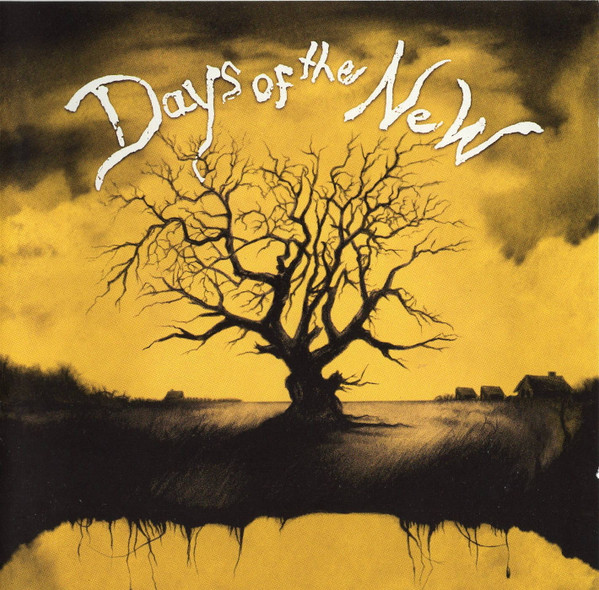
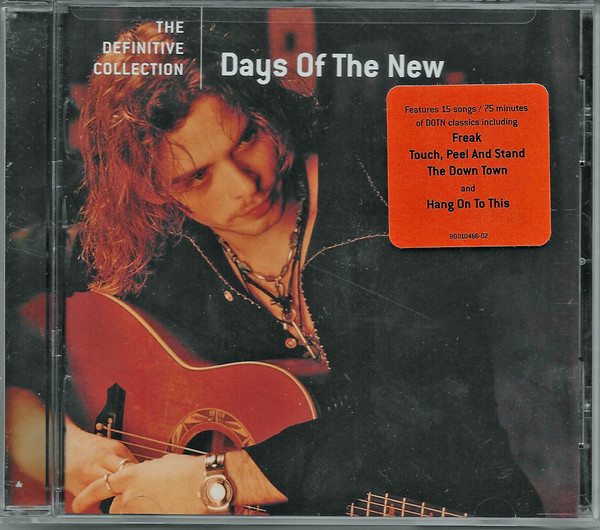
Their records — most-collected first.

Related artists
Around the web
Follow every record they touch.
Start your shelf and Gatefold tracks Days of the New's new pressings, tour dates, and the whole discography — automatically.
Start your shelf →Free forever. Works with 10 records or 10,000.