
Artist
David Gray
Sale, United Kingdom
David Gray is a music group from Sale, United Kingdom. Their discography on Gatefold includes 18 records.

18
Albums tracked
75
In collections
—
Since
Biography
David Gray was basically a dead man walking in the industry by '98. He’d been dropped by two labels, his third record went nowhere, and he was tracking White Ladder in a cramped London bedroom on a shoestring budget. He wasn't using some high-end board at Abbey Road; he was using an Akai sampler and a primitive computer setup with Clune, his drummer, trying to figure out how to make folky songwriting not sound like a coffee shop open mic. It was a desperate, DIY hail mary that only worked because the songs were bulletproof. White Ladder eventually blew up so big it became the best-selling album in Irish history, which is hilarious when you think about it being made in a bedroom. The success turned him into a stadium act, but it also trapped him. He spent the next decade trying to reconcile that gritty, electronic-undercurrent intimacy with the demands of being a massive adult-contemporary draw. Some of it got a bit too polished for its own good, but when he strips it back to that nervous, pulsing energy, he’s still one of the best out there.
Bio from The Clerk
The Arc of David Gray
The pivots — what forced David Gray to reinvent.
The Folkie Exile
Before the electronics, Gray was a straight-ahead troubadour signed to Hut and then Dedicated, sounding like a guy born thirty years too late. His early 90s records like A Century Ends were raw, acoustic-heavy, and completely out of step with the burgeoning Britpop scene. He was working with producer Del Palmer—Kate Bush’s longtime bassist and engineer—trying to find a lane that wasn't just 'angry Dylan clone.' It didn't stick commercially, leading to him getting dropped and forced into the independent wilderness.
The Bedroom Akai Breakthrough
Everything changed when Gray and drummer Craig 'Clune' McClune stopped trying to sound like a traditional band and started messing with loops. Using an Akai S3000XL sampler, they built White Ladder around heartbeat pulses and electronic textures that gave the songs a modern, nocturnal feel. This wasn't a corporate pivot; it was a survival tactic because they couldn't afford a full studio or a string section. The resulting sound defined the early 2000s and turned the 'singer-songwriter with a laptop' into a viable radio format.
The Hi-Fi Refinement
After the massive success of White Ladder, the budget skyrocketed and the production followed suit on records like Life in Slow Motion. He moved into proper studios with Marius de Vries, who brought a cinematic, lush polish that swapped the gritty bedroom loops for sweeping arrangements and expensive microphones. It was the sound of a man finally able to afford the 'professional' record he’d wanted to make for a decade, though it lacked the desperate friction of his independent years. You hear him wrestling with his own stardom, trying to keep the soul intact while the reverb gets deeper and the edges get smoother.
Influences
- Bob Dylan — Gray famously covered 'Buckets of Rain' and has cited Dylan as the primary reason he picked up a guitar. You hear it in the early, raspy vocal delivery and the frantic acoustic strumming on his first two albums. It’s the foundational DNA of his songwriting before the technology took over.
- Van Morrison — He’s gone on record saying Astral Weeks is the 'blueprint' for how he approaches the emotional weight of a track. The way Gray holds a note until it breaks and his use of repetitive, मंत्र-like phrasing is straight out of the Van the Man playbook. It’s that Celtic soul obsession that makes his ballads actually land.
- The Cure — Gray has cited Robert Smith's songwriting as a massive influence on the moodier, atmospheric side of his work. You can hear that '80s pop-gloom influence in the synth pads and minor-key melodies on the White Ladder tracks. He took the Cure's sense of space and applied it to a folk singer's toolkit.
- Neil Young — The jagged, unschooled guitar style on Gray’s early tours was a direct nod to Young's more aggressive acoustic work. He’s covered 'Down by the River' live and shares that same refusal to prioritize technical perfection over raw feeling. If the vocal cracks, he leaves it in, just like Neil would.
- Joni Mitchell — Gray frequently mentions Hejira as a life-changing record for his understanding of rhythm and open tunings. That influence shows up in his more complex arrangements where the guitar and vocals weave around each other rather than just following a standard 4/4 beat. He learned how to be vulnerable without being boring from her.
Discography
Their records — most-collected first.

White Ladder
1998

The Best Of David Gray
2016

Life In Slow Motion
2005

A New Day At Midnight
2002

Sell, Sell, Sell
1996
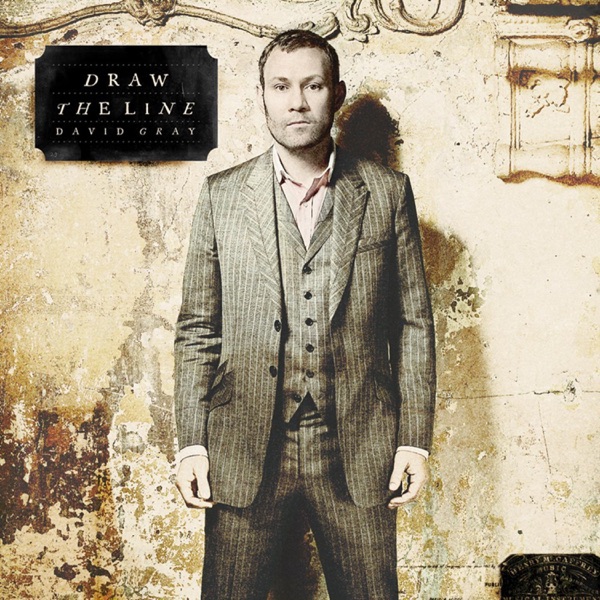
Draw The Line
2009

Lost Songs 95-98
2000

Skellig
2021

Gold In A Brass Age
2019

Foundling
2010

A Century Ends
1993

Dear Life
2025

Mutineers
2014

Greatest Hits
2007

This Years Love
1999

Shine (The Best Of The Early Years)
2007

The EP's 92-94
2001

Flesh
1994
Related artists
Frequent collaborators
Around the web
Follow every record they touch.
Start your shelf and Gatefold tracks David Gray's new pressings, tour dates, and the whole discography — automatically.
Start your shelf →Free forever. Works with 10 records or 10,000.