
Artist
Dave Matthews Band
Charlottesville, United States · Formed 1991
Dave Matthews Band is a music group from Charlottesville, United States, active since 1991. Their discography on Gatefold includes 24 records.

50
Albums tracked
341
In collections
1991
Since
Biography
Dave Matthews was working as a bartender at Miller's in Charlottesville when he handed a demo tape to Carter Beauford. He didn't look for rock kids; he recruited local jazz heavyweights and a sixteen-year-old prodigy on bass. The early sound was dictated by the fact that they didn't have a lead guitarist, forcing the acoustic guitar and LeRoi Moore’s sax to carry the melodic weight over Beauford’s massive, open-handed drumming. They weren't a hippie jam band—they were a rhythm-section-first outfit playing complex time signatures disguised as pop songs. By the time they hit the RCA years, Steve Lillywhite was in the booth helping them harness that sprawling live energy into tight, radio-ready tracks without losing the grit. It worked until it didn't. The Glen Ballard sessions for Everyday were a shock to the system, ditching the acoustic wood for an electric Baritone guitar and processed gloss. Fans revolted, but it kept them from becoming a nostalgia act. They’ve spent the last twenty years rotating between that polished pop and the loose, improvisational roots that started in those Virginia bars.
Bio from The Clerk
The Arc of Dave Matthews Band
The pivots — what forced Dave Matthews Band to reinvent.
The Lillywhite Trilogy
Between '94 and '98, Steve Lillywhite pushed the band to record live in the room to capture the interplay between Beauford and Lessard. These records defined the 90s acoustic-rock boom by utilizing jazz-fusion syncopation on tracks like 'Ants Marching' and '#41.' The production was dry and honest, highlighting the weird harmonic tension created by Moore’s woodwinds and Tinsley’s violin. You hear the peak of this era on Before These Crowded Streets, where the arrangements got darker and the guest spots from Alanis Morissette and Béla Fleck added a cinematic weight.
The Ballard Pivot
After scrapping a dark, unfinished album with Lillywhite in 2000, the band pivoted hard to pop songwriter Glen Ballard. Dave wrote the entire Everyday album on a baritone electric guitar in just ten days, effectively sidelining the rest of the band’s signature improvisational style for programmed loops and four-minute structures. It was a calculated move to break the jam-band stigma, resulting in a slick, compressed sound that sounds nothing like the Charlottesville roots. While 'The Lillywhite Sessions' leaked to the public as a gritty alternative, the Ballard record successfully transitioned them into a stadium-sized pop machine.
Post-Moore Reconstruction
The 2008 death of founding saxophonist LeRoi Moore forced a permanent shift in how the band filled space on record. They brought in Tim Reynolds as a full-time electric guitarist and added a brass section to compensate for Moore’s missing lyrical phrasing. Rob Cavallo took over production, leaning into a bigger, more aggressive rock sound on Big Whiskey & the GrooGrux King. The records became denser and louder, trading the delicate acoustic interplay of the early days for a wall of sound that suits their massive touring stage setup.
Influences
- The Police — Dave has cited Stewart Copeland’s hi-hat work as a primary blueprint for Carter Beauford’s rhythmic approach. You hear it in the reggae-influenced upbeat skanks and the way the bass and drums lock into tight, syncopated grooves. It’s the reason their pop songs have that frantic, nervous energy.
- Paul Simon — The band famously covered 'Late in the Evening' and has toured with Simon, absorbing his late-career interest in world-beat polyrhythms. The influence is all over the percussion-heavy arrangements and Dave’s penchant for percussive, rhythmic vocal phrasing. It’s folk-pop filtered through a global lens.
- Peter Gabriel — Matthews has frequently pointed to Gabriel’s solo work as his standard for high-production art-pop. The influence shows up in the band's use of atmospheric textures and the way they build tension over a static, hypnotic drone. For fuck's sake, they even got Gabriel's engineer, Stephen Harris, to work on Busted Stuff.
- Little Feat — The band’s ability to swing while playing complex, broken rhythms comes directly from Lowell George’s playbook. They’ve covered 'Spanish Moon' for years to showcase the same kind of greasy, syncopated funk that defines their live jams. It’s the bridge between blue-eyed soul and technical precision.
- King Crimson — The band’s frequent use of odd time signatures like 7/8 and 5/4 traces back to the prog-rock foundations Dave and Stefan Lessard grew up on. You can hear the Robert Fripp influence in the repetitive, interlocking guitar figures of songs like 'The Stone.' It’s prog-rock disguised as a college radio hit.
Discography
Their records — most-collected first.
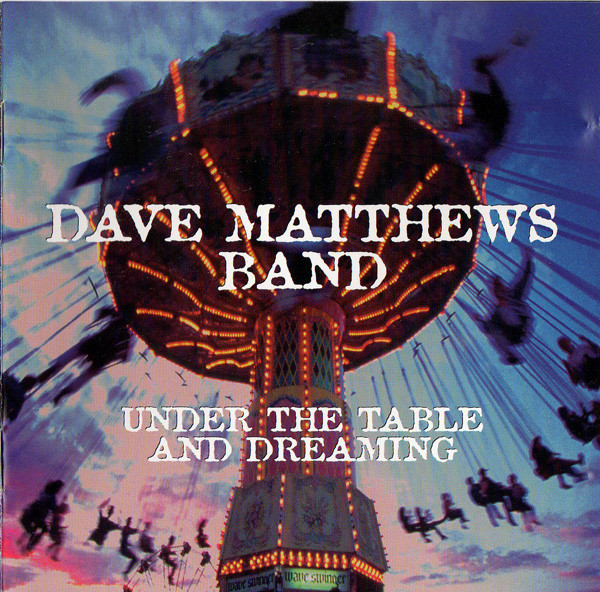
Under The Table And Dreaming
1994
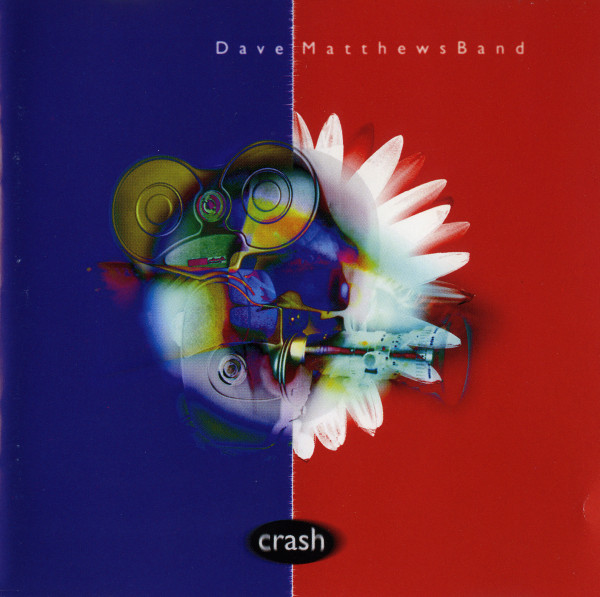
Crash
1996
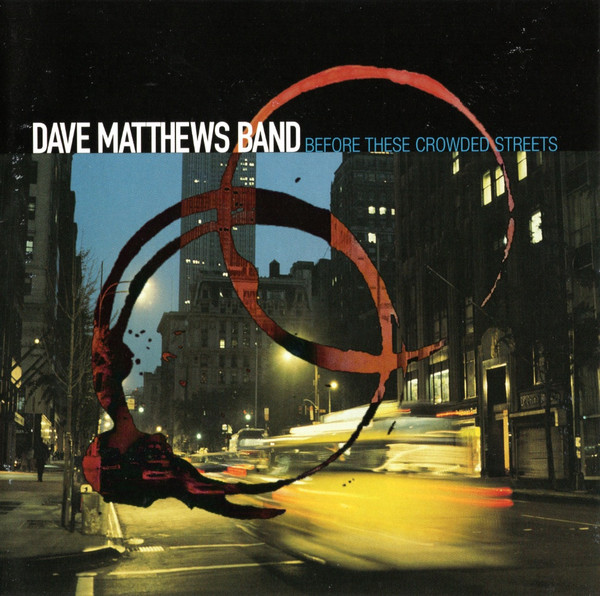
Before These Crowded Streets
1998
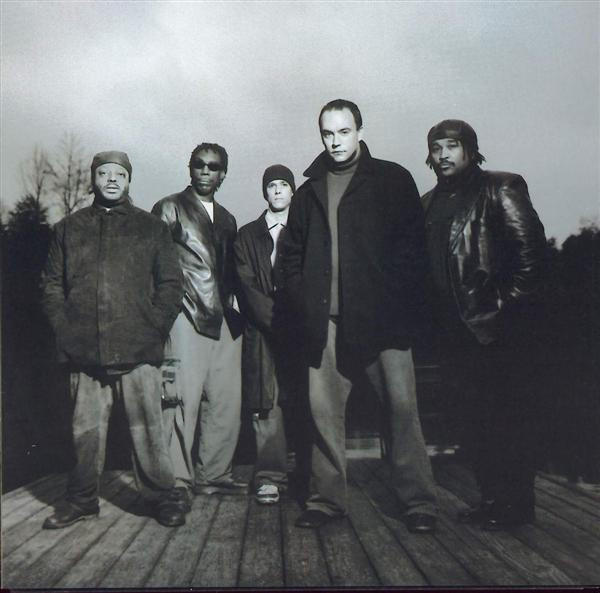
Everyday
2001
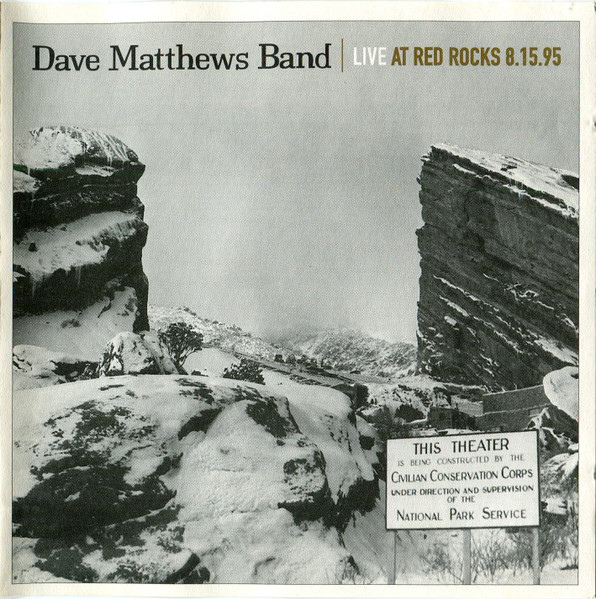
Live At Red Rocks 8.15.95
1997

Walk Around The Moon
2023
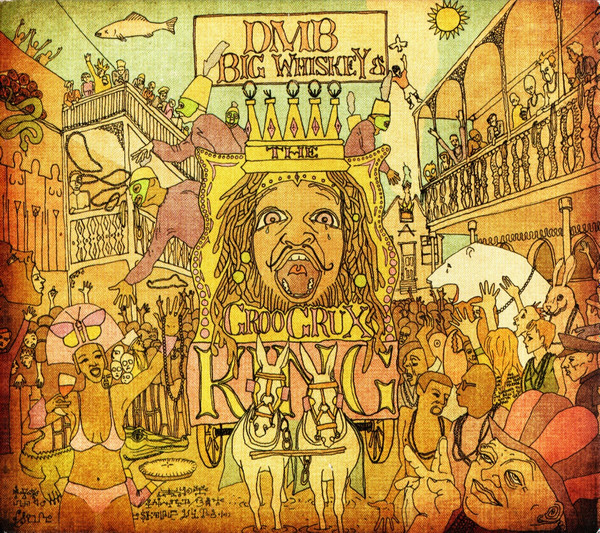
Big Whiskey And The GrooGrux King
2009

Listener Supported
1999

The Central Park Concert
2003
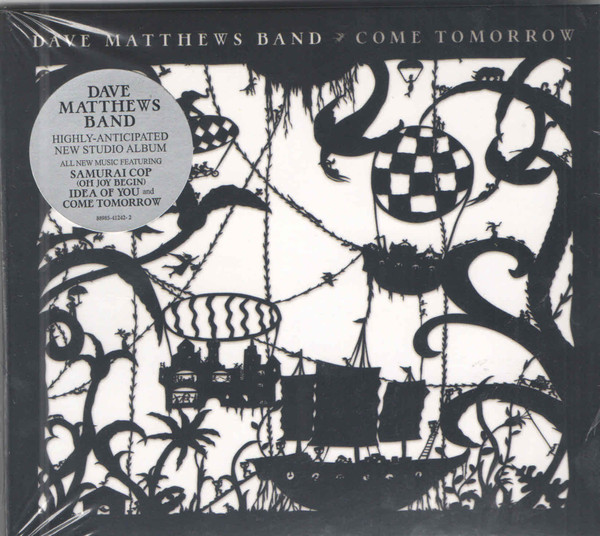
Come Tomorrow
2018
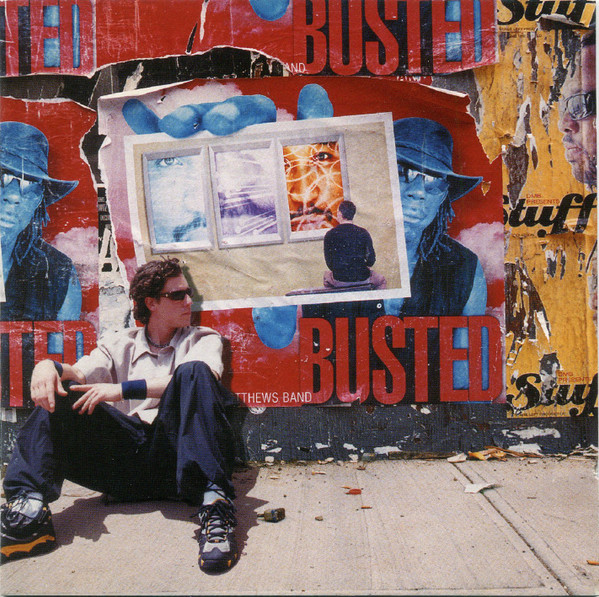
Busted Stuff
2002

Away From The World
2012

Remember Two Things
1993

Live At Folsom Field - Boulder, Colorado
2002
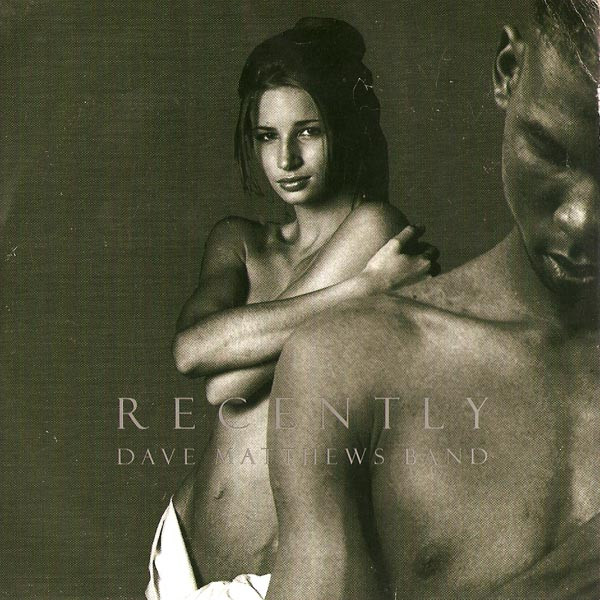
Recently
1994
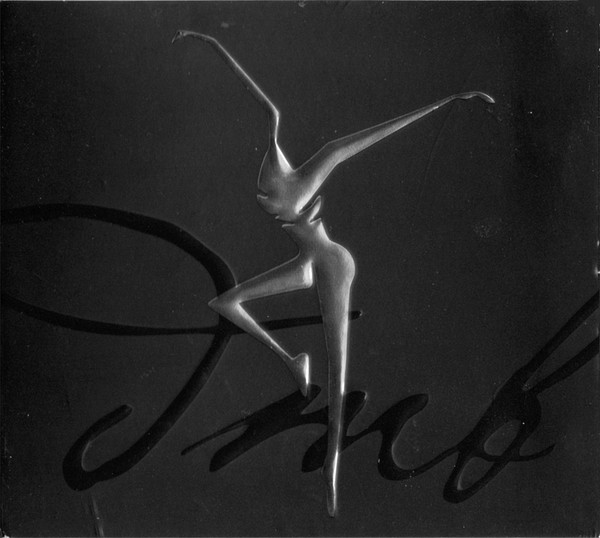
Stand Up
2005

DMB Live Trax Vol. 58
2021

DMB Live Trax Vol. 6
2006

DMB Live Trax Vol. 2
2004
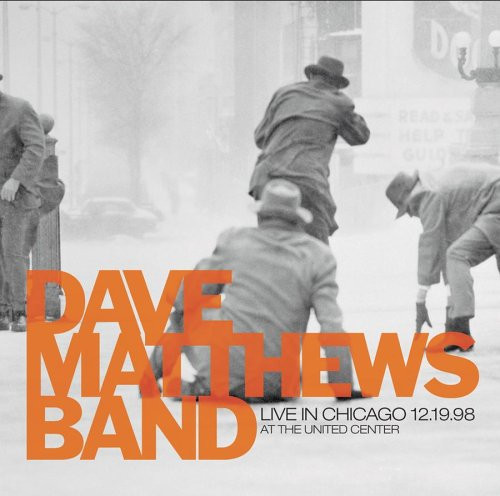
Live In Chicago At The United Center 12.19.98
2001

Rhino's Choice
2019
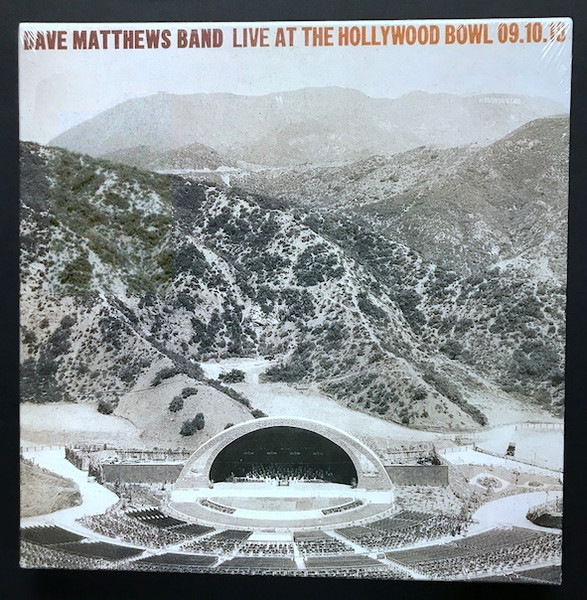
Live At The Hollywood Bowl 09.10.18
2019

The Best Of What's Around Vol. 01
2008

Live At Piedmont Park
2007
Related artists
Around the web
Follow every record they touch.
Start your shelf and Gatefold tracks Dave Matthews Band's new pressings, tour dates, and the whole discography — automatically.
Start your shelf →Free forever. Works with 10 records or 10,000.