
Artist
The Dave Brubeck Quartet
San Francisco, United States · 1951 – 1967
The Dave Brubeck Quartet is a music group from San Francisco, United States, active 1951–1967. Their discography on Gatefold includes 24 records.

62
Albums tracked
516
In collections
1951
Since
Biography
Dave Brubeck almost got kicked out of the College of the Pacific because he couldn't read music. He hid it for years by ear, faking his way through classical charts until the dean found out and nearly pulled his degree. He only graduated on the condition that he promised never to teach. It’s the perfect setup for a guy who spent his whole career making high-concept theory sound like a cocktail party. People act like he was some safe, suburban ivory tower player, but the guy was doing odd-time signatures in 1959 while the rest of the bop world was still obsessed with 4/4 swing. Teaming up with Paul Desmond was the smartest thing he ever did. Desmond had a tone like a dry martini—no vibrato, pure breath, and a weirdly cynical edge that kept Brubeck’s occasionally clunky piano playing from sounding too academic. They survived a plane crash, the draft, and some truly mediocre early trio records before they found Joe Morello and Eugene Wright. That’s the classic lineup. Once they had Morello’s hands, they could play anything, even if the jazz purists at the time thought they were too 'cool' or too white to actually swing. Total bullshit. You listen to those live European tapes from '58 and tell me that band isn't cooking.
Bio from The Clerk
The Arc of The Dave Brubeck Quartet
The pivots — what forced The Dave Brubeck Quartet to reinvent.
The Fantasy Years
Before the Columbia money showed up, the Quartet was grinding out 10-inch records for the Fantasy label, often recorded in clubs with whatever gear was lying around. This was the era of the Dave Brubeck Trio transitioning into the Quartet, with Brubeck playing percussive, block-chord heavy piano that leaned into his studies with Darius Milhaud. You can hear the struggle on these early pressings, a band trying to find a middle ground between West Coast cool and the rigid structure of classical fugues. It’s the sound of a group realizing that Desmond’s alto was the perfect foil for Dave's heavier, almost clumsy rhythmic attacks.
The Time Experiments
In 1959, the band risked their commercial standing by releasing Time Out, an album Columbia Records didn't even want to put out because it lacked a 4/4 track. Inspired by Turkish street musicians they heard on a State Department tour, they pushed into 5/4 and 9/8 rhythms that changed the math of jazz drumming forever. Joe Morello is the secret weapon here, holding down a steady beat on 'Take Five' while everyone else shifted around him. It became a massive hit, proving that people actually liked odd-meter grooves if you gave them a melody they could hum.
The Global Impressions
The mid-60s saw the band leaning into travelogues, using their international tours as a direct blueprint for composition on records like Jazz Impressions of Japan. They were moving away from the pure gimmick of time signatures and trying to capture specific regional scales and atmospheres. By 1967, the classic lineup called it quits because Dave wanted to focus on large-scale orchestral and choral works. These final records are sophisticated but you can feel the air leaving the room as the quartet format started to feel too small for Brubeck’s ambitions.
Influences
- Darius Milhaud — Brubeck studied under the French composer at Mills College, who encouraged him to bring jazz into classical frameworks. You hear this in the heavy use of polytonality and the fugue structures Dave forced into the quartet's early arrangements.
- Johann Sebastian Bach — Brubeck was vocal about his obsession with counterpoint, which defines the way he and Desmond trade lines. The 1963 Brandenburg Gate: Revisited record is a literal acknowledgement of this structural debt.
- Duke Ellington — Dave saw Duke as the ultimate model for a jazz composer who could lead a band without losing his own voice. The percussive, almost orchestral way Brubeck hits the keys is a direct descendant of Ellington’s rhythmic piano style.
- Art Tatum — Before he developed his own block-chord style, Brubeck was intimidated by Tatum’s terrifying speed and harmonic density. You can hear Tatum's ghost in the way Dave tries to fill every corner of a bar during his more aggressive solo breaks.
- Fats Waller — Brubeck cited Waller as a primary reason he started playing jazz, specifically for the sense of stride and humor in the playing. That heavy left-hand rhythm Dave used to anchor the quartet's weirder time signatures comes straight from the stride tradition.
Discography
Their records — most-collected first.
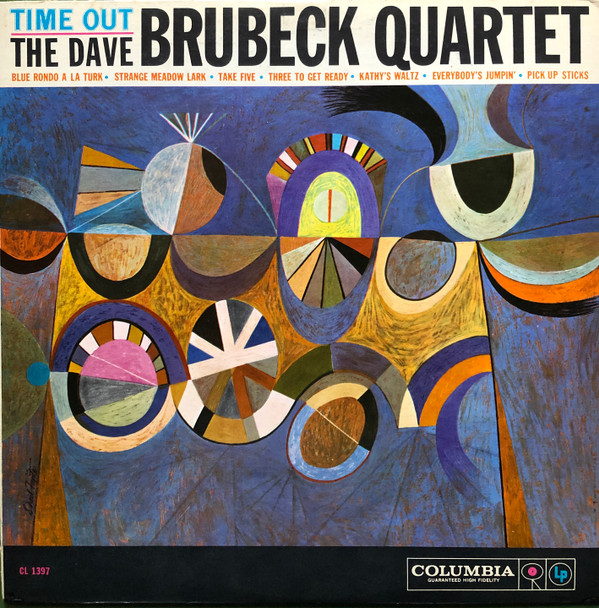
Time Out
1959
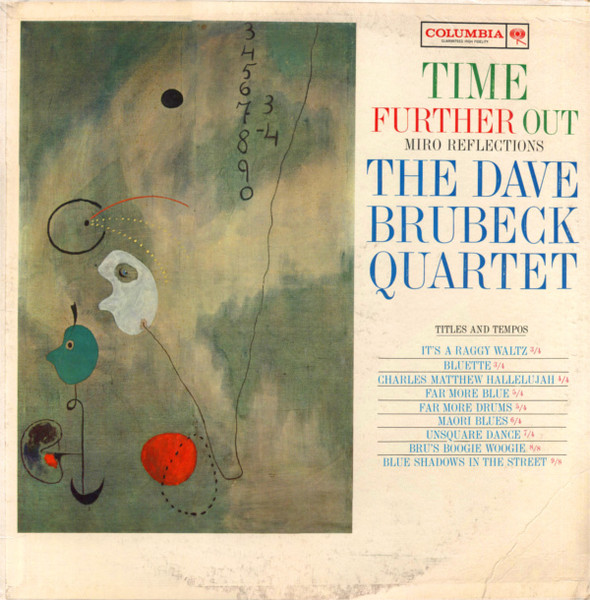
Time Further Out (Miro Reflections)
1961
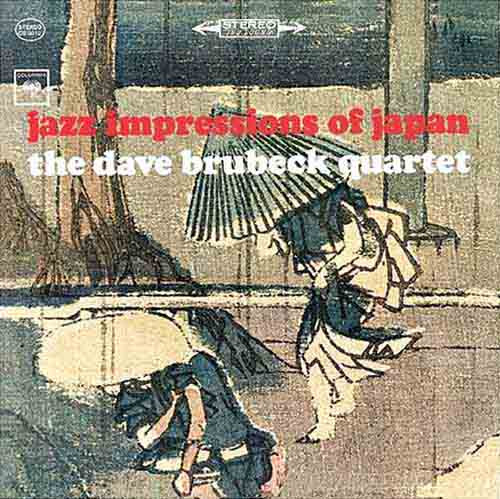
Jazz Impressions Of Japan
1964

Jazz Goes To College
1954
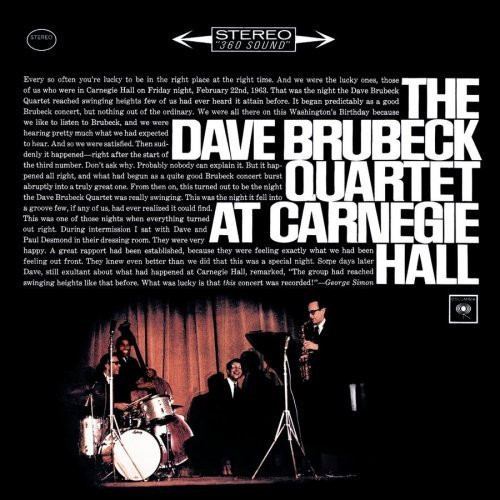
At Carnegie Hall
1963
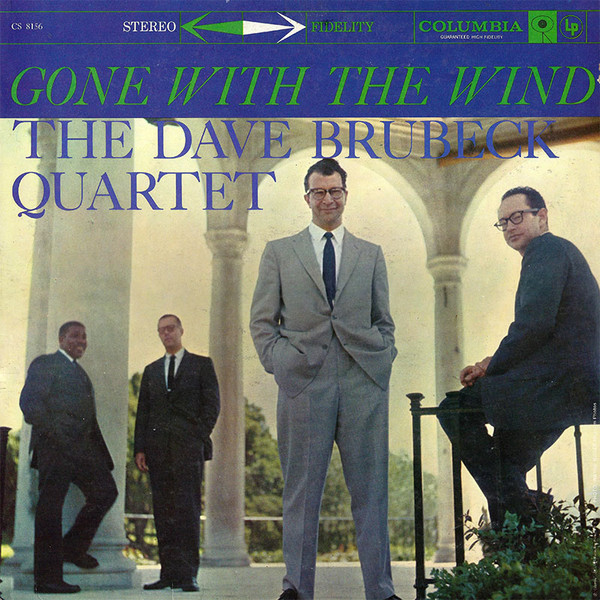
Gone With The Wind
1959

Time Changes
1964
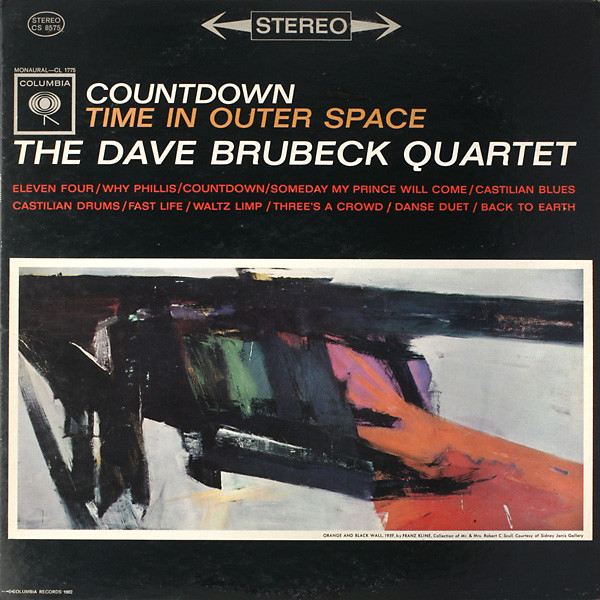
Countdown: Time In Outer Space
1962

Jazz: Red Hot And Cool
1955

Jazz At Oberlin
1953

Jazz Impressions Of Eurasia
1958

Brubeck Time
1955
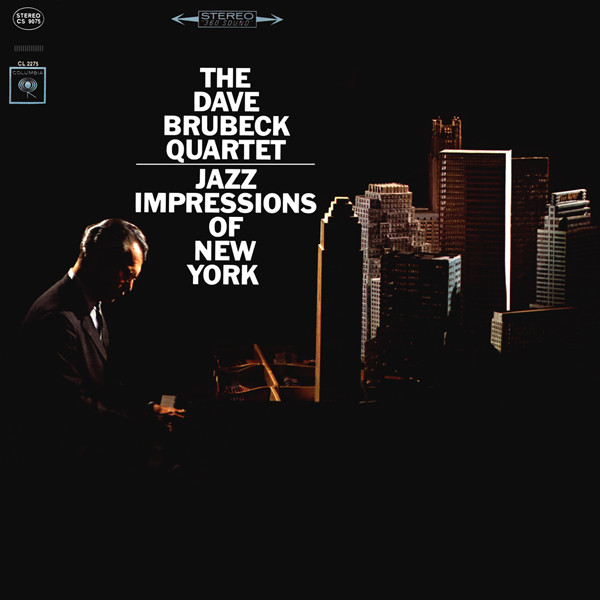
Jazz Impressions Of New York
1965
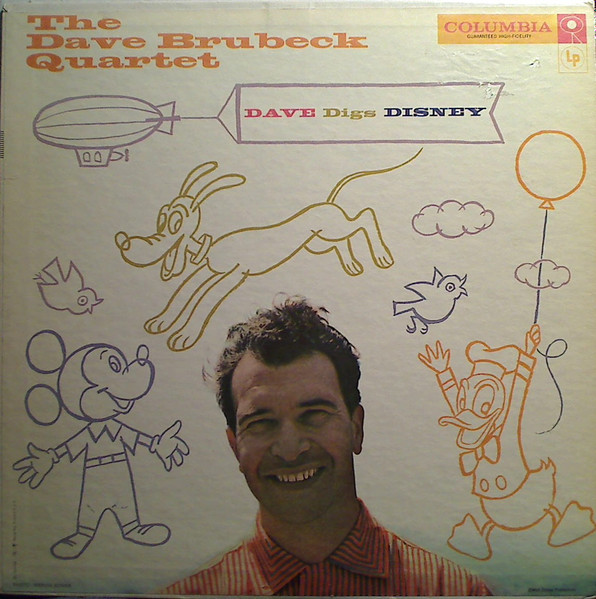
Dave Digs Disney
1958

The Last Set At Newport
1972
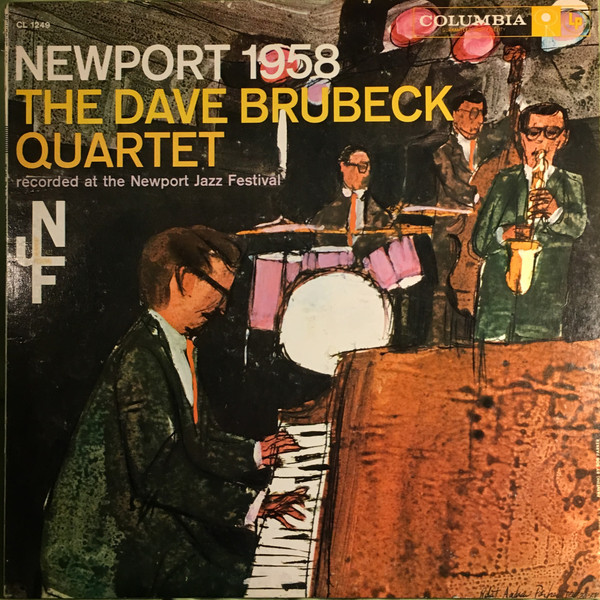
Newport 1958
1959

The Dave Brubeck Quartet In Europe
1958

Bossa Nova U.S.A.
1963
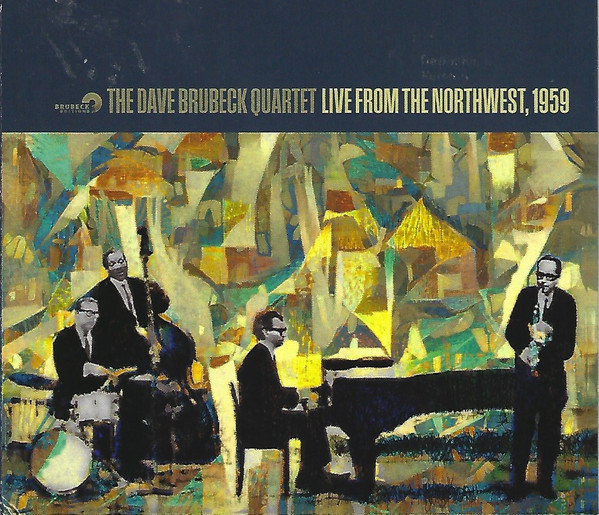
Live From The Northwest, 1959
2023

25th Anniversary Reunion
1977

Angel Eyes
1965

The Riddle
1960

Jazz Impressions Of The U.S.A.
1957
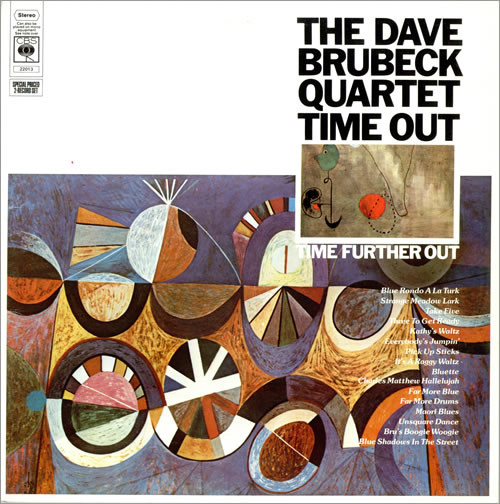
Time Out / Time Further Out
Related artists
Around the web
Follow every record they touch.
Start your shelf and Gatefold tracks The Dave Brubeck Quartet's new pressings, tour dates, and the whole discography — automatically.
Start your shelf →Free forever. Works with 10 records or 10,000.