
Artist
Danny Carey
Lawrence, United States
Danny Carey is a musician from Lawrence, United States. They also recorded with Tool, BEAT, Legend of the Seagullmen, Pigmy Love Circus and Volto!.

19
Albums tracked
714
In collections
—
Since
Biography
Danny Carey got his start in LA tracking drums in the same room where Carole King and Neil Diamond cut records, but he ended up hauling a massive, custom-cast bronze kit made from recycled Paiste signature cymbals into Sound City. He sits in the middle of a physical geometry puzzle behind the kit. Every time Tool entered the studio with Sylvia Massy or David Bottrill, Carey wasn't just keeping time—he was treating the drum set like a modular synthesizer. He was triggering custom hardware, mixing acoustic slam with early electronic pads, and completely ignoring standard Western rock signatures. He is the rare chops monster who does not ruin the song. While the rest of the ninety-year prog scene got lost in its own technical navel-gazing, Carey kept his feet in heavy punk and industrial mud. He played with Pigface and Pigmy Love Circus, which kept his instincts dirty and physical. When Tool took five-year and then thirteen-year breaks between records, he did not sit around polishing his cymbals. He played fusion in tiny LA clubs with Volto! and laid down heavy grooves with Legend of the Seagullmen. The guy is a powerhouse because he treats the drums as an athletic, sacred geometry ritual rather than a showcase for fast hands.
Bio from The Clerk
The Arc of Danny Carey
The pivots — what forced Danny Carey to reinvent.
The Raw Power and Pigface Era
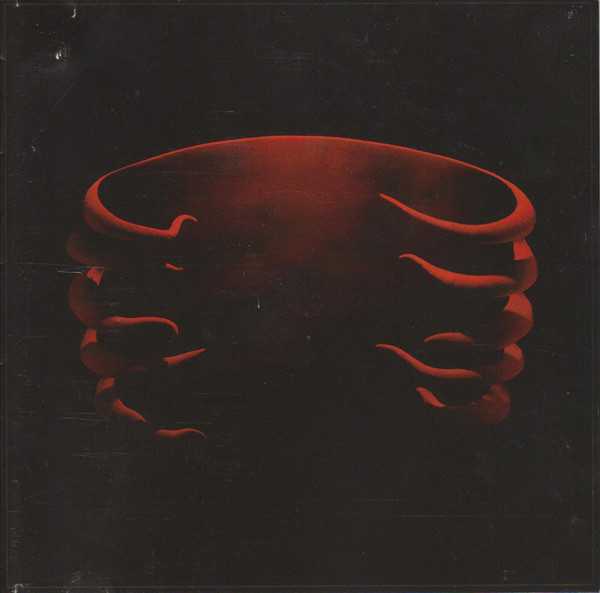
Before the arena-sized mystic geometry took over, Carey was a working drummer in a filthy LA underground scene. He was pulling double duty with the greasy punk-rock n' roll of Pigmy Love Circus and joining Martin Atkins' industrial rotating circus, Pigface. You can hear this dirt on Undertow in '93. Sylvia Massy tracked his drums in a live room with minimal baffling. The result was a punishing, physical performance that sounded like a heavy rock drummer trying to break his heads, completely devoid of the slick stadium sheen that would define late-nineties metal.
The Sacred Geometry and Electronics Shift
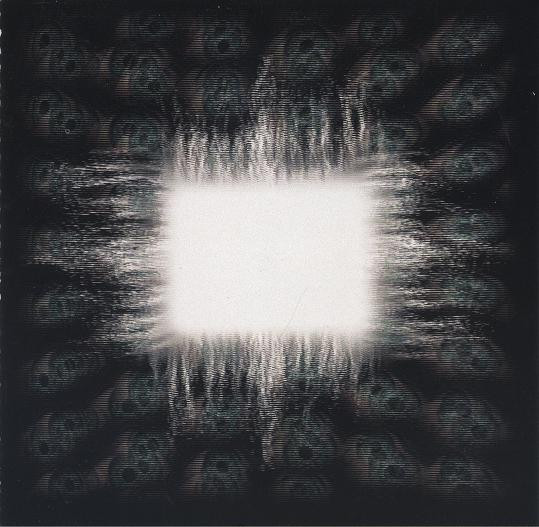
By '96, Carey was moving away from standard rock setups and integrating mandala pads, Korg Wave Drums, and complex mathematical polyrhythms. Working with producer David Bottrill on Ænima, the drum tracking became an obsession with space, acoustics, and tabla-influenced hand-drumming. He started tuning his shells to specific pitches to match Adam Jones' guitar riffs. This wasn't just a technical upgrade; it transformed Tool from an aggressive alt-metal band into a heavy, psychedelic tribal ritual. The title track shows exactly how his electronic pads started sharing the sonic stage with his acoustic brass snare.
The Bronze and Poly-Meter Peak
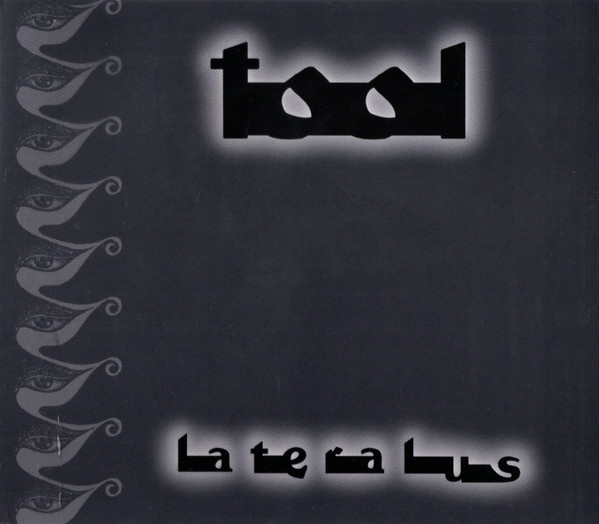
By the time Lateralus and 10,000 Days rolled around, Carey was playing a massive, custom-cast bronze drum kit that weighed a literal ton. He and engineer Joe Barresi spent weeks just positioning microphones to capture the sheer air pressure of these massive metal shells. He was playing four different time signatures at once—his feet executing a steady pulse while his hands spun complex, interlocking cycles of five and seven. The title track of Lateralus is the absolute peak of this approach. His drum kit sounds like a massive, metallic machine operating with human breath.
Influences
- John Bonham — Carey has repeatedly cited Led Zeppelin's powerhouse as his biggest foundational influence, even covering 'No Quarter' with Tool. You hear it in the heavy, triplets-heavy triplet-kick patterns and the massive, room-shaking acoustic snare sound on Undertow. He took Bonham's swing and heavy right foot and dragged it into odd time signatures.
- Neil Peart — Carey openly modeled his massive, 360-degree drum kit layout and his precise, composition-first approach to drum solos after the Rush legend. You hear it in the meticulous, narrative-driven percussion arrangements on 'Forty Six & 2.' He treats the drum kit like a melodic orchestra, just like Peart did on Hemispheres.
- Billy Cobham — Carey grew up studying Cobham's fusion masterpiece Spectrum and adopted his open-handed playing style to navigate massive setups. You hear this jazz-fusion speed and ambidextrous independence all over the tom-heavy polyrhythms of 'Ticks & Leeches.' Cobham's explosive style is the bridge between Carey's metal power and his jazz chops.
- Bill Bruford — Bruford's pioneering work with electronic Simmons drum pads in King Crimson directly inspired Carey's lifelong obsession with electronic percussion. You hear this influence in Carey's use of Mandala pads to trigger synthesizers and tuned pitched samples mid-song, a technique Bruford championed on records like Discipline. He recently joined the BEAT supergroup to perform Bruford's exact parts live.
- Aloke Dutta — Carey became a formal student of the tabla master Aloke Dutta in the late nineties to deeply understand Indian classical rhythm structures. You hear this training directly on the track 'Disposition,' where Carey abandons drumsticks entirely to play intricate, hand-struck tabla patterns. This study completely altered how Carey conceptualized micro-timing and polyrhythms on his standard kit.
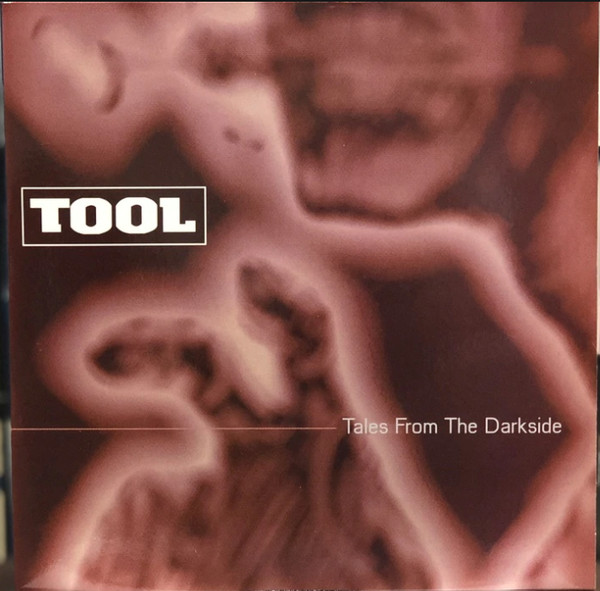
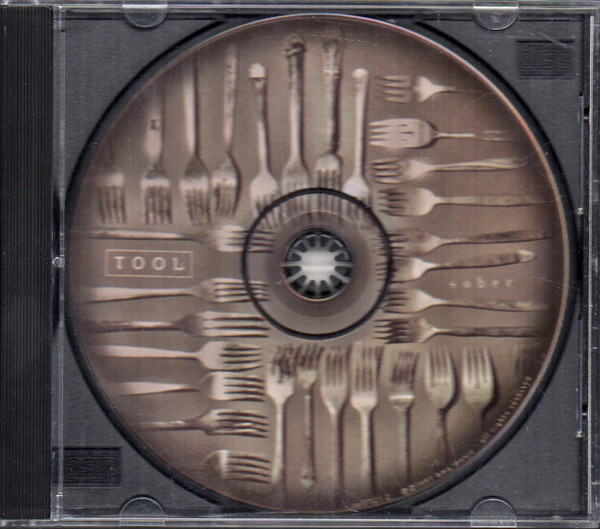
Tool
A project Danny Carey was part of.
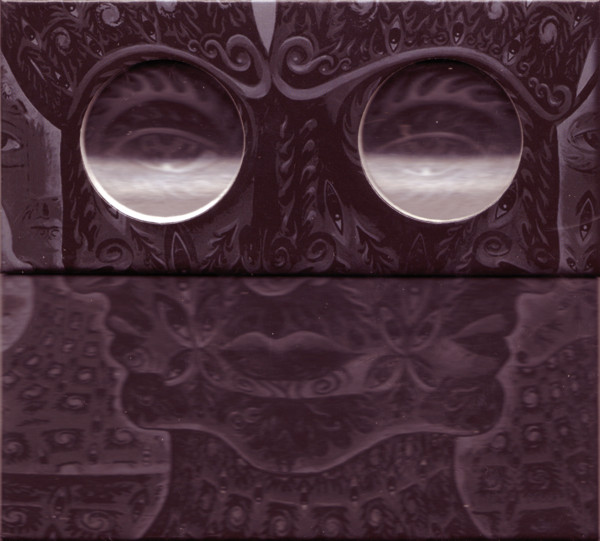
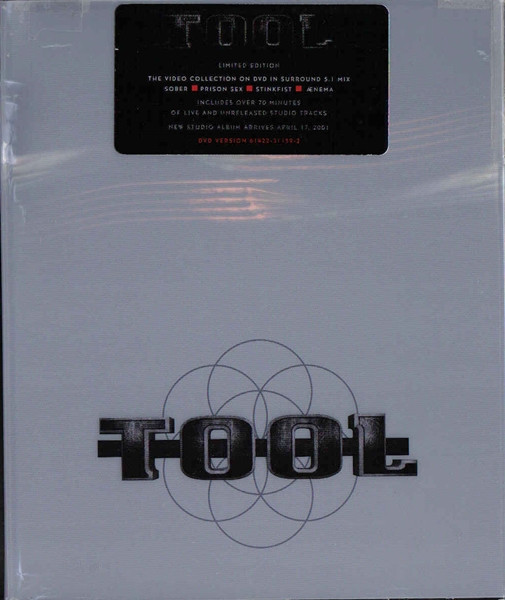

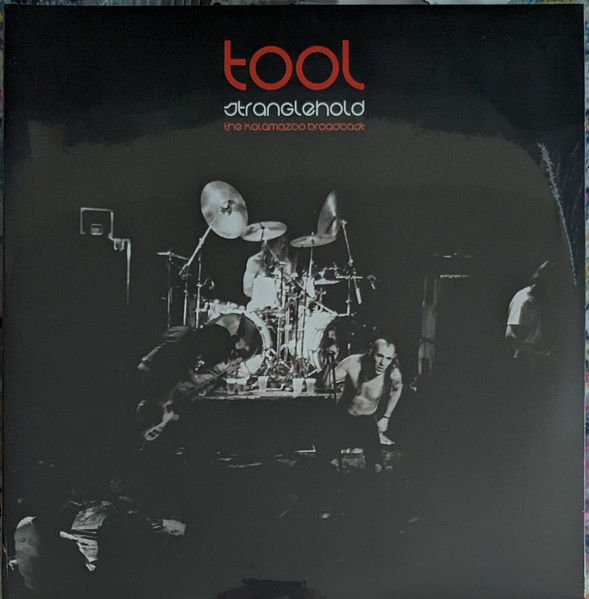

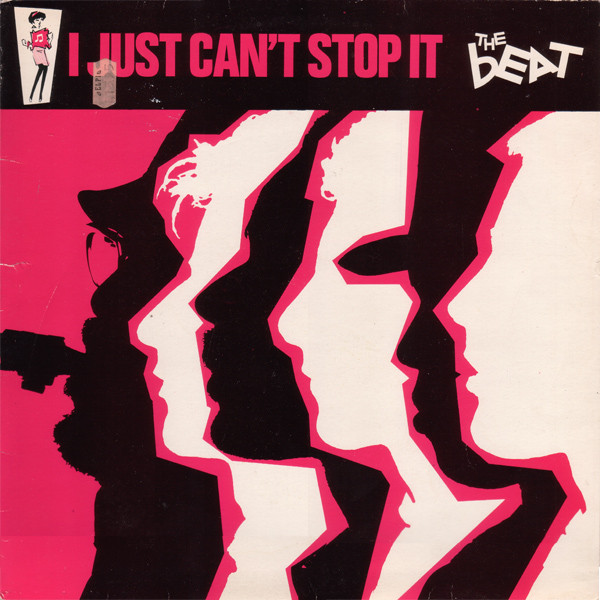
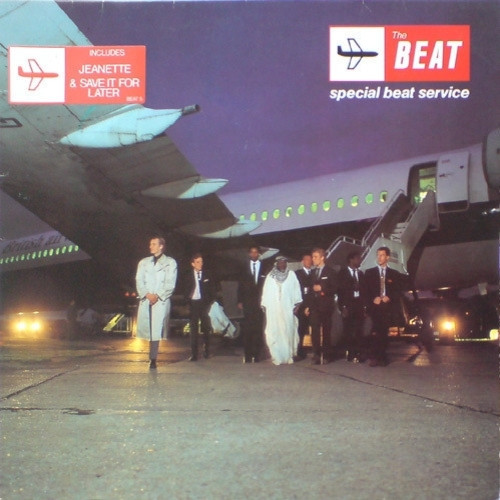
BEAT
A project Danny Carey was part of.
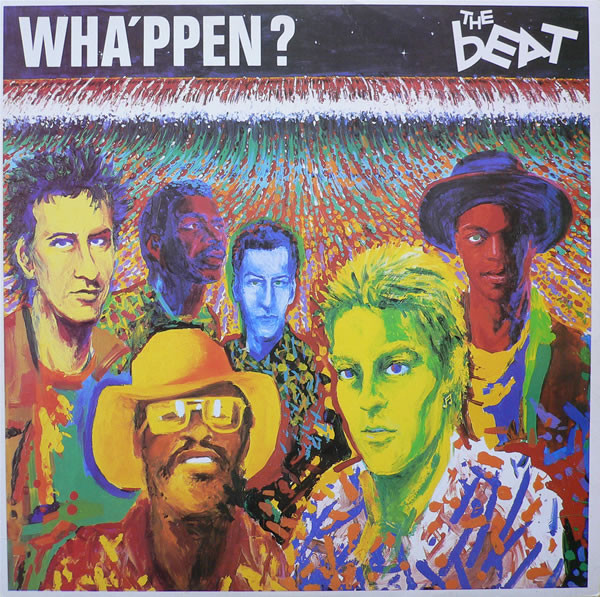

Legend of the Seagullmen
A project Danny Carey was part of.

Pigmy Love Circus
A project Danny Carey was part of.

Volto!
A project Danny Carey was part of.

Related artists
More projects
Around the web
Follow every record they touch.
Start your shelf and Gatefold tracks Danny Carey's new pressings, tour dates, and the whole discography — automatically.
Start your shelf →Free forever. Works with 10 records or 10,000.