
Artist
Daniele Luppi
Italy · b. 1972
Daniele Luppi is a musician from Italy, active since 1972. Their discography on Gatefold includes 2 records.
2
Albums tracked
9
In collections
1972
Since
Biography
Daniele Luppi did not just stumble into the Los Angeles studio scene. He arrived with a maniacal obsession with mid-century Italian film scores and a rolodex of aging Rome session players who actually played on the original spaghetti western sessions. His early work is defined by tracking down vintage instruments—specifically the vintage harpsichords, Mellotrons, and particular echo units used at Forum Music Village in Rome—to recreate the exact analog decay of 1960s Italian cinema. He did not want a digital emulation of Ennio Morricone. He wanted the actual dirt under the fingernails of the guys who recorded it the first time around. The real turning point was when Brian Burton, aka Danger Mouse, caught wind of Luppi's cinematic obsession. That connection led to a five-year slog of tracking down the original choir from Morricone's scores, Cantori di Moderno, and getting Marc encounters like Jack White and Norah Jones to lay down vocals over dusty, tape-saturated grooves. Luppi is the guy who bridges the gap between high-art orchestral arranging and dirt-under-the-fingernails indie rock. When he collaborated with Parquet Courts on Milano, he dragged a bunch of Brooklyn art-punks into his world of sleek, dark Italian post-punk and made them sound like they were scoring a sleazy 1970s Milanese crime thriller.
Bio from The Clerk
The Arc of Daniele Luppi
The pivots — what forced Daniele Luppi to reinvent.
The Cinecittà Archeology
Luppi started by treating the recording studio like an active museum dig on his 2004 debut, An Italian Story. He bypassed modern synthesizer plug-ins entirely, hunting down vintage Olivieri harpsichords and old Italian valve amps to capture the specific acoustic air of 1960s Rome. This era was about proving he could replicate the exact touch and tension of legendary film composers without sounding like a cheap pastiche. You hear it in the dry drum sounds and the hyper-specific placement of the woodwinds in the stereo field.
The Rome Sessions
The game changed when Danger Mouse co-signed Luppi's obsession, resulting in the five-years-in-the-making Rome album in 2011. They booked Forum Music Village—the studio founded by Morricone and Armando Trovajoli—and pulled legendary bassist Alessandro Alessandroni out of retirement. They tracked everything to vintage analog tape, forcing guest vocalists Jack White and Norah Jones to adapt to the sparse, haunting arrangements of a bygone Italian cinematic era. The result is a dry, reverb-drenched masterpiece that proved Luppi's orchestral arrangements could anchor major-label indie rock.
The Milanese Punk Seduction
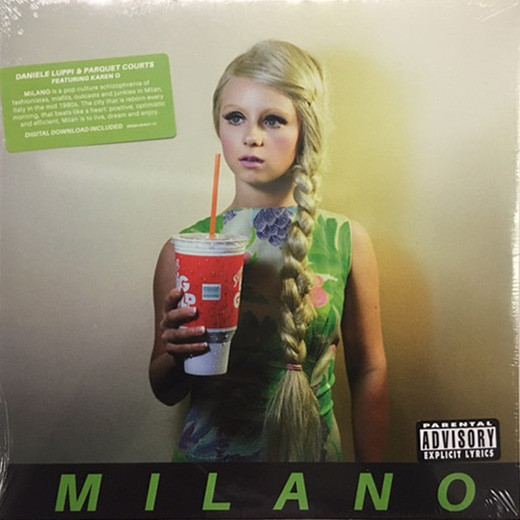
In 2017, Luppi pivoted from dusty desert soundscapes to the cold, sharp neon of 1980s Milan by drafting Parquet Courts and Karen O for the Milano LP. He swapped out the grand orchestral sweeps for jagged post-punk basslines and angular guitar stabs, capturing the fashion-house sleaze of Italy's industrial capital. Recording in Los Angeles, Luppi pushed the Brooklyn punk outfit into tighter, more rhythmically disciplined grooves than they had ever attempted. It is the sound of high-concept art-pop crashing headfirst into raw, basement-born energy.
Influences
- Ennio Morricone — Luppi has explicitly cited Morricone as his primary sonic blueprint, even hiring Morricone's original choir, I Cantori di Moderno, for the Rome album. You hear this influence in the dramatic, sparse acoustic guitar figures and the sudden, soaring vocal swells. It is the foundation of Luppi's entire arranging style.
- Piero Umiliani — Umiliani's blend of jazz, easy listening, and early electronic experiments heavily shaped Luppi's debut album, An Italian Story. The quirky synth textures and upbeat, lounge-adjacent bossa nova rhythms on that record are direct nods to Umiliani's 1960s film work. Luppi took Umiliani's playful approach to instrumentation and brought it into the modern indie-rock era.
- Alessandro Alessandroni — Luppi didn't just study Alessandroni's legendary whistling and guitar work on classic spaghetti westerns—he hired him to play on Rome. The dry, twanging acoustic guitar leads and whistled melodies on tracks like 'Theme of Rome' are directly lifted from Alessandroni's signature playbook. It is a direct passing of the torch from the master of the genre to his biggest disciple.
- Piero Piccioni — Piccioni's lush, jazz-influenced scores for Italian cinema shaped Luppi's sophisticated use of brass and lounge orchestration. You can hear this in the elegant, late-night jazz club atmosphere of Malos Hábitos. Piccioni's ability to make a film score sound incredibly chic is the exact energy Luppi chases on his own lounge-leaning tracks.
- Armando Trovajoli — Trovajoli's work at Forum Music Village set the standard for how Italian soundtrack composers blended orchestral sweep with a pop sensibility. Luppi literally recorded his major projects at the studio Trovajoli co-founded to capture that exact room acoustic. The rich string arrangements on Rome are a direct continuation of Trovajoli's romantic, cinematic legacy.
Discography
Their records — most-collected first.

Related artists
Frequent collaborators
Around the web
Follow every record they touch.
Start your shelf and Gatefold tracks Daniele Luppi's new pressings, tour dates, and the whole discography — automatically.
Start your shelf →Free forever. Works with 10 records or 10,000.