
Artist
Dan Hicks and His Hot Licks
United States
Dan Hicks and His Hot Licks is a music group from United States. Their discography on Gatefold includes 11 records.

11
Albums tracked
14
In collections
—
Since
Biography
Dan Hicks got his start pounding the kit for The Charlatans, the quintessential San Francisco psych-outfit that dressed like Victorian gunfighters and took way too much LSD. But Hicks wasn’t a flower power kid. He was a sarcastic jazz head who wanted to play acoustic music that swung like the 1930s but felt as cynical as a 1968 street riot. He ditched the drums, grabbed a guitar, and recruited 'The Lickettes' to provide those tight, Andrews Sisters-style harmonies over gypsy jazz rhythms. He moved the operation to Blue Thumb Records because they let him lean into the eccentricities of his 'folk-swing' weirdness. The records were tracked with almost zero studio polish—just dry acoustic guitars, Sid Page’s manic violin, and Dan’s deadpan delivery. He was a perfectionist who acted like he didn't care, which is a hell of a tightrope to walk when you're trying to make acoustic swing music relevant in the era of Led Zeppelin. By the time they hit the Troubadour for the live record, the tension between his jazz-snob discipline and his desire to be a sarcastic cowboy was the whole draw.
Bio from The Clerk
The Arc of Dan Hicks and His Hot Licks
The pivots — what forced Dan Hicks and His Hot Licks to reinvent.
The Blue Thumb Run
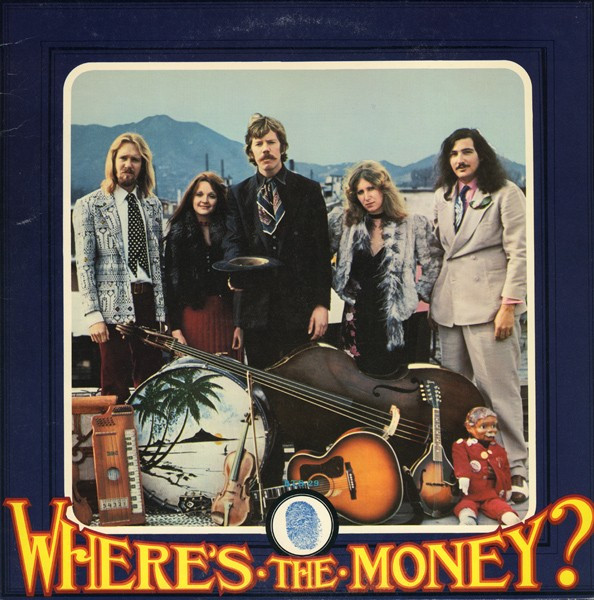
After the debut fizzled on Epic, Hicks moved to Blue Thumb and leaned hard into a dry, drumless sound that defied every production trend of the early seventies. Recording 'Where’s the Money?' live at the Troubadour wasn't a cheap gimmick; it was a necessity to capture the timing of the Lickettes’ vocal interplay and Sid Page’s virtuosic violin runs. These sessions established the 'Hot Licks' template of sophisticated chord voicings disguised as hillbilly music. It was a high-wire act of technical precision performed by guys who looked like they’d just rolled out of a thrift store.
The Hicksville Breakup
By 1974, 'Last Train to Hicksville' finally put the band on the cover of Rolling Stone, but the internal gears were grinding to a halt. Hicks was notoriously difficult to work for, and the pressure of the sudden commercial 'sell-out' potential led him to disband the group right at the peak of their popularity. The record itself is the most polished of the era, featuring cleaner production that finally allowed the intricate vocal arrangements to pop. He walked away from a winning hand because he couldn’t stand the house rules of the big-time music business.
The Surprising Resurgence
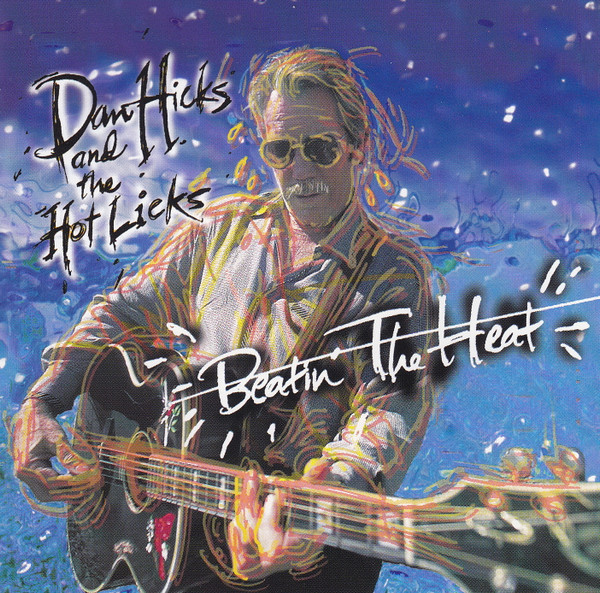
After decades of cult status and sporadic solo work, Hicks reconstituted a new version of the Hot Licks for 2000’s 'Beatin’ the Heat' on Surfdog Records. This wasn't a tired nostalgia act; he brought in heavy hitters like Tom Waits and Rickie Lee Jones who treated him like the royalty he was. The production shifted away from the sparse, dry sound of the seventies toward a fuller, more robust swing style. You can hear the change in the confidence of his voice, which had deepened into a rich, whiskey-soaked growl that fit the material better than his younger self ever did.
Influences
- Django Reinhardt — Hicks frequently cited Django as his primary guitar North Star. You hear it in the rhythmic 'la pompe' chunk of the acoustic guitars and Sid Page’s violin phrasing which mimics Stéphane Grappelli. It’s the skeletal framework of every Hot Licks arrangement.
- The Andrews Sisters — The Lickettes were a direct homage to the tight, three-part harmony style popularized by the sisters in the 1940s. Hicks used these sophisticated vocal stacks to contrast his own lazy, conversational singing style. It turned a folk band into a precision swing machine.
- Bob Wills & His Texas Playboys — Wills was the king of Western Swing, and Hicks lifted the idea of mixing jazz sophistication with country-boy irreverence. The 'Hot Licks' name itself is a nod to the virtuosic solos Wills encouraged in his band. It’s why Hicks always felt more at home in a cowboy hat than a tie-dye shirt.
- Bing Crosby — Hicks modeled his phrasing and effortless 'cool' on Crosby’s early jazz recordings. He obsessed over the way Bing could swing a melody without sounding like he was trying. You hear that laid-back, almost horizontal delivery on tracks like 'I Scare Myself.'
- Fats Waller — Hicks took Waller’s penchant for humorous, spoken-word asides and baked them into his songwriting. The cynical wit in the lyrics of 'How Can I Miss You When You Won't Go Away?' is a direct descendant of Waller’s playful stage persona. He understood that jazz could be funny without being a joke.
Discography
Their records — most-collected first.






Related artists
Around the web
Follow every record they touch.
Start your shelf and Gatefold tracks Dan Hicks and His Hot Licks's new pressings, tour dates, and the whole discography — automatically.
Start your shelf →Free forever. Works with 10 records or 10,000.