
Artist
Cut Copy
Melbourne, Australia · Formed 2001
Cut Copy is a music group from Melbourne, Australia, active since 2001. Their discography on Gatefold includes 11 records.

11
Albums tracked
44
In collections
2001
Since
Biography
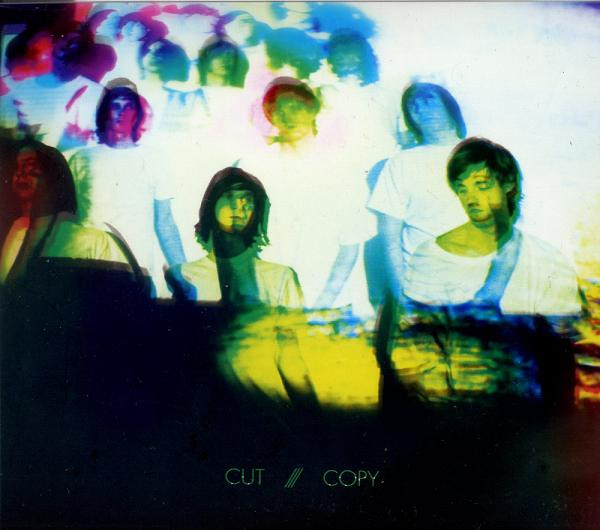
Dan Whitford started this whole mess on a sampler and a shitty laptop in Melbourne while he was still working as a graphic designer. Before it was a touring machine, it was just one guy trying to figure out how to make a Casio keyboard sound like a New Order B-side without getting sued. He recruited Bennett Foddy—yeah, the guy who made that infuriating Getting Over It game—to play bass before the live band solidified. The early stuff on the I Thought of Numbers EP is basically a bedroom project that accidentally got popular because the Australian indie scene was starving for something that didn't sound like a garage rock revival. By the time they hit In Ghost Colours, they were the biggest thing in the Modular Recordings stable, but they almost blew it by overthinking the production. They flew to New York to work with Tim Goldsworthy from DFA Records because they wanted that LCD Soundsystem grit, but they ended up with something much glossier. It’s a miracle that record works at all given it’s basically a pile of 60s psych-pop melodies buried under layers of French house compression. They’ve spent the rest of their career trying to prove they aren't just a nostalgia act for people who miss 2008, occasionally falling into the trap of making 'festival background music' before pulling it back with a weird ambient record or a tribal percussion experiment.
Bio from The Clerk
The Arc of Cut Copy
The pivots — what forced Cut Copy to reinvent.
The Modular Bedroom Phase
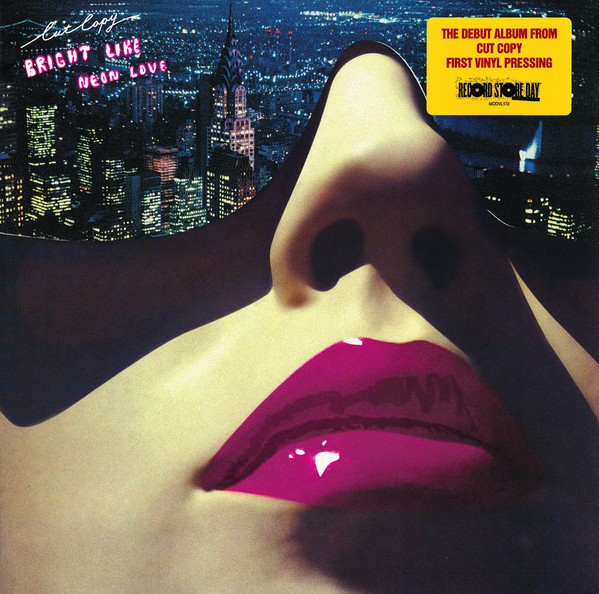
Whitford was just a graphic designer with a sampler until the Bright Like Neon Love sessions forced a bunch of bedroom ideas into a cohesive record. He hadn't even figured out a full touring lineup yet, so the music has this thin, jittery energy that relies more on software than actual sweat. It sounds like a guy discovering how to layer a vocal hook over a four-to-the-floor beat in real-time, which gave those early tracks a primitive charm the later polished stuff lacks.
The Goldsworthy Polish
The band decamped to Brooklyn to let Tim Goldsworthy dismantle their sound for In Ghost Colours, moving away from the lo-fi indie-tronica toward a massive, panoramic production style. Goldsworthy brought the DFA ethos of live instrumentation treated like a loop, which is why the transition between tracks feels like a continuous DJ set rather than a standard album. You can hear the tension between Whitford’s pop sensibilities and Goldsworthy’s obsession with analog gear and rhythmic repetition in every bridge.
The Tribal Detour
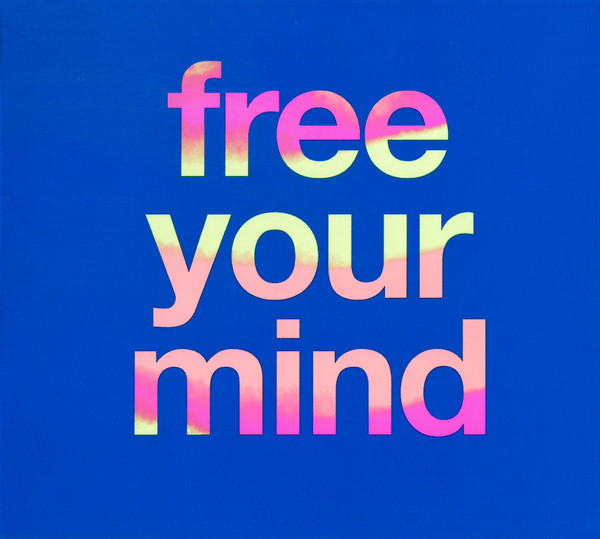
After the neon-soaked success of their first two LPs, the band ditched the city vibes for Free Your Mind, which was heavily influenced by the 1967 Summer of Love and the early 90s warehouse rave scene. They leaned into more organic percussion and sprawling, psychedelic arrangements that felt designed for outdoor festivals rather than dark clubs. It was a polarizing move that stripped away some of the tight synth-pop hooks in favor of hazy atmosphere and repetitive, mantra-like vocals.
Influences
- New Order — Whitford has explicitly cited the Low-Life era as the blueprint for his career. You hear it in the way he marries melancholic, detached vocals with high-energy dance sequences. It's the quintessential 'crying on the dancefloor' vibe.
- Daft Punk — The band has frequently referenced the filter-heavy production of Discovery as a major touchstone for their transition to a bigger sound. That heavy side-chain compression on their mid-period records is a direct lift from the French touch school. It’s what keeps the indie-pop songs from sounding too precious.
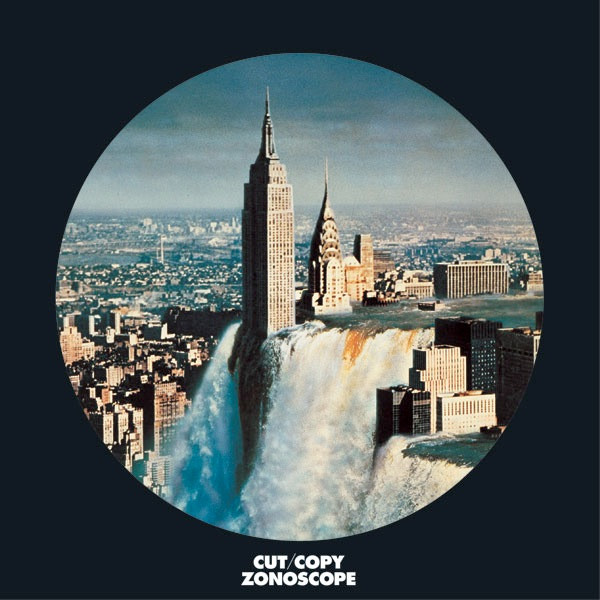
- Fleetwood Mac — They covered 'Everywhere' and have praised the Lindsey Buckingham approach to studio perfectionism in multiple interviews. You can hear that Tusk-era obsession with weird textures and layering in the more complex arrangements on Zonoscope. They want the groove of a club track but the structure of a classic pop song.
- E2-E4 (Manuel Göttsching) — Whitford frequently discusses the importance of this 1984 ambient/krautrock masterpiece in his DJ sets and production. The track 'Sun God' is a sprawling, fifteen-minute homage to Göttsching’s brand of repetitive, evolving minimalism. It's the connective tissue between their pop hits and their ambient experiments.
- The Chemical Brothers — They toured with the duo early on and Whitford credits them with showing the band how to translate electronic music into a massive live spectacle. The aggressive, big-beat percussion on tracks like 'Lights & Music' mirrors the Brothers' ability to make synthesizers feel like heavy metal. It turned them from a synth band into a loud rock band.
Discography
Their records — most-collected first.


Related artists
Around the web
Follow every record they touch.
Start your shelf and Gatefold tracks Cut Copy's new pressings, tour dates, and the whole discography — automatically.
Start your shelf →Free forever. Works with 10 records or 10,000.