
Artist
Crumb
Boston, United States · Formed 2015
Crumb is a music group from Boston, United States, active since 2015. Their discography on Gatefold includes 11 records.

11
Albums tracked
41
In collections
2015
Since
Biography
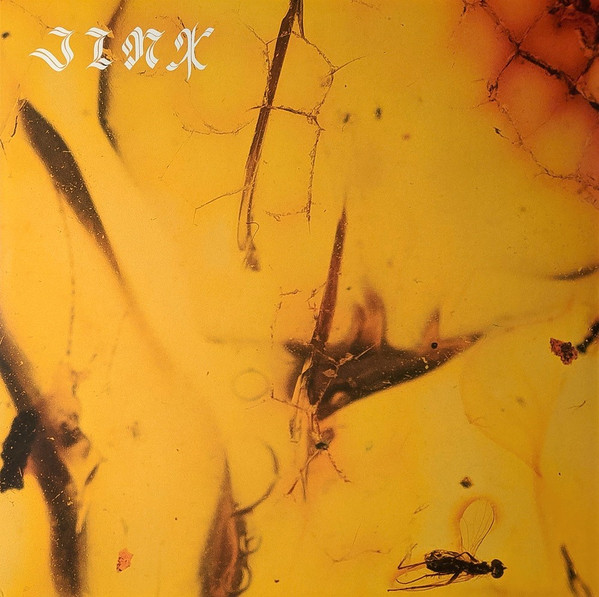
Lila Ramani wrote these songs while she was still a student at Tufts, and they weren't even a band until they needed to record her demos at a studio in Brooklyn. They didn't start with some grand manifesto about reinventing psych-pop; they started as a DIY session with Jonathan Gilad, Jesse Brotter, and Brian Aronow trying to make sense of jazz chords through a haze of heavy reverb. The early stuff on the self-titled EP and Locket feels like it was recorded in the middle of a fever dream, catching fire because of that specific 'Locket' video that turned them into an algorithmic obsession overnight. By the time they hit Jinx, the polish started to creep in, but the dread stayed heavy. Most bands would have leaned into the chill-out room vibes to keep the streaming numbers up, but Crumb went darker and stranger. They spent years grinding out tours in a van, and you can hear that wear and tear on the later records. It’s not just bedroom pop anymore when the drums start hitting with that much crisp, mechanical precision and the lyrics shift from daydreaming to existential static.
Bio from The Clerk
The Arc of Crumb
The pivots — what forced Crumb to reinvent.
The Dorm Room Demos
The band formed around Lila Ramani’s college songwriting, treating their first two EPs as a collaborative experiment rather than a career move. Recording at Shabby Road Studios in Brooklyn, they captured a loose, unhurried chemistry that relied on Brian Aronow’s synth textures and Jonathan Gilad’s jazz-inflected drumming. You hear it in the way 'Bones' or 'Locket' feels like it might drift apart at any second before the groove locks back in. This era is defined by that specific, grainy DIY warmth that became the blueprint for the entire 'bedroom psych' wave that followed.
The Los Angeles Shift
For Ice Melt, the band left the Brooklyn comfort zone and headed to Los Angeles to work with producer Jonathan Rado. Rado is known for his vintage gear obsession and analog saturation, and he pushed the band toward a much more abrasive, haptic sound. The record moved away from the watery reverb of their early work toward dry, punchy drums and strange, processed vocals that felt claustrophobic. It was the sound of a band deliberately killing off their lo-fi reputation to see what kind of weirdness they could survive in a professional room.
The Glitch in the Machine
With the release of AMAMA, the band leaned into heavy sampling and digital manipulation, partially inspired by Ramani’s heritage and family recordings. They started incorporating non-musical sounds and stuttering vocal edits, moving closer to the experimental edges of neo-psych. The production became more fractured and rhythmic, moving away from traditional song structures in favor of dense, layered collages. It’s the most technical they’ve ever sounded, trading the hazy atmosphere of their youth for a sharp, caffeinated anxiety.
Influences
- Stereolab — Ramani has cited them as a primary influence for their ability to blend lounge aesthetics with motorik repetition. You hear it in the hypnotic, circular synth lines on 'Ice Melt' and the band's penchant for analog keyboard textures. They took the French pop sensibilities of Laetitia Sadier and buried them under Brooklyn grit.
- Mild High Club — Alex Brettin’s pitch-warped jazz-pop was a massive touchstone for the early Crumb sound. They share a similar DNA in using complex, 7th-chord progressions disguised as slack-rock anthems. The lazy, detuned guitar leads on 'Plants' are a direct descendant of the Timeline-era sound.
- The Free Design — The band has pointed to 60s sunshine pop and vocal harmony groups as a source for their melodic structures. While Crumb is much darker, the 'airy' quality of Ramani’s vocals mirrors the soft-pop delivery of the Dedrick family. It’s the sound of wholesome melodies being dragged through a distorted filter.
- Arthur Verocai — The Brazilian composer’s self-titled 1972 masterpiece is a documented favorite of the band for its string arrangements and rhythmic complexity. You can hear that influence in the way Crumb treats their basslines as melodic leads rather than just timekeepers. It provides that specific bossa-nova-meets-psych foundation that keeps their grooves from sounding like standard indie rock.
- Melody's Echo Chamber — The connection went full circle when the two acts collaborated on 'Le Temple Volant,' but the influence was there from the start. Melody Prochet’s blend of Tame Impala-style production with dream-pop vocals provided the modern framework for Crumb’s atmospheric goals. It’s the bridge between old-school psych and the modern, synth-heavy reality of the current scene.
Discography
Their records — most-collected first.




Related artists
Members
Around the web
Follow every record they touch.
Start your shelf and Gatefold tracks Crumb's new pressings, tour dates, and the whole discography — automatically.
Start your shelf →Free forever. Works with 10 records or 10,000.