
Artist
Concrete Blonde
Los Angeles, United States · 1982 – 2012
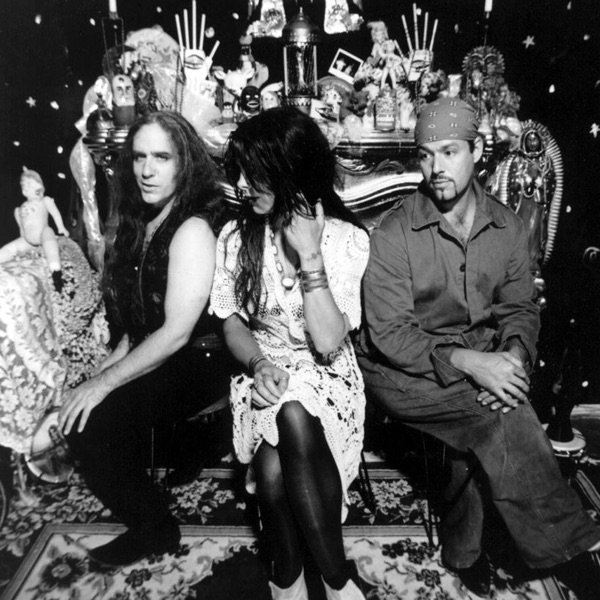
Concrete Blonde is a music group from Los Angeles, United States, active 1982–2012. Their discography on Gatefold includes 11 records.
11
Albums tracked
51
In collections
1982
Since
Biography
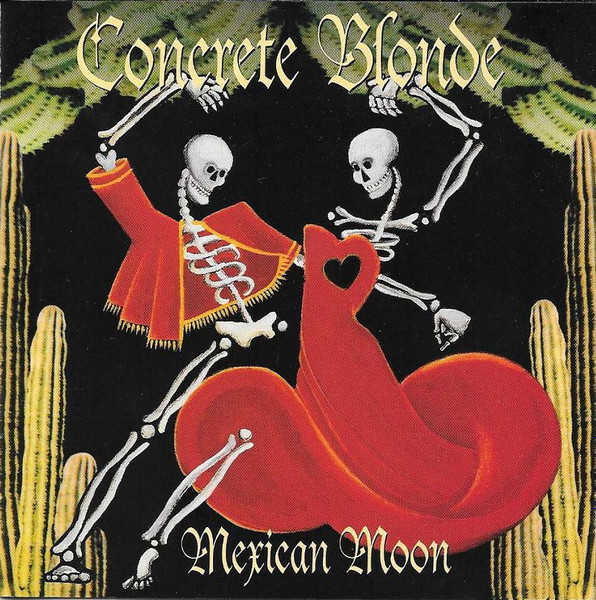
Johnette Napolitano was working as a secretary at Leon Russell's Shelter Records when she met James Mankey, who had already seen the industry guts as a member of Sparks. They tracked their first EP as Dream 6 on a shoestring, but by the time I.R.S. Records got involved, they had a name change and a serious chip on their shoulder. Concrete Blonde wasn't some polished Hollywood project—it was a grit-under-the-fingernails operation fueled by Mankey’s precise, shimmering guitar work and Napolitano’s refusal to sing like a pop star. They hit their peak when they stopped trying to fit into the post-punk box and let the darkness bleed through on Bloodletting. Recording at Cherokee Studios with Chris Tsangarides—a guy known for heavy hitters like Thin Lizzy and Judas Priest—gave them a weight that their L.A. peers couldn't touch. Then they chased it with Mexican Moon, a sprawling, over-ambitious record that felt like the wheels were coming off even as the songs got bigger. They were too smart for hair metal and too jagged for the Lilith Fair crowd, which is exactly why those records still bite.
Bio from The Clerk
The Arc of Concrete Blonde
The pivots — what forced Concrete Blonde to reinvent.
The I.R.S. Apprenticeship
Before the radio hits, they were a lean trio refining a sparse, nervous energy on their self-titled debut. Mankey’s brother Earle handled the production, capturing a band that sounded like they were playing in a concrete basement with the lights off. It’s all sharp angles and Napolitano’s voice still finding its floor-shaking range. You can hear the hunger in the tracks, a raw document of a band trying to claw out of the Hollywood club circuit.
The Bloodletting Breakthrough
Everything changed when the band brought in Chris Tsangarides to lean into the gothic, atmospheric weight of Napolitano's songwriting. Bringing in Paul Thompson from Roxy Music on drums gave the tracks a professional, steady pulse that had been missing. The sessions resulted in a massive, mournful sound that traded post-punk speed for cinematic doom. It turned a bunch of bar-room poets into the definitive voice of early 90s alternative angst.
The Flamenco Detour
After the initial breakup, Napolitano’s obsession with Spanish culture and flamenco guitar took center stage, culminating in the Groupo akashic era and the eventual 2002 reunion. Mojave is the sound of a band that stopped caring about the charts entirely, blending desert rock textures with acoustic flourishes. It’s looser, weirder, and lacks the radio-ready sheen of their prime, but it’s the most honest Napolitano has ever sounded. They traded the big studio budgets for a gritty, independent spirit that carried them to the finish line.
Influences
- The Doors — Napolitano has cited Jim Morrison’s theatricality as a major touchstone, and they famously covered 'The End' for the Point Break soundtrack. You hear it in the moody, sprawling arrangements and her tendency to slip into poetic, spoken-word deliveries mid-song. It's that specific brand of L.A. noir.
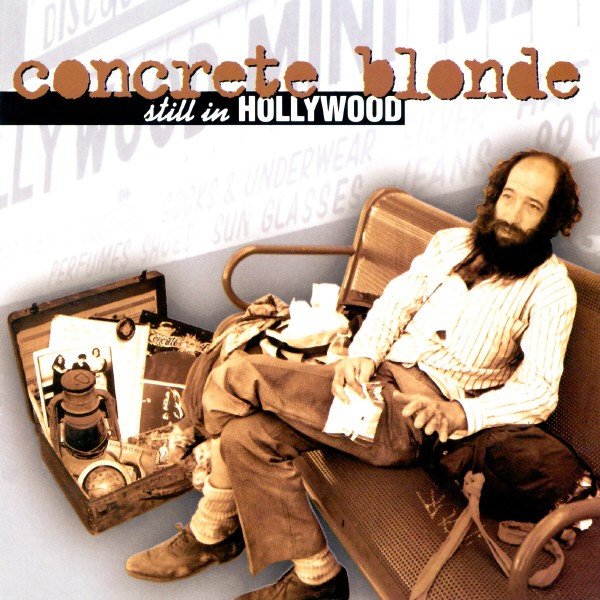
- Patti Smith — The lineage from Horses to Concrete Blonde is a straight line through Napolitano's vocal phrasing and fierce lyrical independence. She’s often mentioned Smith as the blueprint for being a frontwoman who didn't have to play the industry's beauty games. The raw, unvarnished grit in 'Still in Hollywood' is pure Smith worship.
- Roxy Music — The connection is literal—they hired Roxy drummer Paul Thompson for the Bloodletting sessions to get that specific, sophisticated drive. You hear the art-rock influence in Mankey’s textural, almost orchestral guitar layers. They took Ferry's melodrama and dragged it through the mud.
- Sparks — James Mankey was a member of Sparks during their Kimono My House era, and that band's eccentric approach to song structure stayed with him. It explains why Concrete Blonde’s compositions often take weird, sophisticated turns that other alt-rock bands couldn't pull off. It’s the secret weapon behind their melodic sensibility.
- Leonard Cohen — Napolitano is a self-confessed Cohen devotee, eventually covering 'Everybody Knows' on the Pump Up the Volume soundtrack. His DNA is all over her lyrics—the focus on the divine, the dirty, and the desperate. She writes songs like a novelist, a trick she learned from the Master.
Discography
Their records — most-collected first.





Related artists
Around the web
Follow every record they touch.
Start your shelf and Gatefold tracks Concrete Blonde's new pressings, tour dates, and the whole discography — automatically.
Start your shelf →Free forever. Works with 10 records or 10,000.