
Artist
Coheed and Cambria
United States · Formed 2001
Coheed and Cambria is a music group from United States, active since 2001. Their discography on Gatefold includes 17 records.

17
Albums tracked
282
In collections
2001
Since
Biography
Claudio Sanchez was basically living in a garage in Nyack when they cut The Second Stage Turbine Blade for Equal Vision. The budget was non-existent. They didn't have the fancy synth rigs or the sprawling orchestral arrangements yet—just thin, biting guitars and Josh Eppard’s heavy-handed groove. It was post-hardcore with a prog-rock heart that didn't know it was allowed to be this nerdy yet. The vocals were high, the concepts were dense, and the scene had no idea what to do with a band that sounded like Sunny Day Real Estate covering Rush. They hit a wall around Year of the Black Rainbow when Atticus Ross and Joe Barresi got behind the board. It’s a dense, over-compressed mess that nearly choked the life out of the band's natural swing, especially with the rotating door of drummers after Eppard left. They had to strip it all back with the Afterman records and eventually ditch the sci-fi masks entirely for a minute on The Color Before the Sun just to prove they could write a song about a real human feeling. It saved them from becoming a parody of their own lore. Now they’re back in the space opera, but with enough stadium-rock muscle to actually fill the room.
Bio from The Clerk
The Arc of Coheed and Cambria
The pivots — what forced Coheed and Cambria to reinvent.
The Equal Vision Basement Years
Between 2002 and 2003, the band operated on the raw energy of the New York post-hardcore circuit while hiding massive Queen-inspired ambitions. Recording In Keeping Secrets of Silent Earth: 3 at Applehead Recording was the turning point where the production finally caught up to the songwriting. You hear it in the title track's eight-minute sprawl—suddenly they weren't just another band on a punk label, but a legitimate prog-rock threat. Michael Todd’s melodic bass lines and Eppard’s funk-influenced pocket gave the high-concept lyrics a ground to stand on.
The Major Label Bloat
Moving to Columbia for the Good Apollo era changed the scale from theater to arena, bringing in big-budget textures and more aggressive metal riffing. The friction of the era is audible on No World for Tomorrow, where Taylor Hawkins had to step in on drums because the band was essentially falling apart behind the scenes. This period saw them ditching the indie-rock sensibilities for a polished, high-gain sound that leaned into the 80s metal playbook. It’s the sound of a band being pushed to become a commercial behemoth while their internal chemistry was actively combusting.
The Return to Independence
After the mechanical coldness of the Black Rainbow sessions, the band retreated back to Applehead and their own imprint to regain their soul. Bringing Josh Eppard back for The Afterman double-album was the smartest move they ever made because it restored the specific rhythmic bounce that makes Coheed work. The production on these records feels organic again, trading the industrial wall-of-sound for dynamic, riff-heavy storytelling that actually breathes. It signaled the end of their identity crisis and the beginning of their era as a self-sustaining cult institution.
Influences
- Rush — Claudio has cited Moving Pictures as a foundational text for how to bridge technical proficiency with radio-ready hooks. You hear it in the intricate, interlocking guitar interplay between Sanchez and Stever that never sacrifices the song's momentum. It’s the blueprint for their entire 'prog-pop' identity.
- Thin Lizzy — The band famously covered 'The Boys Are Back in Town' and frequently references Phil Lynott’s knack for harmony-lead guitars. Those twin-guitar harmonies in the 'Ten Speed' riff or the climax of 'Welcome Home' are straight out of the Scott Gorham and Brian Robertson playbook. It's the secret sauce that keeps their metal leanings from feeling too cold or modern.
- The Police — Josh Eppard has explicitly pointed to Stewart Copeland as his primary influence for his hi-hat work and syncopated snare hits. This is why Coheed has a 'swing' that most other prog-metal bands completely lack. Listen to the verses of 'Blood Red Summer' and you’re hearing a punk-rock version of Ghost in the Machine.
- Pink Floyd — The band’s conceptual continuity and use of recurring musical motifs across decades is a direct lift from the Waters-era Floyd structure. Beyond the story, the atmospheric 'Big Beige' demos show they learned how to use negative space and texture from records like The Wall. They took the 'rock opera' tag and actually ran with it.
- Iron Maiden — The galloping rhythms and fantasy-laden storytelling are a nod to Steve Harris, with the band often performing Maiden covers during soundchecks. You can hear the Steve Harris influence in the aggressive, percussive bass style Michael Todd used on the early records. It’s the foundation for the more 'epic' cinematic moments in their catalog.
Discography
Their records — most-collected first.
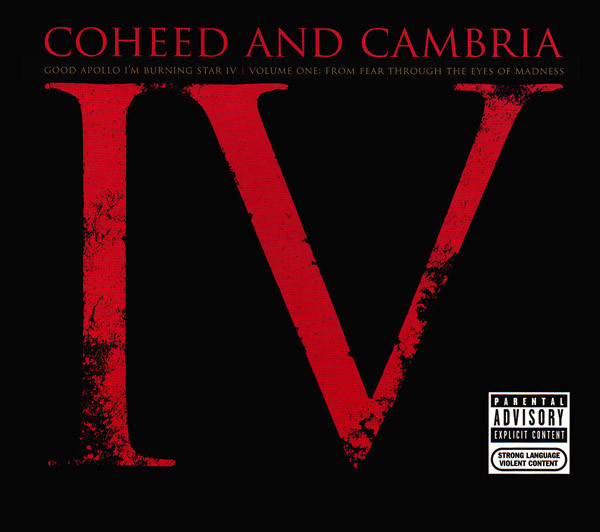
Good Apollo I'm Burning Star IV | Volume One: From Fear Through The Eyes Of Madness
2005
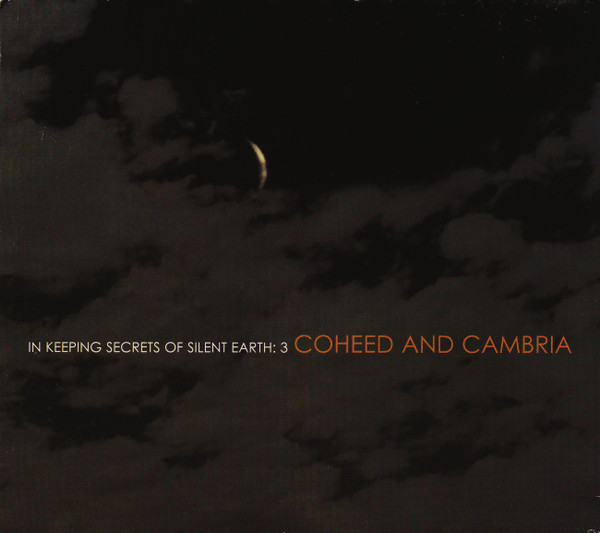
In Keeping Secrets Of Silent Earth: 3
2003
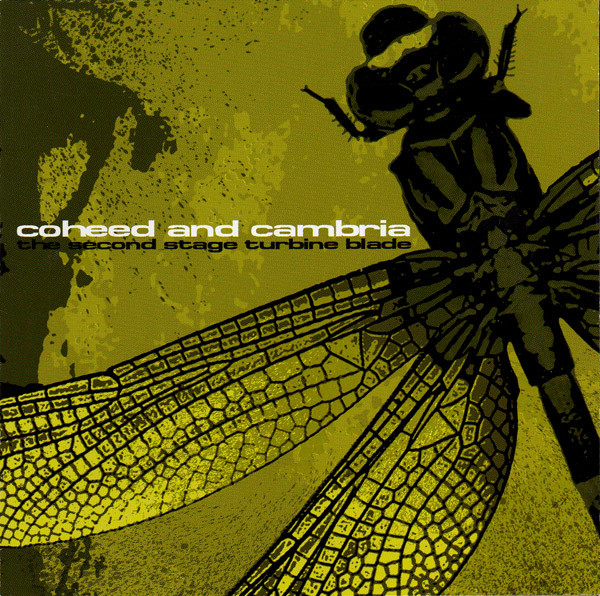
The Second Stage Turbine Blade
2002

Good Apollo I'm Burning Star IV | Volume Two: No World For Tomorrow
2007

Vaxis III: The Father Of Make Believe
2025
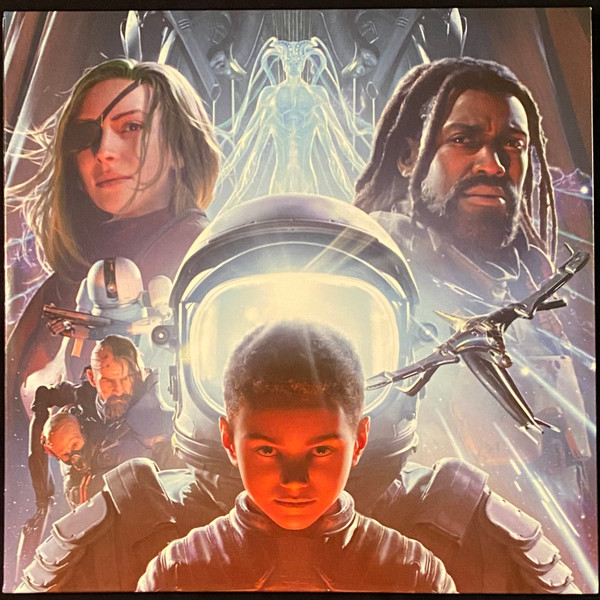
Vaxis II: A Window Of The Waking Mind
2022
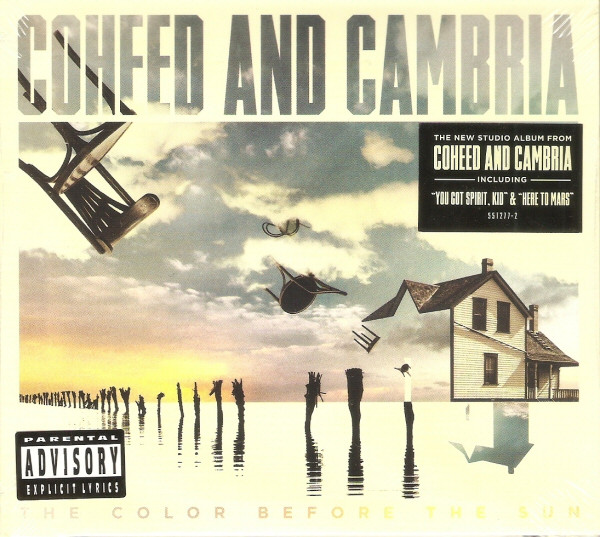
The Color Before The Sun
2015

Vaxis – Act I: The Unheavenly Creatures
2018

The Afterman: Descension
2013

The Afterman: Ascension
2012
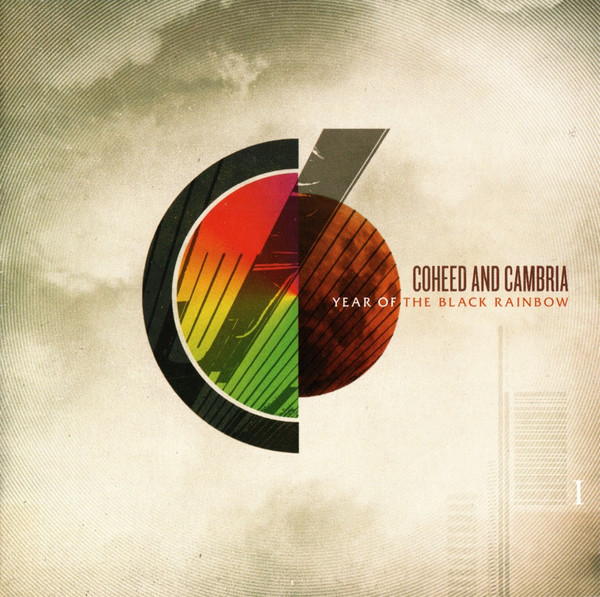
Year Of The Black Rainbow
2010

The Joke / Deranged
2024

Live At The Starland Ballroom
2005

Neverender
2009

Jessie's Girl 2 (Feat. Rick Springfield)
2020

The Afterman
2013

The Last Supper: Live At Hammerstein Ballroom
2006
Related artists
Around the web
Follow every record they touch.
Start your shelf and Gatefold tracks Coheed and Cambria's new pressings, tour dates, and the whole discography — automatically.
Start your shelf →Free forever. Works with 10 records or 10,000.