
Artist
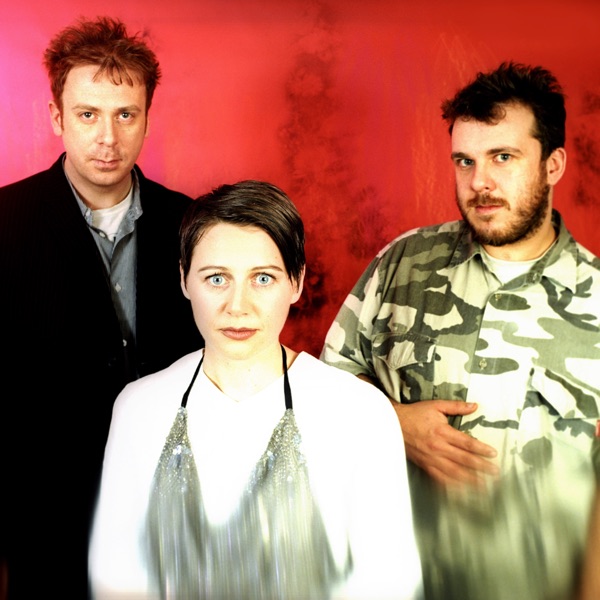
Cocteau Twins
Grangemouth, United Kingdom · 1979 – 1997
Cocteau Twins is a music group from Grangemouth, United Kingdom, active 1979–1997. Their discography on Gatefold includes 24 records.
35
Albums tracked
430
In collections
1979
Since
Biography
Robin Guthrie spent the early days running a cheap Roland drum machine into a rat's nest of chorus pedals, distortion boxes, and tape echo just to mask the fact that he was a self-taught guitarist who could barely play basic chords. It wasn't a studio luxury. It was pure survival. They couldn't keep a real drummer in Grangemouth, so the machine dictated the tempos, and Guthrie built a cathedral of fuzz and modulation over top of it. Then Elizabeth Fraser stepped up to the microphone and threw out the English dictionary entirely. She pulled syllables from foreign dialects, nursery rhymes, and sheer phonetics, treating her voice strictly as another instrument in the rack. The trick with this band is realizing they weren't precious art-school mystics hiding behind dry ice. They were working-class kids chasing sounds with whatever gear they could haul through the door, living through brutal interpersonal meltdowns and substance spirals that eventually cracked the foundation in half. By the late eighties, Guthrie's production was so drenched in outboard gear and digital delay that it bordered on claustrophobic, but Fraser's phrasing cut clean through the fog every single time. When they finally let the air into the mix in the early nineties, the magic didn't vanish—it just got devastatingly clear.
Bio from The Clerk
The Arc of Cocteau Twins
The pivots — what forced Cocteau Twins to reinvent.
The Post-Punk Drum Machine Years
Will Heggie was still holding down the low end, and the sound was raw, brittle, and unapologetically tethered to gothic post-punk. They tracked Garlands on a shoestring, leaning on an 808-style rhythm box and jagged, abrasive guitar lines that had more teeth than dream. Heggie walked after a grueling tour, forcing Guthrie and Fraser to regroup as an isolated duo for Head Over Heels. That sudden vacuum pushed Guthrie to layer his own bass and drown the tracks in multi-effects, accidentally inventing the template that redefined them.
The Definitive Trio and the Soundwall
Simon Raymonde joined on bass and piano, locking in the classic three-piece lineup just in time to record Treasure. Guthrie went completely down the rabbit hole of studio trickery, stacking tracks until the guitars sounded like church bells and Fraser's vocal overdubs resembled a massive, unhinged choir. It was dense, layered, and utterly divorced from contemporary radio trends, yielding mini-masterworks like Tiny Dynamine and Echoes in a Shallow Bay. You can hear Raymonde's melodic basslines carrying the actual hooks while Guthrie's effects loops turn into shimmering weather systems overhead.
The Peak of Clarity
By the dawn of the nineties, Guthrie upgraded their home setup to custom specs, and the muddy tape haze was swapped for pristine, shimmering high fidelity on Heaven or Las Vegas. Fraser had just become a mother, and her lyrics—while still largely abstract—began incorporating decipherable English phrases about domestic terror and joy. Guthrie was battling heavy cocaine addiction, yet his guitar tones had never sounded tighter, punchier, or more rhythmically propulsive. The record became a massive hit because the songwriting finally stepped out from behind the wall of sheer reverb.
The Fractured Finale
Fraser and Guthrie's personal relationship completely collapsed, turning the studio into an emotional graveyard during the making of Four-Calendar Café. Fraser stripped away the gloss, delivering raw, explicitly coherent lyrics about trauma, rehab, and the breakup while Raymonde tried to keep the band functional as a mediator. By Milk & Kisses, the arrangements had hardened back into lush production, but the communication was entirely dead. They cut the tracks, fulfilled the contractual obligations, and shut the door permanently during rehearsals for their next run.
Influences
- Siouxsie and the Banshees — Fraser famously had Banshees tattoos as a teenager and met Guthrie at a local disco that spun their tracks. You can hear John McKay's jagged, flanged guitar style all over Guthrie's work on Garlands. Fraser's swooping, dramatic vocal attacks on their debut were direct descendants of Siouxsie Sioux's early delivery.
- The Birthday Party — Guthrie repeatedly singled out Nick Cave and Rowland S. Howard's gang as a massive live inspiration when the band first formed. You hear Howard's screeching, feedback-heavy approach to distortion all over the Peppermint Pig sessions. They loved that raw, chaotic confrontation even as they smoothed out their own edges.
- Public Image Ltd. — Jah Wobble's dub-heavy, anchor-deep bass runs on Metal Box were the direct inspiration for Will Heggie and Simon Raymonde's rhythmic approach. Listen to the low-end pulse driving tracks like 'Wax and Wane'—it's straight out of Wobble's playbook. Guthrie openly admitted they used heavy bass to ground Fraser's soaring vocals so the tracks didn't just float away.
- Sex Pistols — Guthrie credit the UK punk explosion with making him realize that technical proficiency was completely irrelevant to making a powerful record. That DIY ethos led them to buy a cheap drum machine and plug straight into guitar pedals rather than wait around to hire traditional musicians. The wall of buzzsaw guitars on Garlands takes its attitude directly from Steve Jones, just heavily modulated.
- Kate Bush — Fraser frequently referenced Bush's unconventional, theatrical vocal ranges and experimental use of the Fairlight as a breakthrough moment for female vocalists in Britain. You hear that fearless, acrobatic register-jumping across Treasure and Victorialand. It opened the door for Fraser to treat her voice as pure composition rather than traditional pop storytelling.
Discography
Their records — most-collected first.
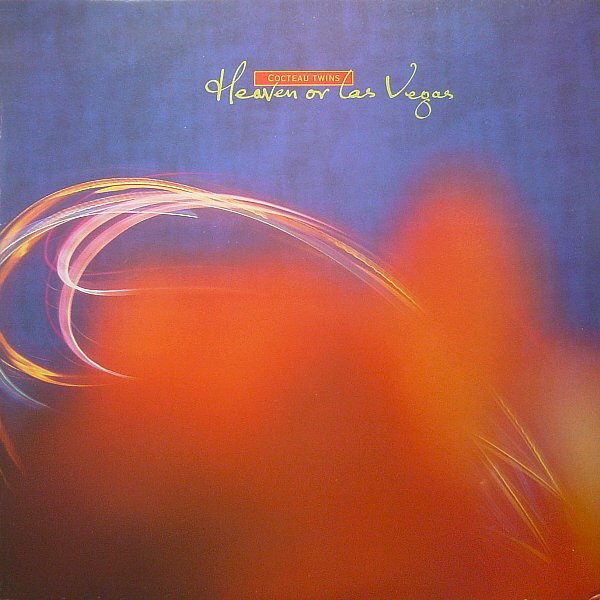
Heaven Or Las Vegas
1990
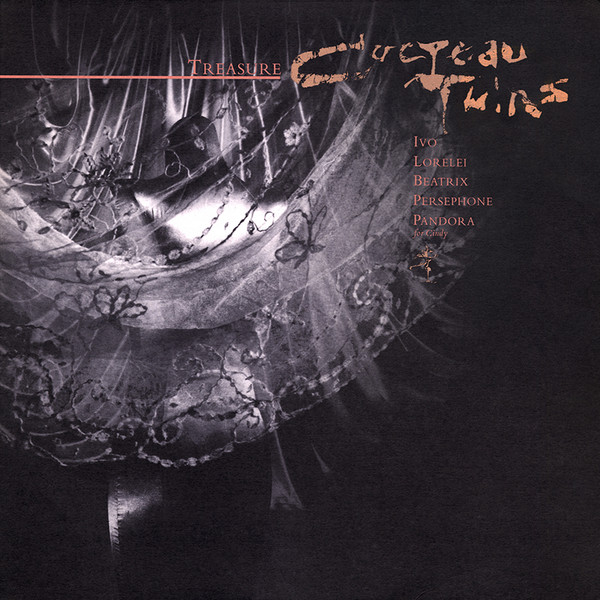
Treasure
1984

Blue Bell Knoll
1988
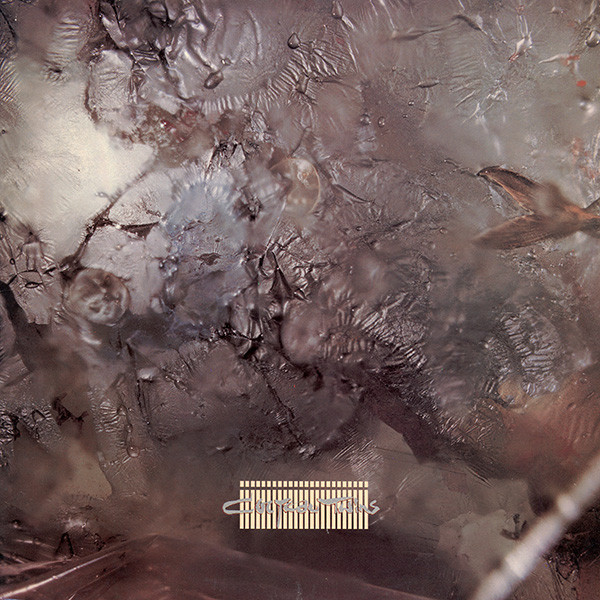
Head Over Heels
1983
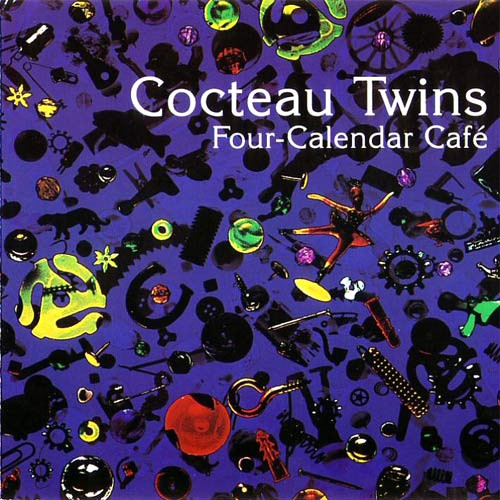
Four-Calendar Café
1993
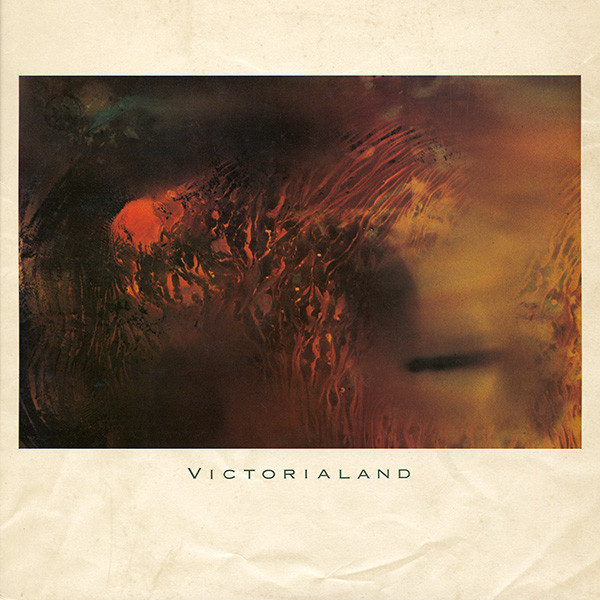
Victorialand
1986
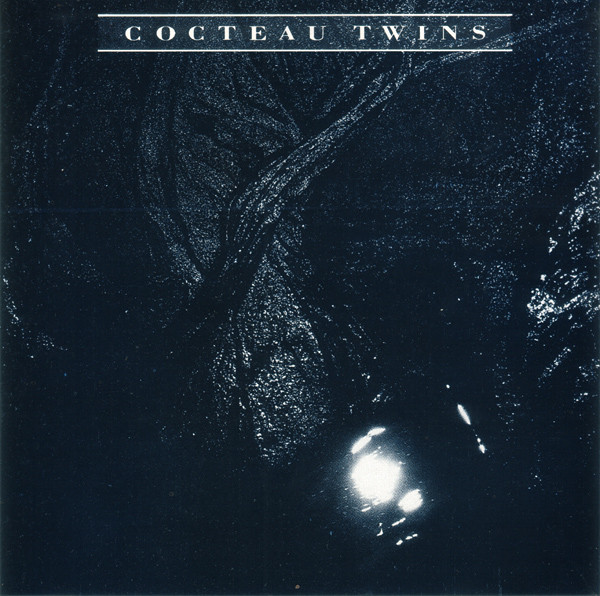
The Pink Opaque
1986
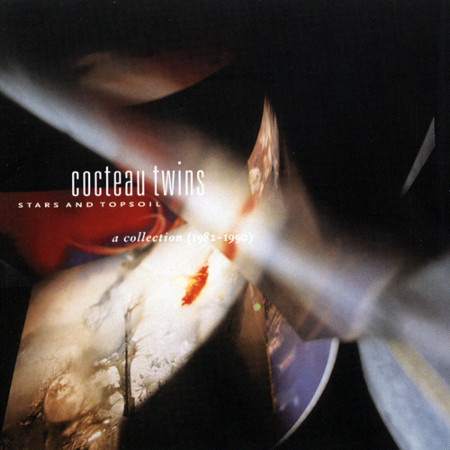
Stars And Topsoil A Collection (1982-1990)
2000

Milk & Kisses
1996
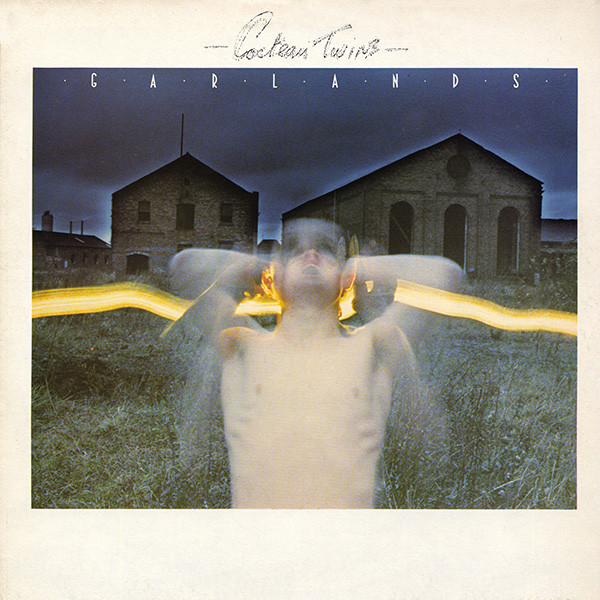
Garlands
1982

The Spangle Maker
1984

Tiny Dynamine / Echoes In A Shallow Bay
1985
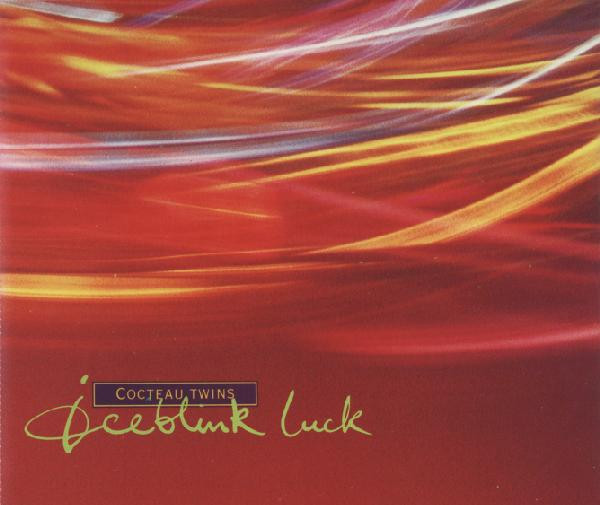
Iceblink Luck
1990
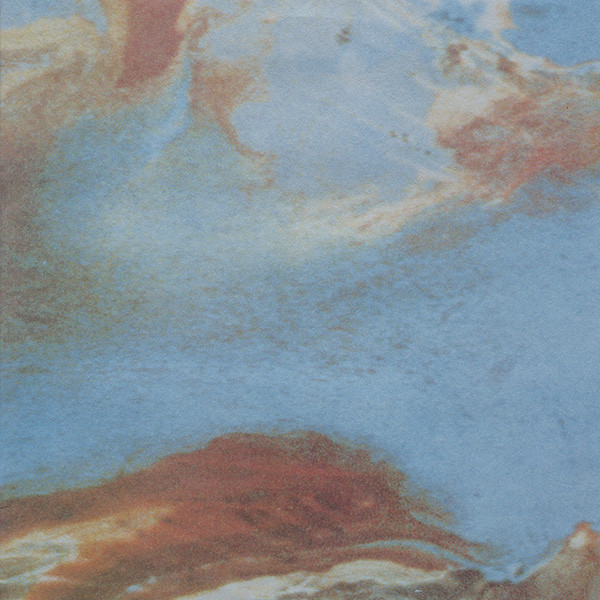
Love's Easy Tears
1986
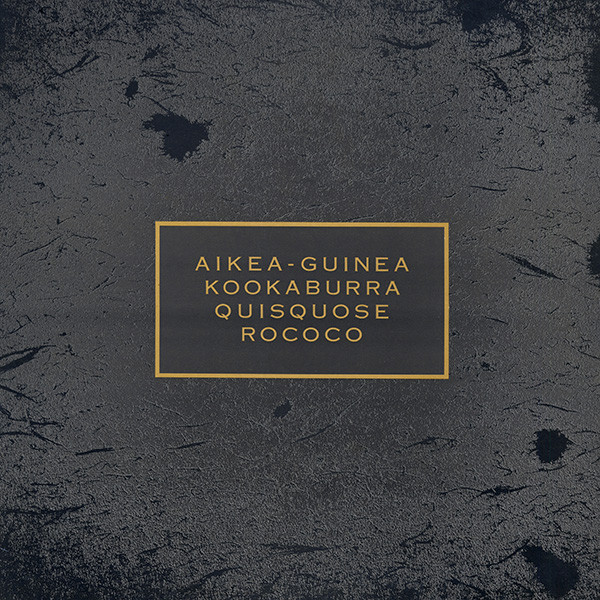
Aikea-Guinea
1985
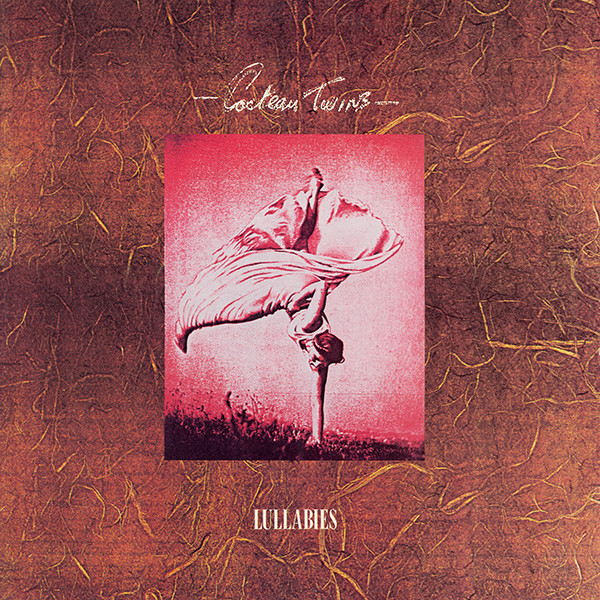
Lullabies
1982

Lullabies To Violaine - Volume 1
2006
Head Over Heels / Sunburst And Snowblind
1983
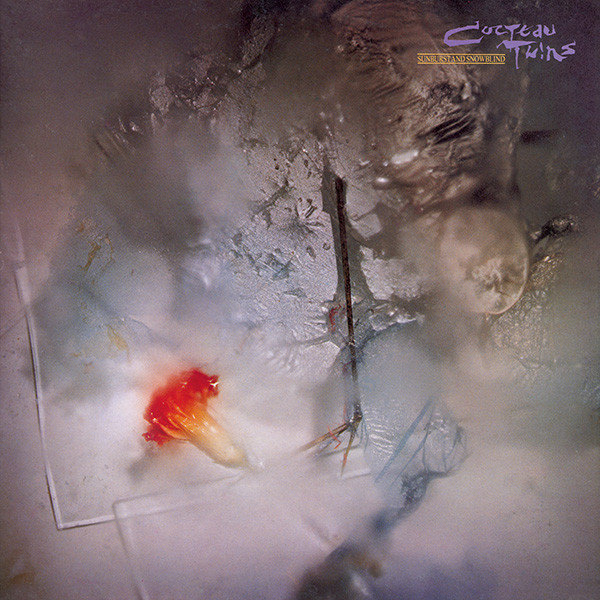
Sunburst And Snowblind
1983

Violaine
1996

Tiny Dynamine
1985
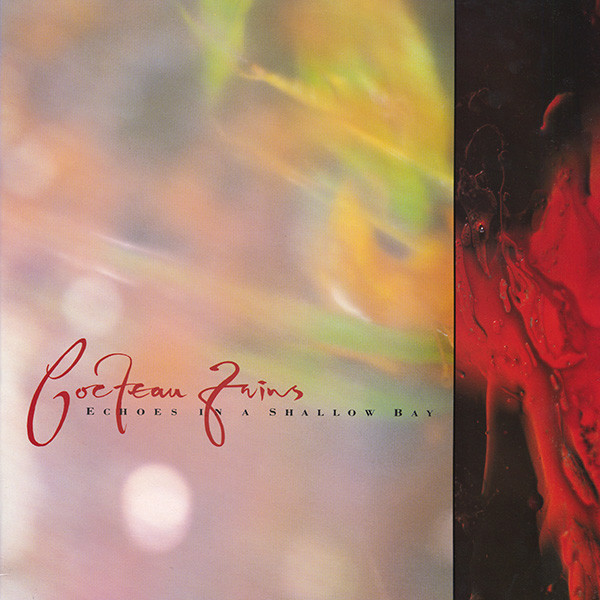
Echoes In A Shallow Bay
1985
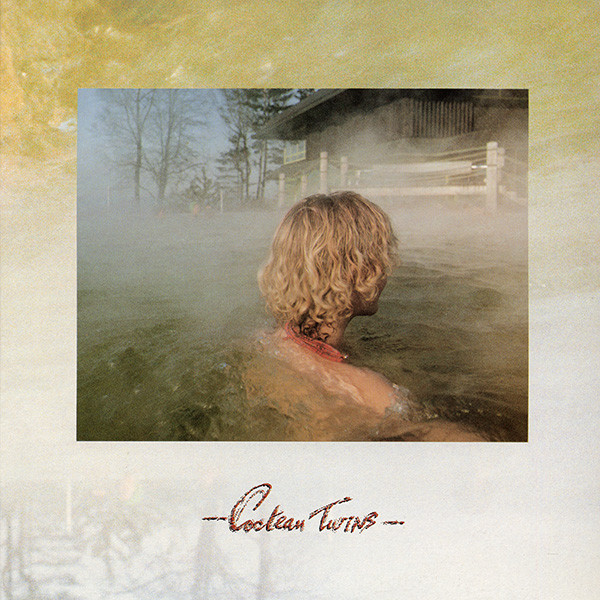
Peppermint Pig
1983

Lullabies To Violaine - Volume 2
2006
Related artists
Around the web
Follow every record they touch.
Start your shelf and Gatefold tracks Cocteau Twins's new pressings, tour dates, and the whole discography — automatically.
Start your shelf →Free forever. Works with 10 records or 10,000.