
Artist
Cirith Ungol
Ventura, United States · Formed 1971
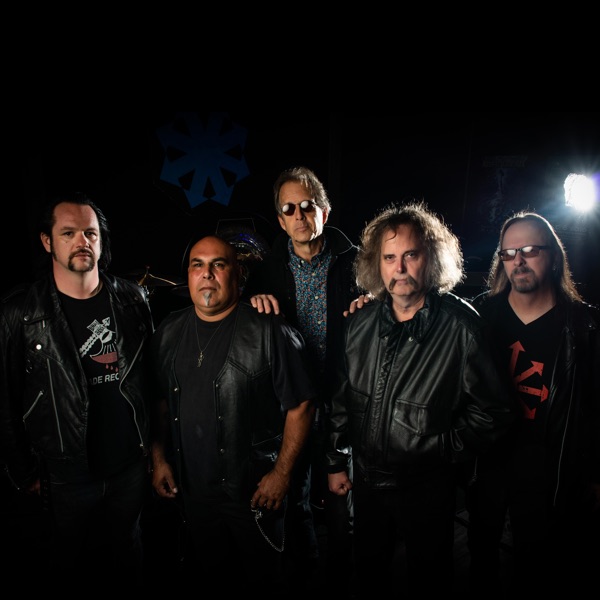
Cirith Ungol is a music group from Ventura, United States, active since 1971. Their discography on Gatefold includes 11 records.
11
Albums tracked
33
In collections
1971
Since
Biography
Greg Lindstrom and Robert Garven were obsessed with high-fantasy literature long before it was a marketing angle, and they spent years in a Ventura garage trying to find a sound that felt as heavy as a Michael Moorcock book cover. They self-produced 'Frost and Fire' in 1980 just to get played on the radio, but they accidentally created a blueprint for doom metal because nobody else was playing guitar with that much fuzz and classicist dread. The production was thin as hell, but the riffs were massive. Tim Baker wasn't even the original singer, but once he stepped up, the band finally found its identity. His voice is a love-it-or-hate-it screech that sounds like a gargoyle gargling glass. It’s the sound of a band that didn't care about the Sunset Strip hair metal scene happening just down the coast. They were weird, isolated, and stubbornly dedicated to the dark stuff.
Bio from The Clerk
The Arc of Cirith Ungol
The pivots — what forced Cirith Ungol to reinvent.
The Garage Prog Years
Before Tim Baker took the mic, the band spent the seventies as a quartet with Neil Beattie on vocals, leaning much harder into a psychedelic, hard-rocking space. You can hear the transition on 'The Orange Album' demos where the songwriting was already complex but lacked the sheer aggression of their later work. Jerry Fogle’s guitar playing was the anchor here, blending Hendrix-style fluidity with a more rigid, proto-metal structure that the band was still figuring out how to weaponize.
The Sword and Sorcery Peak
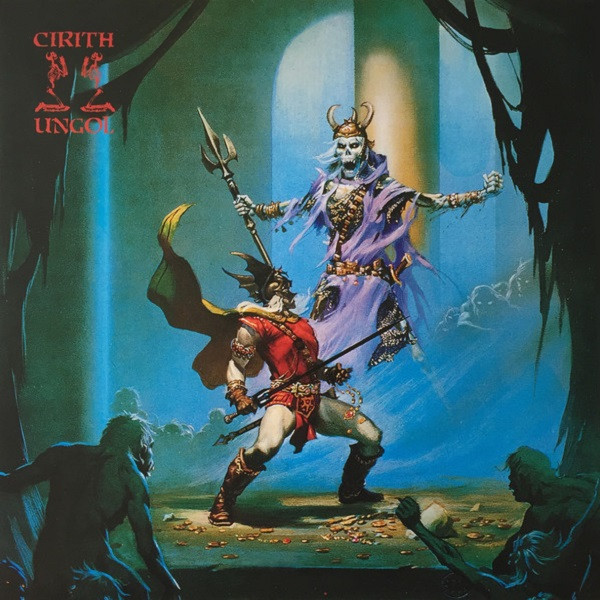
With the release of 'King of the Dead' in 1984, the band leaned fully into the abyss and handled the production themselves to ensure no one polished off the rough edges. This is where the 'Ventura Sound' peaked, defined by Robert Garven’s frantic drumming and Fogle’s neoclassical, mourning guitar solos. It’s a claustrophobic, heavy-as-lead masterpiece that ignored every 1980s production trend in favor of sounding like a cursed relic dug up from a basement.
The Restless Silence
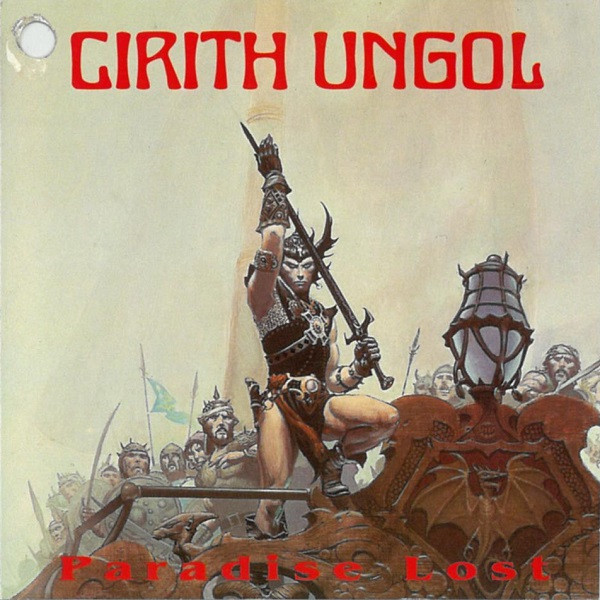
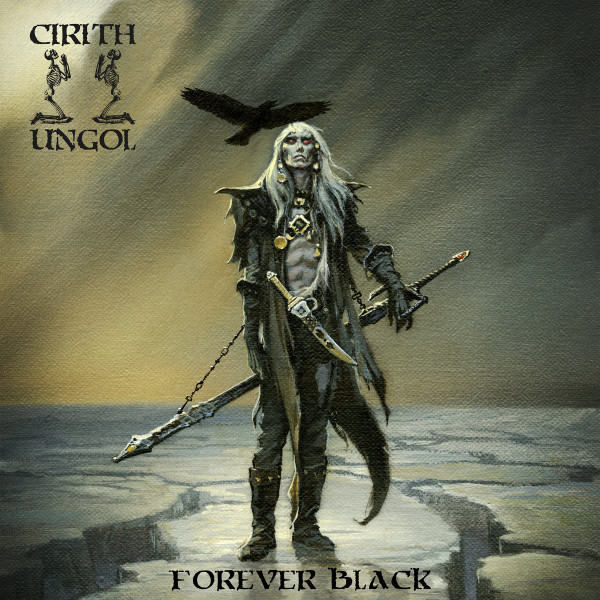
The 1991 release of 'Paradise Lost' was a disaster behind the scenes, fueled by label interference and a revolving door of lineup changes that eventually broke the band. The production was too clean for their grit, and the internal friction between the old guard and the new players turned the session into a slog that led to a nearly thirty-year disappearance. They walked away from the industry entirely until the European festival circuit and the resurgence of traditional heavy metal dragged them back into the light for 'Forever Black'.
Influences
- Budgie — The band has frequently cited these Welsh power-trio legends as a primary spark for their heavy-yet-nimble rhythm section. You hear it in the way Garven and Lindstrom locked into those proto-metal grooves that were more agile than Black Sabbath. It’s that blue-collar, frantic energy that defines the early Cirith Ungol demos.
- Blue Cheer — Robert Garven specifically pointed to Blue Cheer as the reason he wanted to play loud, uncompromising music. The raw, distorted wall of sound on 'Vincebus Eruptum' is the direct ancestor of the blown-out fuzz found on 'Frost and Fire'. They took the 'loudest band in the world' ethos and applied it to high-fantasy doom.
- Dust — This short-lived American hard rock band was a huge touchstone for the Ventura kids, especially the aggressive guitar work of Richie Wise. You can hear the DNA of Dust's 'Hard Attack' in the complex structures and dark atmosphere of 'King of the Dead'. It’s that specific brand of early 70s American gloom that the band refined.
- Arthur Brown — Tim Baker’s theatrical, piercing vocal style owes a massive debt to the 'God of Hellfire' himself. While most metal singers were trying to be Robert Plant, Baker leaned into the unhinged, dramatic screeching that Brown pioneered. It’s the difference between singing a song and performing an exorcism.
- The Jimi Hendrix Experience — Jerry Fogle’s entire lead style was built on the foundation of Hendrix’s fluid, feedback-heavy improvisation. Even when the songs got more structured and 'metal,' Fogle’s solos always had that psychedelic, wandering quality that felt like a direct tribute to 'Electric Ladyland'. He was essentially a psych guitarist trapped in a doom band.
Discography
Their records — most-collected first.




Related artists
Around the web
Follow every record they touch.
Start your shelf and Gatefold tracks Cirith Ungol's new pressings, tour dates, and the whole discography — automatically.
Start your shelf →Free forever. Works with 10 records or 10,000.