
Artist
Christian Death
Los Angeles, United States · Formed 1979
Christian Death is a music group from Los Angeles, United States, active since 1979. Their discography on Gatefold includes 24 records.

34
Albums tracked
37
In collections
1979
Since
Biography
Rozz Williams cut Only Theatre of Pain at Sunwest Studios in Hollywood with Thom Wilson producing and Teenage Jesus guitarist James Chance's engineer behind the board. Rikk Agnew had just walked away from the Adolescents, took a stack of unused punk riffs, smothered them in chorus and flanger pedals, and handed Rozz a skeletal, screaming deathrock framework. It was nasty, cheap, and totally unhinged from the sunny LA hardcore scene surrounding it. Then the band disintegrated almost immediately, leaving Rozz to reconstitute the name in Europe with Pompeii 99 members Valor Kand and Gitane DeMone. What followed was one of the messiest, most bitter naming disputes in underground rock history after Rozz walked away in the mid-eighties. Valor hijacked the trademark into bloated goth-metal cabaret, Rozz launched a rival lineup in the nineties to reclaim his own name, and fans spent three decades having to check the back cover personnel just to make sure they weren't buying an over-produced vanity project.
Bio from The Clerk
The Arc of Christian Death
The pivots — what forced Christian Death to reinvent.
The Agnew Collision
Rozz Williams pulled Rikk Agnew into Sunwest Studios to turn teenage deathrock poetry into something vicious and real. Agnew's blown-out chorus pedals and melodic, aggressive guitar runs on Only Theatre of Pain gave Rozz the exact gothic punk bite he lacked on his own. It was a chaotic lightning-strike session that defined the American deathrock template before Agnew bolted back out the door.
The European Pompeii Merger
Stranded in France without a band, Rozz joined forces with Valor Kand, Gitane DeMone, and David Glass of Pompeii 99 to cut Catastrophe Ballet and Ashes. Recorded in Monmouth, Wales, the sound shifted away from Orange County hardcore aggression into theatrical, piano-laced post-punk with French surrealist overtones. Rozz quit shortly after Ashes, handing Valor the keys to a vehicle he never intended to surrender.
The Valor Kand Schism
With Rozz gone, Valor Kand kept the moniker and redirected the catalog toward heavy-metal-adjacent darkwave on records like Atrocities and Sex and Drugs and Jesus Christ. The arrangements bloated with keyboards, operatic backing vocals from Gitane DeMone, and provocative anti-religious packaging. It split the fanbase forever, alienating the original deathrock crowd while finding an entirely new gothic rock audience overseas.
The Dual Lineup War
Rozz reclaimed his legacy in the early nineties, pairing with Eva O to release material under the Christian Death moniker alongside Valor's continuing operation. Records like The Path of Sorrows and The Rage of Angels leaned back into cabaret gloom and visceral noise, sparking lawsuits and promotional chaos over who owned the name. That chapter ended abruptly with Rozz's death in 1998, leaving Valor in uncontested possession of the brand.
Influences
- David Bowie — Rozz openly cited Diamond Dogs as his stylistic ground zero for androgyny and gothic theatricality. You hear it straight through the dramatic vocal phrasing and cut-up lyricism on Catastrophe Ballet. Bowie gave deathrock its blueprint for looking glamorous while singing about doom.
- The Germs — Rozz was a regular at the Masque and built his stage persona watching Darby Crash bleed on LA dive bar floors. The reckless vocal phrasing and self-destructive energy on Only Theatre of Pain comes directly from Darby's playbook. Without the Germs, LA deathrock would have lacked its raw punk teeth.
- Roxy Music — Rozz constantly pointed to Brian Eno-era Roxy Music and Bryan Ferry's decadent lounge style as essential listening. The lush keyboards and detached, decadent croon on Ashes reflect that early art-rock obsession. It gave the band permission to drop punk speed for European cabaret.
- Alice Cooper — The theatrical horror and provocative stage props came straight out of Billion Dollar Babies. The shock-rock aesthetic and macabre religious imagery were lifted directly from Cooper's seventy-era shock machine. You hear it in the dark humor and camp dread of Rozz's early lyrical themes.
- Siouxsie and the Banshees — The Banshees proved you could take punk energy and stretch it into cold, spacious post-punk using flange and tribal drumming. Rikk Agnew's swirling guitar tones on tracks like 'Spiritual Cramp' mirror John McGeoch's textural pedal work on Juju. It provided the sonic architecture that separated them from standard three-chord punk bands.
Discography
Their records — most-collected first.
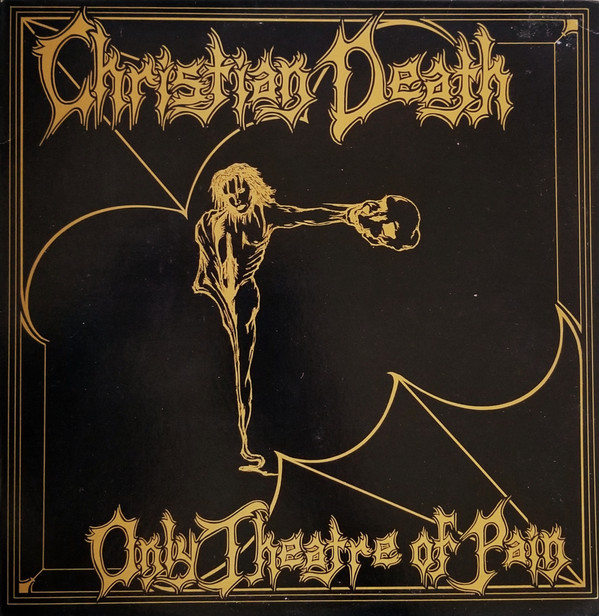
Only Theatre Of Pain
1982
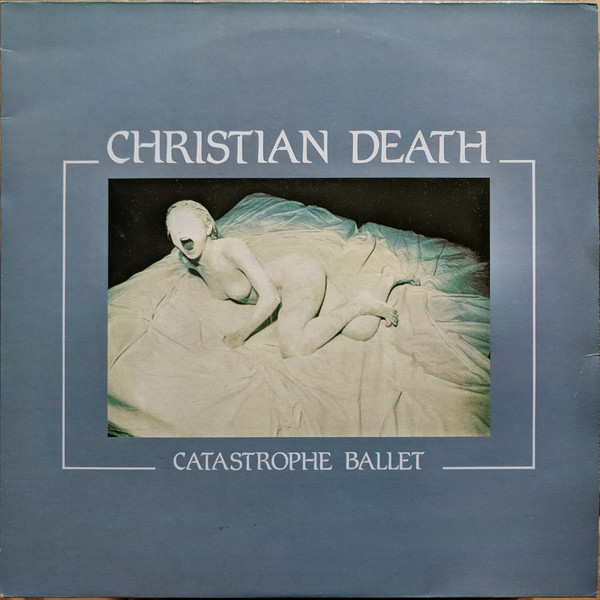
Catastrophe Ballet
1984
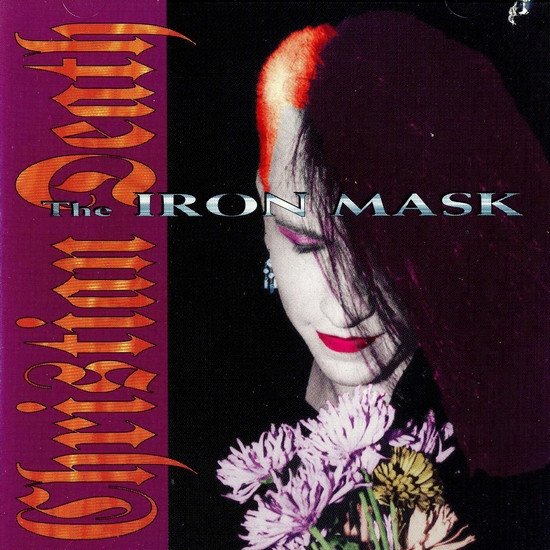
The Iron Mask
1994

The Scriptures
1987

Atrocities
1986
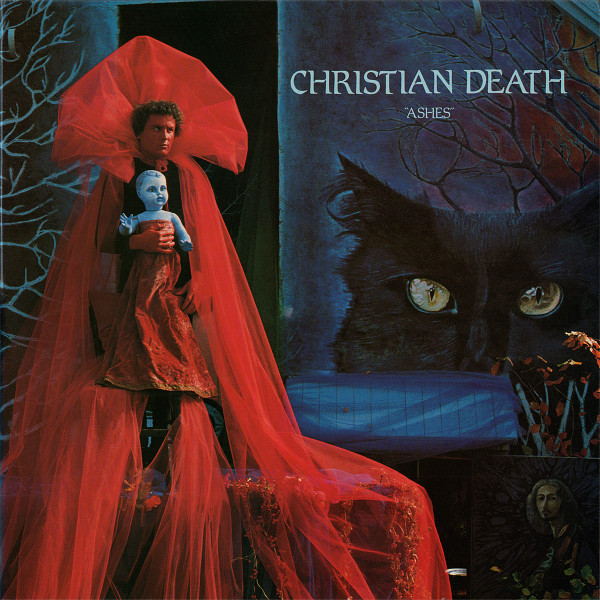
"Ashes"
1985

Evil Becomes Rule
2022

Tales Of Innocence, A Continued Anthology...
1993

Jesus Points The Bone At You?
1991

Insanus, Ultio, Proditio, Misericordiaque
1990

All The Love All The Hate (Part Two: All The Hate)
1989

All The Love All The Hate (Part One: All The Love)
1989

Zero Sex
1989

Sex And Drugs And Jesus Christ
1988
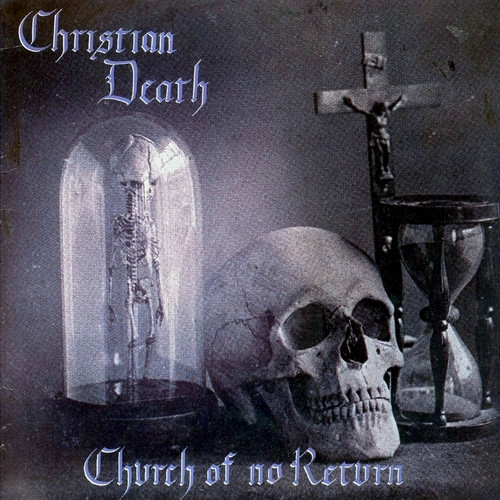
Church Of No Return
1988
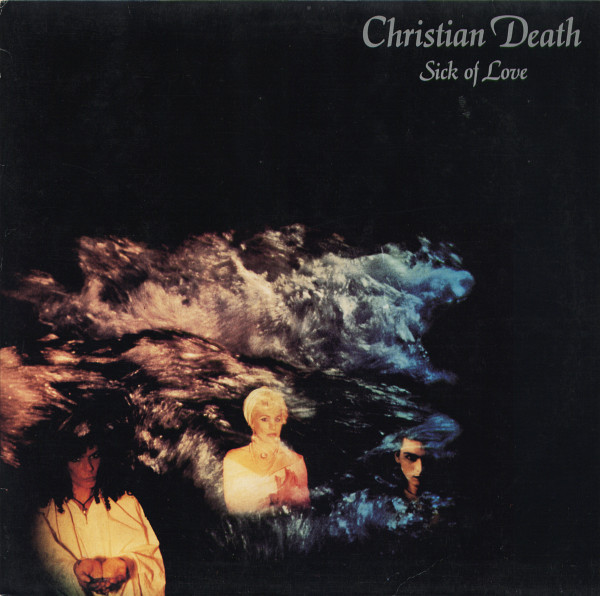
Sick Of Love
1987

Deathwish
1984

The Root Of All Evilution
2015

American Inquisition
2007

Six Six Sixth Communion
2007
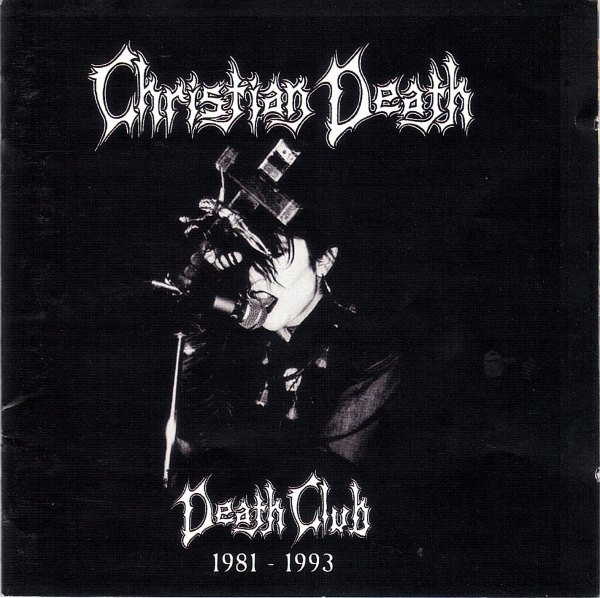
Death Club 1981-1993
2005
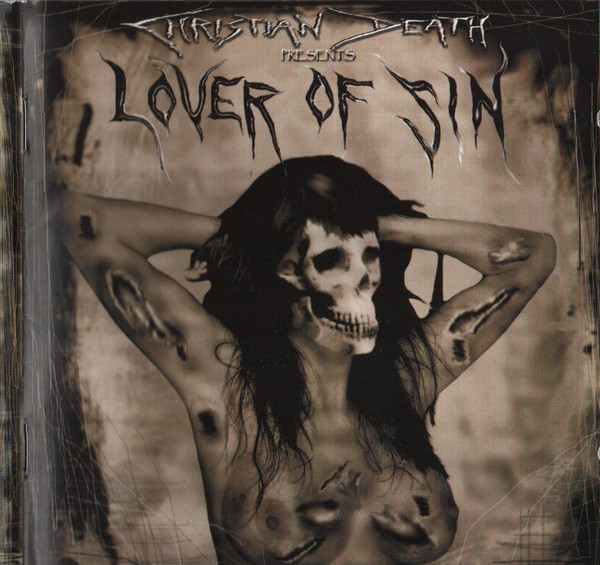
Christian Death Presents Lover Of Sin
2002

Love And Hate
2001

Born Again Anti Christian
2000
Related artists
Around the web
Follow every record they touch.
Start your shelf and Gatefold tracks Christian Death's new pressings, tour dates, and the whole discography — automatically.
Start your shelf →Free forever. Works with 10 records or 10,000.