
Artist
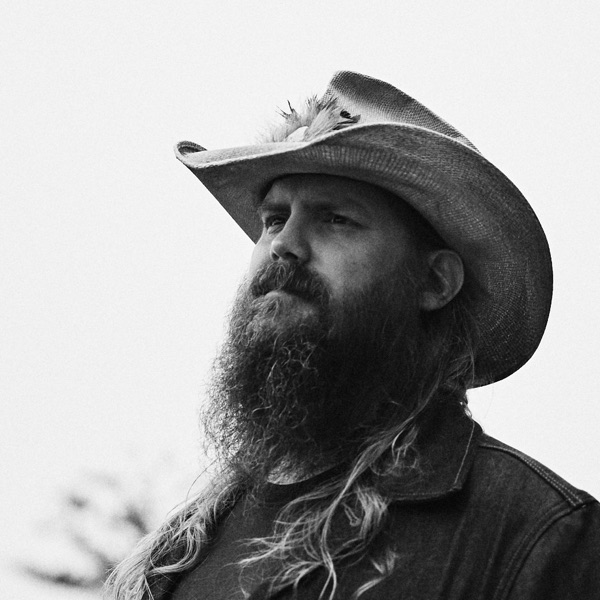
Chris Stapleton
American singer‐songwriter
Nashville, United States · b. 1978
Chris Stapleton is a musician from Nashville, United States, active since 1978. Their discography on Gatefold includes 5 records. They also recorded with The SteelDrivers.
9
Albums tracked
151
In collections
1978
Since
Biography
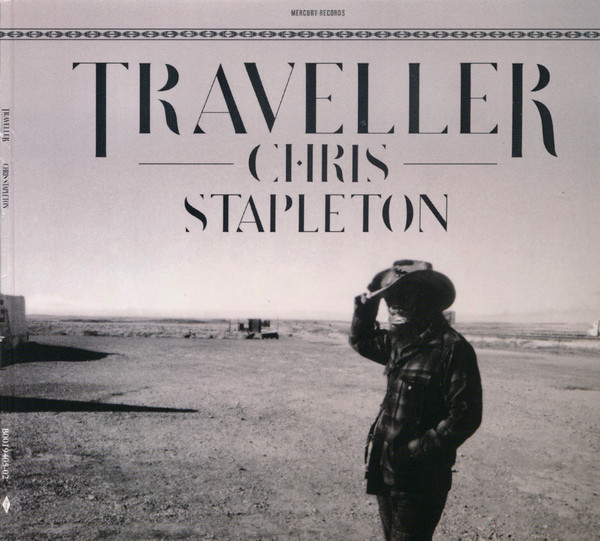
Stapleton spent fifteen years in Nashville as a songwriting machine for the suits before he ever became a household name. He was the guy behind the scenes cranking out hits for Kenny Chesney and George Strait while hauling a fiberglass 1950s Supro amp into dive bars with The SteelDrivers. He had a reputation as a ringer—the guy you called when you needed a vocal that sounded like it had been dragged through gravel and soaked in bourbon. The industry knew he was a powerhouse, but they didn't know what to do with a guy who looked like a mountain man and sang like Otis Redding. Everything changed when he tracked Traveller at RCA Studio A with producer Dave Cobb. Cobb stripped away the polished Nashville gloss and let the room breathe, focusing on a small band and a microphone that could actually handle that massive voice. It wasn’t just a country record; it was a soul record disguised by a Stetson. People act like he came out of nowhere, but he’d already paid his dues in blue grass circles and Southern rock bands like The Jompson Brothers long before the CMAs made him a star.
Bio from The Clerk
The Arc of Chris Stapleton
The pivots — what forced Chris Stapleton to reinvent.
The Bluegrass Grind
Before the solo Grammys, he was fronting The SteelDrivers and proving that bluegrass didn't have to be polite or precious. He pushed his vocals into a gritty, soul-influenced register that felt completely at odds with the high-and-lonesome tradition, forcing the genre to reckon with a heavier, blues-based attack. You hear it on 'Blue Side of the Mountain,' where the mandolin and banjo are playing traditional roles but the vocal performance is pure Muscle Shoals grit. This era was the trial by fire that taught him how to command a room with nothing but acoustic instruments and a terrifyingly large voice.
The Nashville Ghostwriter
Between the band projects and the solo breakout, he became one of the most successful songwriters on Music Row, penning massive hits like 'Your Man' for Josh Turner. He was living a double life, writing radio-friendly hooks for the mainstream machine while his own demos sounded like outlaw country throwbacks. This period refined his sense of structure and melody, giving him the pop sensibility that eventually made his solo work so accessible to people who usually hate country music. He learned exactly how the corporate gears turned before he decided to break them.
The Dave Cobb Sessions
The pivot to superstardom happened when he stopped trying to fit the radio mold and went into the studio with Dave Cobb to capture a raw, live-to-tape energy. They abandoned the overproduced Nashville 'wall of sound' in favor of space, dynamics, and a vintage aesthetic that favored feeling over perfection. This shift turned him from a industry secret into a global phenomenon overnight, specifically after the 2015 CMA performance with Justin Timberlake that bridged the gap between Memphis soul and Nashville dirt. It proved that a simple, honest recording could still outsell the shiny, programmed bullshit dominating the charts.
Influences
- Ray Charles — Stapleton has frequently cited 'Modern Sounds in Country and Western Music' as a definitive blueprint for his own career. You hear it in the way he bends notes on tracks like 'Tennessee Whiskey,' treating country melodies with the phrasing and emotional weight of a soul singer. It's the reason his music works in a R&B context just as well as a honky-tonk.
- Waylon Jennings — The influence is documented through Stapleton’s covers and his heavy use of a 1950s Fender Telecaster with that signature phase-shifted growl. He carries Waylon's 'Outlaw' DNA in his refusal to let label executives pick his session players or polish his vocal takes. It's the foundation of his rhythmic, percussive guitar style.
- Otis Redding — Stapleton often mentions Redding as his favorite singer of all time and has covered 'Hard to Handle' in his live sets for years. That 'tearing' quality in his upper register is a direct descendant of the Stax Records vocal tradition. He’s essentially a soul shouter who happens to write songs about Kentucky.
- Bill Monroe — The bluegrass architect's influence comes through his time in The SteelDrivers and his mastery of high-tension harmony. Even on his loudest rock tracks, the way he structures vocal stacks and keeps the acoustic guitar's rhythm driving is pure Monroe-style 'high lonesome.' It’s the source of the technical precision behind the grit.
- Don Williams — He covered 'Tulsa Time' and has consistently praised Williams' ability to be 'The Gentle Giant' of country music. You hear this in Stapleton’s quieter moments like 'Whiskey and You,' where he drops the power-house screaming to focus on the understated, conversational delivery Williams mastered. It proves he knows when to shut up and let the lyric do the work.
Chris Stapleton — solo
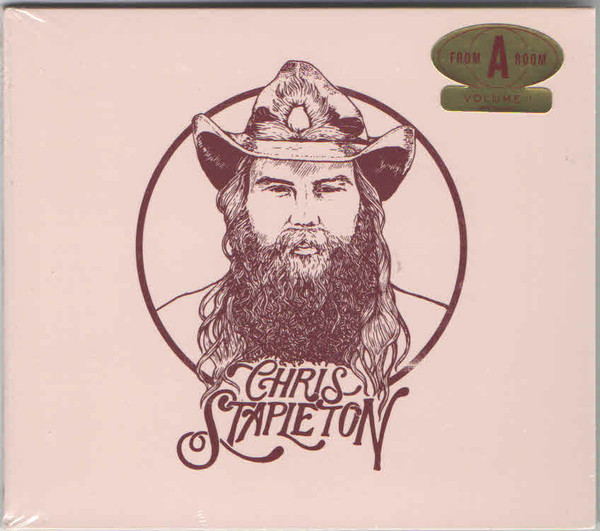
Their records — most-collected first.


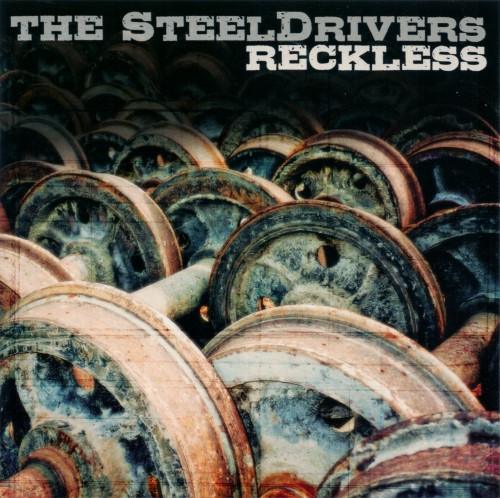
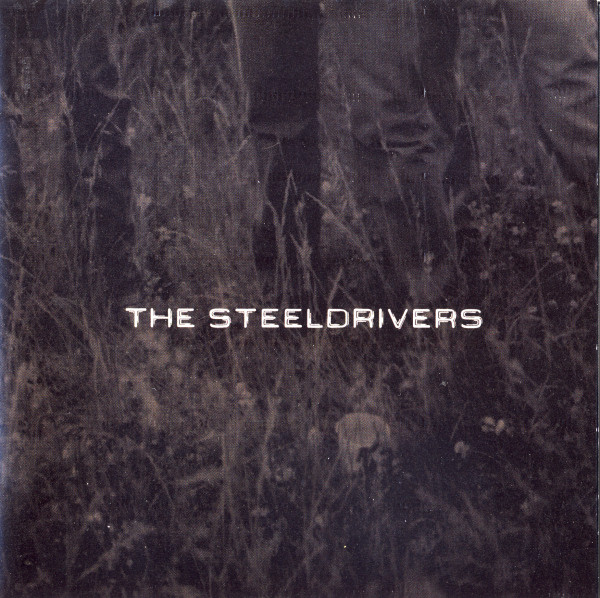
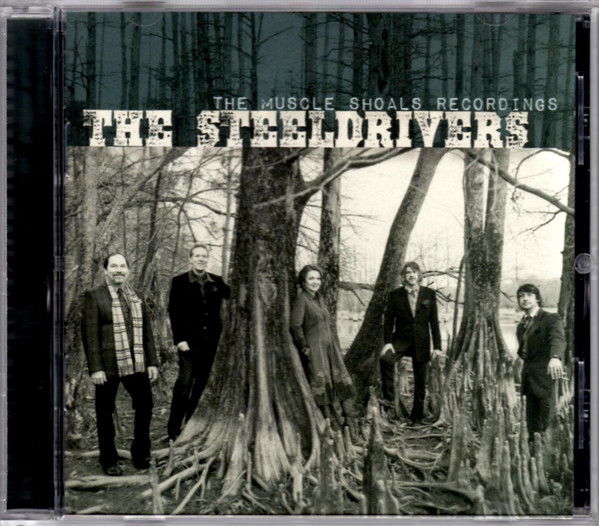
The SteelDrivers
A project Chris Stapleton was part of.

Related artists
Around the web
Follow every record they touch.
Start your shelf and Gatefold tracks Chris Stapleton's new pressings, tour dates, and the whole discography — automatically.
Start your shelf →Free forever. Works with 10 records or 10,000.