
Artist
Chevelle
Grayslake, United States · Formed 1994
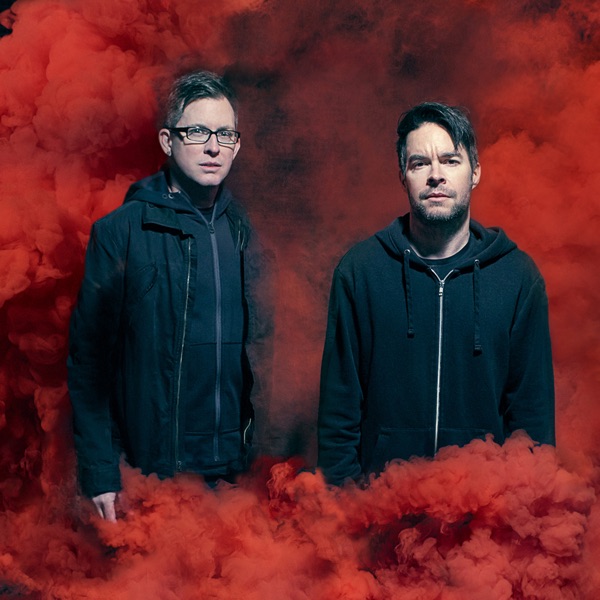
Chevelle is a music group from Grayslake, United States, active since 1994. Their discography on Gatefold includes 14 records.
14
Albums tracked
115
In collections
1994
Since
Biography
Pete Loeffler tuned a baritone guitar down to drop-B, plugged into a cranked Mesa Boogie, and treated a power trio like a demolition crew. People wrote them off early as a church-circuit oddity because their 1999 debut came out on a boutique Christian imprint, but the playing was way too heavy and claustrophobic for youth group vans. What they actually built was the leanest, most disciplined alt-metal machine of that entire post-grunge wave. No turntable gimmicks, no rap verses, and zero nu-metal bloat. Just three brothers beating the absolute hell out of their instruments until the hooks cracked open under the weight of Pete's throat-shredding rasp. When the hits blew up the dial around 2002, critics instantly pulled the lazy card and called them a watered-down Tool. That bullshit misses the whole point. Chevelle was never about prog-rock mathematics or twenty-minute drum odysseys. They were about tension, choke-holds, and pure radio-grade ruthlessness, working the same tight, rhythmic pocket that made helmet-era alt-rock hit so hard in a club. They survived the radio-rock apocalypse because Pete and Sam kept their heads down, fired anyone who dragged down the rhythm section, and refused to dilute the tuning just to chase pop crossovers.
Bio from The Clerk
The Arc of Chevelle
The pivots — what forced Chevelle to reinvent.
The Platinum Breakout
After cutting their teeth on the indie circuit, the three brothers streamlined their sound into a massive, suffocating crunch for 2002's Wonder What's Next. The production blew the doors wide open, pushing Pete's razor-blade scream and drop-tuned baritone riffs directly into the center of rock radio. They followed it immediately with This Type of Thinking, locking in heavy rotation right as nu-metal was dying out around them. It was the commercial peak that put them on arena stages with Korn and Disturbed, proving three guys could make as much noise as an army of session players.
Family Blood and Bloodletting
The brother dynamic detonated mid-decade when bassist Joe Loeffler got booted from the group under a cloud of bad blood and public bickering. Pete and Sam brought in brother-in-law Dean Bernardini to lock down the bottom end and tracked 2007's Vena Sera with something to prove. You can hear the raw, pissed-off friction all over that record, ditching any slickness for jagged tempos and venomous vocal deliveries. It saved them from becoming a nostalgia act by proving the Loeffler brothers' core songwriting could outlast the original lineup's collapse.
The Outer Orbit
By the time they cut NIRATIAS, Bernardini had departed and the core duo found themselves completely isolated in their own creative universe. Pete leaned heavy into sci-fi themes, interstellar space travel, and oddball textures, pushing the guitar tone into darker, more dissonant chord voicings than the old radio hits ever allowed. It was a massive sonic leap that sounded less like a mid-2000s festival band and more like an anxious, solitary distress signal beamed from an empty room. They traded the meat-and-potatoes alt-metal playbook for space-age tension, and it gave them a whole new lease on life.
Influences
- Helmet — Pete Loeffler has repeatedly credited Page Hamilton's drop-D precision as the primary blueprint for Chevelle's hard-stop rhythm style. You hear it immediately in the syncopated, mechanical riffing and sudden mutes across tracks like 'Family System'. It is where they learned that dead silence hits just as hard as a wall of distortion.
- Tool — Chevelle spent their early years relentlessly citing Maynard James Keenan and Adam Jones as foundational heroes, even while critics beat them over the head with the comparison. The DNA is undeniable in Pete's dynamic vocal arcs—sliding from quiet, strained whispers directly into guttural belt-screams—and the creeping minor-key tension on tracks like 'Mia'. They stripped out the long-winded prog math to make the same dark menace fit a four-minute single.
- The Cure — Pete Loeffler has cited Robert Smith as a major melodic influence, and Chevelle even cut a direct cover of 'Pictures of You'. You hear the impact in the shimmering chorus pedals and airy guitar arpeggios tucked beneath their heaviest choruses. It is the secret ingredient that keeps their verses melodic before the drop-tuned distortion kicks in.
- Fugazi — The brothers grew up on midwestern and D.C. post-hardcore, consistently citing Fugazi's jagged rhythms and DIY ethic in interviews. That influence bleeds through Sam Loeffler's dry, utilitarian drum tracks and Pete's angular, sharp-cornered chord stabs. It gave them a lean, stripped-down post-punk spine that separated them from the bloated studio excess of their nu-metal peers.
- Nirvana — Kurt Cobain was Pete Loeffler's initial spark for picking up a guitar, a debt he has brought up across decades of print interviews. That quiet-verse-to-explosive-screaming-chorus dynamic is the beating heart of Chevelle's entire catalog. They essentially took Nirvana's raw, vulnerable songwriting bones and pumped them full of modern baritone metal heaviness.
Discography
Their records — most-collected first.
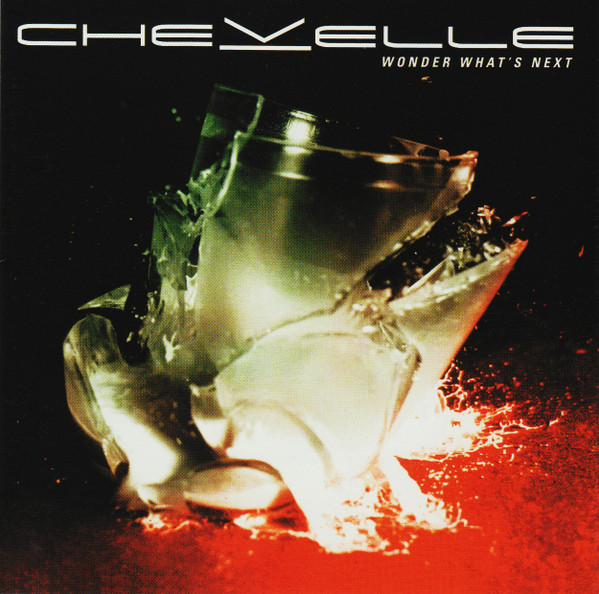
Wonder What's Next
2002
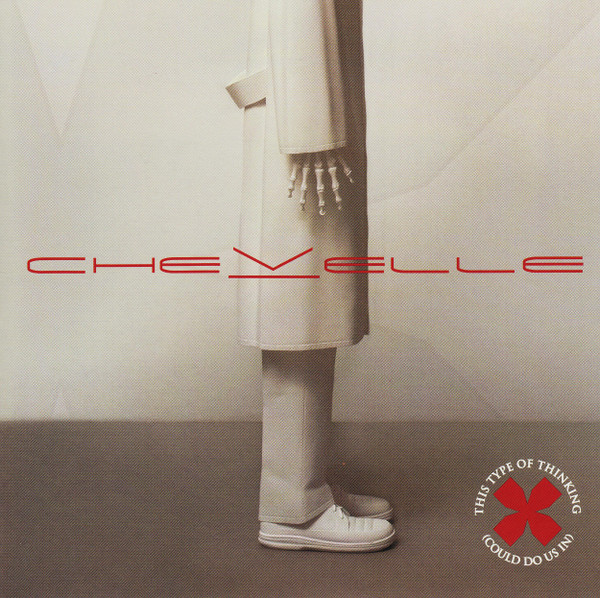
This Type Of Thinking (Could Do Us In)
2004

Point #1
1999

NIRATIAS
2021

The North Corridor
2016

Bright As Blasphemy
2025

Hats Off To The Bull
2011

Vena Sera
2007
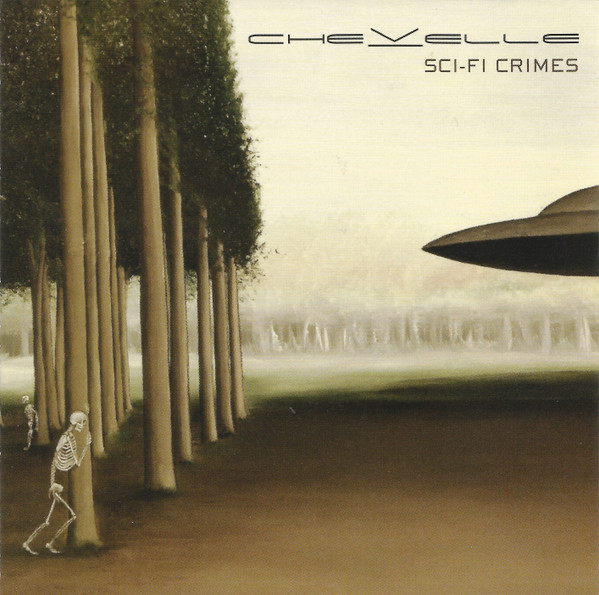
Sci-Fi Crimes
2009

La Gárgola
2014

12 Bloody Spies: B-Sides And Rarities
2018

Live From The Road
2003

Stray Arrows - A Collection Of Favorites
2012

Any Last Words
2011
Related artists
Frequent collaborators
Around the web
Follow every record they touch.
Start your shelf and Gatefold tracks Chevelle's new pressings, tour dates, and the whole discography — automatically.
Start your shelf →Free forever. Works with 10 records or 10,000.