
Artist
Charlie Hunter
United States · b. 1967
Charlie Hunter is a musician from United States, active since 1967. Their discography on Gatefold includes 11 records. They also recorded with Garage a Trois, Charlie Hunter Trio and Charlie Hunter Quartet.

19
Albums tracked
20
In collections
1967
Since
Biography
Charlie Hunter spent his early years playing an instrument that didn’t exist until he had Ralph Novak build it. The whole trick is the fanned frets—a Novax eight-string that lets him play the bassline, the chords, and the lead melody simultaneously without a looper pedal in sight. It’s a technical marvel that would be a boring gimmick if he wasn't so obsessed with the pocket. He got his start backing up the Disposable Heroes of Hiphoprisy, opening for U2 on the Zoo TV tour, and that hip-hop DNA is what saved him from becoming just another jazz fusion nerd. The Blue Note years were the peak of the hype, but things got real interesting when he started stripping away the label polish. He’s had phases where he’s trying too hard to be a one-man-band circus act, and some of those mid-2000s records feel a bit like math problems. But then he’ll drop something like 'Baboon Strength' or the 'SuperBlue' stuff and you remember why he’s the only guy doing this. He’s not a guitarist and he’s not a bassist; he’s the entire rhythm section shoved into one piece of wood, and when he’s locked in with a drummer like Stanton Moore, it’s the heaviest shit you’ve ever heard from a guy sitting on a stool.
Bio from The Clerk
The Arc of Charlie Hunter
The pivots — what forced Charlie Hunter to reinvent.
The Blue Note Eight-String Blitz
After the Disposable Heroes gig, Hunter landed on Blue Note and redefined the organ trio sound without an actual organ. By using the Novax eight-string to handle the low-end duties normally reserved for a Hammond B3, he created a leaner, more percussive funk that felt modern rather than retro. This era peaked with records like 'Duo' and the self-titled 2000 release, where the focus was on high-wire technicality and major label production values. You hear the crispness of the separation between his 'bass' strings and the top end, a feat of engineering as much as performance.
The Independent Pivot
Hunter eventually walked away from the major label machinery to reclaim a grit that the Blue Note gloss had started to smooth over. He moved toward self-released projects and smaller imprints, culminating in the 2010 standout 'Gentlemen, I Neglected to Inform You You Will Not Be Getting Paid.' This session recorded onto half-inch tape with no headphones or overdubs captured a raw, bleeding-edge sound that prioritized the live feel of the room over perfect takes. It signaled a shift from being a technical curiosity to being a bandleader focused on the soul of the take.
The Seven-String Blues and SuperBlue
Later in his career, Hunter downsized from the eight-string beast to a custom seven-string, focusing more on the baritone range and blues-drenched grooves. This led to his collaboration with Kurt Elling and Butcher Brown’s Corey Fonville under the 'SuperBlue' moniker, moving deep into a heavy, hybrid R&B sound. The music became less about the complexity of the counterpoint and more about the sheer weight of the riff. In the 'SuperBlue' sessions, you hear him fully embracing his role as a groove architect, providing a thick, distorted foundation for soul vocals.
Influences
- Joe Pass — Hunter has cited the 'Virtuoso' guitarist as the primary reason he realized the guitar could handle melody and bass simultaneously. You hear it in the way Charlie approaches solo arrangements, though he swaps the swing for a funk-heavy backbeat. It's the same independent-thumb philosophy applied to a completely different genre.
- T-Bone Walker — Hunter spent hours transcribing Walker’s phrasing to get that specific jump-blues sting in his leads. You can hear this influence most clearly on the T.J. Kirk records, where he applies those classic blues bends to Thelonious Monk compositions. It’s what keeps his playing from sounding too academic.
- Thelonious Monk — The T.J. Kirk project—named for James Brown, Roland Kirk, and Thelonious Monk—was basically a manifesto of Hunter’s influences. He mimics Monk's dissonant, percussive piano clusters on the fretboard. He doesn't just play the notes; he plays the spaces and the 'wrong' choices that Monk made famous.
- James Brown — The 'J' in T.J. Kirk is the key to Charlie's entire rhythmic philosophy of 'The One.' Every single one of his records is built on the foundation of the JB's horn lines and drum breaks. He treats the top three strings of his guitar like a horn section and the bottom three like a P-Funk bass player.
- Rahsaan Roland Kirk — Hunter was fascinated by Kirk’s ability to play multiple saxophones at once, which directly mirrors his own multi-instrumental approach to the guitar. He took the 'one man as a whole band' ethos from Kirk's live performances. It’s about the physical audacity of doing two or three jobs at the same time without losing the soul.
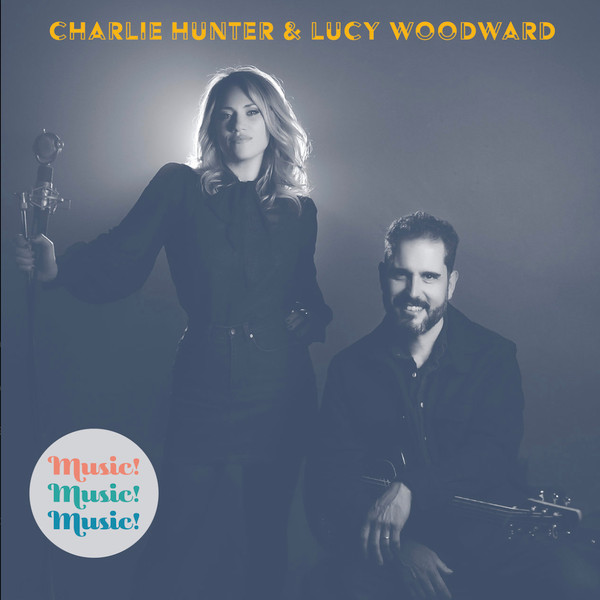
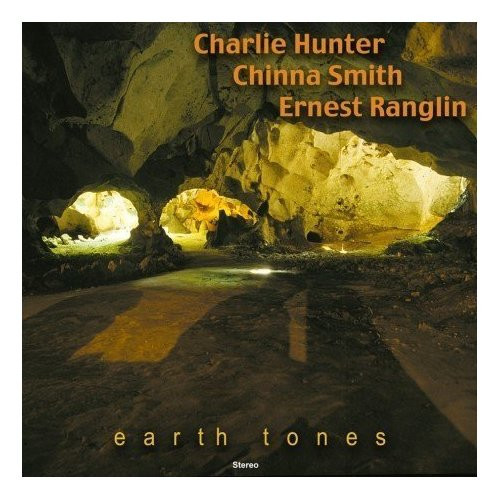
Charlie Hunter — solo
Their records — most-collected first.





Garage a Trois
A project Charlie Hunter was part of.


Charlie Hunter Trio
A project Charlie Hunter was part of.

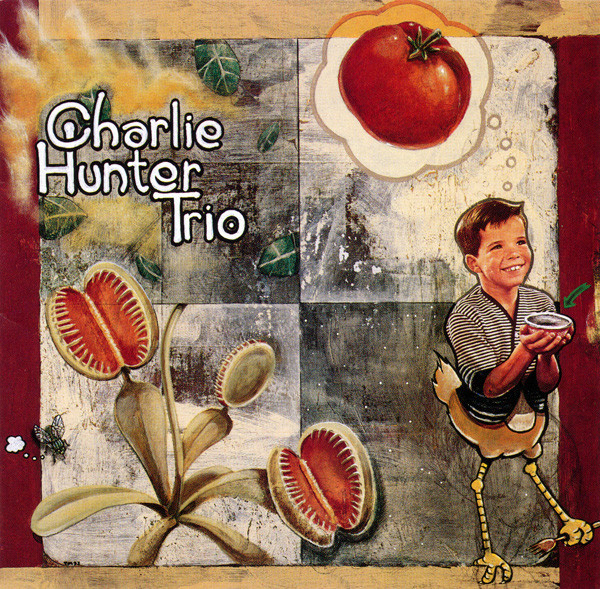
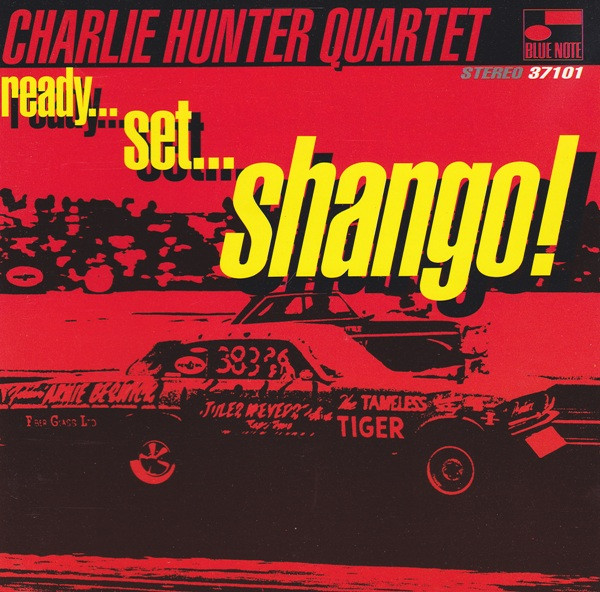
Charlie Hunter Quartet
A project Charlie Hunter was part of.

Related artists
More projects
Frequent collaborators
Around the web
Follow every record they touch.
Start your shelf and Gatefold tracks Charlie Hunter's new pressings, tour dates, and the whole discography — automatically.
Start your shelf →Free forever. Works with 10 records or 10,000.