
Artist
Ceschi
US rapper aka Ceschi Ramos
United States · b. 1981
Ceschi is a musician from United States, active since 1981. Their discography on Gatefold includes 13 records. They also recorded with Codefendants.

16
Albums tracked
12
In collections
1981
Since
Biography
Ceschi didn't start in a booth—he started as a kid in New Haven obsessed with the fast-rap gymnastics of the Freestyle Fellowship and the raw, bleeding-heart ethos of the hardcore scene. He founded Fake Four Inc. with his brother, turning a DIY indie label into a sanctuary for the weirdos who didn't fit into the backpacker rap mold or the folk-punk circuit. It’s a fucking miracle the label survived the mid-2010s, especially with the 18-month prison sentence for marijuana charges that threatened to derail his entire career. The music is a mess of contradictions: nylon-string guitars, double-time rap cadences, and a voice that sounds like it’s been gargling gravel and woodsmoke. He’s the only guy who can share a stage with Sage Francis and Pat the Bunny without looking like a tourist in either world. He isn’t trying to be a folk singer or a rapper; he’s just a guy who realized that the same desperation that fuels a punk breakdown also fuels a 64-bar verse.
Bio from The Clerk
The Arc of Ceschi
The pivots — what forced Ceschi to reinvent.
The Fake Flowers Foundation
Early on, Ceschi was deep in the trenches of the Anonymous Inc. crew, leaning into a more experimental, glitch-heavy aesthetic that defined the mid-2000s underground. Records like Fake Flowers were busy, frantic, and felt like a laptop being pushed to its breaking point by someone who grew up on pop-punk. You can hear the struggle to find a balance between the chaotic electronics and his natural instinct for a melodic hook.
The Factor Chandelier Partnership
The game changed when he locked in with Canadian producer Factor Chandelier for The One Man Band Broke Up. Factor provided a cleaner, more cinematic canvas that allowed Ceschi’s songwriting to actually breathe instead of just competing with the beat. This era solidified the 'sad-rap' blueprint, trading the glitchy clutter for a cohesive, mournful sound that felt more like a concept album than a collection of tracks.
Post-Prison Defiance
Coming out of a 2013-2014 stint behind bars, Ceschi returned with Broken Bone Ballads, a record that felt like a bruised fist. The production got grittier and the acoustic guitar became a weapon rather than an accompaniment, reflecting a guy who had literally seen the system from the inside. This period culminated in the massive Sad, Fat Luck trilogy, where the polish of indie-pop collided with the cynicism of a decade spent in the underground.
The Codefendants Pivot
Recently, the shift into the Codefendants project with Sam King of Get Dead took the punk influence out of the subtext and put it front and center. Produced by Fat Mike of NOFX, this movement stripped away the solo folk-rapper artifice in favor of a full-band 'Crime Wave' sound. It’s loud, aggressive, and ditches the introspection for a more direct, confrontational style that feels like the logical conclusion of his lifelong obsession with the Fat Wreck Chords catalog.
Influences
- Freestyle Fellowship — Ceschi has cited Project Blowed as his primary technical school for rapping. You hear it in the way he stacks syllables and uses jazz-influenced rhythmic shifts that most folk-leaning artists wouldn't touch with a ten-foot pole.
- Neutral Milk Hotel — Jeff Mangum’s influence is all over the distorted acoustic strumming and the surrealist, death-obsessed lyricism of the earlier solo records. Ceschi has covered 'Two-Headed Boy' live, bridging the gap between lo-fi indie rock and underground hip-hop.
- Vic Chesnutt — The raw, uncomfortable honesty of Chesnutt is a documented touchstone for Ceschi's songwriting approach. It’s present in that specific, vulnerable vocal crack he uses when the melody starts to fray at the edges.
- Outkast — He’s pointed to Aquemini as a record that proved you could be experimental and melodic while staying rooted in rap. The southern duo's willingness to use live instrumentation and weird tempos gave him the green light to bring his guitar into the studio.
- Minor Threat — The straight-edge, DIY ethics of Ian MacKaye and the Dischord label provided the business model for Fake Four Inc. You hear that punk urgency in his delivery, which often favors raw emotional energy over studio perfection.
Ceschi — solo
Their records — most-collected first.
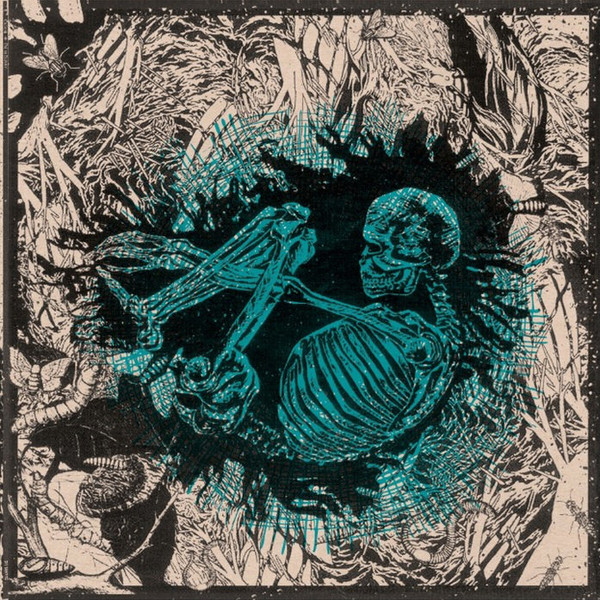
Split
2016

Sad, Fat Luck
2019

Broken Bone Ballads
2015

Shorted Circuits EP
2011

Bring Us The Head Of Francisco False (Part 2)
2025

Bring Us The Head Of Francisco False (Part 1)
2024

This Guitar Was Stolen Along With Years Of Our Lives
2021

Sans Soleil
2019

Elm St. Sessions
2018

Forgotten Forever
2014
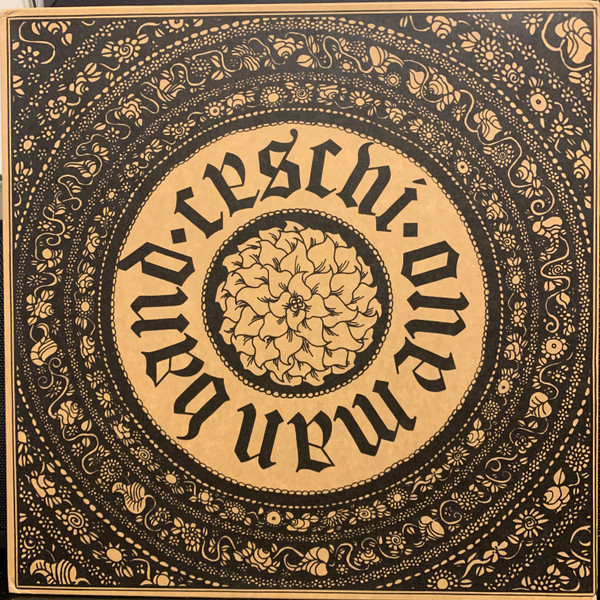
The One Man Band Broke Up
2010
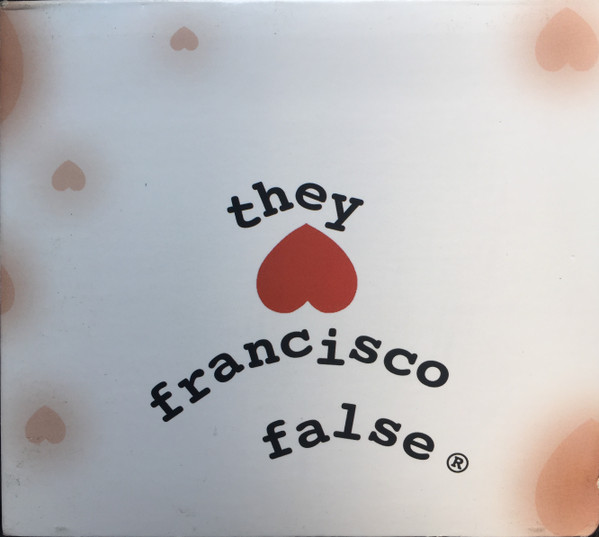
They Hate Francisco False
2006
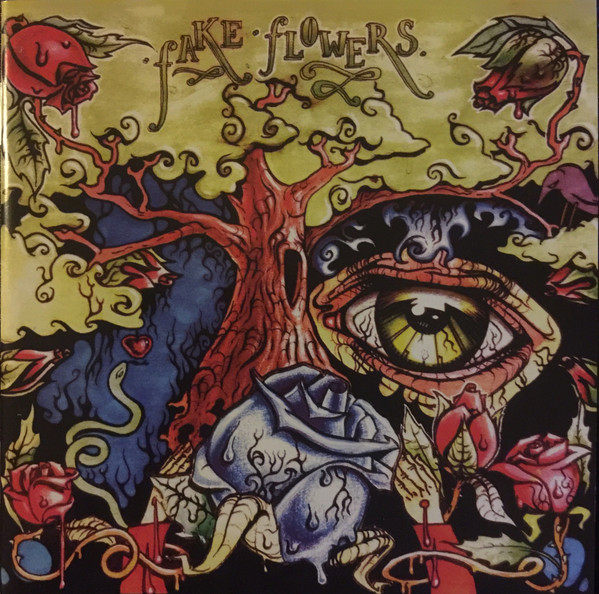
Fake Flowers
2004
Codefendants
A project Ceschi was part of.


Related artists
Frequent collaborators
Around the web
Follow every record they touch.
Start your shelf and Gatefold tracks Ceschi's new pressings, tour dates, and the whole discography — automatically.
Start your shelf →Free forever. Works with 10 records or 10,000.