
Artist
Can & Irmin Schmidt
Cologne, Germany
Can & Irmin Schmidt is a music group from Cologne, Germany. Their discography on Gatefold includes 24 records.

38
Albums tracked
214
In collections
—
Since
Biography
Holger Czukay sat in the Inner Space studio—a former cinema with zero acoustic treatment—and hacked up session tapes with a razor blade. Can didn't write songs. They jammed for hours until the tape caught something usable, and then Schmidt and Czukay edited that chaos into rhythmic structures that felt like they were coming from a pulsar. Irmin Schmidt brought the high-art baggage, having studied under Stockhausen, but he used those avant-garde muscles to anchor the band's most primal instincts. By the mid-70s, the friction that made them dangerous started to leak out. After Damo Suzuki left to become a Jehovah's Witness, the band tried to navigate a world that was actually starting to pay attention to them. They moved from the claustrophobic, tape-saturated brilliance of the early 70s into cleaner, slicker productions like Landed and Flow Motion. Some of that later shit is just aimless disco-adjacent noodling that lacks the teeth of their early sessions, but Schmidt’s obsession with soundtrack work kept his individual output tethered to a cinematic scale even when the band lost the plot.
Bio from The Clerk
The Arc of Can & Irmin Schmidt
The pivots — what forced Can & Irmin Schmidt to reinvent.
The Ethnological Forgery Years
When Malcolm Mooney joined the fold, the band was a raw, rhythmic beast trying to exorcise Western classical ghost. The sound was centered on Jaki Liebezeit’s metronomic 'Human Drum Machine' pulse and Mooney’s repetitive, frantic vocal mantras. You hear it on Monster Movie, where the production is thin and biting, capturing a band that hadn't yet learned how to use the studio as an instrument but had already mastered the hypnotic groove. It’s the sound of a garage band with PhDs and a serious Lou Reed obsession.
The Damo and the Blade Era
Everything changed when they found Damo Suzuki busking outside a Munich cafe and put him on stage that same night. This period defined the 'Can sound' through massive, side-long explorations like those on Tago Mago and Ege Bamyası. Czukay started using the tape recorder as a primary instrument, splicing Damo’s improvised whispers and screams into the tightest funk pockets ever recorded in West Germany. The music became ambient, abrasive, and deeply psychedelic all at once, peaking with the humid, tropical textures of Future Days before the air started to get too thin.
The Global Funk Pivot
After Damo’s exit, the band expanded their palette and brought in outside blood like Rebop Kwaku Baah and Rosko Gee from Traffic. This era traded the claustrophobic editing of the early 70s for a more expansive, world-beat fusion approach on albums like Saw Delight. The gear got better and the recordings got cleaner, but the unpredictable telepathy of the original quartet began to dissolve into more conventional structures. It’s the sound of a band trying to find a new center while the punk and disco waves were busy rewriting the rules they had already broken a decade earlier.
Influences
- Karlheinz Stockhausen — Schmidt and Czukay were both students of Stockhausen in Cologne, which directly informed their 'composition by subtraction' tape-editing style. You hear this formal training in the way they manipulated frequency and used the studio as a laboratory rather than just a room to record in.
- The Velvet Underground — The band has cited White Light/White Heat as a major catalyst for their move toward abrasive, repetitive minimalism. The influence is undeniable on early tracks like 'Father Cannot Yell,' where Karoli’s guitar mimics the screeching drone of Sterling Morrison.
- James Brown — Jaki Liebezeit famously abandoned free jazz for a rigid, repetitive style after a fan told him he played like a machine. He looked to the Godfathers of soul to master the 'one,' creating the foundation for what would become the motorik beat.
- The Beatles — Irmin Schmidt specifically pointed to 'Tomorrow Never Knows' as the moment they realized pop music could handle avant-garde loops and studio manipulation. That track provided the bridge they needed to cross from the academy to the rock club.
- The Jimi Hendrix Experience — Michael Karoli was a Hendrix devotee, and his ability to blend fluid blues phrasing with feedback-laden noise was the band’s primary link to the psych-rock world. Hendrix’s use of the studio as an immersive space was the blueprint for Can’s own Inner Space setup.
Discography
Their records — most-collected first.
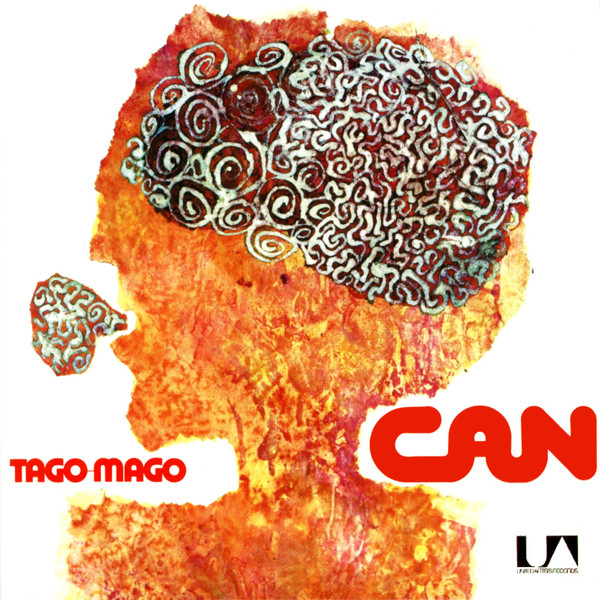
Tago Mago
1971

Future Days
1973
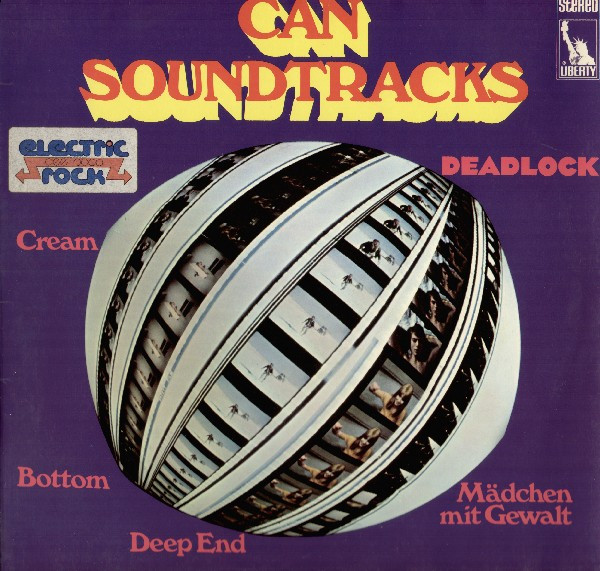
Soundtracks
1970

Delay 1968
1981

The Singles
2017
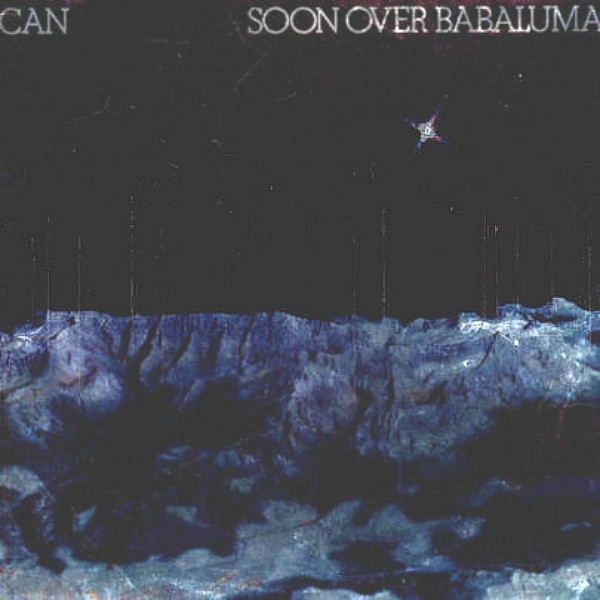
Soon Over Babaluma
1974

Limited Edition
1974
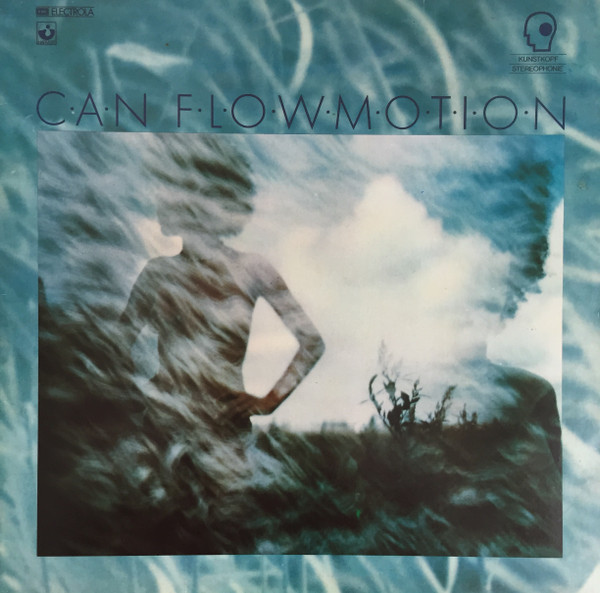
Flow Motion
1976
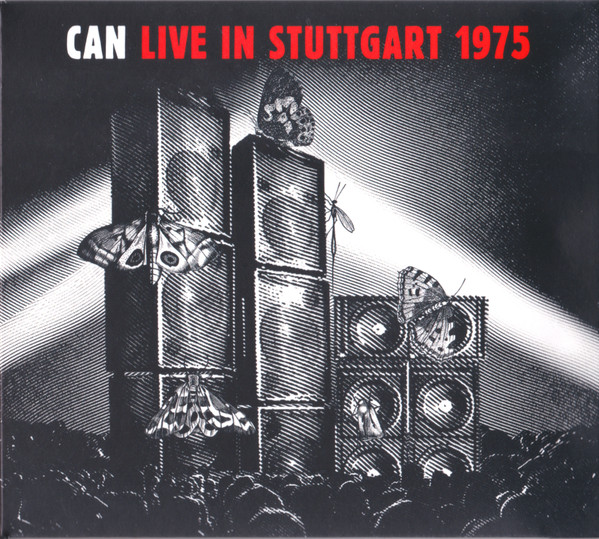
Live In Stuttgart 1975
2021
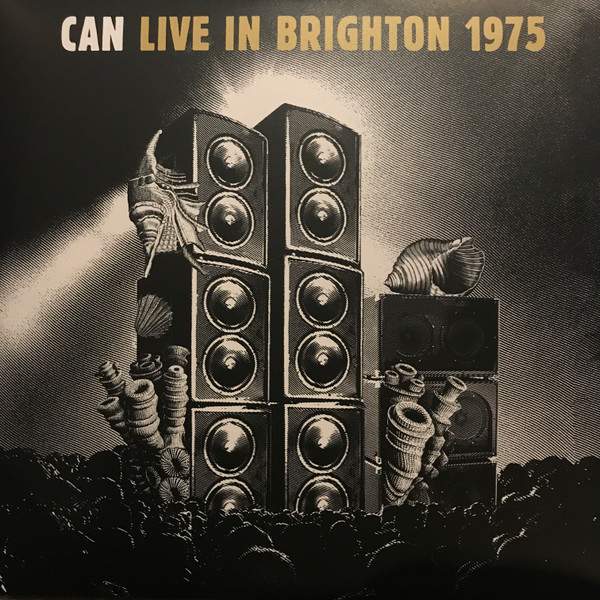
Live In Brighton 1975
2021
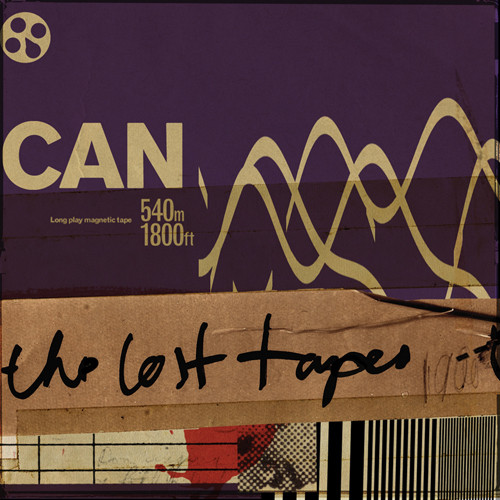
The Lost Tapes
2012
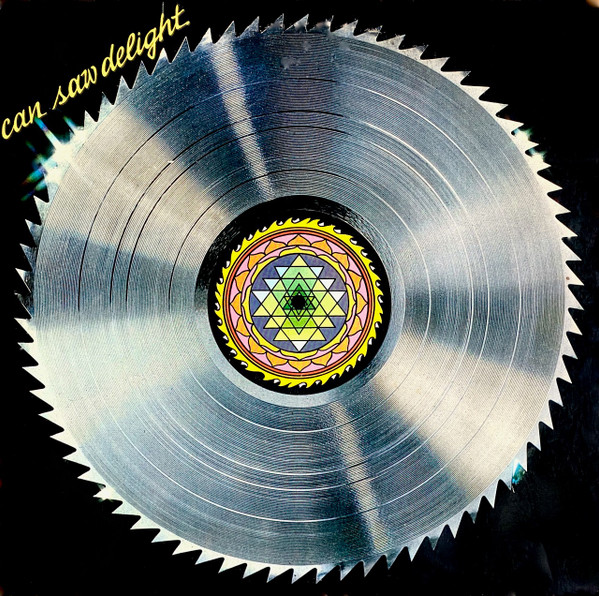
Saw Delight
1977

Can
1978

Landed
1975
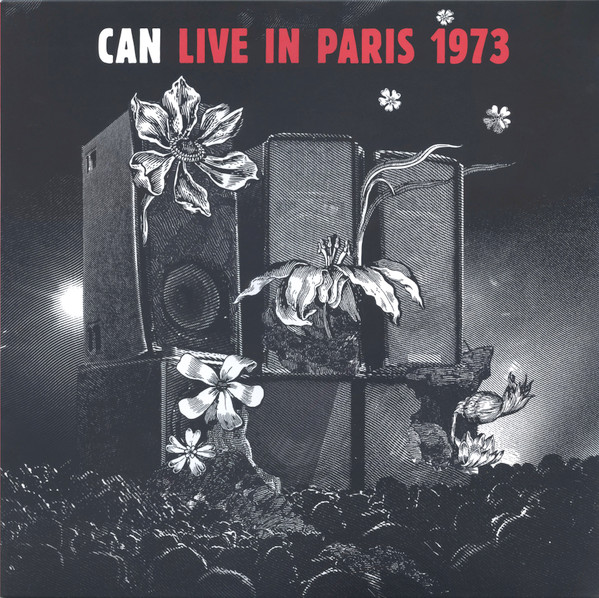
Live In Paris 1973
2024
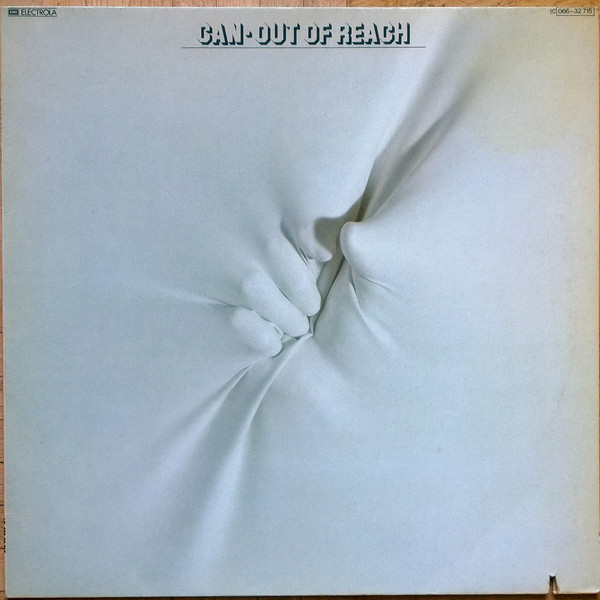
Out Of Reach
1978

Cannibalism
1978
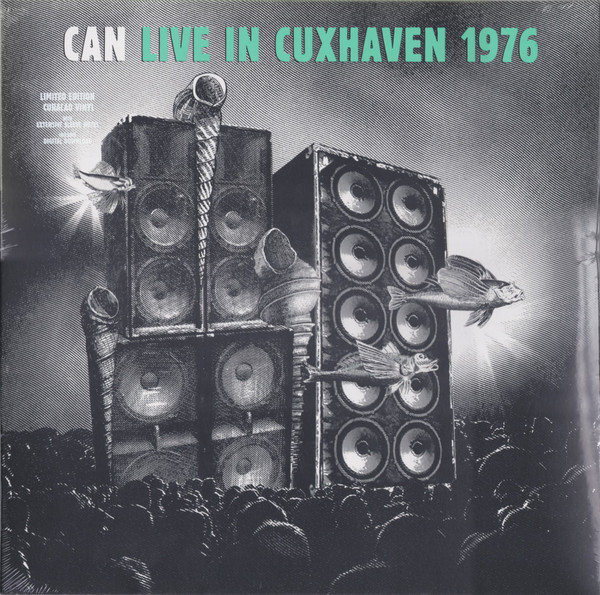
Live In Cuxhaven 1976
2022

Ogam Ogat
2009

The Peel Sessions
1995
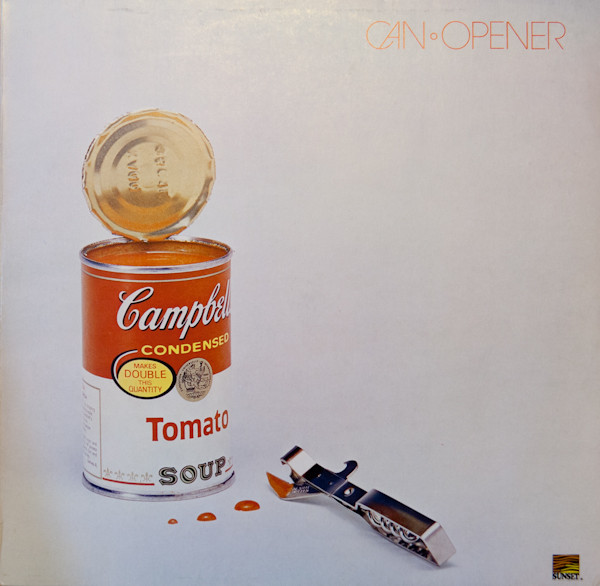
Opener
1976

Live In Aston 1977
2024

Live In Keele 1977
2024
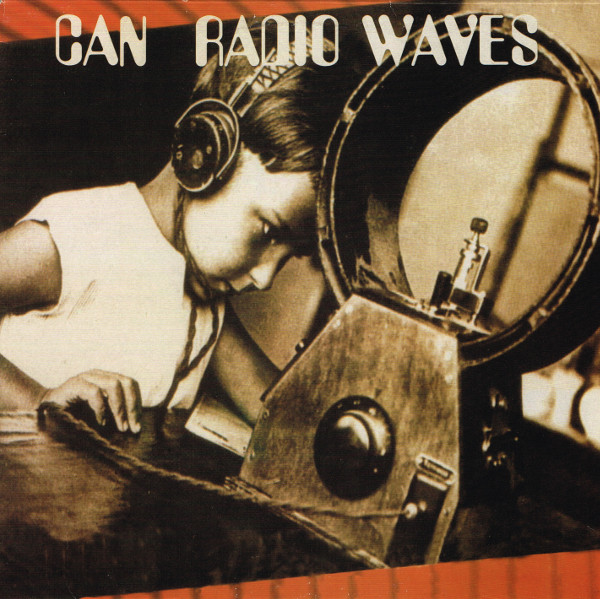
Radio Waves
1993
Related artists
Around the web
Follow every record they touch.
Start your shelf and Gatefold tracks Can & Irmin Schmidt's new pressings, tour dates, and the whole discography — automatically.
Start your shelf →Free forever. Works with 10 records or 10,000.