
Artist
The Budos Band
US instrumental band
Staten Island, United States · Formed 2005
The Budos Band is a music group from Staten Island, United States, active since 2005. Their discography on Gatefold includes 11 records.

11
Albums tracked
133
In collections
2005
Since
Biography
Daptone Records basically started as a house in Bushwick with a tape machine and a lot of dirt in the floorboards. The Budos Band didn't come out of some curated jazz program; they were a bunch of Staten Island guys who showed up to Gabriel Roth’s studio and played so loud they blew out the preamps. They were the house band for the apocalypse, stripping back the polite layers of funk until only the bone and the distortion remained. Tom Brenneck was running the show, and while the rest of the Daptone stable was busy chasing that pristine 1967 soul aesthetic, the Budos guys were in the back room listening to Black Sabbath and drinking cheap beer. They hit a wall where the 'Ethio-jazz' tag started feeling like a straitjacket. You can only play those haunting minor-key scales for so long before you want to start smashing things. By the time they got to the mid-2010s, they stopped pretending to be a soul revue and leaned into the psych-rock filth. It saved them from becoming a heritage act. They traded the shimmering brass of their debut for a fuzz-drenched, heavy-metal-adjacent wall of sound that most instrumental groups are too scared to touch.
Bio from The Clerk
The Arc of The Budos Band
The pivots — what forced The Budos Band to reinvent.
The Daptone Blueprint
From 2005 through 2010, the band stayed locked into the tight, dry production style that Gabe Roth perfected at Dunham Studios. These three self-titled records focused on the interlocking rhythms of Afrobeat and the eerie melodies of Mulatu Astatke, tracked live to eight-track tape with almost zero headroom. You hear the restraint of a band trying to honor a tradition, keeping the horns sharp and the percussion front-and-center while the guitars played second fiddle to the groove.
The Fuzz Renaissance
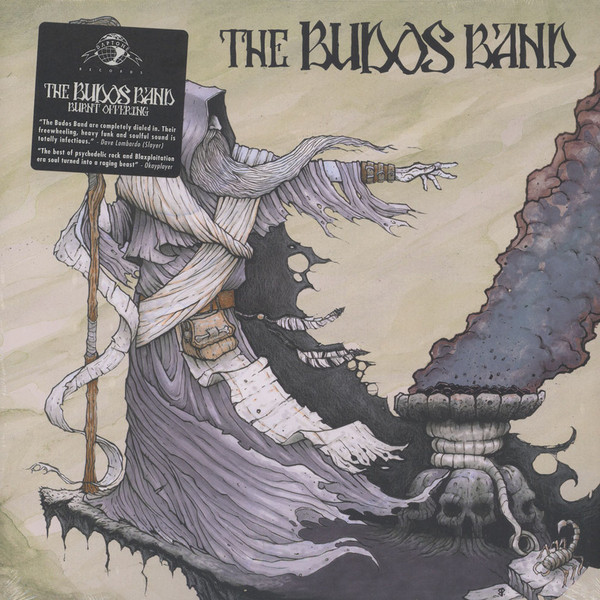
Burnt Offering in 2014 was the moment the wheels came off in the best way possible. They moved into their own studio, Diamond Mine, and Tom Brenneck started piling on the distortion pedals and Farfisa organ grit. The influence of 70s occult rock took over, pushing the horns to play stoner-rock riffs instead of soul stabs. It was a darker, meaner sound that prioritized heavy atmosphere over dancefloor compatibility, alienating the soul purists but winning over the metalheads.
The Long in the Tooth Polish
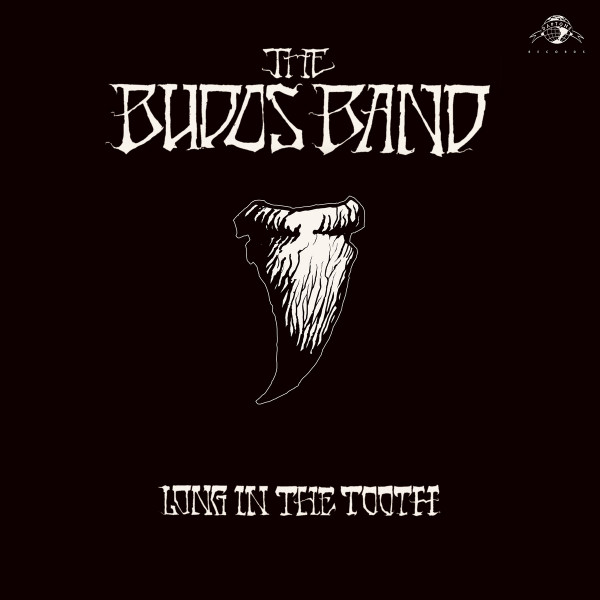
After years of pushing the red on every channel, the band circled back to a more cinematic, widescreen production style for their later releases on Daptone and Diamond West. The tracks became shorter, punchier, and more focused on tight arrangements rather than sprawling jams. They started incorporating more synthesizers and sophisticated layering, creating a sound that felt less like a basement session and more like a lost soundtrack to an Italian crime thriller from 1974.
Influences
- Mulatu Astatke — The band has cited his 1960s and 70s arrangements as the primary DNA for their early minor-key melodic structure. You hear it in the haunting, vibraphone-heavy textures of 'TIB' and the specific Ethio-jazz scales used across their first three LPs. They basically took his 'Tezeta' vibe and cranked it through a New York street filter.
- Fela Kuti — The interlocking percussion and the relentless, driving duration of their rhythm section are ripped straight from Tony Allen’s work with Africa 70. Brian Profilio’s drumming on the early records mimics that circular, non-linear Afrobeat pocket. They’ve covered 'Expensive Shit' live enough times to prove it’s their foundational rhythmic text.
- Black Sabbath — Thomas Brenneck has repeatedly noted that while the band is rooted in soul, their hearts are in the Birmingham riffs of Tony Iommi. This comes through in the 'sludge' of the bass lines on Burnt Offering and V. The brass section often abandons traditional stabs to play heavy, unison riffs that function more like metal guitar leads.
- Charles Bradley — The Budos Band served as the primary backing group for Bradley’s debut, No Time for Dreaming, which was produced by Brenneck. Working as his session players forced them to tighten their arrangements and understand the weight of a single, powerful soul hook. That discipline kept their later, more experimental instrumental tracks from falling into aimless noodling.
- The J.B.'s — The band was built on the disciplined, military-style funk foundation of James Brown’s horn sections. You hear this in the aggressive, percussive delivery of the saxophones and trumpets, which prioritize rhythm over melody. They operate as a single unit rather than a collection of soloists, a direct carryover from the Stubblefield/Brown school of thought.
Discography
Their records — most-collected first.






Related artists
Around the web
Follow every record they touch.
Start your shelf and Gatefold tracks The Budos Band's new pressings, tour dates, and the whole discography — automatically.
Start your shelf →Free forever. Works with 10 records or 10,000.