
Artist
Boyz II Men
Philadelphia, United States · Formed 1988
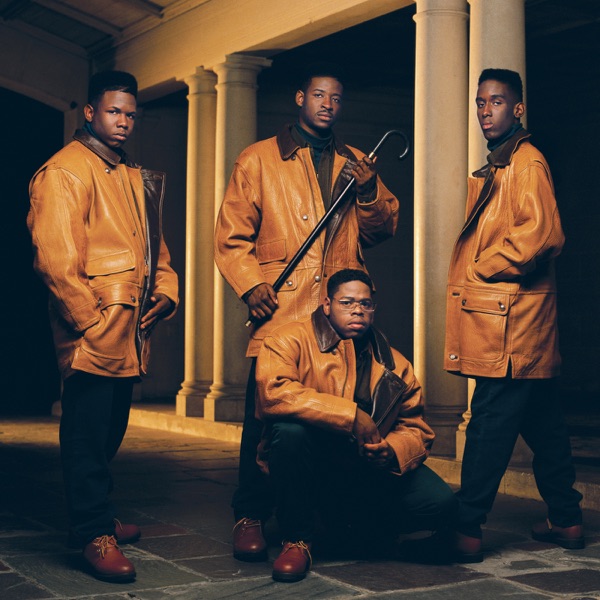
Boyz II Men is a music group from Philadelphia, United States, active since 1988. Their discography on Gatefold includes 12 records.
12
Albums tracked
43
In collections
1988
Since
Biography
Michael Bivins cornered them backstage at a Will Smith gig in Philly, and they didn't hand him a cassette—they sang acapella on the damn spot until he gave up his phone number. That raw vocal muscle built the early engine. Most vocal groups in 1991 were hiding behind New Jack swing snares, but these four treated beat machines like an inconvenience they had to tolerate between vocal stacks. When they locked into four-part harmony, Michael McCary's bass voice rattled the bottom of the track while Wanya Morris pushed his upper register until his cords frayed on tape. No auto-tune crutch, no studio smoke—just church-honed discipline hitting analog tape hot. Then came the imperial mid-nineties bloat, where every slow jam needed an eight-minute runtime and an avalanche of layered synths. They became the biggest vocal machine in American pop, breaking chart records back-to-back and suffocating Top 40 radio until the sound curdled into self-parody. You can hear the exhaustion setting in right around the turn of the century when label meddling and shifting production trends caught them flat-footed. Once McCary's spine forced him out of the lineup, they dropped the corporate chase and settled into a lane of immaculate, workmanlike cover records and throwback sets. Strip away the ridiculous suits and the glossy videos, and you are left with terrifyingly sharp vocal technicians who simply out-sang everyone in their path.
Bio from The Clerk
The Arc of Boyz II Men
The pivots — what forced Boyz II Men to reinvent.
The Street-Corner New Jack Run
They hit the scene running with Cooleyhighharmony under the direct wing of New Edition's Michael Bivins. The production leans hard into aggressive swing-beat percussion, but the vocal arrangements completely overpower the tracks. Cuts like the acapella take on It's So Hard to Say Goodbye to Yesterday proved they didn't even need a drum track to hijack urban radio. It was lean, competitive, and entirely rooted in physical vocal control.
The Platinum Monolith
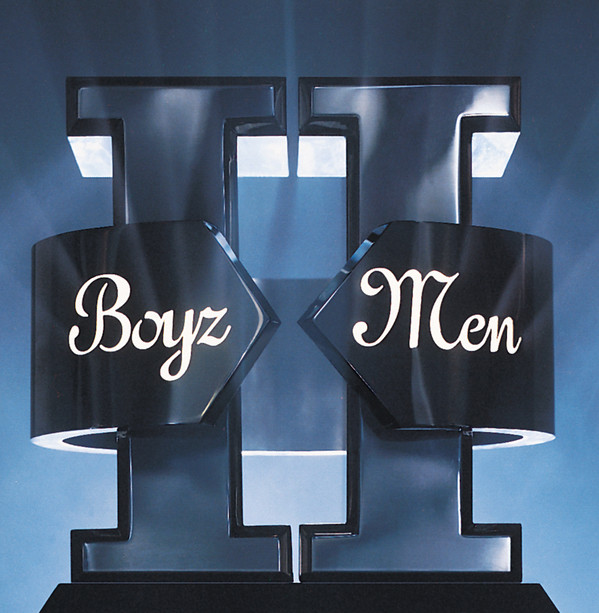
By 1994, the group dropped the uptempo street wear and went full operatic balladry on II and Evolution. The tempos crawled to a dead halt while the dynamic range exploded, turning bedroom slow jams into massive, widescreen stadium arrangements. Michael McCary's spoken-word bass interludes became an unavoidable commercial signature across every station in the country. They broke chart longevity records, but the sheer commercial weight began to squeeze the spontaneity out of the room.
Label Wars and the Trio Transition
The 2000 self-produced Nathan Michael Shawn Wanya marked the fracture point where they pushed back against outside executive control. McCary's worsening health issues led to his departure, leaving the core four as a three-piece right as mainstream radio pivoted hard to modern trap and early-2000s club production. Instead of chasing trends they couldn't stand, they pivoted to independent releases and targeted cover projects like Throwback and Motown. The chart dominance was done, but the remaining three preserved the harmony arrangements with surgical precision.
Influences
- New Edition — Boyz II Men literally lifted their band name from New Edition's 1988 track Boys to Men and modeled their vocal stack after them. Michael Bivins discovered them and served as their initial creative architect. You hear the direct lineage in how their vocal handoffs mirror the New Edition trade-off dynamic.
- Take 6 — The group regularly cited this contemporary gospel six-piece as their absolute gold standard for complex jazz chord voicings. The dense, unsupported acapella interludes on Cooleyhighharmony rely entirely on the chord-stacking vocabulary Take 6 made famous. It separated them from standard street-corner doo-wop.
- The Temptations — They modeled their four-part dynamic on the classic Motown vocal frontline, specifically utilizing Michael McCary as the anchor the same way Melvin Franklin anchored the Tempts. You hear this lineage explicitly on their 2007 tribute covers and any cut where the bass voice drives the turnaround. It was classic soul staging retrofitted for the CD era.
- Sam Cooke — Wanya Morris built his melismatic vocal runs and raw rasp directly off Cooke's gospel-to-secular blueprint. Listen to Cooke's live work with The Soul Stirrers and you hear the exact inflection Wanya uses to break out of group harmonies into lead cries. It provided the grit underneath the group's clean polish.
- The Flamingos — Their entire vocal arrangement philosophy draws straight from 1950s street-corner doo-wop ballads, particularly The Flamingos' layered, ethereal backing vocals on tracks like I Only Have Eyes for You. They took those reverb-heavy doo-wop backdrops and tightened the timekeeping. It is the architectural spine of every major slow burn in their discography.
Discography
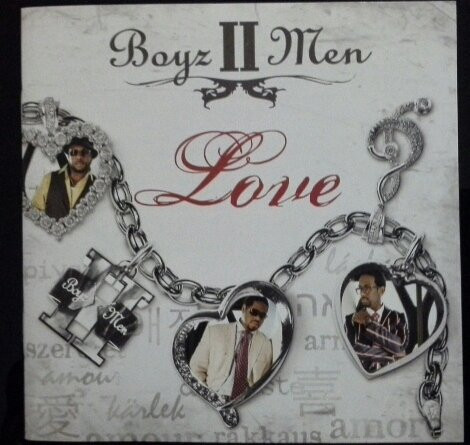
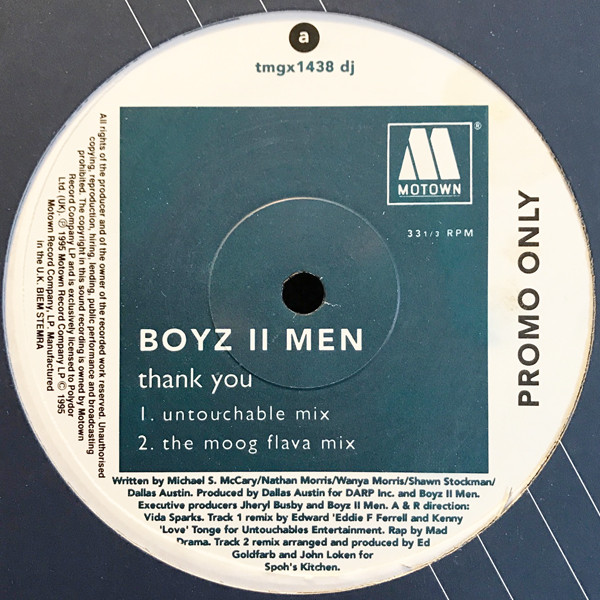
Their records — most-collected first.




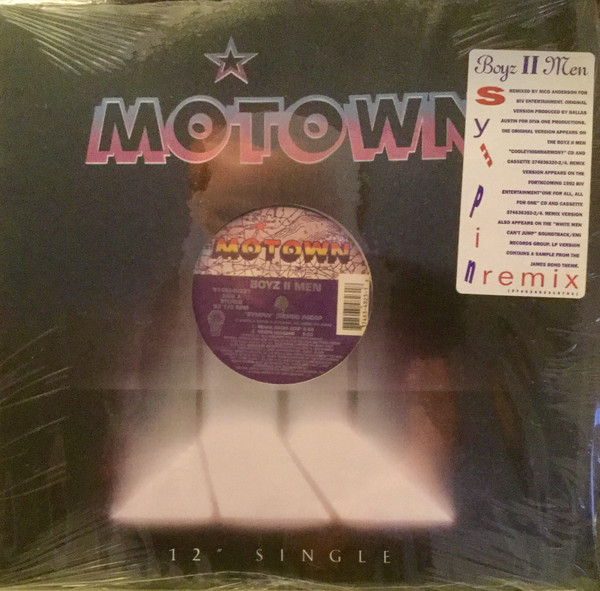
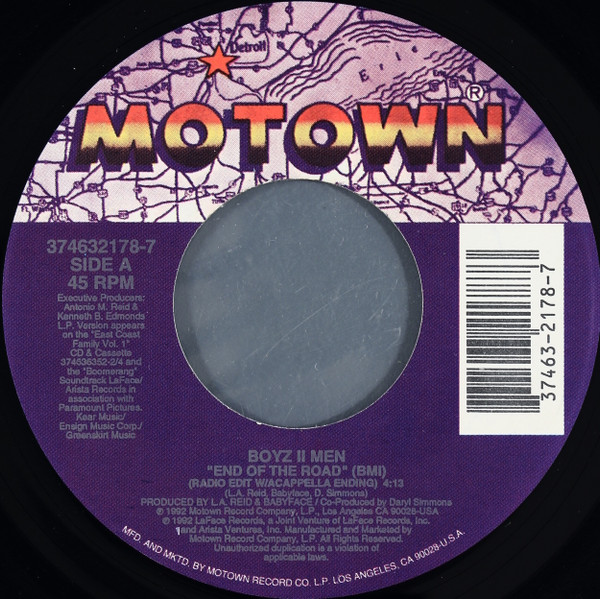
Related artists
Frequent collaborators
Around the web
Follow every record they touch.
Start your shelf and Gatefold tracks Boyz II Men's new pressings, tour dates, and the whole discography — automatically.
Start your shelf →Free forever. Works with 10 records or 10,000.