
Artist
Boston
Boston, United States
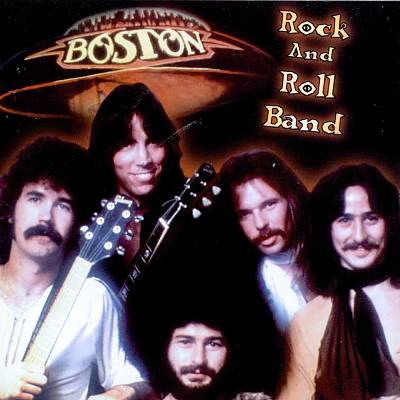
Boston is a music group from Boston, United States. Their discography on Gatefold includes 14 records.

14
Albums tracked
460
In collections
—
Since
Biography
Tom Scholz spent six goddamn years in a basement in Watertown using a Polaroid salary to build a 12-track studio piece by piece. Epic Records thought they were buying a slick studio band, but the debut was essentially a series of demos tracked by a nerd with a slide rule and a guitar. Scholz didn't trust anyone else with the knobs, so he engineered the whole thing himself, creating a sound so compressed and precise it made every other rock record in '76 look like a garage demo. Brad Delp was the secret weapon who could actually hit those stratified high notes without sounding like a cartoon. Between Scholz’s obsessive multi-tracking and Delp’s golden throat, they built a wall of sound that became the gold standard for FM radio. Then the lawsuits started, Scholz took forever to tweak his gear, and the band spent more time in court than on stage. By the time they finished a third record, the world had moved on twice, but those first two albums remain the ultimate textbook on how to over-engineer a masterpiece without losing the hook.
Bio from The Clerk
The Arc of Boston
The pivots — what forced Boston to reinvent.
The Basement Perfectionist
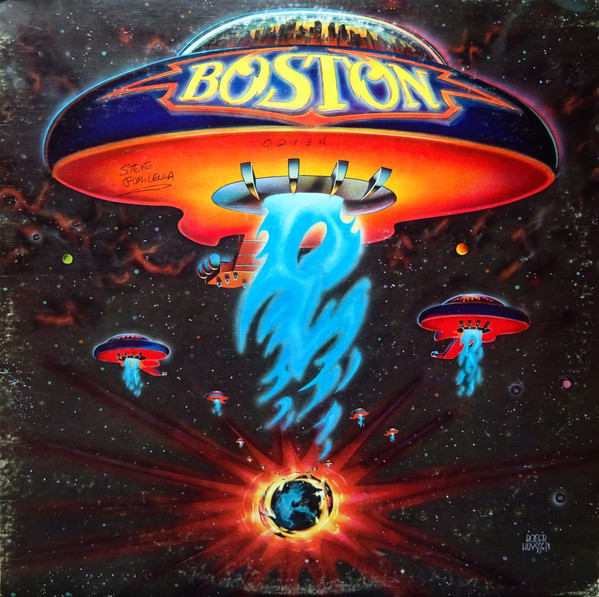
Scholz ignored the industry for half a decade while refining his homegrown tech, resulting in a debut that was almost entirely solo-tracked except for Delp’s vocals and Sib Hashian’s drum overdubs. He bypassed traditional studio logic by using his own inventions like the Power Soak to get cranked-amp saturation at low volumes. The result was a hyper-clean, saturated guitar tone that shouldn't have been possible in a residential basement. It forced every major label to start looking for 'the next Boston,' effectively birthing the entire AOR radio format overnight.
The Legal Gridlock
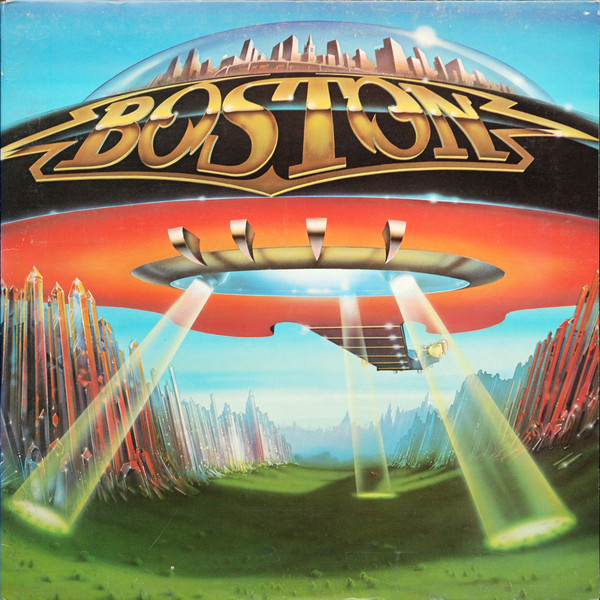
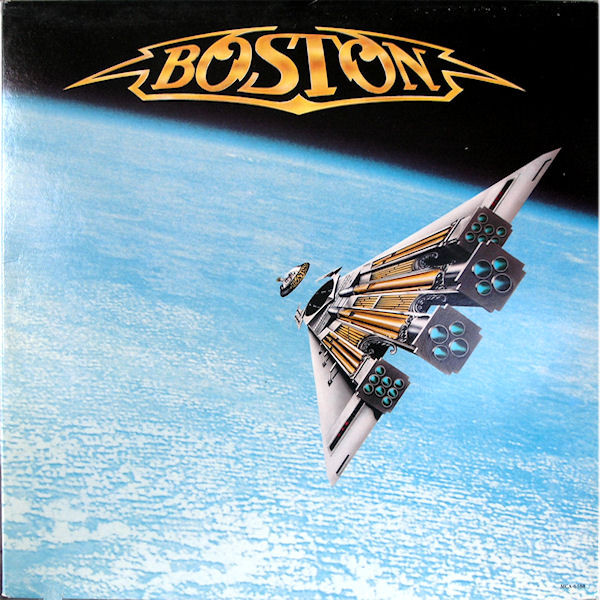
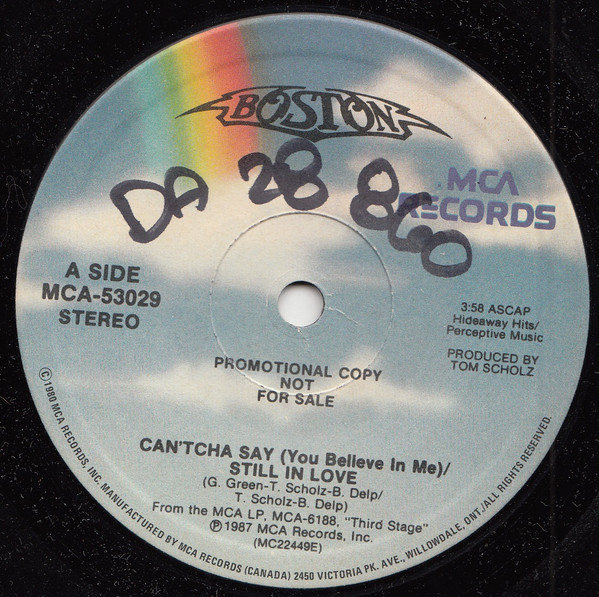
The gap between Don't Look Back and Third Stage was nearly a decade of high-stakes litigation with CBS and Epic over Scholz’s refusal to rush his process. During this freeze, Scholz founded SR&D and invented the Rockman, a headphone amp that defined the compressed, chorused guitar sound of the mid-80s. When Third Stage finally dropped on MCA in '86, it was a time capsule of that Rockman tech, sounding utterly different from the debut but still hitting number one. It proved the brand was bigger than the era, even if the organic grit of the 70s was swapped for pure, processed signal chains.
The Post-Delp Transition
After Brad Delp's tragic passing in 2007, Scholz was left as the sole architect of a sound that required a very specific vocal range. He pivoted to a revolving door of vocalists like Tommy DeCarlo and Michael Sweet to keep the machine running for Life, Love & Hope. The focus shifted entirely to the production as a monument to the 70s aesthetic, leaning on old analog tapes and the same obsessive layering that started in Watertown. It’s the sound of a man keeping a very specific flame alive, regardless of whether the charts are still paying attention.
Influences
- The James Gang — Scholz has repeatedly cited Joe Walsh’s guitar work as his primary blueprint for tone and phrasing. You hear it in the melodic, singing quality of the leads on 'Hitch a Ride' and the way the distorted chords still maintain clarity. Walsh's 'The Bomber' was the spark for the Boston harmonic approach.
- The Kinks — Before he was an MIT engineer, Scholz was obsessed with the crunch of 'You Really Got Me' and its DIY distortion. That quest for the perfect square-wave clip led directly to him building his own gear to replicate Kinks-style saturation. He even covered 'You Really Got Me' during early live sets to test his home-built rigs.
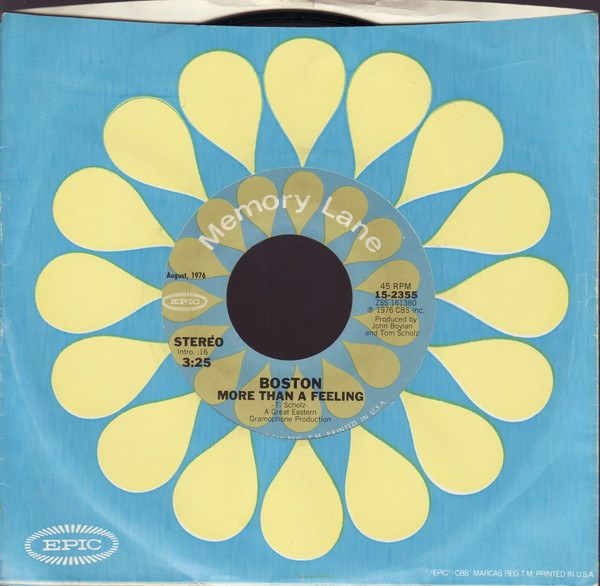
- The Left Banke — The baroque pop sensibilities of 'Walk Away Renée' heavily informed the intricate vocal arrangements Scholz wrote for Brad Delp. The way the harmonies stack in 'More Than a Feeling' mirrors the 60s chamber-pop approach more than it does 70s blues-rock. It's the sophisticated melodic structure hidden under a layer of Marshall stacks.
- The Yardbirds — Jeff Beck’s use of feedback and sustain on records like Having a Rave Up set the stage for Scholz's electronic experimentation. He wanted to achieve that same liquid sustain without the erratic volume, leading to the development of his own custom signal processors. The dual-lead guitar harmonies in Boston are a direct evolution of the British Blues Explosion's twin-guitar attacks.
- Todd Rundgren — Rundgren’s 'Something/Anything?' proved that one guy with enough gear could play every instrument and produce a hit record alone. Scholz took that 'wizard in the studio' archetype to its logical, obsessive extreme in his basement. It provided the career model for a tech-obsessed musician to bypass the traditional band dynamic entirely.
Discography
Their records — most-collected first.



Related artists
Around the web
Follow every record they touch.
Start your shelf and Gatefold tracks Boston's new pressings, tour dates, and the whole discography — automatically.
Start your shelf →Free forever. Works with 10 records or 10,000.