
Artist
The Boo Radleys
Liverpool, United Kingdom · Formed 1988
The Boo Radleys is a music group from Liverpool, United Kingdom, active since 1988. Their discography on Gatefold includes 22 records.

22
Albums tracked
42
In collections
1988
Since
Biography
Martin Carr was essentially writing songs in his head while working a day job at a potato crisp factory before the band ever signed to Rough Trade. When the label went bust shortly after their debut, they didn't fold; they jumped to Creation Records and started treating the studio like a chemistry set. They were the weirdest kids in the Britpop class, more interested in dub rhythms and feedback loops than just writing another pub singalong. Everyone remembers the brass fanfare on 'Wake Up Boo!' because it was everywhere in '95, but that hit was a double-edged sword. It made them massive, but it also buried the fact that Carr was a total studio obsessive who wanted to be Brian Wilson and Kevin Shields at the same time. They spent the rest of their career trying to claw back their dignity from that one sunny hook, eventually putting out records so experimental they practically begged the casual fans to leave them alone.
Bio from The Clerk
The Arc of The Boo Radleys
The pivots — what forced The Boo Radleys to reinvent.
The Shoegaze Purgatory
Early on, the Boos were drowning in the same distortion pedals as everyone else on the scene. Records like 'Everything’s Alright Forever' show a band struggling to find a melody under layers of white noise and heavy reverb. You can hear them fighting the limitations of the 'Wall of Sound' trope, trying to push Sice’s vocals to the front while Carr was still obsessed with his fuzzbox. It’s the sound of a band waiting for a breakthrough that wasn't just about volume.
The Giant Steps Breakthrough
Everything changed when they stopped caring about being a guitar band and started using the studio as an instrument. They brought in elements of reggae, jazz, and ambient noise, creating a record that felt like a disorganized scrap-book of everything Carr was listening to. It was a massive creative leap that proved they had more in common with The Beatles' experimental phase than their baggy peers. This era defined them as the smart guys in the room who weren't afraid to ruin a perfectly good pop song with a minute of static.
The Britpop Hangover
After the massive commercial success of 'Wake Up!', the band pivoted hard into the abrasive, difficult sounds of 'C’mon Kids' to shed the 'sunny' image. They recorded in a state of reaction, cranking the volume and intentionally sabotaging the radio-friendly polish of the previous year. It was a calculated move to reclaim their status as outsiders, even if it meant alienating the Top of the Pops crowd. By the time 'Kingsize' rolled around, the internal friction and the collapse of the scene made the breakup inevitable.
Influences
- The Beach Boys — Martin Carr has repeatedly cited 'Pet Sounds' as the blueprint for his shift toward complex arrangements. You hear it in the baroque pop harmonies and the ambitious multi-track layering on 'Giant Steps.' It was an obsession with Brian Wilson's 'symphony to God' mentality that moved them past simple indie rock.
- New Order — The band grew up in the shadow of Factory Records and covered 'Run Wild' as a tribute to their influence. The melodic bass lines Tim Brown used were a direct lift from Peter Hook’s high-fretboard style. They understood how to mix dance-floor dynamics with miserable lyrics better than most guitar bands.
- Dinosaur Jr. — Before they found the brass sections, the Boos were heavily indebted to J Mascis’s distorted melodicism, famously covering 'The Wagon' early in their career. You can hear that frantic, slacker-rock energy and the overblown guitar solos all over 'Ichabod and I.' It provided the noisy foundation they eventually built their pop structures on.
- The Beatles — The psychedelic experimentation of 'Revolver' is the DNA for almost every segue and sound effect on 'Wake Up!' Carr was transparent about wanting to replicate the 'Tomorrow Never Knows' tape-loop chaos. They were chasing that specific mid-60s transition from pop idols to studio wizards.
- My Bloody Valentine — Creation label-mate Kevin Shields was a huge presence in their early world, with the Boos often being compared to the 'glide guitar' sound of 'Loveless.' You hear the heavy tremolo and the hazy, washed-out vocal mix on their first two EPs. They had to move through the shoegaze clouds before they could find the sun.
Discography
Their records — most-collected first.

Giant Steps
1993

Everything's Alright Forever
1992
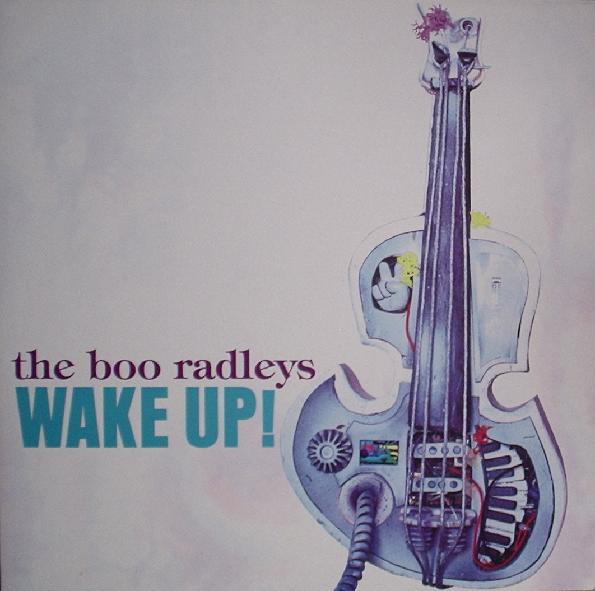
Wake Up!
1995

C'Mon Kids
1996

C'Mon Kids
1996

Wake Up Boo!
1995

From The Bench At Belvidere
1995

Find The Answer Within
1995

It's Lulu
1995

Lazarus (Remixes)
1994

Learning To Walk
1993
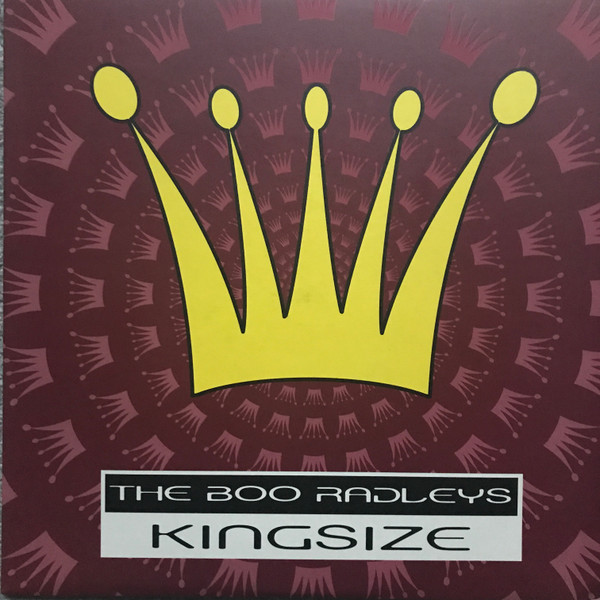
Kingsize
1998

I Hang Suspended
1993

In Spite Of Everything
2026

Eight
2023
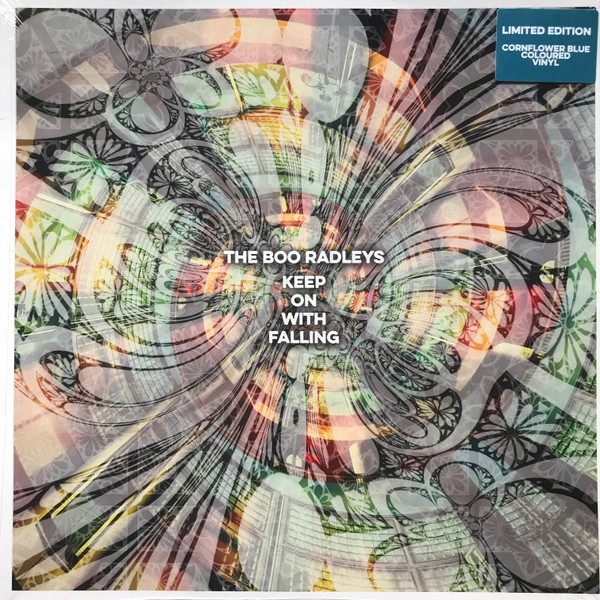
Keep On With Falling
2022
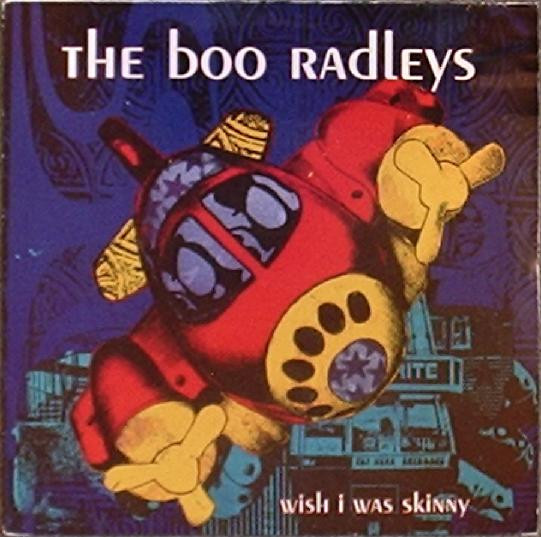
Wish I Was Skinny
1993

Boo! Forever
1992

Boo Up! E.P.
1991
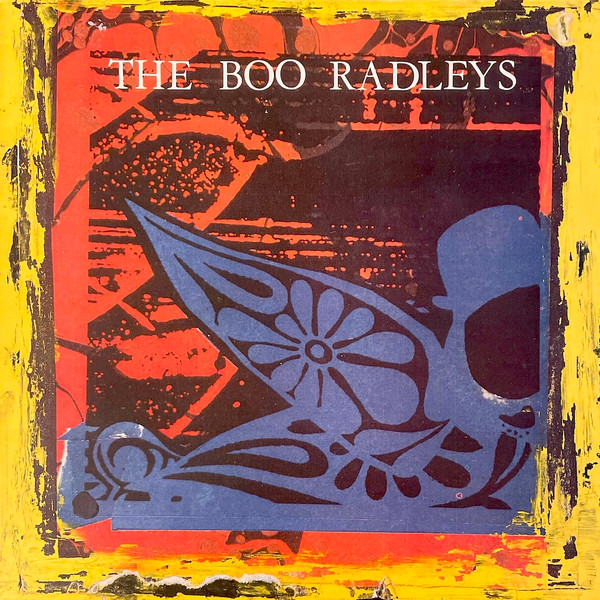
Every Heaven E.P.
1991

Ichabod And I
1990

Kaleidoscope
1990
Related artists
Around the web
Follow every record they touch.
Start your shelf and Gatefold tracks The Boo Radleys's new pressings, tour dates, and the whole discography — automatically.
Start your shelf →Free forever. Works with 10 records or 10,000.