
Artist
Böhse Onkelz
Hösbach, Germany · Formed 1980
Böhse Onkelz is a music group from Hösbach, Germany, active since 1980. Their discography on Gatefold includes 24 records.

42
Albums tracked
29
In collections
1980
Since
Biography
They started with a cheap cassette recorder in a damp basement in Frankfurt. No budget. Barely any gear. Just three kids pissed off at the world. Kevin Russell had a throat like broken glass, Stephan Weidner had a bass, and Pe Schorowsky pounded on a drum kit that looked like garbage. That 1981 self-titled demo was pure, unadulterated street punk. It was raw, loud, and incredibly ugly. That is the exact energy that built their foundation. Then things got complicated and incredibly dark. The early eighties Oi! scene in Germany was a political minefield, and the Onkelz walked right into it with 'Der nette Mann' in 1984. It got indexed by the federal government for glorifying violence. The band spent the next three decades trying to outrun their own early shadow. The mainstream music press blacklisted them, but the fans didn't care. They built an absolute fortress of an independent empire, selling out stadiums with zero radio support. By the time they cut 'E.I.N.S.' in 1996, Matthias Röhr’s guitar work had evolved into a massive, heavy metal wall of sound. They stopped playing basement gigs and started filling Hockenheimring. They became the ultimate outsiders who conquered the inside. The lyrics turned into a massive therapy session for a generation of pissed-off German youth. They broke up, got back together, and kept drawing massive crowds because that specific brand of defiance never goes out of style.
Bio from The Clerk
The Arc of Böhse Onkelz
The pivots — what forced Böhse Onkelz to reinvent.
The Punk and Oi! Basement
Between 1980 and 1985, they were raw, fast, and completely disorganized. They operated in the gritty underground of Frankfurt, influenced by British street punk and the emerging Oi! movement. This era culminated in 'Der nette Mann' in 1984, an album recorded on cheap equipment that defined their early, aggressive street sound. The government ban on the record forced them to pivot away from the subculture that birthed them.
The Metal Evolution
By 1987's 'Onkelz wie wir...', the band traded three-chord punk for heavy metal riffs. Matthias 'Gonzo' Röhr took over lead guitar duties and brought a massive, hard-rock-influenced precision to the rhythm section. This shift was marked by cleaner production and a deliberate move toward classic metal song structures. You hear this transition peak on 'Kneipenterroristen' in 1988, which traded street-fighting anthems for a heavier, slower, and far more sinister rock sound.
The Stadium Independent Empire
In 1992, they released 'Heilige Lieder' on the independent Bellaphon label, and the record climbed to number five on the German charts without any mainstream radio play. The industry tried to ignore them, so the band built their own massive distribution and touring network. The music became epic, anthemic, and heavily focused on themes of self-reflection, loyalty, and survival. This was the era where they solidified their status as the ultimate anti-establishment champions of German rock.
Influences
- The Clash — The band has cited British punk as their initial spark, with Stephan Weidner frequently pointing to Joe Strummer's crew as the reason they picked up instruments in 1980. You can hear this influence in the fast, aggressive tempo and three-chord structure of their earliest 1981 demo tapes.
- Sham 69 — The band covered Sham 69's classic street-punk anthems in their early live sets, adopting Jimmy Pursey’s anthemic, shout-along chorus style. You hear this heavy, repetitive, gang-vocal influence all over the tracks on 1984's 'Der nette Mann'.
- Motorhead — Lemmy’s speed-freak rock 'n' roll was a massive blueprint for the Onkelz as they transitioned out of punk. Kevin Russell's gravelly, throat-shredding vocal delivery is a direct descendant of Lemmy's raspy growl, particularly evident on the 1988 album 'Kneipenterroristen'.
- AC/DC — Matthias 'Gonzo' Röhr has repeatedly cited Angus Young as his primary guitar hero. The driving, mid-tempo, blues-based hard rock riffs on 1987's 'Onkelz wie wir...' show a clear shift away from punk toward the classic Australian hard rock formula.
- Rose Tattoo — The band toured with and openly championed these Australian hard rock legends, sharing a mutual love for slide guitar and gritty street lyricism. The slide guitar work on 'Mexico' in 1985 is a direct nod to Peter Wells' signature tone.
Discography
Their records — most-collected first.

40 Jahre Onkelz - Live im Waldstadion
2024
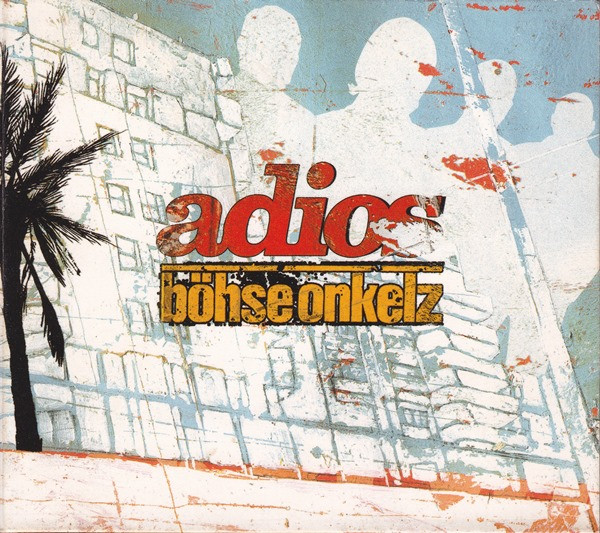
Adios
2004

Gehasst, Verdammt, Vergöttert
1994

Waldstadion - Live In Frankfurt 2018
2020

Live In Dortmund II
2017

Memento - Gegen Die Zeit + Live In Berlin
2017
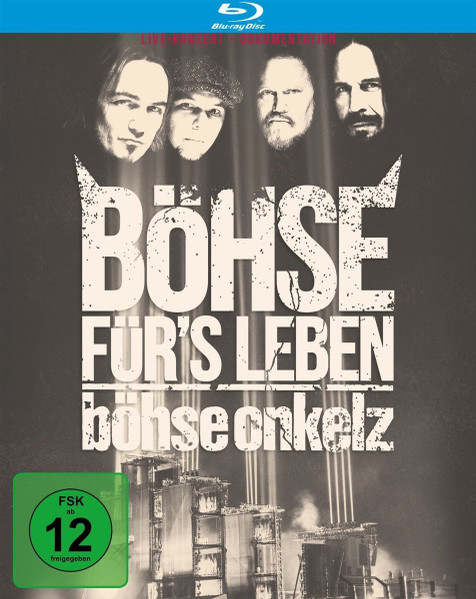
Böhse Für's Leben
2016
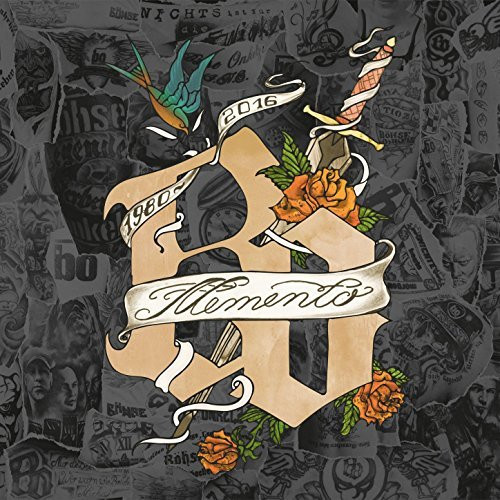
Memento
2016

Böhse Für's Leben
2016

Nichts Ist Für Die Ewigkeit - Live Am Hockenheimring
2014

Vaya Con Tioz
2007

Live In Hamburg
2005

Dopamin
2002

Tour 2000
2001

20 Jahre - Live In Frankfurt
2001

Ein Böses Märchen ...Aus Tausend Finsteren Nächten
2000

Viva Los Tioz
1998

Live In Dortmund
1997

Live In Dortmund - Das Video
1997

E.I.N.S.
1996
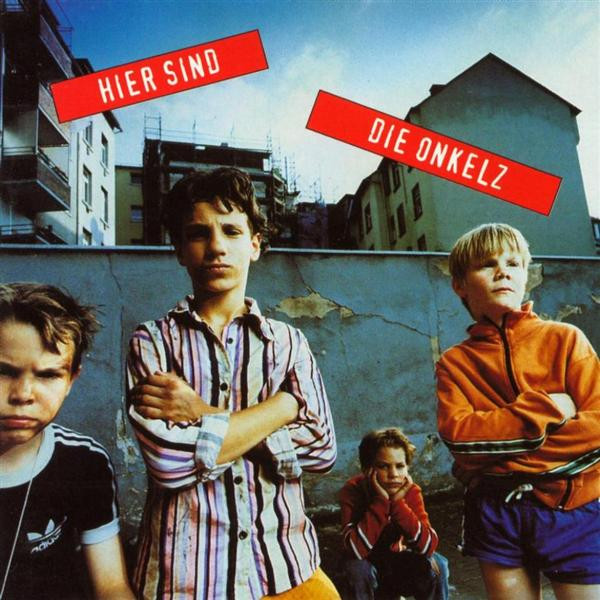
Hier Sind Die Onkelz
1995

Weiß
1993

Live In Vienna
1992

Live In Vienna
1992
Related artists
Around the web
Follow every record they touch.
Start your shelf and Gatefold tracks Böhse Onkelz's new pressings, tour dates, and the whole discography — automatically.
Start your shelf →Free forever. Works with 10 records or 10,000.