
Artist
Boards of Canada
Scottish electronic duo
Edinburgh, United Kingdom · Formed 1986
Boards of Canada is a music group from Edinburgh, United Kingdom, active since 1986. Their discography on Gatefold includes 11 records.

11
Albums tracked
298
In collections
1986
Since
Biography
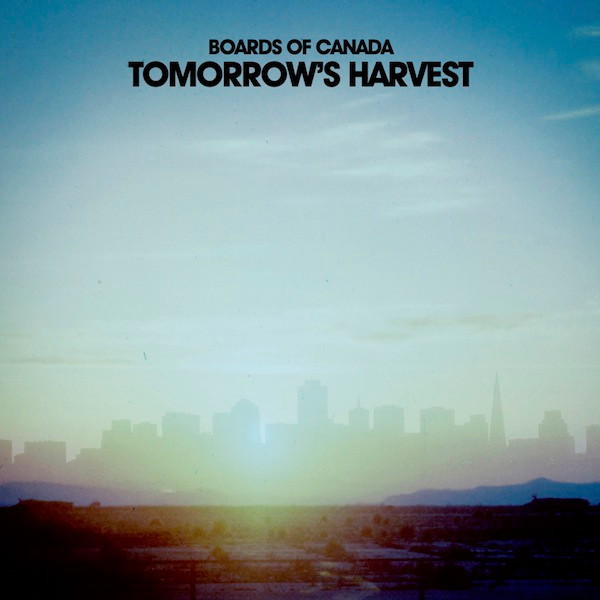
Michael Sandison and Marcus Eoin didn’t start with a high-end synth rack or a massive studio budget. They started with a bunch of trashed VHS tapes and a broken tape recorder in a Scottish commune. The brothers spent years obsessing over the warbled, decaying audio of National Film Board of Canada documentaries, trying to replicate that specific feeling of memory rot. By the time they signed to Skam, they were already masters of the ‘sand’—that grainy, degraded texture achieved by bouncing audio to cheap cassette, leaving it in the sun, and then sampling it back into their Yamaha and Akai gear. They’re the only act on Warp that managed to make IDM feel like a ghost story instead of a math problem. People lose their minds over the hidden numerology and the Branch Davidian references, but the real magic is the technical discipline. They refuse to let a clean digital signal touch the master until it’s been through enough analog abuse to sound like a transmission from 1974. When Tomorrow’s Harvest dropped in 2013, the warmth was replaced by a cold, nihilistic dread, proving they weren't just about childhood nostalgia—they could score the end of the world just as easily.
Bio from The Clerk
The Arc of Boards of Canada
The pivots — what forced Boards of Canada to reinvent.
The Hexagon Sun Lab
Before the world knew their names, the brothers and a revolving door of friends like Christopher Horne (christ.) operated out of a private studio bunker in the Pentland Hills. This era was about isolation and the development of the 'Twoism' sound, where they moved away from their early guitar-heavy experiments into pure, eerie synthesis. You hear it in the way 'Hi Scores' balances massive, hip-hop-influenced beats with the unsettling feeling of being watched in the woods.
The Warp Ascension
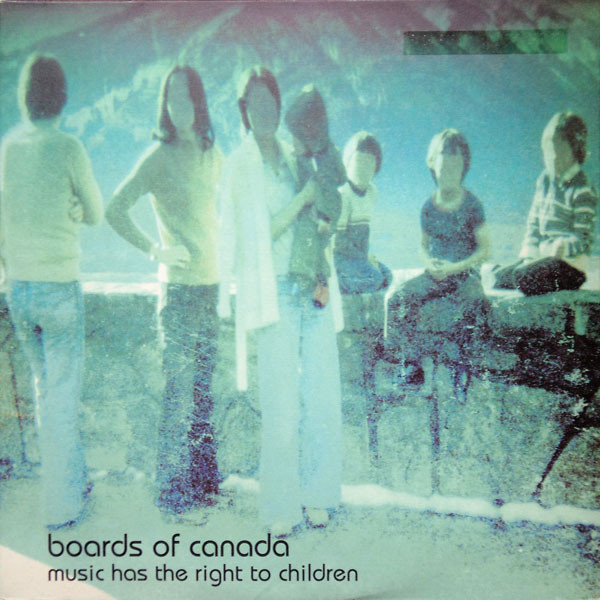
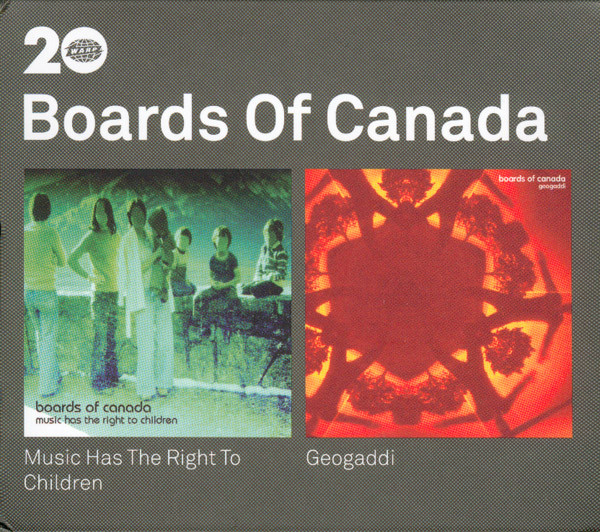
Signing to Warp Records changed the stakes, forcing a refinement that resulted in 'Music Has the Right to Children.' The brothers worked with a obsessive focus on texture, incorporating field recordings of kids playing and bird calls to ground the electronics in a physical reality. This was the moment the 'Boards sound' became a genre of its own, blending the crunch of a MPC with the drifting, out-of-tune melodies of a dying Mellotron.
The Numerical Nightmare
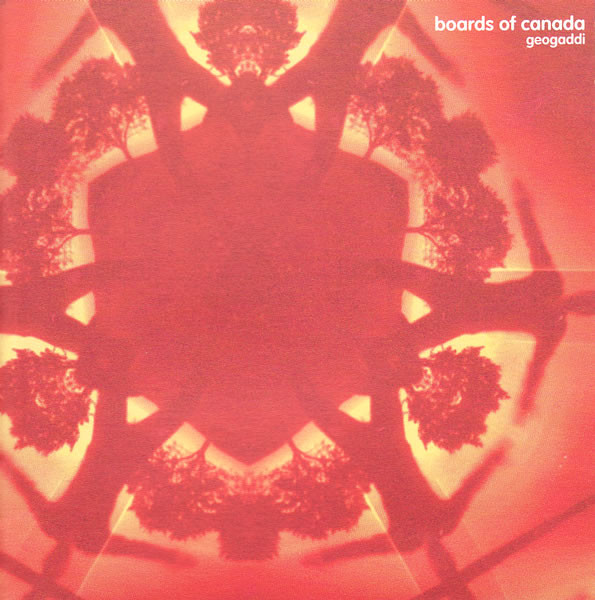
By the time 'Geogaddi' arrived in 2002, the duo had descended into a darker, more claustrophobic headspace fueled by an obsession with mathematics and cult history. They packed the record with exactly 66 minutes and 6 seconds of audio, utilizing complex stereo panning and subliminal vocal layering to create a dense, paranoid atmosphere. It was a sharp turn away from the breezy nostalgia of their debut, swapping sunshine for the cold reality of the '1969' era.
The Desert Drifters
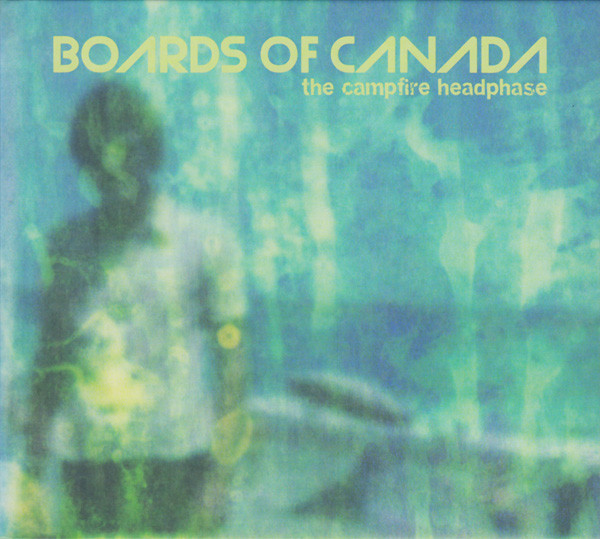
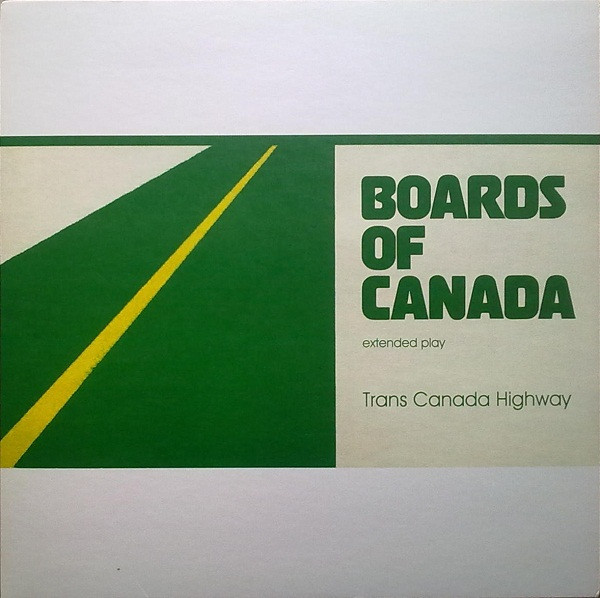
For 'The Campfire Headphase,' the brothers picked up the guitars again, but they didn't make a rock record. They treated the six-string like another oscillator, soaking it in chorus and delay until it sounded like a heat mirage on a highway. This pivot divided the hardcore fans who wanted more math-loops, but it showed a band willing to let a little light back into the booth, trading the bunker for the open road of the 'Trans Canada Highway' EP.
Influences
- Cocteau Twins — The brothers have cited the Twins' use of heavily processed guitars and the ethereal 'wall of sound' as a primary blueprint for their own melodic structures. You hear that gauzy, layered atmosphere across 'The Campfire Headphase' where the guitars melt into the synths just like Robin Guthrie's production. It's the same Scottish DNA of finding beauty in the blur.
- The Beatles — Specifically the 'Strawberry Fields Forever' era of studio experimentation and tape manipulation. Sandison has pointed to their backwards masking and speed-ramping techniques as the foundation for how Boards of Canada treats their own samples. The eerie, psychedelic transition at the end of 'Dayvan Cowboy' is a direct descendant of the 'Magical Mystery Tour' era.
- My Bloody Valentine — The duo frequently references Kevin Shields' 'glide guitar' and his obsession with micro-tonal shifts as a major influence on their pitch-warping. On tracks like 'Everything You Do is a Balloon,' the melodies drift in and out of tune in a way that mirrors the disorienting, seasick feeling of 'Loveless.' They took the shoegaze ethos and stripped the loud amps away.
- Brian Eno — Eno’s 'Music for Films' and his concept of ambient music as a 'tint' rather than a foreground element is baked into their DNA. They adopted his philosophy of the studio-as-instrument, focusing on the space between the notes as much as the notes themselves. You hear his DNA in the short, transitionary vignettes that pepper their full-length albums.
- Julian Cope — Cope's book 'Krautrocksampler' served as a massive guide for the duo when they were uncovering the kosmische sounds of Can and Tangerine Dream. This influence manifest in their long-form rhythmic structures and their commitment to the 'motorik' beat. It’s the reason their tracks never feel static—they have that relentless, forward-moving pulse.
Discography
Their records — most-collected first.


Related artists
Frequent collaborators
Around the web
Follow every record they touch.
Start your shelf and Gatefold tracks Boards of Canada's new pressings, tour dates, and the whole discography — automatically.
Start your shelf →Free forever. Works with 10 records or 10,000.