
Artist
Bloc Party
English indie rock band
London, United Kingdom · Formed 1999
Bloc Party is a music group from London, United Kingdom, active since 1999. Their discography on Gatefold includes 24 records.

25
Albums tracked
188
In collections
1999
Since
Biography
Paul Epworth recorded Silent Alarm at Delta Lab Studios in Copenhagen on a desk that was literally falling apart. He ran Matt Tong’s drums hot into the board, captured Russell Lissack’s jagged delay pedals direct, and let Kele Okereke scream until his vocal cords frayed. There was no room for indie-pop politeness. It was a physical, terrifyingly precise assault that made their peers sound like they were playing in slow motion. Then they got tired of being a guitar band. By the time they did Intimacy in 2008, they were dragging glitchy samplers and modular synths into the room, alienating half the crowd who just wanted another round of high-speed post-punk. Some of it was a bloated mess, but they were never afraid to crash their own party. Even when the original rhythm section of Tong and Gordon Moakes finally walked, the band kept mutating because Okereke and Lissack refused to let the brand turn into a nostalgic museum piece.
Bio from The Clerk
The Arc of Bloc Party
The pivots — what forced Bloc Party to reinvent.
The Precision Attack
Between 2004 and 2005, the band defined the angular post-punk revival by playing at a relentless, near-impossible tempo. Epworth pushed Tong to the absolute limit of human endurance behind the kit, creating a rhythmic blueprint that was terrifyingly tight. You hear it on Silent Alarm in the way the guitars of Lissack and Okereke lock together like puzzle pieces rather than competing for space. It was a masterclass in tension, release, and sheer physical stamina.
The Electronic Pivot
For Intimacy in 2008, the band brought back producer Jacknife Lee and decided to treat the studio like a dance club rather than a rehearsal space. They traded traditional basslines for heavy, distorted synthesizer patches and programmed beats that leaned into the UK bloghouse scene. Okereke’s vocals were chopped, processed, and fed through samplers, stripping away the raw indie aesthetic for something colder and more claustrophobic. It split the fanbase down the middle, but it proved they were done being poster boys for the NME crowd.
The Rhythm Section Collapse
By 2012's Four, internal tensions boiled over, resulting in a raw, metal-influenced rock record recorded live to tape with Alex Newport before Tong and Moakes left the band. The subsequent hiring of Louise Bartle on drums and Justin Harris on bass completely altered the band's DNA for 2016's Hymns. Without Tong's frantic sixteen-note hi-hat patterns, the music slowed down to a sparse, gospel-infused electronic crawl. It was a complete structural rebuild that sacrificed their signature velocity for open space.
Influences
- Gang of Four — Kele Okereke has repeatedly cited their 1979 debut Entertainment! as the primary blueprint for the band's rhythmic structure. You hear it in Gordon Moakes' highly melodic, driving basslines and the scratchy, non-traditional treble-heavy guitar scratching that Lissack uses instead of standard chords. They took the funk-punk skeleton and sped it up for the millennium.
- Pixies — The band famously met after Lissack and Okereke connected over a mutual obsession with Black Francis at the 1999 Reading Festival. The quiet-loud-quiet song structures on tracks like 'Like Eating Glass' borrow directly from the Pixies' dynamic playbook. It is the art of building extreme tension through sparse verses before unleashing a wall of distorted guitar noise in the chorus.
- The Chemical Brothers — Before entering the studio for Silent Alarm, the band spent hours analyzing big beat and electronic arrangements to figure out how to make a live rock band sound like a loop-based DJ set. This influence is obvious in Matt Tong's drumming, which frequently mimics programmed breakbeats. They wanted to play electronic music with wooden sticks and metal cymbals.
- Mogwai — Russell Lissack's extensive use of delay, pitch-shifting, and looping pedals was heavily inspired by the Scottish post-rock giants. Instead of playing traditional solos, Lissack uses his pedalboard to create ambient textures and high-pitched bird-like chirps. You hear this clearly on the atmospheric swells of 'This Modern Love' and 'Plans'.
- The Cure — The band covered 'Other Voices' for a tribute album and frequently cited Robert Smith's dark, chorus-drenched guitar tones as a major influence. The melancholic, cascading guitar lines on 'A Weekend in the City' directly mirror the gloomy, lush textures of Disintegration. They took the goth-pop sadness and injected it with modern London anxiety.
Discography
Their records — most-collected first.
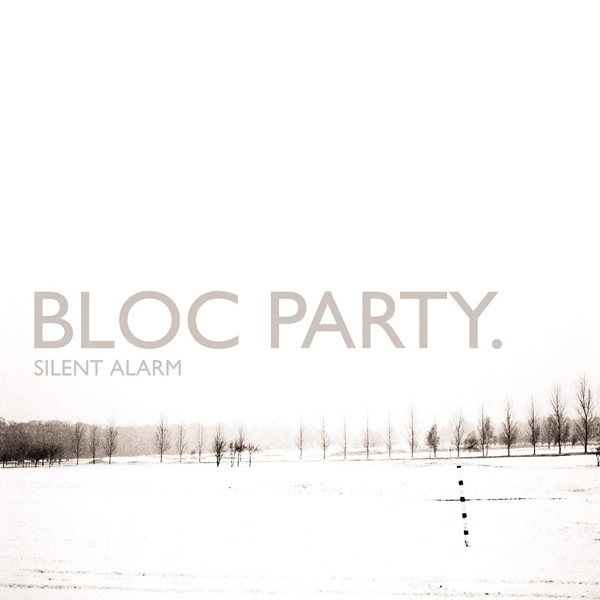
Silent Alarm
2005

A Weekend In The City
2007

Intimacy
2008

Four
2012

So Here We Are / The Marshals Are Dead
2005
Alpha Games
2022
Silent Alarm Remixed
2005

The Pioneers
2005

Little Thoughts EP
2004
Helicopter / Skeleton
2004

Hymns
2016

The Prayer
2007

Two More Years
2005

Little Thoughts / Storm And Stress
2004
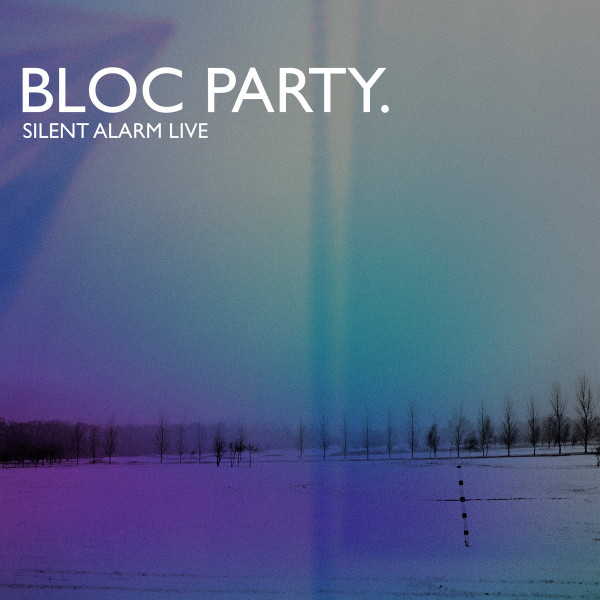
Silent Alarm Live
2019
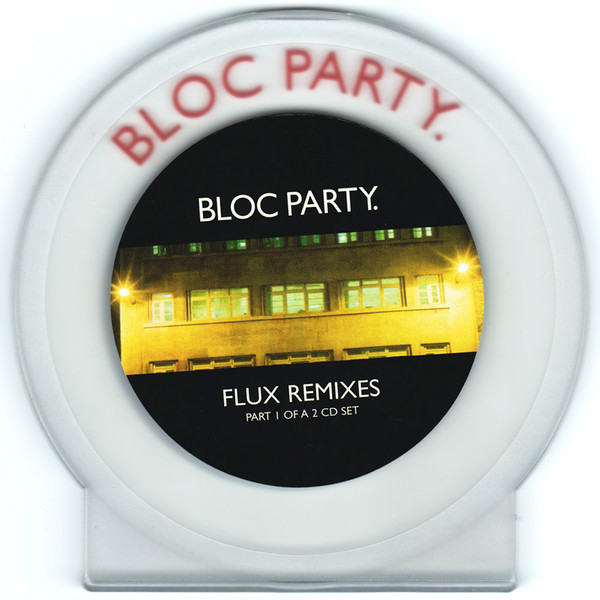
Flux
2007
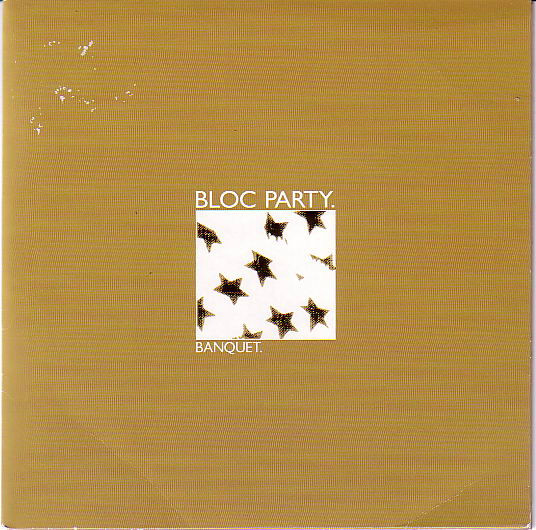
Banquet / Staying Fat
2004
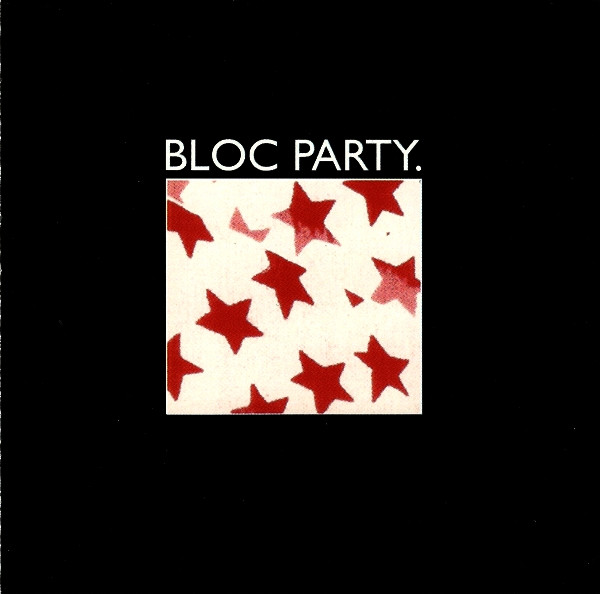
Bloc Party E.P.
2004

Anatomy Of A Brief Romance
2026

The High Life EP
2023

Talons
2008
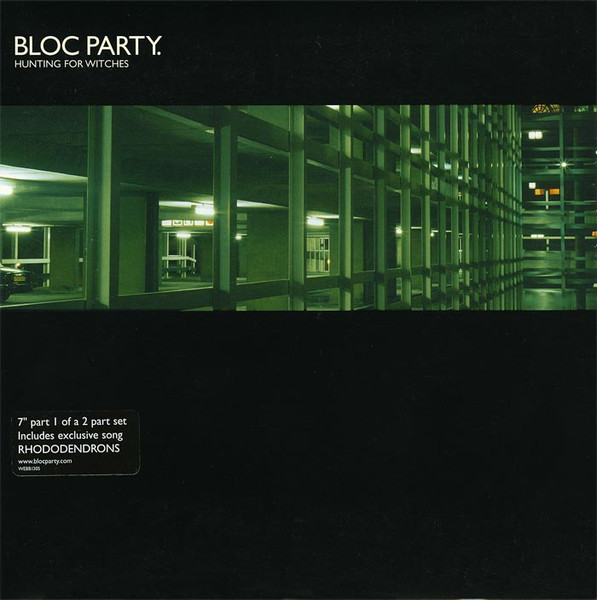
Hunting For Witches
2007

The Nextwave Sessions
2013

Intimacy Remixed
2009
Related artists
Around the web
Follow every record they touch.
Start your shelf and Gatefold tracks Bloc Party's new pressings, tour dates, and the whole discography — automatically.
Start your shelf →Free forever. Works with 10 records or 10,000.