
Artist
Billy Squier
Wellesley, United States · b. 1950
Billy Squier is a musician from Wellesley, United States, active since 1950. Their discography on Gatefold includes 22 records. They also recorded with Ringo Starr & His All Starr Band.

30
Albums tracked
122
In collections
1950
Since
Biography
Bobby Chouinard's kick drum on 'The Big Beat' is the entire reason hip-hop sounds the way it does. Squier tracked that monster in 1980 at Eddy Offord's studio in Woodstock, running a raw Ludwig kit through ambient room mics until it sounded like a wrecking ball hitting concrete. Rick Rubin built Def Jam on top of it. Run-DMC, LL Cool J, Dizzee Rascal — they all stole that pocket. Squier wasn't trying to invent boom-bap. He just wanted a rhythm section that hit like John Bonham, and he ended up handing the golden era its favorite break. Then comes 1984, and Kenny Ortega tells him to rip off his tank top and roll around on pastel satin sheets for the 'Rock Me Tonite' video. It was an instant career homicide on basic cable. MTV played that clip into the ground, radio programmers laughed him out of the room, and ticket sales fell off a damn cliff overnight. The tragedy of that video isn't just the secondhand embarrassment. It's that people forgot the guy was a brilliant, hook-heavy hard rock craftsman who could play circles around three-quarters of the hair-metal clowns who replaced him.
Bio from The Clerk
The Arc of Billy Squier
The pivots — what forced Billy Squier to reinvent.
The Breakbeat Blueprints
After fronting the power-pop outfit Piper in the late seventies, Squier went solo to chase a much heavier, Zeppelin-sized arena sound. He stripped away the skinny-tie frills and locked in with drummer Bobby Chouinard to build massive, rhythm-forward rock tracks like 'The Big Beat' on The Tale of the Tape. The guitar riffs were lean, but the drums were completely massive, creating an unexpected rhythmic blueprint that early rap producers immediately hijacked. It was stripped-down, punchy hard rock made right before the synth era swallowed the decade.
The Platinum Run
Producer Mack came straight off working with Queen to get behind the board for Don't Say No and Emotions in Motion, giving Squier a razor-sharp, radio-crushing sheen. Hits like 'The Stroke' and 'Lonely Is the Night' dominated FM dials with dry, punchy snare hits, soaring hooks, and swaggering riffs. Squier became a bona fide arena headliner, even getting Freddie Mercury to drop guest vocals on his tracks. For three years, nobody on American rock radio could touch his hit-making streak.
The Video Hangover and Retrenchment
The pastel disaster of the 'Rock Me Tonite' clip off 1984's Signs of Life completely derailed his momentum, instantly turning a platinum arena headliner into an MTV punchline. Capitol tried to salvage things with glossy, electronic-tinged follow-ups like Enough Is Enough and Hear & Now, but the rock crowd had permanently moved on to thrash and hair metal. Squier kept making sturdy records through the early nineties, but the commercial engine was dead. By the time he stripped everything back to acoustic blues on 1998's Happy Blue, he had quit chasing the charts entirely.
Influences
- Led Zeppelin — Squier openly modeled his solo rhythm section on the sheer, uncompressed weight of John Bonham. You hear that exact heavy-foot groove driving 'Lonely Is the Night', right down to the Page-style open-string riffing. Half the rock press accused him of lifting it whole, but few players ever pulled off the tribute that well.
- The Beatles — Before he ever plugged into a Marshall stack, Squier obsessed over McCartney's melodic sensibilities, later touring the world as a recurring member of Ringo Starr's All Starr Band. You hear that British Invasion pop DNA beneath all the heavy guitars on early Piper tracks and solo power-pop cuts like 'My Kinda Lover'. It gave his arena anthems real songcraft instead of just dumb volume.
- Free — Squier routinely cited Paul Rodgers and Paul Kossoff as his masterclass in hard rock economy. The massive, open space between the riff and the snare on 'The Stroke' comes directly out of the Free handbook. It's about knowing when not to play, letting the silence do the heavy lifting.
- The Rolling Stones — Piper cut their teeth playing raw, swaggering rhythm-and-blues rock that openly mimicked the Stones' early seventies run. Squier's sneering vocal phrasing across The Tale of the Tape wears Jagger's cadence right on its sleeve. He took that sleazy bar-band looseness and tightened it up for American arena stages.
- Aerosmith — Coming out of the Boston rock circuit, Squier spent the seventies watching Steven Tyler and Joe Perry combine heavy blues riffs with strutting pop hooks. You hear that dirty, street-level funk-rock bounce all over 'In the Dark'. It was local Boston brotherhood translated into a slicker, solo-artist package.
Billy Squier — solo
Their records — most-collected first.
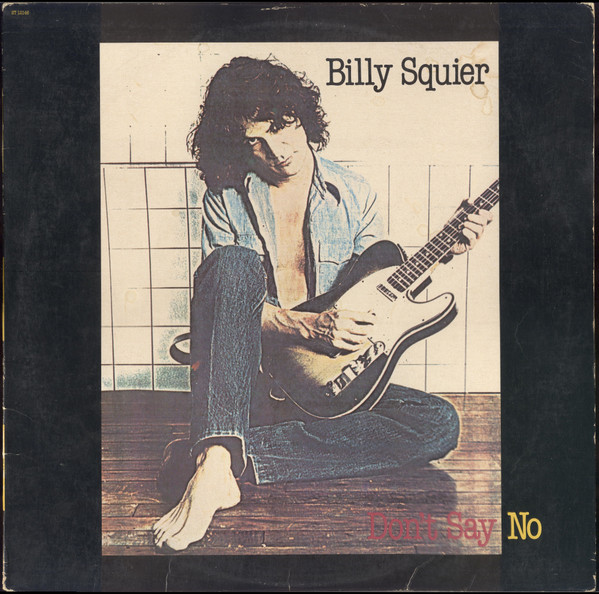
Don't Say No
1981
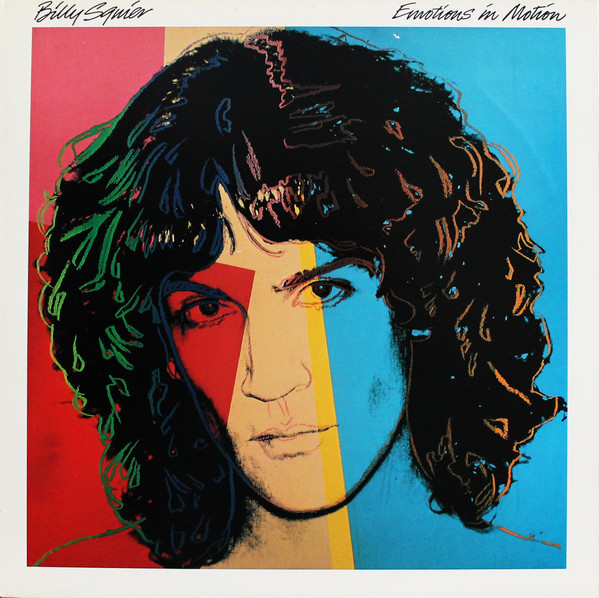
Emotions In Motion
1982
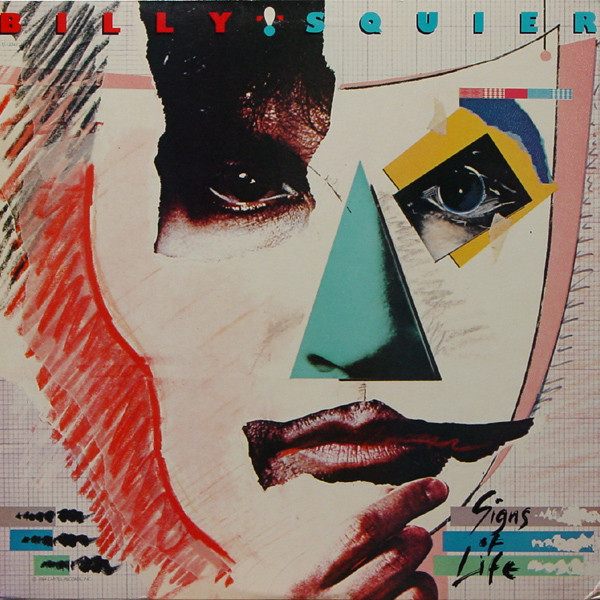
Signs Of Life
1984

The Stroke
1981

The Tale Of The Tape
1980

Hear & Now
1989

16 Strokes: The Best Of Billy Squier
1995

Enough Is Enough
1986

Tell The Truth
1993
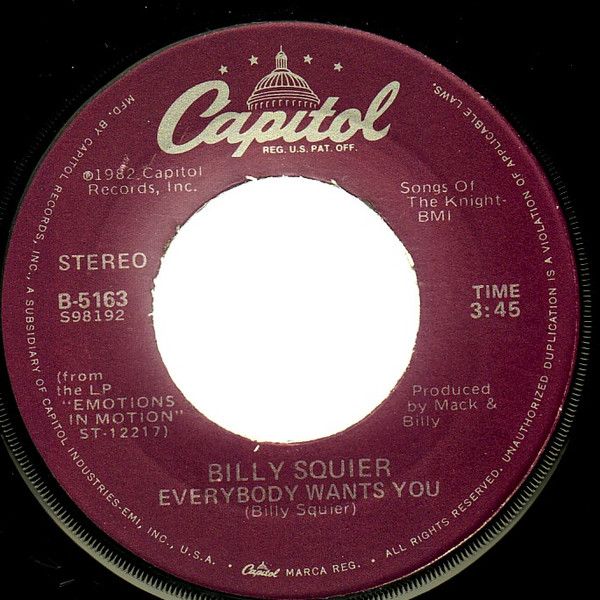
Everybody Wants You
1982

The Best Of
1997

Emotions In Motion
1982

Icon
2013
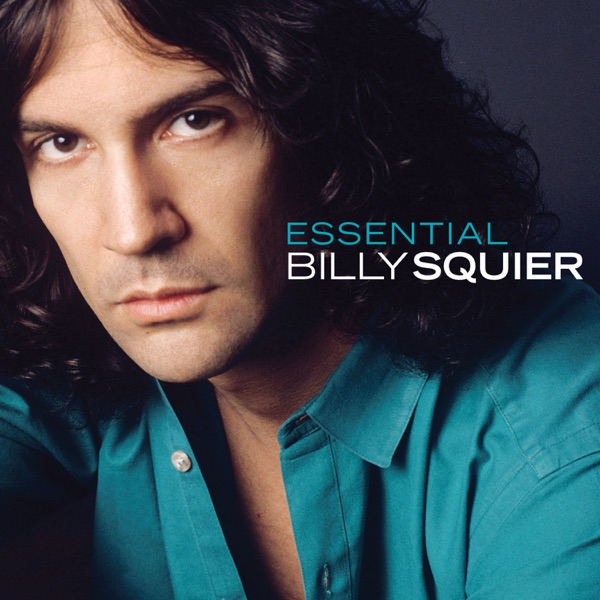
Essential Billy Squier
2011

Emotions In Motion / Signs Of Life
2008

Absolute Hits
2005

Tale Of The Tape / Don't Say No
2004

Extended Versions: The Encore Collection
2002

Happy Blue
1998

Reach For The Sky: The Anthology
1996

King Biscuit Flower Hour Presents
1996

Creatures Of Habit
1991
Ringo Starr & His All Starr Band
A project Billy Squier was part of.

Live At The Greek Theater 2019
2022

Live At The Greek Theatre 2008
2010
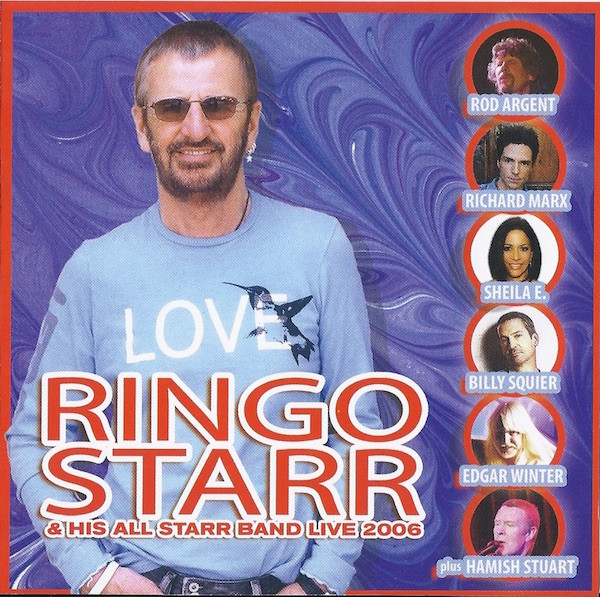
Ringo Starr And His All Starr Band Live 2006
2008

Ringo Starr And His All-Starr Band Tour 2003
2004

The Best Of Ringo Starr And His All Starr Band So Far...
2001
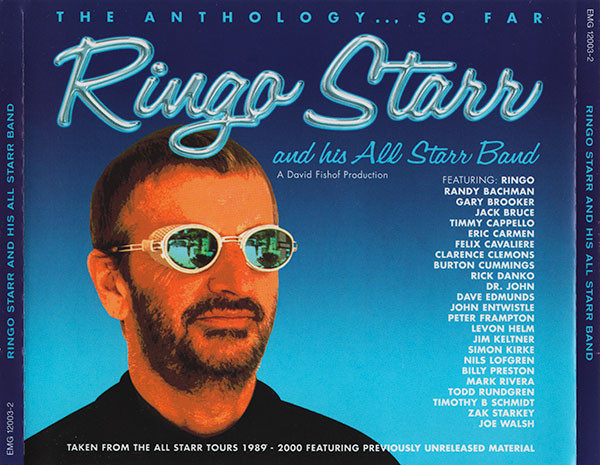
The Anthology... So Far
2000

Ringo Starr And His All Starr Band Volume 2: Live From Montreux
1993

Ringo Starr And His All-Starr Band...
1990
Related artists
Frequent collaborators
Around the web
Follow every record they touch.
Start your shelf and Gatefold tracks Billy Squier's new pressings, tour dates, and the whole discography — automatically.
Start your shelf →Free forever. Works with 10 records or 10,000.