
Artist
Bill Fay
English singer, pianist and songwriter
London, United Kingdom · 1943 – 2025
Bill Fay is a musician from London, United Kingdom, active 1943–2025. Their discography on Gatefold includes 6 records. They also recorded with Bill Fay Group.

7
Albums tracked
19
In collections
1943
Since
Biography
Deram threw some session guys at him and expected a pop record, but Bill Fay walked in with a heavy-as-lead piano style and lyrics that sounded like a man reading the Book of Revelation in a North London basement. That self-titled debut in ’70 is buried in strings and woodwinds, a lush soundscape that nearly suffocates the actual songs. It’s the sound of a label trying to manufacture the next Nick Drake or Elton John and missing the mark entirely because they didn't realize Fay wasn't a pop star—he was a mystic. By '71, the velvet was gone. He walked into the studio with guitarist Ray Russell and cut Time of the Last Persecution in a single day. The music is jagged, the piano is frantic, and Fay sounds like he’s watching the world end in real-time. Then the industry just deleted him. He spent decades working in canning factories and gardening, recording demos into a tape deck while everyone else forgot he existed. No comeback tours, no vanity projects, just thirty years of silence and a stack of home tapes that eventually forced the world to pay attention again.
Bio from The Clerk
The Arc of Bill Fay
The pivots — what forced Bill Fay to reinvent.
The Deram Disconnect
Fay signed to Decca's prog-pop imprint Deram, where producer Peter J. Moore tried to polish his raw, hymnal songwriting with elaborate orchestral arrangements. On the 1970 debut, you can hear the tension between Fay’s sparse piano foundations and the dense woodwind sections that often threaten to drown out his fragile vocals. It is a beautiful mess of an album that failed to sell, primarily because the label marketed him as a standard folk-rocker instead of the apocalyptic outlier he actually was.
The Ray Russell Collision
For the 1971 follow-up, Fay ditched the orchestras and teamed up with jazz-fusion guitarist Ray Russell, resulting in the harrowing Time of the Last Persecution. The sessions were fast and fueled by a sense of impending doom, stripping away the baroque pop elements for a raw, electric-guitar-led sound. Russell’s sharp, improvisational stabs provide the perfect jagged edge to Fay’s increasingly grim, biblical lyrics, marking the peak of his early creative output before the label dropped him into total obscurity.
The Joshua Henry Resurrection
After decades of silence, producer Joshua Henry tracked Fay down and convinced him to enter a professional studio again for the 2012 sessions that became Life Is People. Recorded at Unit 2 in London, the album features a full band including Matt Deighton and even a guest spot from Jeff Tweedy, signaling a warmer, more communal return to music. The record salvaged Fay from the 'lost artist' bin, trading the apocalyptic dread of his youth for a weathered, compassionate perspective that finally found its audience.
Influences
- Bob Dylan — Fay has cited the 1965-1966 Dylan era as the primary reason he started writing songs beyond just playing piano. You hear it in the surreal, sprawling imagery of his early lyrics and the way he prioritizes the emotional delivery over technical vocal perfection.
- The Rolling Stones — Bill Fay explicitly mentioned that the urgency of the Stones' early singles moved him to find his own rhythmic drive. On tracks like 'Tell It Like It Is,' there is a subtle R&B shuffle buried under his English reserve that comes straight from that mid-60s London scene.
- The Beatles — Fay grew up in the shadow of Abbey Road and has pointed to their melodic complexity as the gold standard for his early piano compositions. The baroque pop flourishes on his 1970 debut are a direct, if somewhat forced, attempt to capture that late-60s George Martin production aesthetic.
- Johann Sebastian Bach — Fay’s foundational piano style is rooted in the hymnal structures and contrapuntal movements of classical church music. The way he anchors his songs with heavy, repetitive left-hand patterns mirrors the liturgical music he studied and respected throughout his life.
- John Coltrane — Fay frequently cited Coltrane's spiritual jazz period as a major influence on the intensity of his 1971 sessions. The free-form, searching energy on Time of the Last Persecution was an attempt to capture the raw, questing spirit of records like A Love Supreme.
Bill Fay — solo
Their records — most-collected first.


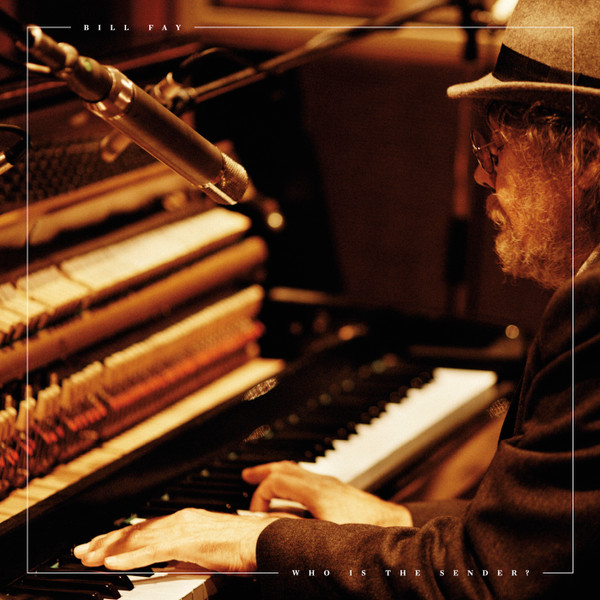
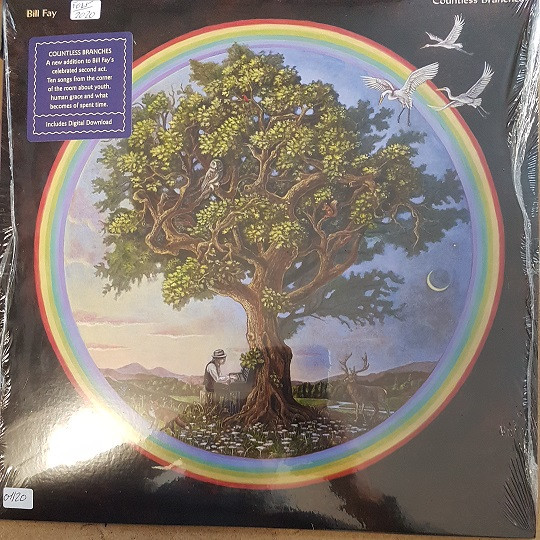

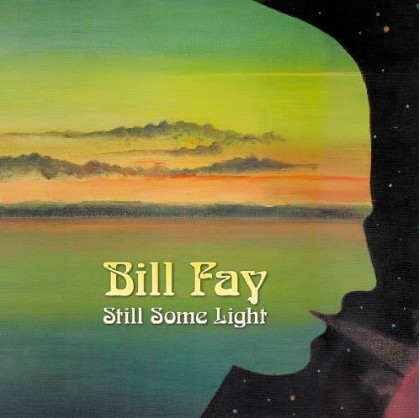
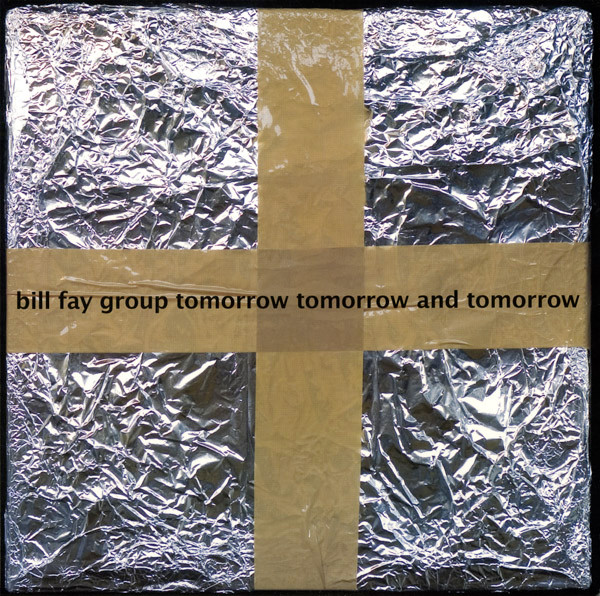
Bill Fay Group
A project Bill Fay was part of.
Around the web
Follow every record they touch.
Start your shelf and Gatefold tracks Bill Fay's new pressings, tour dates, and the whole discography — automatically.
Start your shelf →Free forever. Works with 10 records or 10,000.