
Artist
Big Black
US jazz percussionist & bandleader
Savannah, United States · b. 1934
Big Black is a musician from Savannah, United States, active since 1934. Their discography on Gatefold includes 15 records. They also recorded with Build an Ark.
18
Albums tracked
108
In collections
1934
Since
Biography
Big Black didn't start with a drummer because Steve Albini didn't trust anyone to hit hard enough or stay in time. He bought a Roland TR-606 Drumatix, named it 'Roland,' and programmed it to sound like a pneumatic drill hitting a sheet of galvanized steel. That machine was the only member of the band that didn't get into an argument, even when Albini was busy insulting every label head and journalist in Chicago. This wasn't just punk; it was a mechanical assault meant to strip the varnish off the recording industry. By the time Santiago Durango and Jeff Pezzati joined up, the band was a weaponized unit. They used picks made of notched metal that chewed through guitar strings in a single set, creating a high-end screech that felt like a migraine in a basement club. They weren't looking for fans. They were looking to document the absolute worst parts of the human condition over the top of a stiff, unforgiving industrial pulse that never swung and never apologized.
Bio from The Clerk
The Arc of Big Black
The pivots — what forced Big Black to reinvent.
The Roland Dictatorship
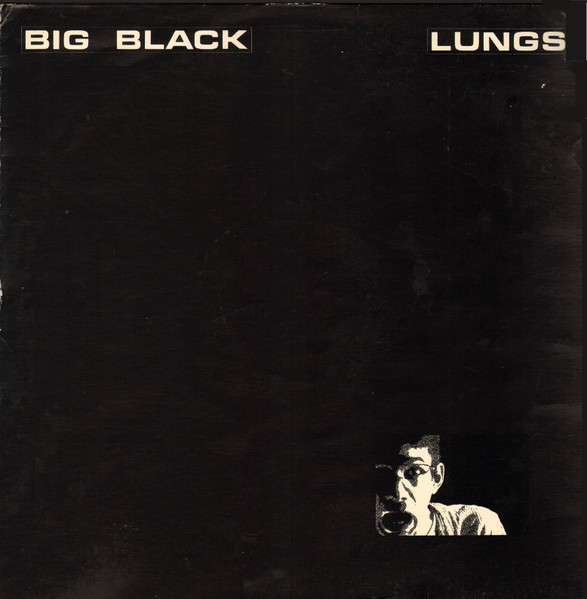
Albini recorded the Lungs EP on a four-track in his bedroom, handling almost every noise himself because he wanted total control over the aggression. He used the TR-606 to create a foundation that was completely devoid of human groove, forcing the guitars to jaggedly sync with a machine. You hear it in the thin, tinny sprawl of the early tracks where the lack of a bass player makes the industrial clatter feel even more cavernous and hostile.
The Three-Man Infantry
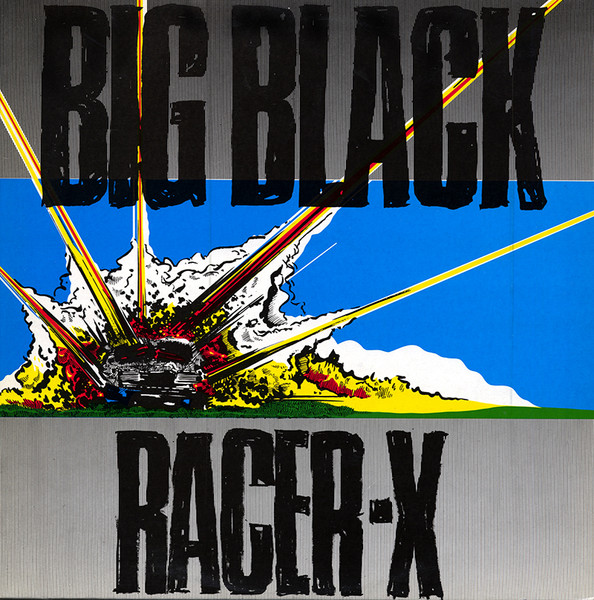
Bringing in Durango and Pezzati from Naked Raygun turned the solo project into a physical threat. They added a second guitar and a real bass guitar to compete with Roland, creating the dense, claustrophobic wall of noise heard on Racer-X. The dynamic shifted from bedroom experimentation to a disciplined, high-volume attack that defined the mid-80s Chicago sound before they eventually swapped Pezzati for Dave Riley.
The Planned Suicide
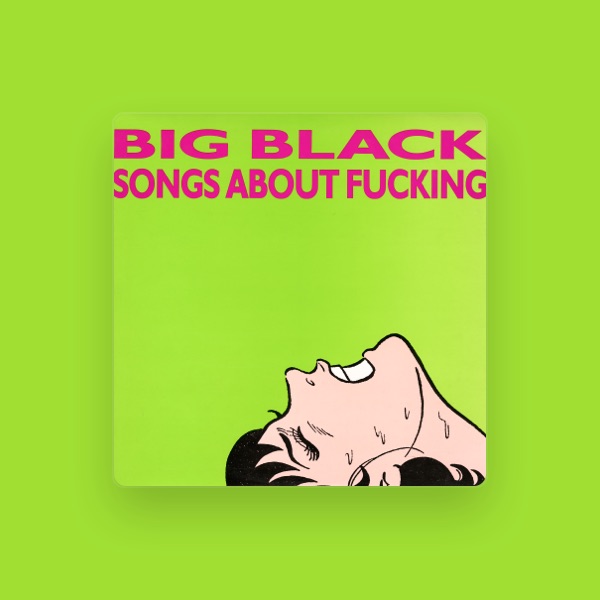
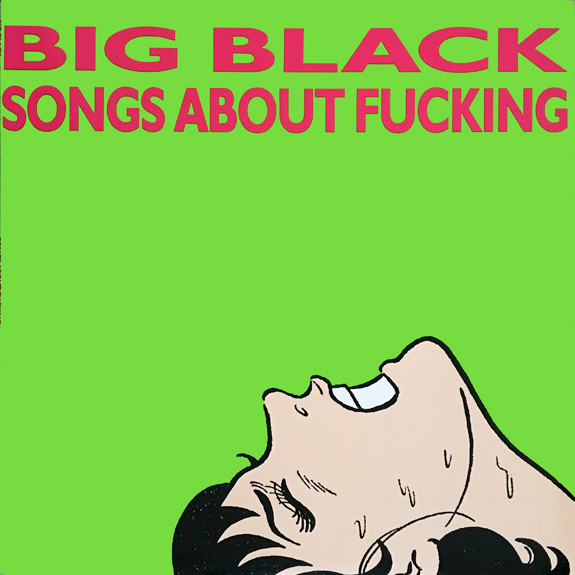
The band decided to break up before they even recorded Songs About Fucking because they realized they had reached the limit of what their sound could do. They went into the studio with the explicit goal of documenting their own demise, resulting in a record that sounds more finished and professional than anything they’d done, yet feels twice as nasty. The decision to quit at their peak ensured they never had a mid-career slump or a pathetic reunion tour.
Influences
- Suicide — Albini has repeatedly cited their 1977 debut as the blueprint for using a drum machine to create genuine terror. You hear it in the way Roland is programmed to be an unrelenting, non-human pulse rather than a substitute for a drummer. It’s the same cold, minimalist dread Alan Vega and Martin Rev mastered.
- Gang of Four — The jagged, scratchy guitar work of Andy Gill is the direct ancestor of the Big Black 'clink' sound. Albini took that brittle, treble-heavy funk and stripped out the funk entirely, leaving only the percussive attack. The sharp, rhythmic scratching on records like Entertainment! is all over the Big Black catalog.
- Wire — The band covered 'Heartbeat' on the Richie Sacchi 7-inch and regularly praised the clinical, unsentimental approach of 154. You hear it in the way Big Black treats songs like engineering problems to be solved with precision rather than emotional outbursts. It’s art-punk without the pretense.
- The Stooges — Albini famously wrote that Fun House was the only record that mattered in the history of rock and roll. That raw, confrontational energy is the fuel for Big Black's live shows and their refusal to play the industry game. The sheer volume and the 'fuck you' stance come straight from Ron Asheton’s distorted wah-wah pedal.
- Public Image Ltd — The heavy, dub-influenced bass lines of Jah Wobble on Metal Box informed how Dave Riley eventually locked in with the drum machine. Big Black took that deep, repetitive low-end and used it as a tether to keep the guitars from floating off into pure static. It’s the sound of a rhythm section acting as an anchor in a storm.
Big Black — solo
Their records — most-collected first.






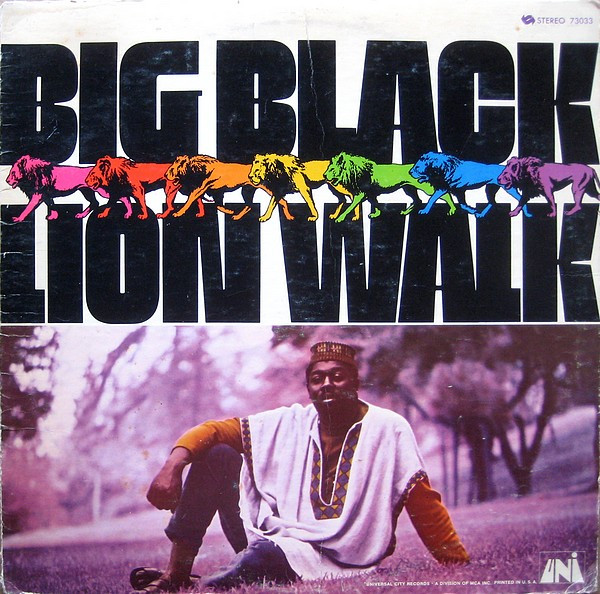

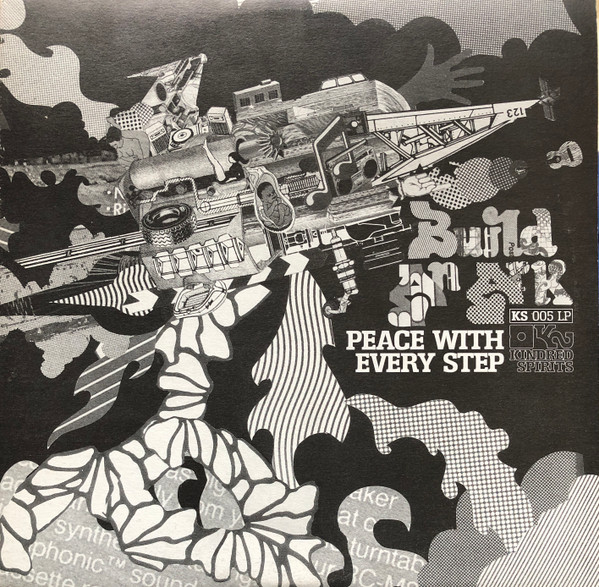
Build an Ark
A project Big Black was part of.


Around the web
Follow every record they touch.
Start your shelf and Gatefold tracks Big Black's new pressings, tour dates, and the whole discography — automatically.
Start your shelf →Free forever. Works with 10 records or 10,000.