
Artist
Betty Davis
funk/soul singer
Durham, United States · 1944 – 2022
Betty Davis is a musician from Durham, United States, active 1944–2022. Their discography on Gatefold includes 7 records.

7
Albums tracked
96
In collections
1944
Since
Biography
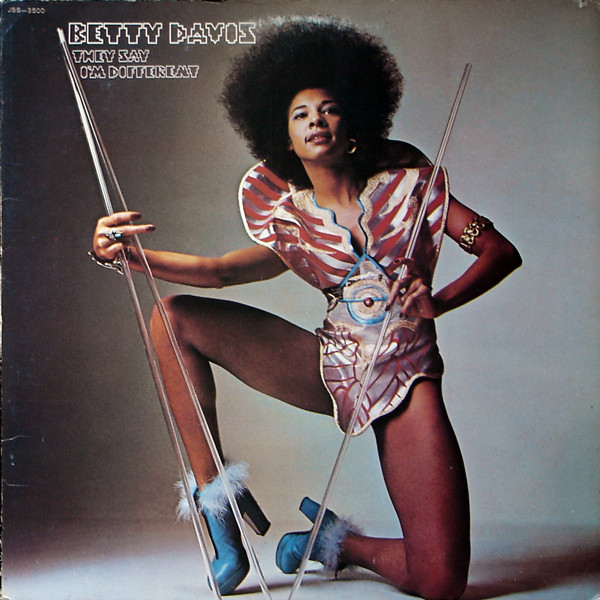
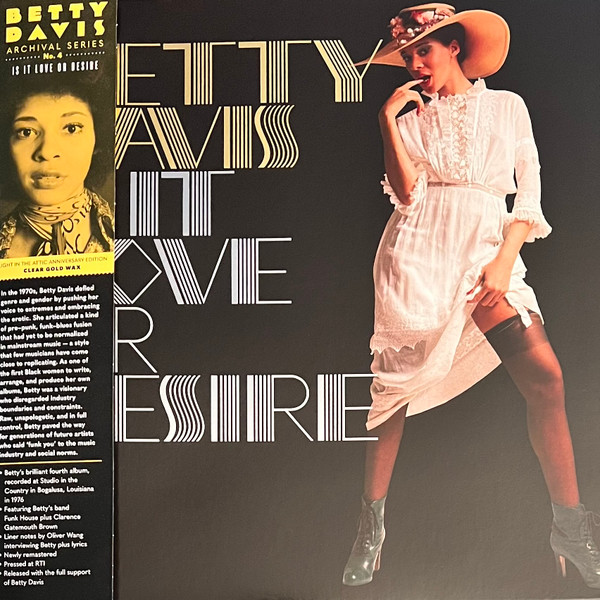
Betty Davis was the only person in the room who didn't give a damn about Miles Davis's ego. She walked into the studio with a lineup of Bay Area heavies like Neal Schon and Larry Graham before they were household names, and she dictated the filthiest, heaviest funk ever cut to tape. She took the jazz world by the throat, put Miles into Hendrix and Sly Stone, and then got treated like a pariah by the industry because she was too aggressive, too sexual, and too loud for the disco crowd. Her records are masterclasses in vocal distortion and raw grit. She wasn't just a singer; she was a scout who handpicked the musicians who would define the next decade of fusion and funk. The labels didn't know how to market a woman who roared over distorted bass lines instead of crooning over strings. By the time her fourth album, Is It Love or Desire, was shelved in '76, the industry had successfully buried the most dangerous voice in the business. It took decades for the reissues to prove everyone else was just lagging behind.
Bio from The Clerk
The Arc of Betty Davis
The pivots — what forced Betty Davis to reinvent.
The Catalyst of Bitches Brew
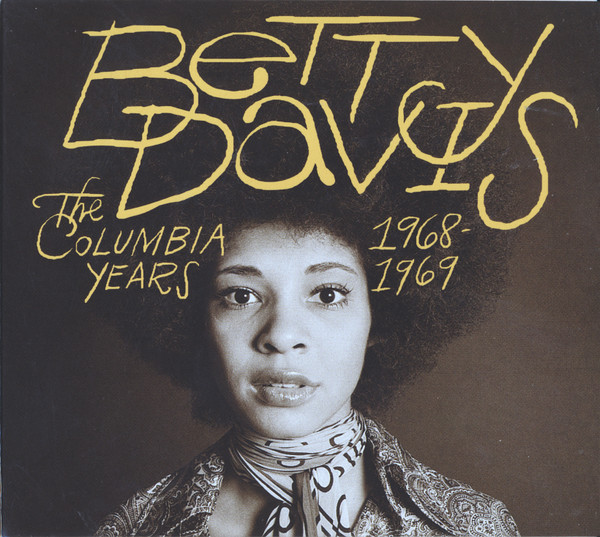
Before she ever tracked a solo note, Betty changed the trajectory of jazz by dragging Miles Davis to see Jimi Hendrix and introducing him to the psychedelic attire he'd wear for the rest of his life. She’s the face on the cover of Filles de Kilimanjaro and the namesake of Mademoiselle Mabry, but her real contribution was shattering the buttoned-down aesthetic of the jazz elite. This shift wasn't about vibes; it was about her forcing a world-class trumpeter to acknowledge the power of high-volume rock and roll and the funk coming out of the San Francisco scene. You can hear her influence in every distorted wah-wah pedal Miles touched after 1968.
The 1973 Self-Titled Sessions
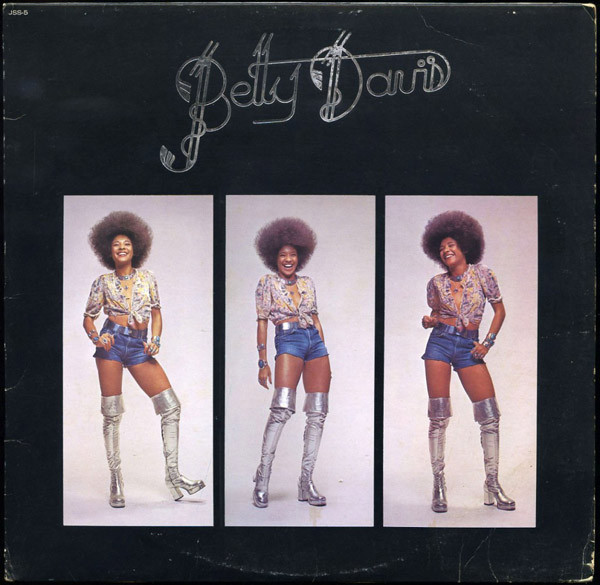
When she finally stepped into the booth for her debut, she brought a lineup that would make any gearhead sweat. She had Gregg Errico from Sly and the Family Stone producing and members of Santana and the Pointer Sisters backing her up. This wasn't the polite soul of the early seventies; it was a screeching, heavy-duty funk that leaned into the red on every track. The record failed to chart because radio programmers were terrified of a woman demanding 'Anti Love Song' over a bass line that could rattle teeth. It remains the rawest blueprint for every punk-funk movement that followed.
The Nasty Gal Burnout
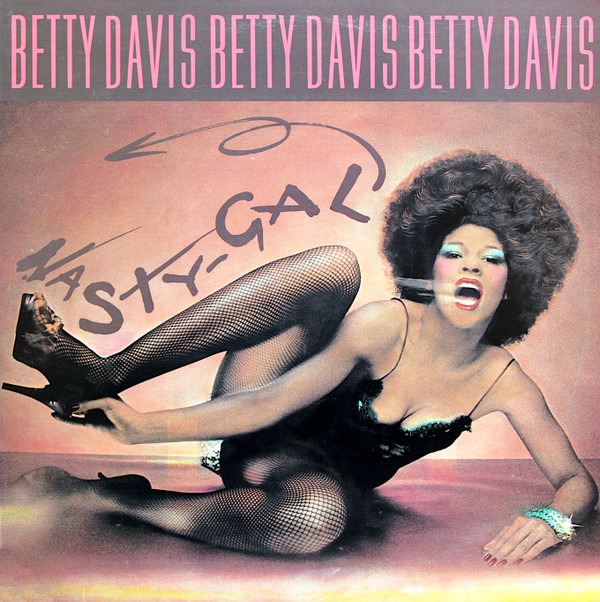
By 1975, the pressure from Island Records to produce a hit led to Nasty Gal, an album that saw Betty taking even more control but meeting even more resistance. The title track was a defiant middle finger to the critics who called her vulgar, but the commercial failure broke her momentum. The sessions were tense, the tour dates were sparse, and the industry’s refusal to support a black woman who owned her own publishing and image led to her eventual retreat from the spotlight. She walked away from a potential deal with Motown and disappeared into a decades-long silence, leaving behind a brief, explosive discography that was never compromised for a chart position.
Influences
- Jimi Hendrix — Betty was part of Hendrix's inner circle and even considered him for a collaborative project before his death. You hear the Hendrix influence in the blown-out, psychedelic guitar tones she demanded from her session players. It’s the sound of a rock god channeled through a funk band.
- Sly Stone — They were close friends and Betty used Sly's rhythm section, specifically drummer Gregg Errico, to anchor her debut. The heavy, syncopated pocket of 'Thank You (Falettinme Be Mice Elf Agin)' is the rhythmic DNA of every track Betty ever recorded. It’s that deep Bay Area thump.
- James Brown — Betty explicitly cited Brown's discipline and his 'on the one' rhythmic philosophy as her structural foundation. You hear it in her vocal ad-libs and the sharp, staccato grunts she uses to punctuate the groove. She took the Godfather's grit and made it even more feral.
- The Marvelettes — In her early years as a songwriter, Betty wrote for the Motown machine, including the track 'Cellarful of Diamonds' for the Marvelettes. This gave her a front-row seat to the industry's polish before she decided to set the whole thing on fire. It's the pop sensibility she rejected in favor of the raw funk.
- Tina Turner — Betty admired the sheer physical power and gravel of Tina's early work with Ike. You can hear that same high-octane, sweat-soaked delivery in Betty's live recordings and her refusal to sing 'pretty' when a growl worked better. She took Tina's energy and moved it into a space that was even more uncompromising.
Discography
Their records — most-collected first.

Related artists
Frequent collaborators
Around the web
Follow every record they touch.
Start your shelf and Gatefold tracks Betty Davis's new pressings, tour dates, and the whole discography — automatically.
Start your shelf →Free forever. Works with 10 records or 10,000.