
Artist
Bad Religion
San Fernando Valley, United States · Formed 1980
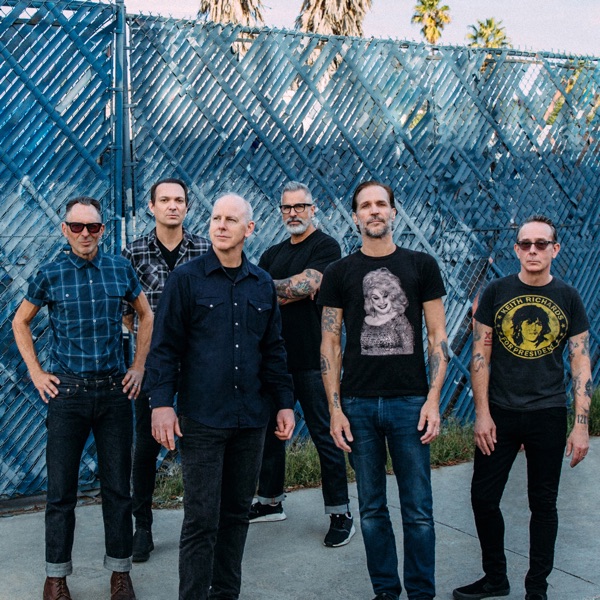
Bad Religion is a music group from San Fernando Valley, United States, active since 1980. Their discography on Gatefold includes 24 records.
34
Albums tracked
404
In collections
1980
Since
Biography
Brett Gurewitz had to borrow two thousand bucks from his dad just to get the first EP pressed on their own label, Epitaph, because nobody else in L.A. would touch a bunch of teenagers obsessed with evolutionary biology and feedback. They spent the early eighties practically inventing the blueprint for melodic hardcore—all three-part harmonies and breakneck snare rolls—before nearly killing the whole thing with a synth-heavy prog record that made every punk in SoCal want to throw bricks at them. It took a brief breakup and some humble pie to realize they were better off being the smartest, fastest band in the room. By the time the nineties rolled around, they were the elder statesmen of a scene they helped build, eventually jumping to Atlantic when the Green Day gold rush hit. The major label years are a mixed bag where the production got a little too slick and the songwriting felt like it was on autopilot. But once Gurewitz came back into the fold in the early 2000s, they stopped trying to chase the radio and went back to being a high-speed think tank. They’re one of the few bands from that 1980 class that didn't turn into a total nostalgia act, mostly because Greg Graffin’s lyrics still read like a doctoral thesis set to a circle pit.
Bio from The Clerk
The Arc of Bad Religion
The pivots — what forced Bad Religion to reinvent.
The Prog Rock Suicide
After establishing themselves as hardcore royalty with How Could Hell Be Any Worse?, the band walked into the studio with a Roland Juno-6 and a bunch of prog-rock ambitions to record Into the Unknown. The result was a career-stalling disaster that saw them swapping power chords for spacey synthesizers and mid-tempo acoustic tracks. It alienated their entire fanbase so thoroughly that the band essentially dissolved, leaving a mountain of unsold LPs that stayed in the Epitaph warehouse for years as a reminder of the cost of overreaching.
The Suffer Rebirth
With Brett Gurewitz back on guitar and a fresh focus, the band decamped to Westbeach Recorders in 1988 to record the thirty-minute burst of adrenaline known as Suffer. They stripped away the indulgent bullshit and perfected the 'oozin' aahs' vocal harmonies over relentless, precise percussion. This record didn't just save the band; it provided the mechanical DNA for the entire nineties punk explosion by proving you could be melodic without losing your teeth.
The Major Label Schism
The jump to Atlantic Records for Stranger Than Fiction marked the moment Bad Religion became a global commodity, but it cost them their primary songwriter when Gurewitz left to run the surging Epitaph Records full-time. They spent the next several years as a five-piece with Brian Baker, leaning into a polish that felt at odds with their gritty origins. While records like The Gray Race had their moments, the absence of the Gurewitz/Graffin writing partnership meant the hooks grew thinner as the budgets grew larger.
The Epitaph Homecoming
The 2002 return to Epitaph for The Process of Belief functioned as a hard reset, reuniting the core creative duo and bringing in powerhouse drummer Brooks Wackerman. Moving back to an independent setup removed the pressure of chasing a 'Stranger Than Fiction' sized hit and allowed them to lean back into the dense, aggressive arrangements of their youth. You can hear the relief in the tracks—it's the sound of a band that realized they were their own best producers.
Influences
- The Adolescents — The 'Blue Album' provided the blueprint for the L.A. hardcore sound that Bad Religion cut their teeth on. You hear it in the frantic, driving bass lines and the way Greg Hetson—who eventually joined the band—played his guitar like a chainsaw. Holy shit, the energy of those early demos is a direct mirror of the Adolescents' suburban frustration.
- The Germs — Darby Crash was the sun the entire L.A. scene orbited, and Bad Religion's first EP is soaked in that messy, nihilistic energy. Pat Smear’s raw, distorted guitar tone on (GI) is the exact sonic dirt Gurewitz was trying to capture before he got obsessed with high-end production. It’s the foundational chaos underneath all those later harmonies.
- Black Flag — Greg Ginn’s DIY work ethic with SST Records was the literal manual for Brett Gurewitz starting Epitaph. Musically, you hear the influence in the relentless down-strokes and the refusal to write traditional verse-chorus pop songs during the How Could Hell Be Any Worse? sessions. They took the Black Flag aggression and just added a library card.
- The Beatles — Graffin has been vocal about his obsession with the Fab Four’s vocal layering, which is where those massive 'oozin' aahs' harmonies come from. You don't get three-part vocal stacks in a hardcore song without a deep-seated love for Revolver. It’s the secret weapon that made them stand out from the meathead bands of the era.
- Todd Rundgren — During the Into the Unknown era, the band was listening to Rundgren's Utopia and heavy prog, which led to their ill-fated synthesizer pivot. It’s a documented obsession that almost destroyed their reputation in the punk scene. You can hear the attempt at Rundgren-esque production complexity all over those 1983 sessions, for better or worse.
Discography
Their records — most-collected first.
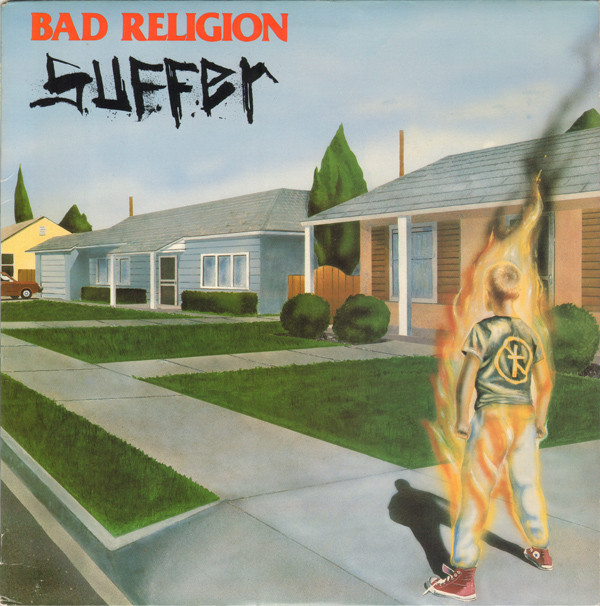
Suffer
1988
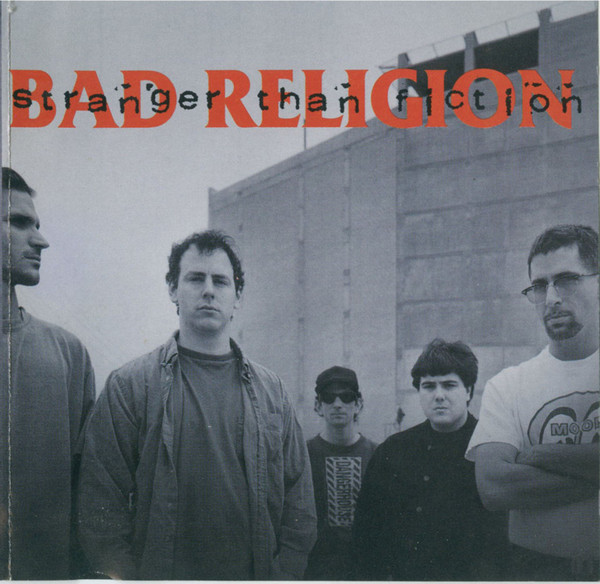
Stranger Than Fiction
1994
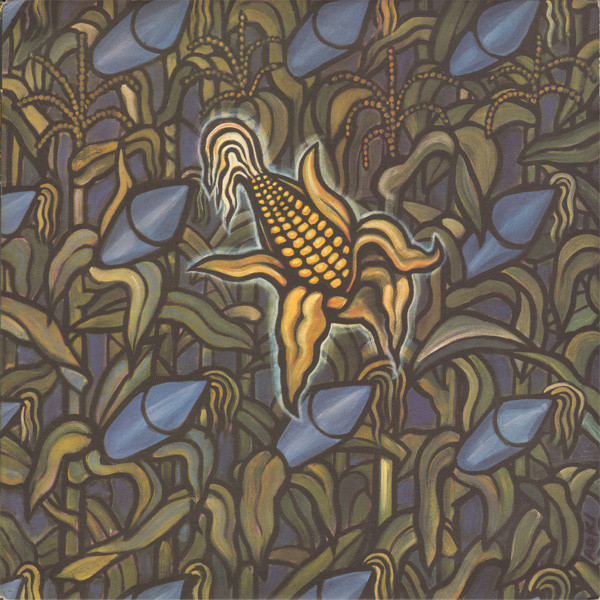
Against The Grain
1990
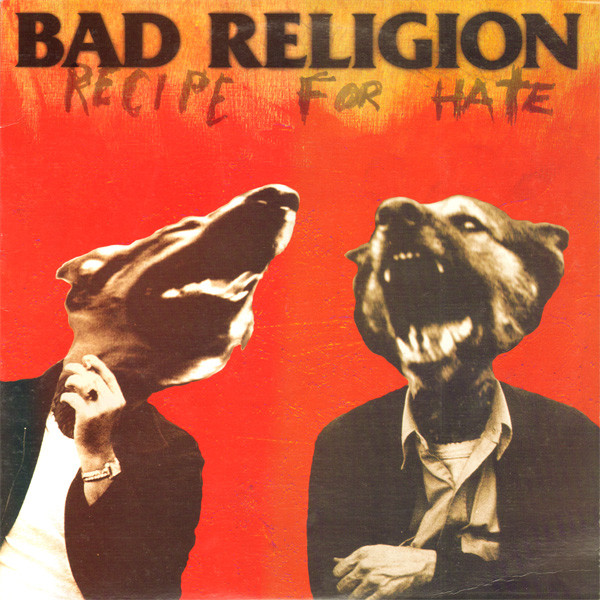
Recipe For Hate
1993
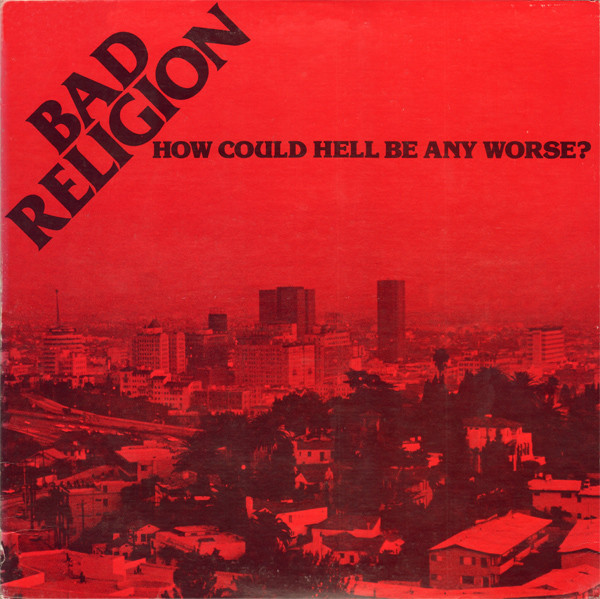
How Could Hell Be Any Worse?
1982

The Process Of Belief
2002
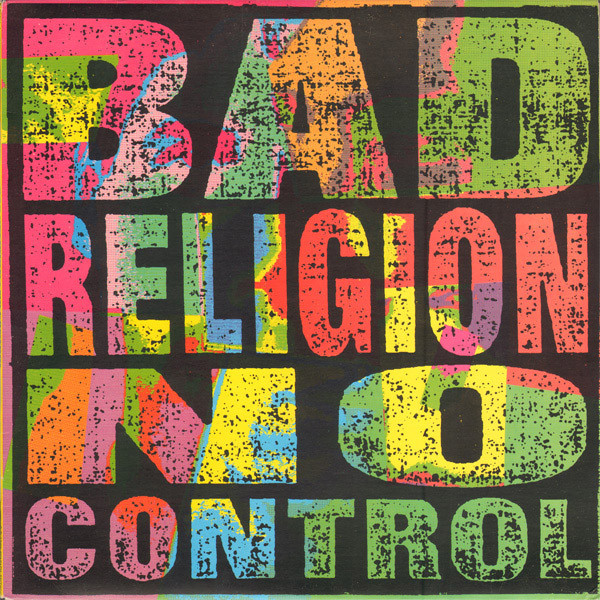
No Control
1989
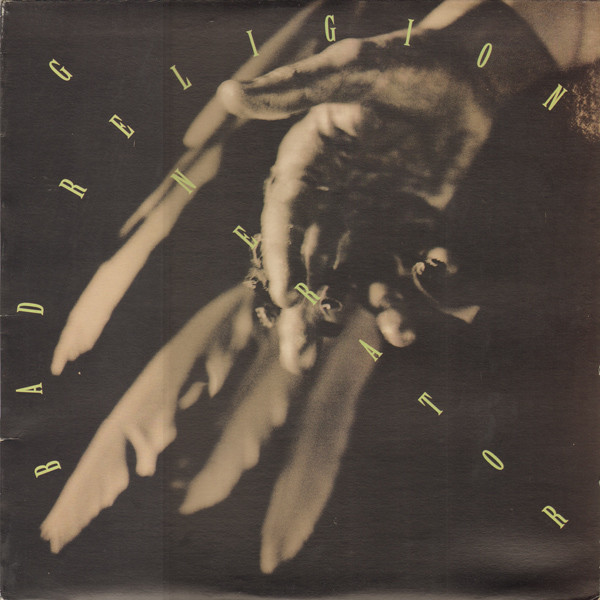
Generator
1992
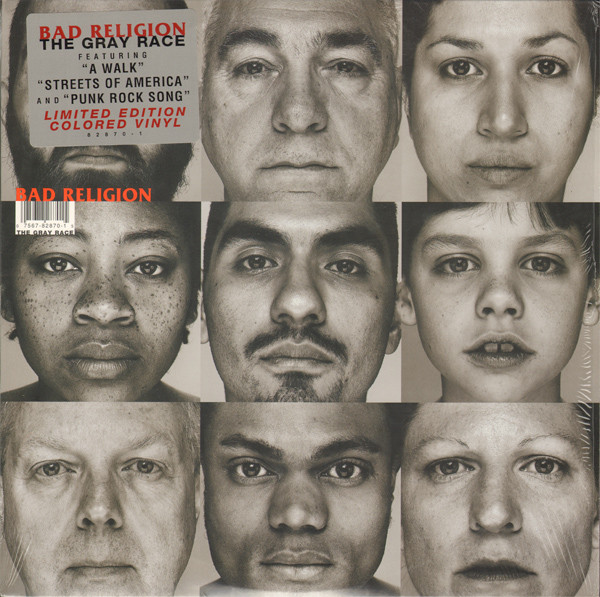
The Gray Race
1996
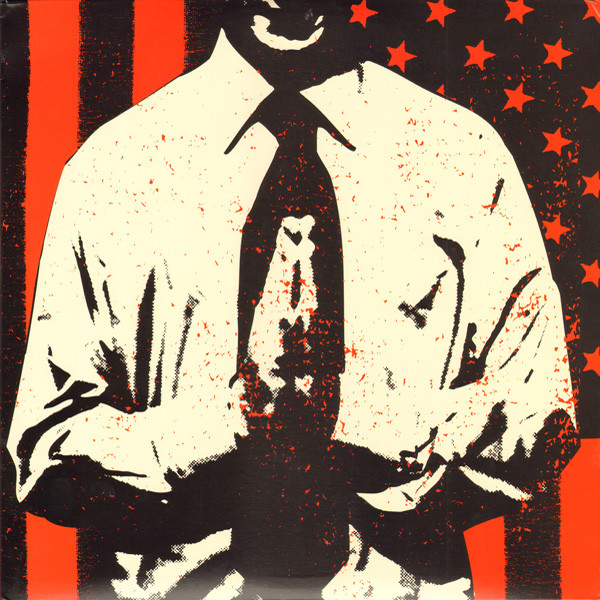
The Empire Strikes First
2004

All Ages
1995

New Maps Of Hell
2007
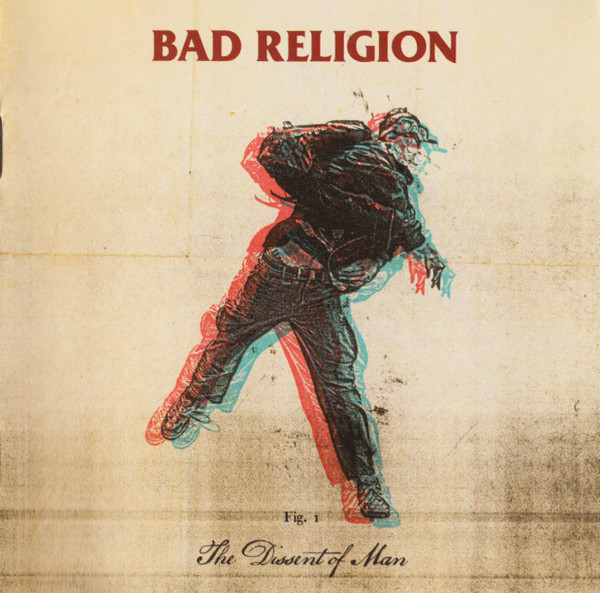
The Dissent Of Man
2010
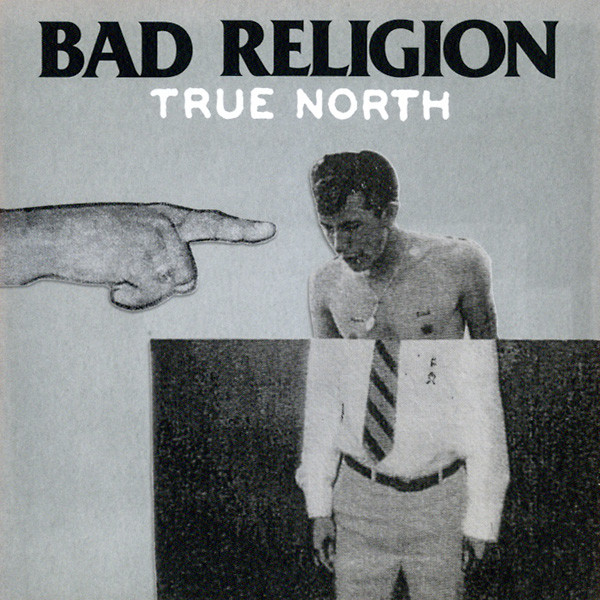
True North
2013

Age Of Unreason
2019

Christmas Songs
2013

The New America
2000
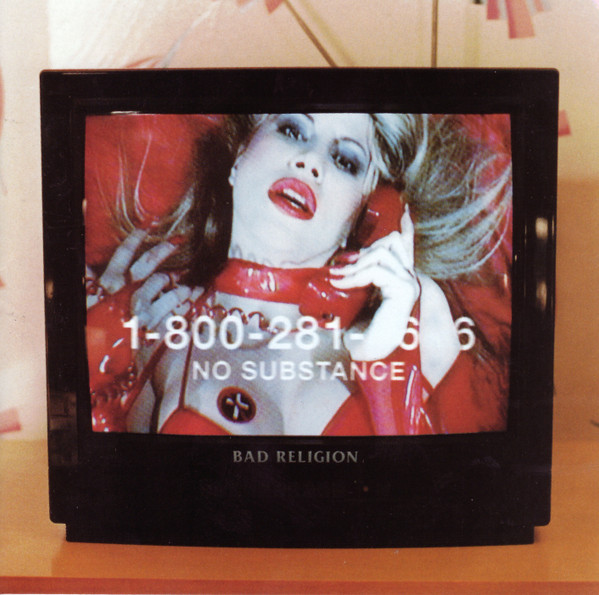
No Substance
1998
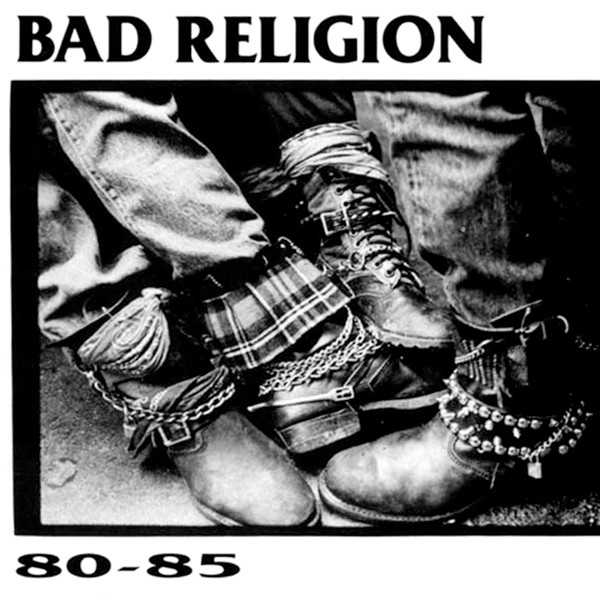
80-85
1991

30 Years Live
2010

Into The Unknown
2026

Atomic Garden
1991
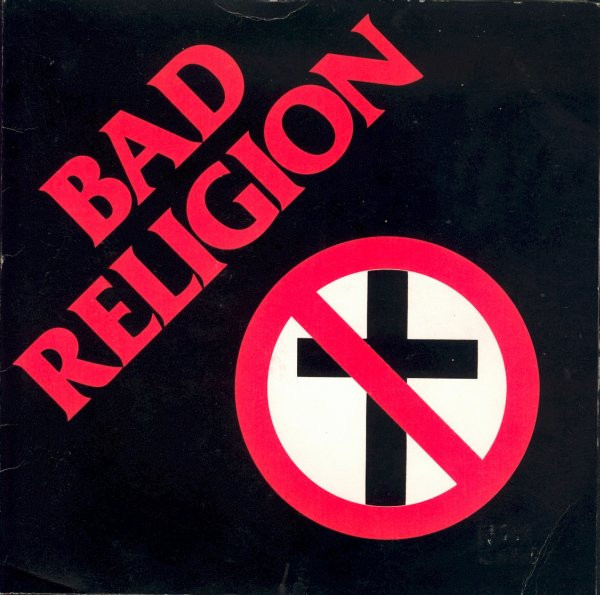
Bad Religion
1981
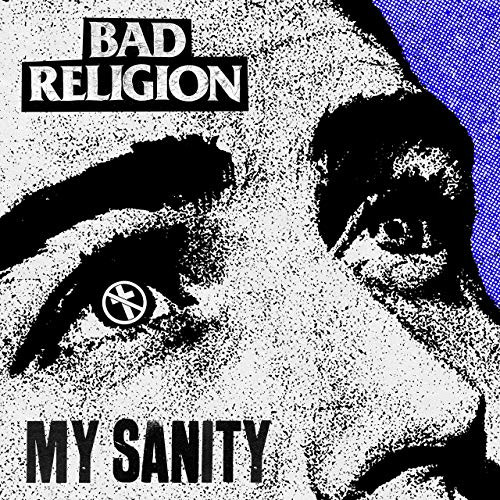
My Sanity
2019
Related artists
Around the web
Follow every record they touch.
Start your shelf and Gatefold tracks Bad Religion's new pressings, tour dates, and the whole discography — automatically.
Start your shelf →Free forever. Works with 10 records or 10,000.