
Artist
Arcade Fire
Montreal, Canada · Formed 2001
Arcade Fire is a music group from Montreal, Canada, active since 2001. Their discography on Gatefold includes 24 records.

24
Albums tracked
574
In collections
2001
Since
Biography
Howard Bilerman didn’t just produce Funeral—he tracked it at his Hotel2Tango studio in Montreal on an analog 24-track machine that forced the band to live in the red. There were too many bodies in the room, too many instruments for the tape to handle, and a legitimate sense of grief following a string of family deaths that made the yelling feel necessary rather than performative. It’s a record that sounds like it’s physically bursting at the seams because the preamp gains were pinned and the band was literally outgrowing the local scene in real-time. They spent the next decade chasing that massive, cathedral-shaking scale before running headfirst into a mid-life crisis involving disco beats and ironic marketing campaigns that missed the mark. The move from the church-recorded intensity of Neon Bible to the polished, dance-floor aspirations of Everything Now felt like watching a serious novelist try to write a jingle. They’ve always been at their best when they stop trying to be clever and start acting like a gang of orchestral punks again.
Bio from The Clerk
The Arc of Arcade Fire
The pivots — what forced Arcade Fire to reinvent.
The Church of Montreal
After the breakout success of Funeral, the band bought a literal 19th-century church in Farnham, Quebec, and converted it into a studio to capture a more cavernous, paranoid sound. Win Butler was obsessed with the pipe organ and Bruce Springsteen’s Nebraska, leading to a record that felt heavy with Cold War anxiety and religious dread. You can hear the physical space of the building on tracks like Intervention, where the pipe organ feels like it's going to swallow the entire rhythm section. It was the moment they traded indie-rock intimacy for a massive, stadium-ready wall of sound.
The James Murphy Shift
To break out of the suburban anthems of The Suburbs, the band flew to Jamaica and eventually hooked up with James Murphy of LCD Soundsystem to lean into Haitian rhythms and dance-punk textures. Murphy brought his signature dry, percussive production style to the Reflektor sessions, stripping away some of the orchestral bloat in favor of congas and synthesizers. The result was a double album that felt like a Bowie-inspired art-rock experiment, bridging the gap between their earnest folk roots and a new, more cynical club aesthetic.
Influences
- David Bowie — Bowie sang backing vocals on the title track of Reflektor and famously championed them early on after seeing them live in 2005. You hear his Berlin-era DNA in their transition from folk-instruments to heavy synthesizers and detached, theatrical vocal deliveries. He was the blueprint for their late-career shapeshifting.
- The Pixies — Win Butler has cited Surfer Rosa as a primary influence on the band's use of extreme dynamic shifts and raw, unpolished vocal takes. The quiet-loud-quiet structure of tracks like Neighborhood #1 (Tunnels) mirrors the manic energy Black Francis perfected in the late 80s. It’s the reason their ballads often end in a screaming mess.
- Bruce Springsteen — The band performed 'Keep the Car Running' with The Boss and covered 'Born in the U.S.A.' during the Neon Bible era. His influence is all over the blue-collar, suburban escapism themes in The Suburbs. They took his heartland earnestness and blew it up to a cinematic, indie-rock scale.
- Talking Heads — They covered 'This Must Be the Place (Naive Melody)' early in their career and later brought Jerry Harrison's rhythmic sensibility into their dancier arrangements. The jittery, polyrhythmic grooves on Reflektor are a direct descendant of Remain in Light. It’s that art-school-meets-the-dance-floor vibe.
- New Order — The band has frequently covered 'Love Vigilantes' and 'Temptation' during live sets to bridge the gap between their acoustic origins and electronic interests. You hear it in the way Timothy Kingsbury’s basslines started driving the songs more than the guitars on the later records. They traded the accordion for the Peter Hook bass lead.
Discography
Their records — most-collected first.
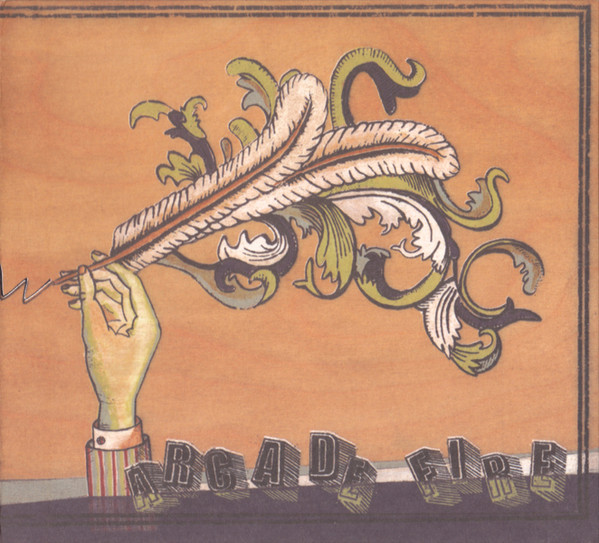
Funeral
2004
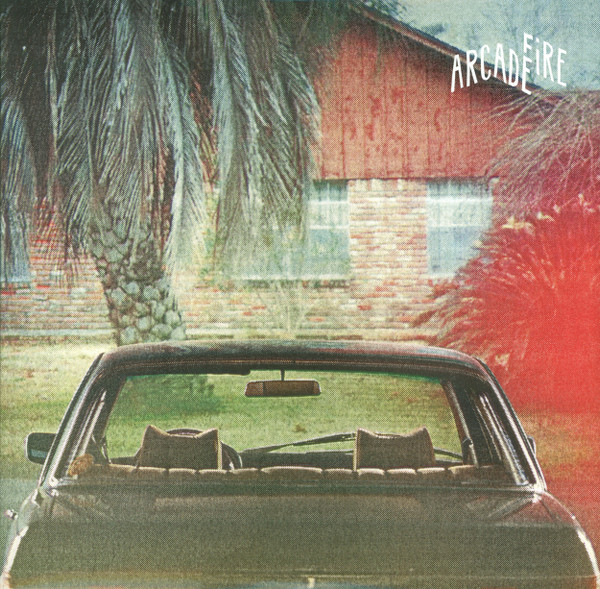
The Suburbs
2010
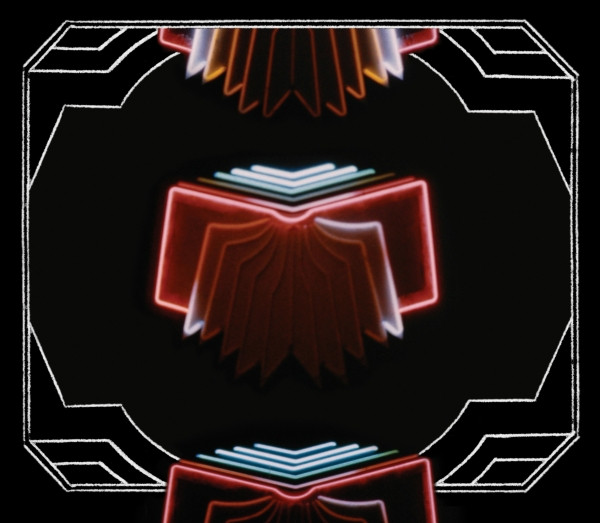
Neon Bible
2007
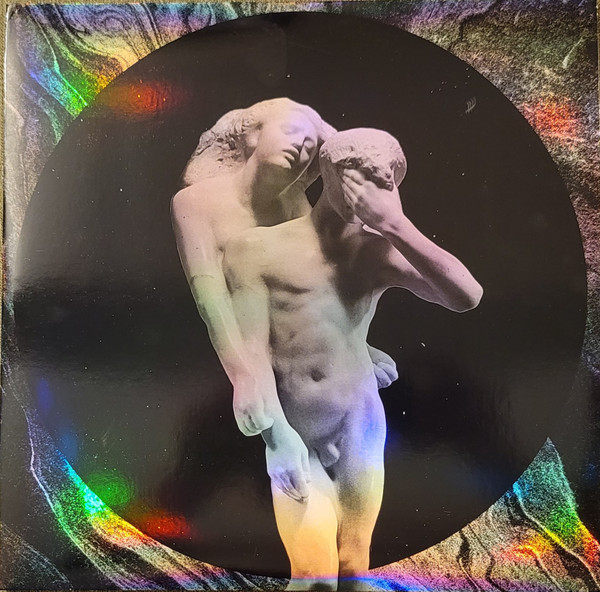
Reflektor
2013

We
2022
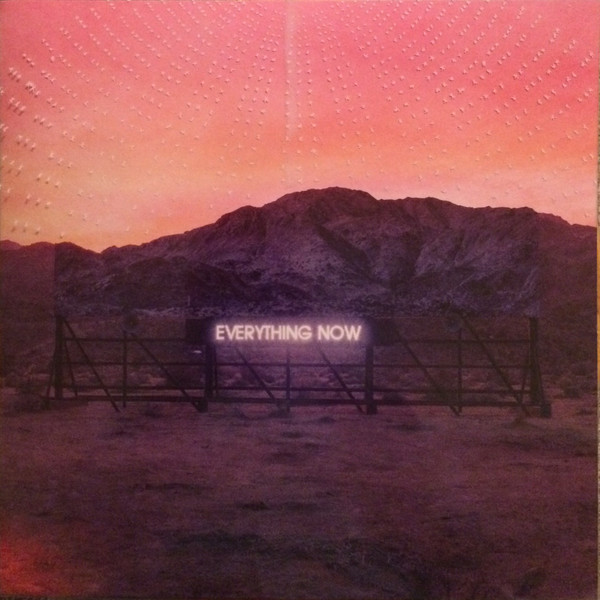
Everything Now
2017
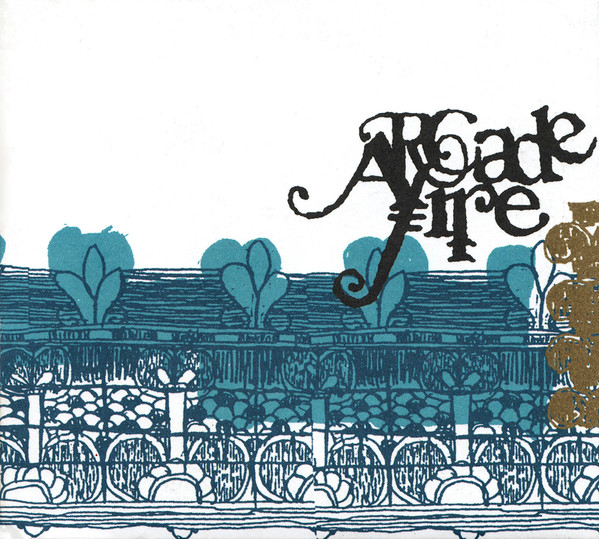
Arcade Fire
2003

Pink Elephant
2025

Her
2013
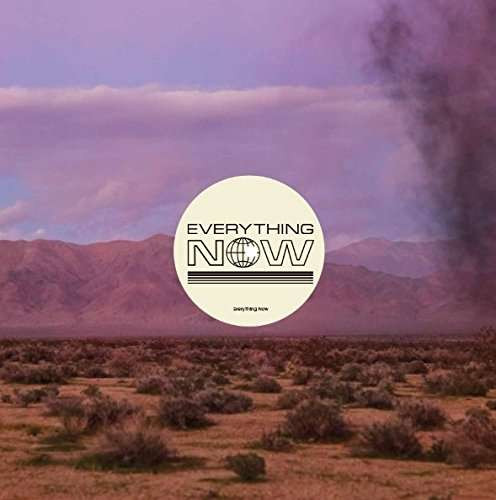
Everything Now
2017
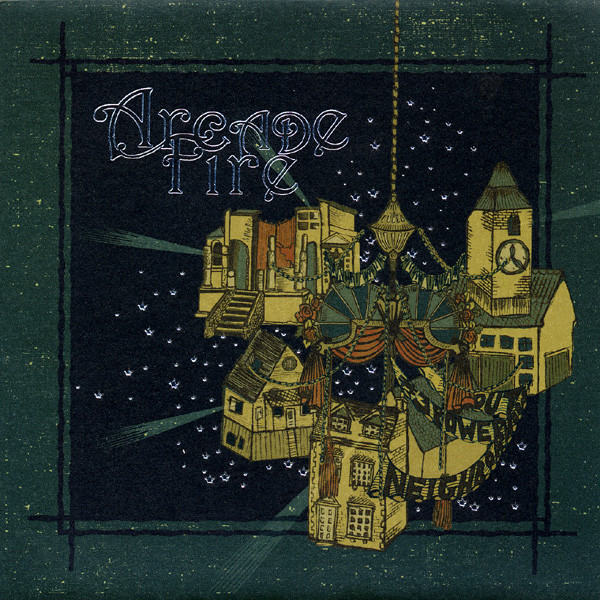
Neighborhood #3 (Power Out)
2005
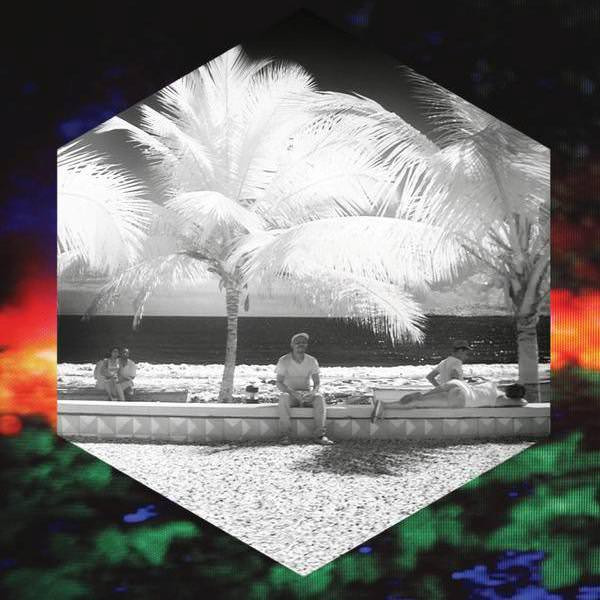
Get Right
2015
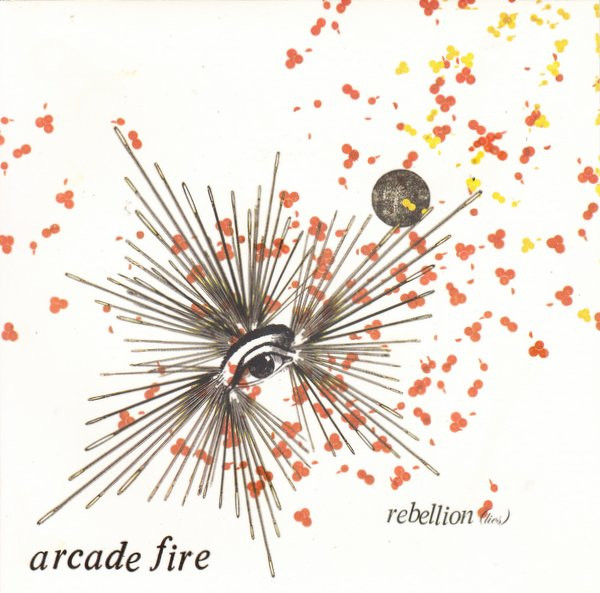
Rebellion (Lies)
2005
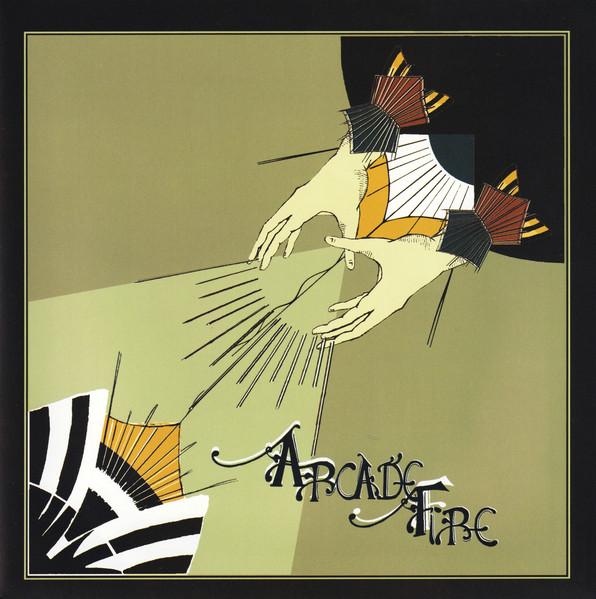
Neighborhood #2 (Laïka)
2004
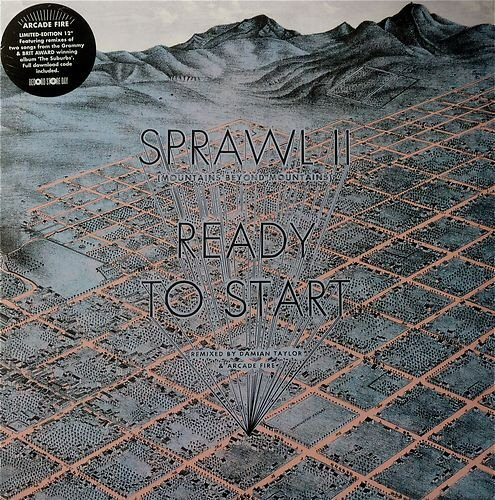
Sprawl II (Mountains Beyond Mountains) / Ready To Start (Remixes)
2012
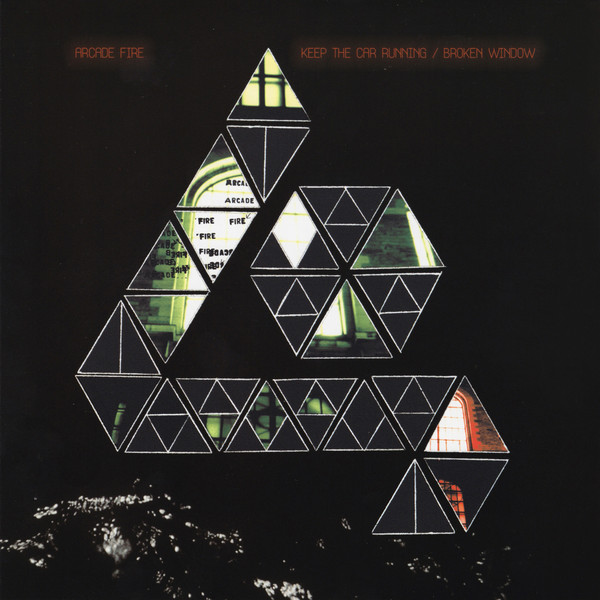
Keep The Car Running / Broken Window
2007
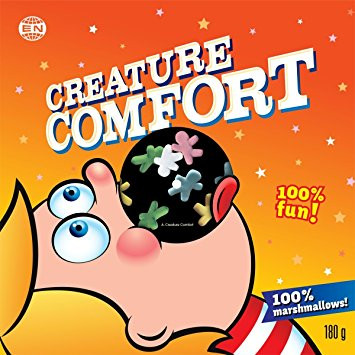
Creature Comfort
2017

Intervention / Ocean Of Noise
2007

No Cars Go - Surf City Eastern Bloc
2007
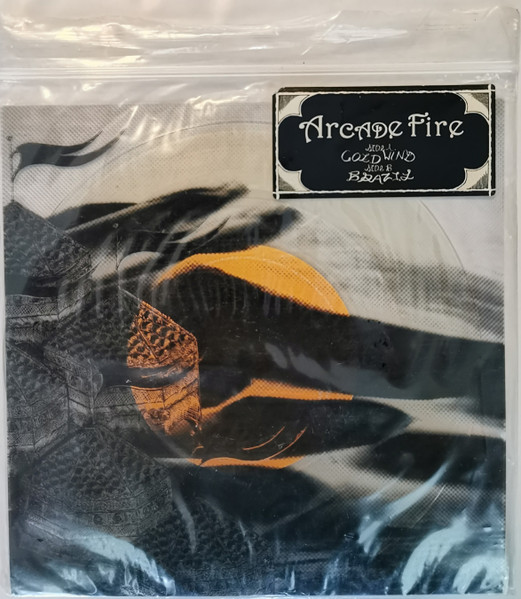
Cold Wind / Brazil
2005
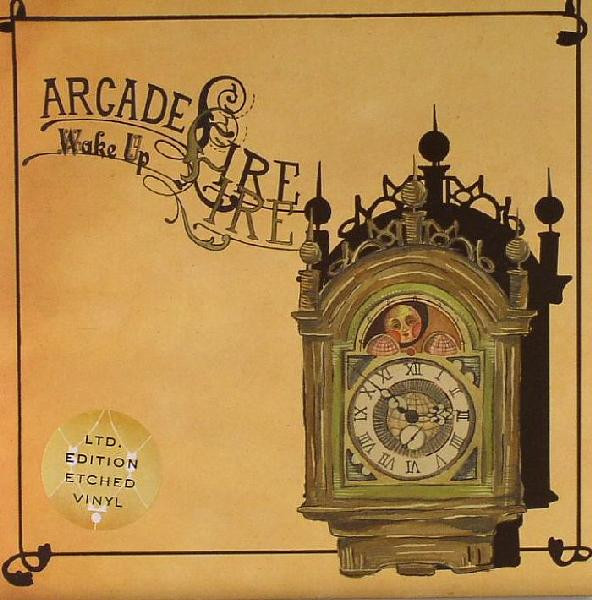
Wake Up
2005
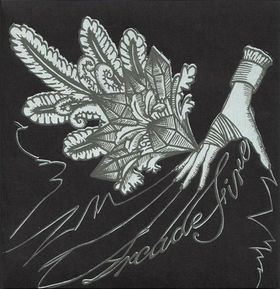
Neighborhood #1 (Tunnels)
2004
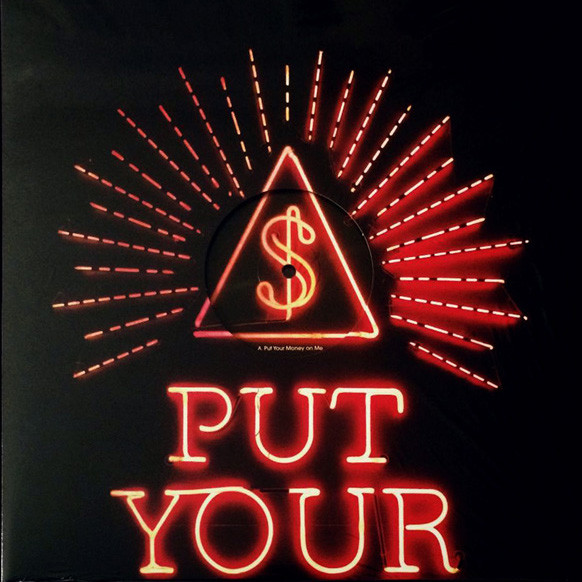
Put Your Money On Me
2018

Baby Mine (From "Dumbo")
2019
Related artists
Around the web
Follow every record they touch.
Start your shelf and Gatefold tracks Arcade Fire's new pressings, tour dates, and the whole discography — automatically.
Start your shelf →Free forever. Works with 10 records or 10,000.