
Artist
Angra
São Paulo, Brazil · Formed 1991
Angra is a music group from São Paulo, Brazil, active since 1991. Their discography on Gatefold includes 24 records.

24
Albums tracked
34
In collections
1991
Since
Biography
Andre Matos brought a classical piano background and a three-octave range to a rehearsal room in São Paulo and basically told a bunch of speed metal kids they were going to play Maracatu rhythms. They weren't just ripping off Helloween; they were trying to shove the entirety of Brazilian folk into a power metal framework. When they recorded Angels Cry at Kai Hansen’s studio in Hamburg, they had to prove they weren't just a tropical novelty act. It worked because the musicianship was terrifyingly precise. Kiko Loureiro was playing lines that made most Shrapnel Records shredders look like amateurs. The band survived a catastrophic split in 2000 that would have killed anyone else. Most of the lineup bailed to form Shaman, leaving Rafael Bittencourt to rebuild from the ground up. He grabbed Edu Falaschi and Aquiles Priester, doubling down on the prog-metal complexity just as the world was pivoting to nu-metal. It was a stubborn, brilliant move. They traded some of the operatic whimsy for a tighter, more percussive attack that felt like a punch to the jaw. Even when the singer carousel kept spinning, the core identity of the band stayed rooted in that high-tension technicality.
Bio from The Clerk
The Arc of Angra
The pivots — what forced Angra to reinvent.
The Matos Foundation
Everything starts with the 1993 sessions at Gamma Ray’s studio with producer Charlie Bauerfeind. Matos insisted on integrating real orchestral arrangements and traditional Brazilian percussion, creating a dense, layered sound that defined the band's first decade. You hear it in the way the double-kick drumming fights for space with neo-classical piano interludes. This era ended when internal management disputes caused a mass exodus, leaving the band's future in total limbo.
The Rebirth of Temple
After losing three members, Bittencourt and Loureiro hired bassist Felipe Andreoli and drummer Aquiles Priester to record Rebirth in 2001. Priester brought a technical, almost mathematical drumming style that forced the band to lean harder into progressive structures. This lineup peaked with Temple of Shadows, a concept record produced by Dennis Ward that utilized a more aggressive, power-thrash edge. It’s the sound of a band proving they could out-play their own legacy.
The Italian Connection
The arrival of Fabio Lione in 2013 shifted the dynamic again, bringing a seasoned, cinematic vocal style honed in Rhapsody of Fire. Without Loureiro—who eventually left to join Megadeth—the band had to rely on Marcelo Barbosa’s different melodic sensibilities. The production on records like Ømni became more polished and modern, leaning into the symphonic elements while keeping the polyrhythmic grooves intact. It’s a late-stage pivot that favors atmospheric depth over raw speed.
Influences
- Helloween — Kai Hansen produced their debut demo and the band tracked their first album in his studio. The high-speed double-bass and soaring vocal melodies of Keeper of the Seven Keys are the literal structural DNA of Angra. You hear it in every sky-high chorus on Angels Cry.
- Kate Bush — Andre Matos was a vocal fanatic and covered 'Wuthering Heights' on their debut album. He mimicked her high-register theatricality and dramatic phrasing rather than sticking to standard metal grit. It gave the band a weird, art-pop vulnerability most power metal lacks.
- Iron Maiden — The band toured as the opening act for Maiden in 1996 and has frequently cited Steve Harris as a primary influence on their bass-heavy mix. The galloping rhythms and twin-guitar harmonies are direct descendants of the Piece of Mind era. It’s the blueprint for their dual-lead attacks.
- Milton Nascimento — The band has consistently cited Nascimento and the Clube da Esquina movement as the source for their harmonic complexity. They integrated his specific Brazilian folk intervals into their acoustic sections and vocal arrangements. It’s why their melodies feel regional rather than just European.
- Dream Theater — Before recording Holy Land, the band shifted their focus toward the odd-time signatures and long-form compositions found on Images and Words. You can hear the shift from straightforward speed metal to technical prog-metal in their mid-90s arrangements. It’s where the jazz-fusion influence started creeping into the solos.
Discography
Their records — most-collected first.
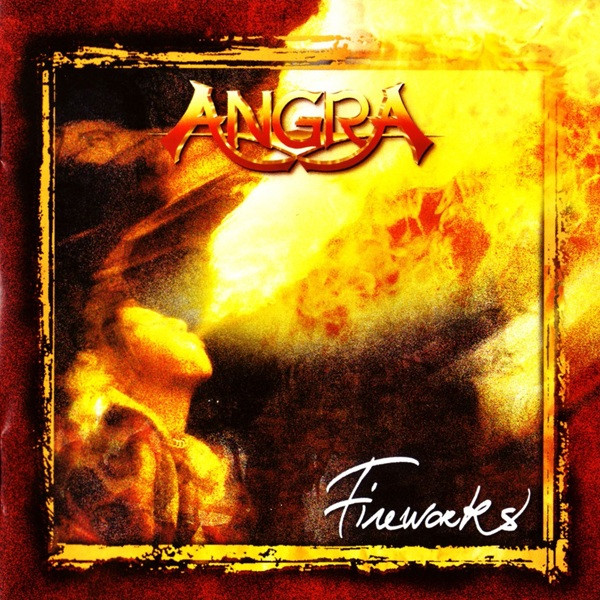
Fireworks
1998
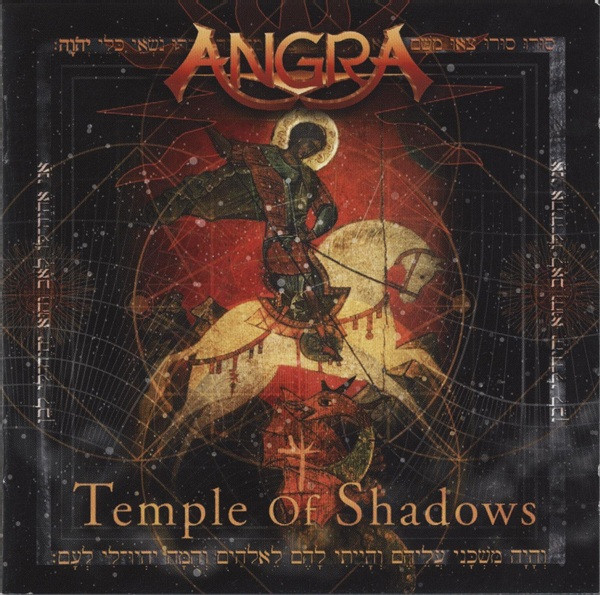
Temple Of Shadows
2004
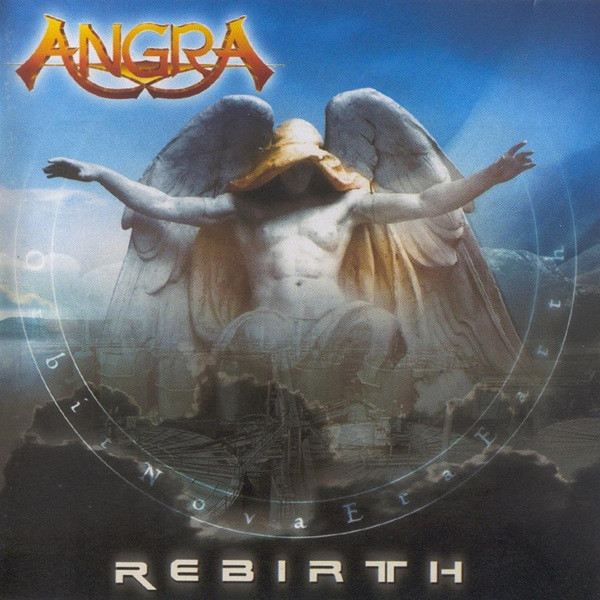
Rebirth
2001

Holy Land
1996

Reaching Horizons
1992

Angels Cry (20th Anniversary Tour)
2013
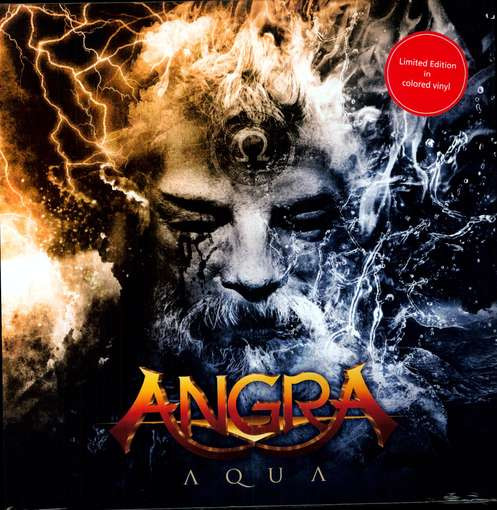
Aqua
2010

Aurora Consurgens
2006

Freedom Call
1996

Angels Cry
1993

ØMNI
2018

Secret Garden
2015
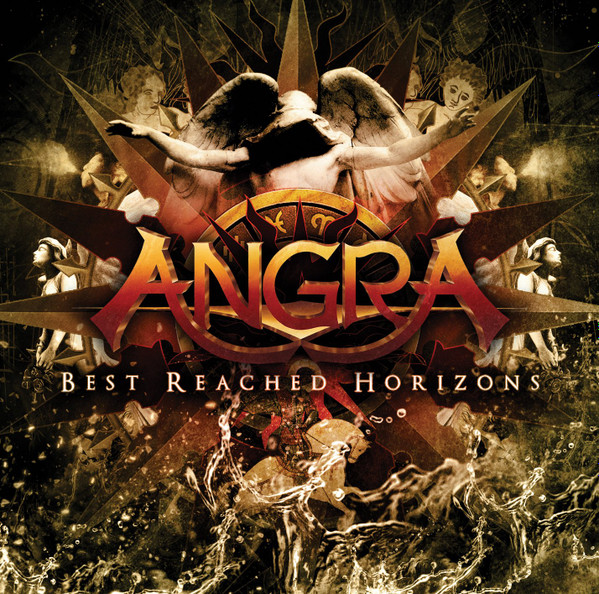
Best Reached Horizons
2012

Hunters And Prey
2002

Rebirth World Tour • Live In São Paulo
2002

Lisbon
1998

Holy Live
1997
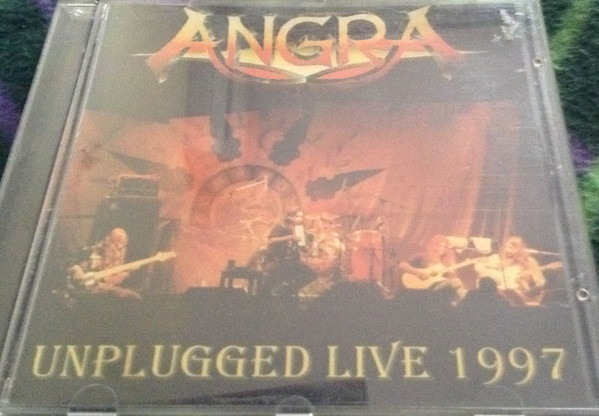
Unplugged Live 1997
1997

Acoustic - Live At Opera De Arame
2024
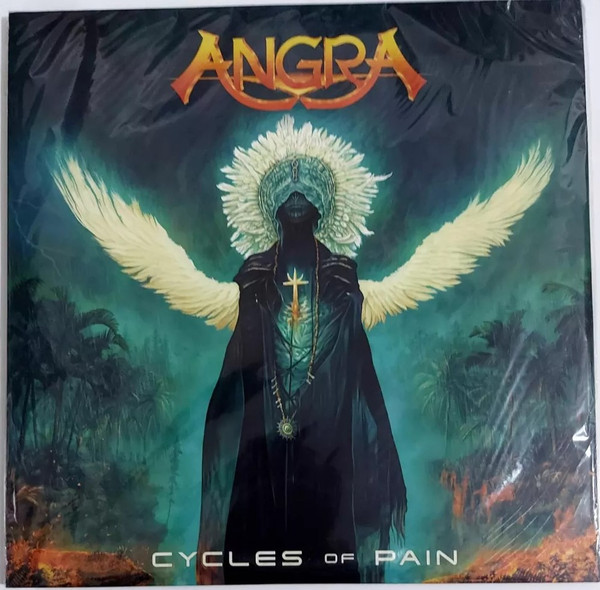
Cycles Of Pain
2023

ØMNI Live
2021

Angels Cry / Holy Land
2001

Live Acoustic At Fnac
1996

Evil Warning
1994
Related artists
Around the web
Follow every record they touch.
Start your shelf and Gatefold tracks Angra's new pressings, tour dates, and the whole discography — automatically.
Start your shelf →Free forever. Works with 10 records or 10,000.