
Artist
Angel Olsen
St. Louis, United States · b. 1987
Angel Olsen is a musician from St. Louis, United States, active since 1987. Their discography on Gatefold includes 11 records.

11
Albums tracked
99
In collections
1987
Since
Biography
She cut her teeth backing Will Oldham on tour, harmonizing in the shadows before anyone knew she could hold a room on her own. The earliest self-released cassettes sounded like they were tracked in a drafty hallway with a cheap microphone running straight into tape hiss. Most singers would hide behind that reverb. Olsen used it to pin you to the wall. She went from a solitary folk singer on an acoustic guitar to running a roaring full-band powerhouse without losing the sting. The shift wasn't a corporate makeover; it was an artist getting bored of the quiet folk pigeonhole and buying an electric guitar. By the time the massive strings and synth walls showed up, she proved the voice wasn't just a gimmick for indie rock kids. It could handle classic country, post-punk grit, and cinematic pop without flinching.
Bio from The Clerk
The Arc of Angel Olsen
The pivots — what forced Angel Olsen to reinvent.
The Cassette Folk Isolation
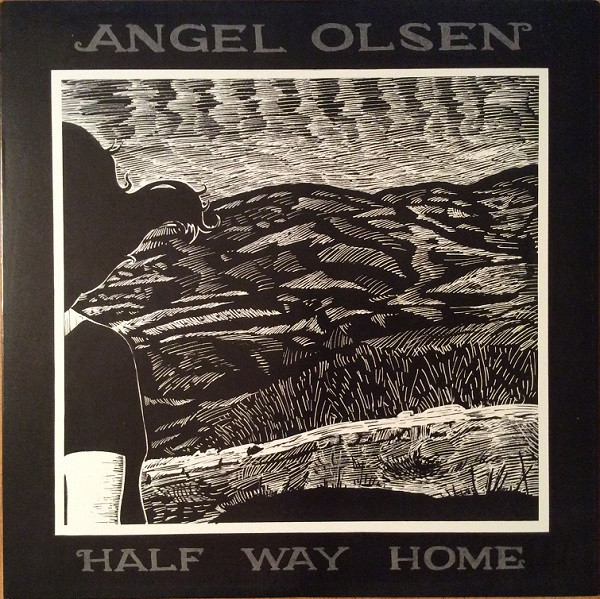
She started out tracking stark, minimalist folk around 2010 on low-budget tape releases like Strange Cacti and Half Way Home. Back then it was just nylon strings, a solitary room, and a voice that could crack a window. The focus was entirely on the raw mechanics of her vibrato and unadorned storytelling. It built an immediate underground reputation among folks who missed the unvarnished bite of early American folk.
Plugging In and Going Loud
Burn Your Fire for No Witness in 2014 broke the folk cage wide open by plugging in a full rhythm section and dialing in fuzz. She followed it with MY WOMAN in 2016, splitting the tracklist between roaring garage-pop hooks and sprawling, seven-minute electric guitar jams. The hair changed, the guitars got louder, and the arrangements gained sharp, punchy teeth. It transformed her from a quiet acoustic secret into a legitimate rock force.
The Widescreen Orchestral Pivot
By 2019, she threw out the basic rock setup to make All Mirrors, drowning the songs in massive orchestral strings and sweeping synthesizers. She tracked the bare-bones skeletal versions in a church first, then blew them up into widescreen, gothic art-pop. It was a massive gamble that risked burying her best asset under expensive arrangements. Instead, her vocal delivery cut straight through the wall of sound.
Country Grief and Warmth
After losing both parents and coming out, she stripped away the gothic artifice for 2022's Big Time. She leaned hard into classic country, pedal steel, and warm vintage tones recorded with a tight room feel. The songs breathed again with the relaxed pacing of classic Nashville and seventies singer-songwriter records. It proved she could deliver absolute heartbreak without hiding behind layers of fuzz or forty-piece string sections.
Influences
- Bonnie "Prince" Billy — She toured extensively as a backing vocalist for Will Oldham in the early 2010s before launching her solo career. That apprenticeship taught her how to let silence and imperfect vocal phrasing carry dramatic weight. You hear that shared Appalachian gothic DNA all over her early acoustic records.
- Roy Orbison — Olsen has frequently cited his operatic vocal style and melancholic melodrama as a direct touchstone. You hear it immediately in her sweeping vibrato and how she builds tension toward massive, tragic vocal climaxes. Nobody else in modern indie rock uses dynamic vocal shifts quite like this.
- Karen Dalton — Dalton's unvarnished, aching folk delivery laid the groundwork for Olsen's early catalog, leading to Olsen contributing to Dalton tribute projects. The loose, bruised vocal timing on Half Way Home directly mirrors Dalton's blues-folk phrasing. She took that weathered delivery and adapted it for modern tape hiss.
- The Velvet Underground — She cut a direct cover of 'Femme Fatale' and drew heavy inspiration from their droning, two-chord rhythm section setups. You can hear that steady, hypnotic chug driving the longer tracks on MY WOMAN. It taught her how to let a guitar groove ride for seven minutes without breaking a sweat.
- Skeeter Davis — Olsen has pointed to classic 1960s country-pop balladeers for the harmonic balance of sweetness and devastating heartbreak. That bright, tragic Nashville sound directly informed the pedal steel and vintage vocal arrangements on Big Time. It gives her heartbreakers their classic country spine.
Discography
Their records — most-collected first.
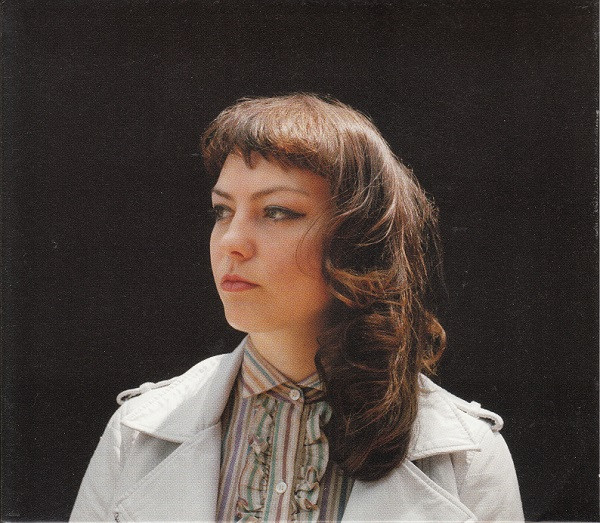

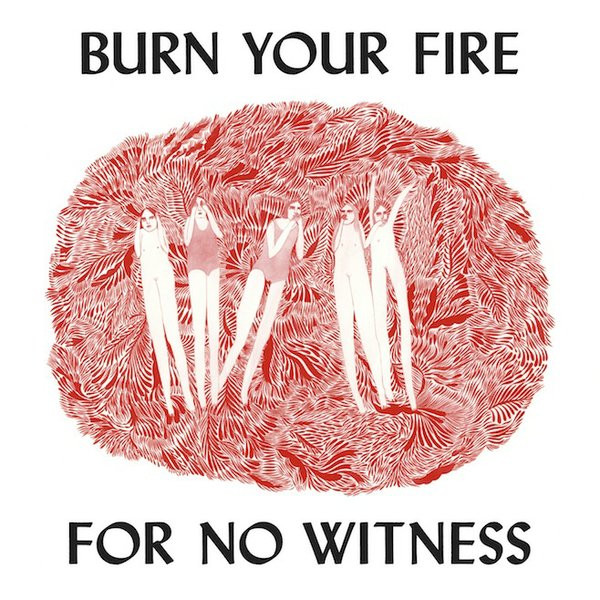


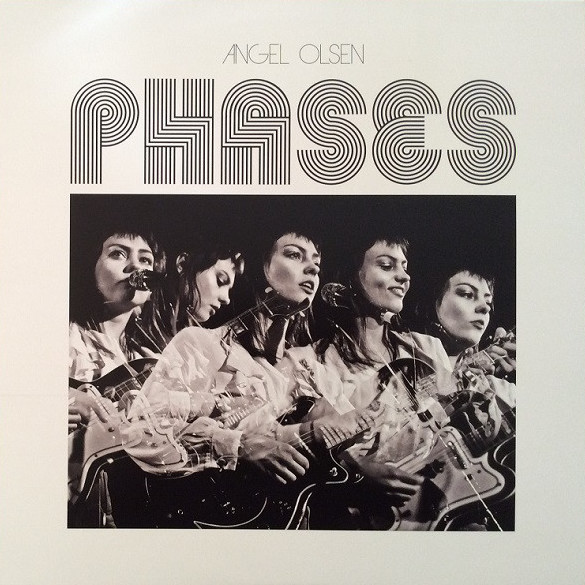
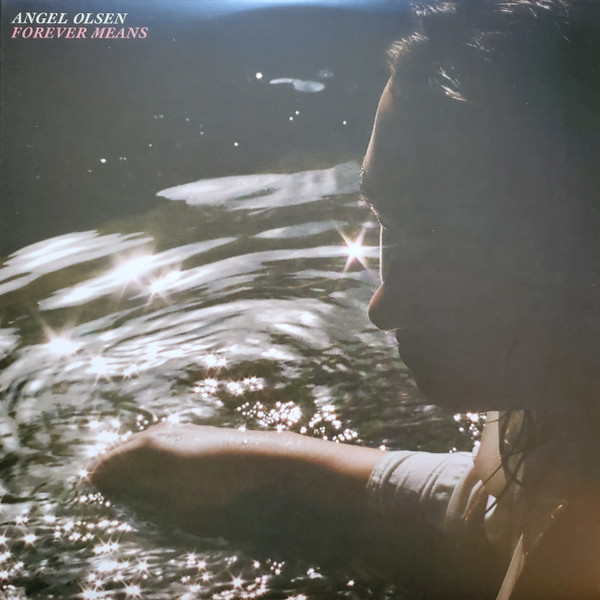



Related artists
Bands & projects
Frequent collaborators
Around the web
Follow every record they touch.
Start your shelf and Gatefold tracks Angel Olsen's new pressings, tour dates, and the whole discography — automatically.
Start your shelf →Free forever. Works with 10 records or 10,000.