
Artist
Dr. Dre
Andre Young, rap producer
Compton, United States · b. 1965
Dr. Dre is a musician from Compton, United States, active since 1965. Their discography on Gatefold includes 21 records. They also recorded with N.W.A and World Class Wreckin’ Cru.

39
Albums tracked
571
In collections
1965
Since
Biography
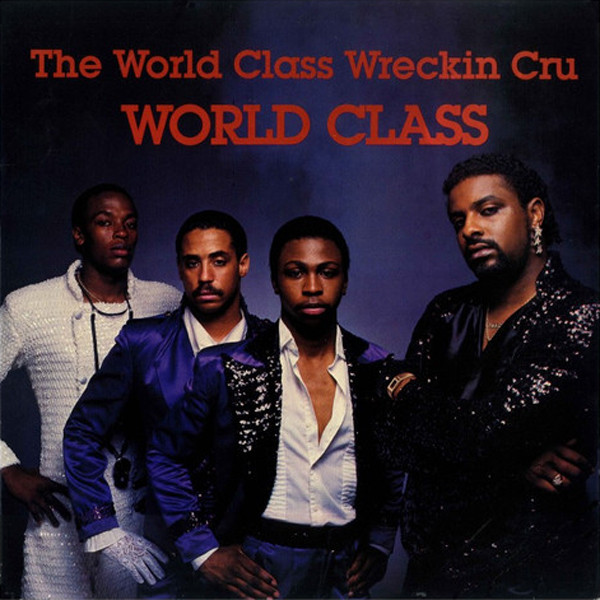
Before the billions and the headphones, Andre Young was running out of a swap meet on a budget. The whole West Coast empire started because he sat in Eve After Dark in Compton, messing with a Roland TR-808 and pitch-shifting Prince records to keep the dancefloor moving. His early days with the World Class Wreckin' Cru in those shiny satin suits get laughed at now, but that is where he learned how to structure a pop hook. When he threw those suits in the trash to co-found N.W.A, he brought that pop instinct with him. He just weaponized it with noise. He has only released three official solo studio albums in over thirty years. That is a terrible work ethic for a rapper, but it is a masterclass for a producer. He does not write most of his own rhymes. He does not even play most of the instruments. What he does is edit, strip back, and obsess. He will spend three days getting a snare drum to snap exactly the way he wants it to. His genius is not in writing verses. It is in being the most ruthless editor in the history of hip-hop.
Bio from The Clerk
The Arc of Dr. Dre
The pivots — what forced Dr. Dre to reinvent.
The Noise of the Street
From 1987 to 1991, the sound was chaotic, dense, and frantic. Working with DJ Yella, he layered dozens of samples from Funkadelic, ESG, and public speeches on an E-mu SP-1200 to create the claustrophobic wall of sound behind N.W.A. It was fast and abrasive. You can hear the panic of the era on Straight Outta Compton, where the samples fight each other for space in the mix. It was punk rock made with a sampler, designed to break car speakers and anger the FBI.
The G-Funk Blueprint
By 1992, he changed everything by abandoning sample-heavy collage for live instrumentation. He left Ruthless Records for Death Row, brought in studio musicians like Colin Wolfe and Mike Elizondo, and recreated old Parliament-Funkadelic grooves from scratch to avoid massive sample clearance fees. The result was The Chronic. This record slowed the tempo down to ninety beats per minute, introduced the whiny Moog synthesizer line, and put Snoop Dogg's laid-back drawl front and center. It changed hip-hop from a New York street fight to a lazy California drive.
The Precision Era
After quitting the drama at Death Row to start Aftermath, he spent years in a creative slump before completely rebuilding his sound for 1999's 2001. He ditched the lazy G-Funk synths for dry, sparse, mathematical percussion and plucked pizzicato strings. Working with co-producer Mel-Man, he recorded everything live to analog tape before dumping it into Pro Tools for agonizing edits. The snare on Still D.R.E. is so clean it hurts. This was the blueprint that launched Eminem and 50 Cent into global pop dominance.
Influences
- Parliament-Funkadelic — George Clinton's basslines are the literal foundation of the G-Funk sound. He sampled Funkadelic's (Not Just) Knee Deep on N.W.A's Fuck tha Police, and later had musicians interpolate Parliament's Mothership Connection on Let Me Ride. You can hear Clinton's loose, heavy groove buried inside almost every track he produced in the early nineties.
- Kraftwerk — The German electronic pioneers shaped his early electro-rap days in the mid-eighties. He sampled their track Trans-Europe Express on the World Class Wreckin' Cru's Planet Force. That robotic, heavy electronic drum pattern stuck with him when he transitioned to rap beats, giving his early N.W.A tracks a stiff, driving pulse.
- Isaac Hayes — The cinematic soul of Hayes gave him the blueprint for dark, dramatic orchestration. He sampled Hayes's Ike's Mood I on the Mary J. Blige hit Family Affair and used parts of The Look of Love throughout his career. You hear it in the way he uses dramatic piano stabs and tense string sections to build suspense before a beat drops.
- The Soul Searchers — This 1970s funk group provided the most famous drum break in West Coast hip-hop history. Their track Ashley's Roachclip contains the clean, rolling drum loop that he used to power N.W.A's Alwayz Into Somethin' and several other early productions. He took their organic soul groove and EQ'ed the low end until it rattled trunk lids.
- Leon Haywood — The entire hook and groove of Nuthin' but a 'G' Thang was lifted directly from Haywood's 1975 soul track I Want'a Do Something Freaky to You. He did not just sample the record; he had his studio musicians replay the exact bassline and synth line to make it hit harder in a modern stereo. It is the single most important musical source code for the entire G-Funk era.
Dr. Dre — solo
Their records — most-collected first.
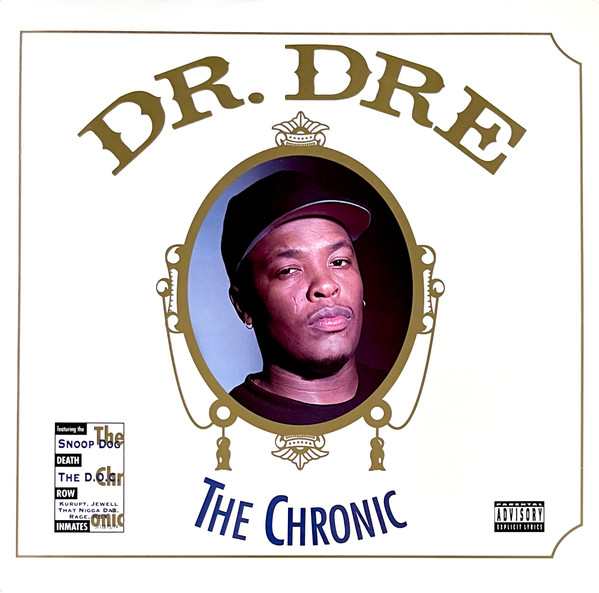
The Chronic
1992
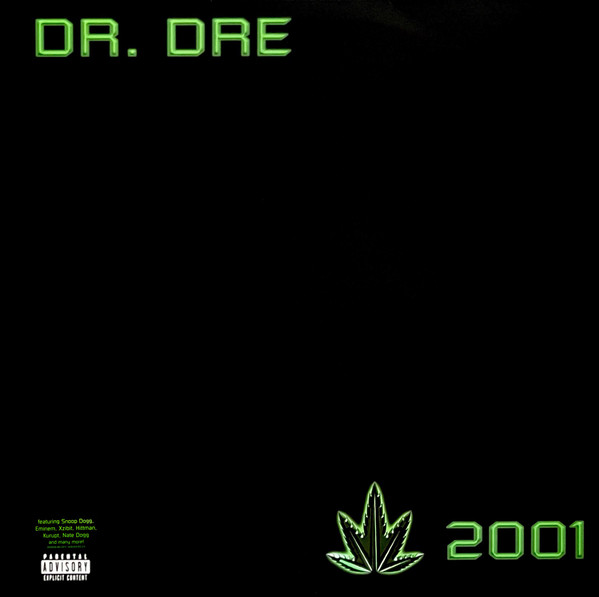
2001
1999
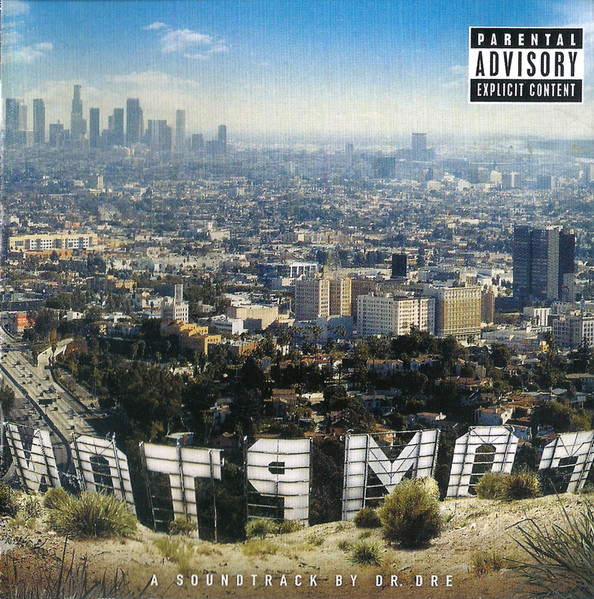
Compton (A Soundtrack By Dr. Dre)
2015
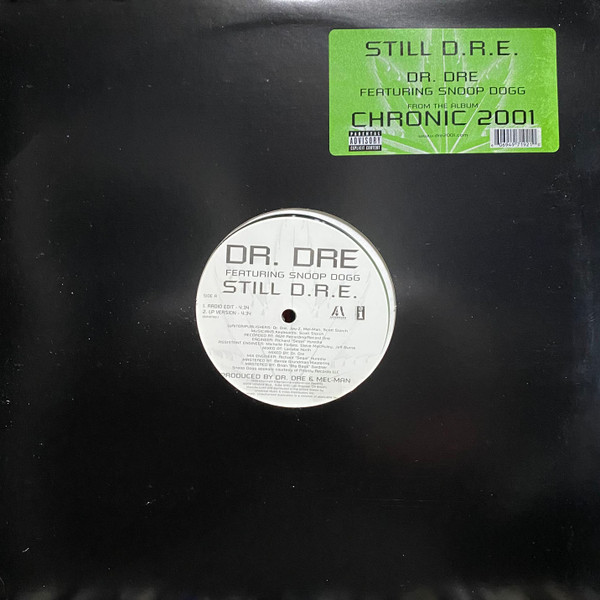
Still D.R.E.
1999
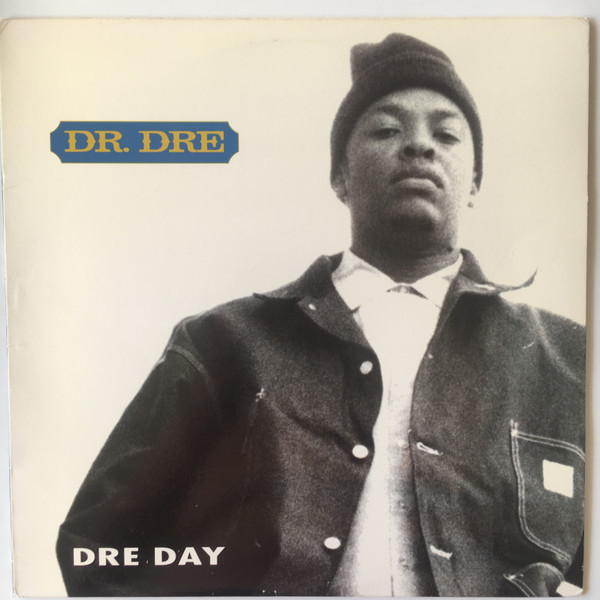
Dre Day
1992
The Next Episode
1999
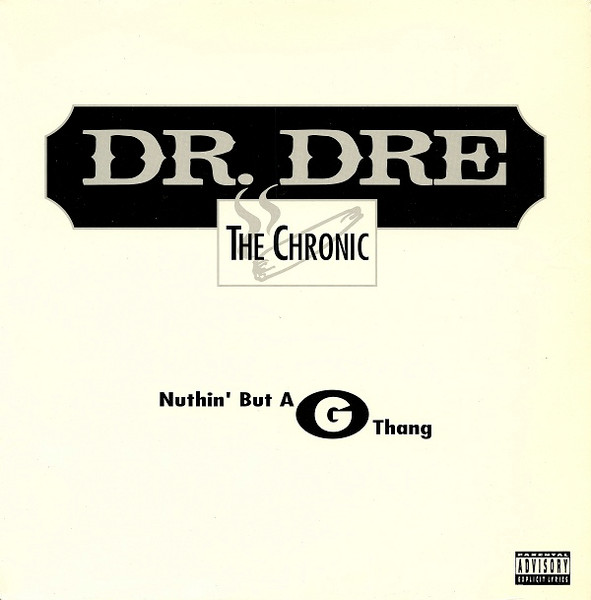
Nuthin' But A G Thang
1993
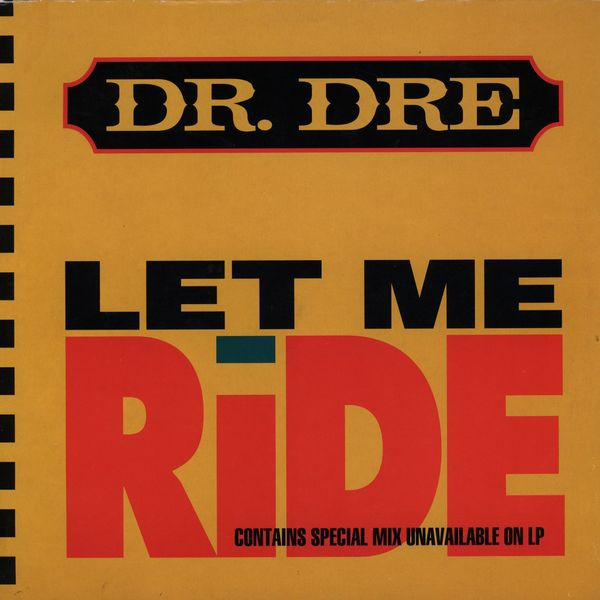
Let Me Ride
1993
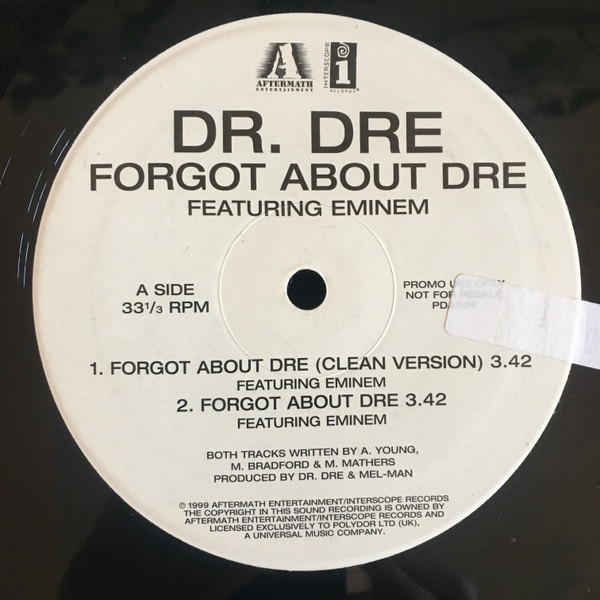
Forgot About Dre
2000

The Aftermath
1996

Natural Born Killaz
1995
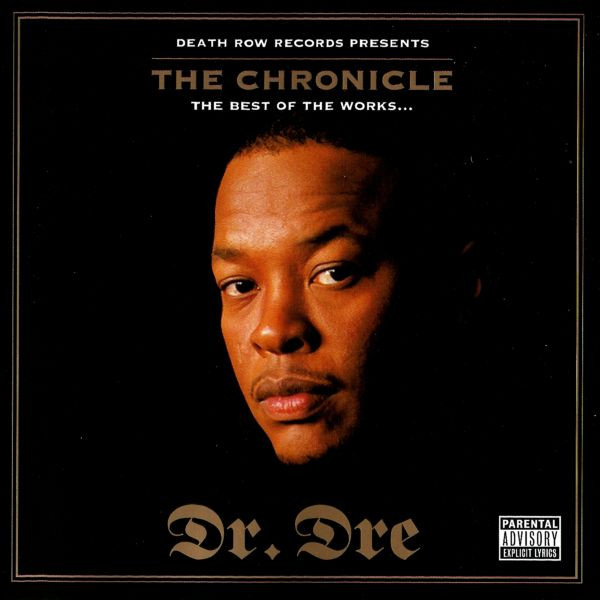
The Chronicle (The Best Of The Works...)
2001
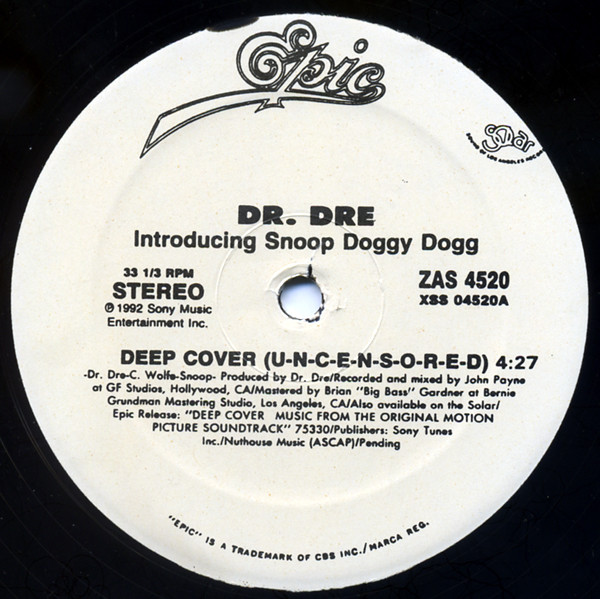
Deep Cover
1992
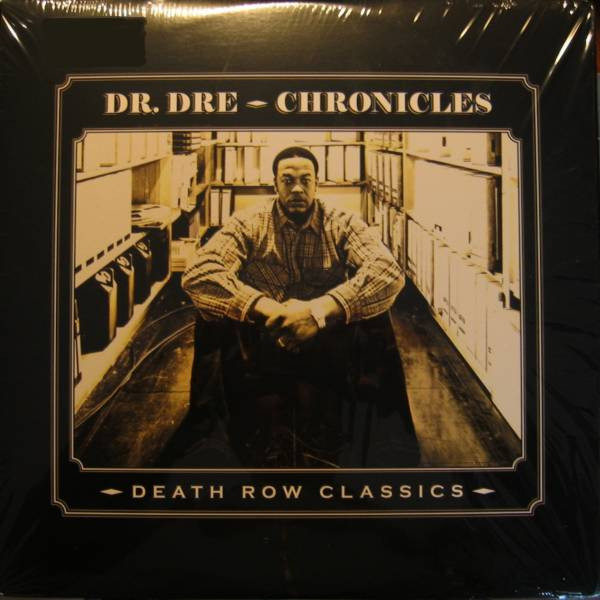
Chronicles: Death Row Classics
2006

Bad Intentions
2002
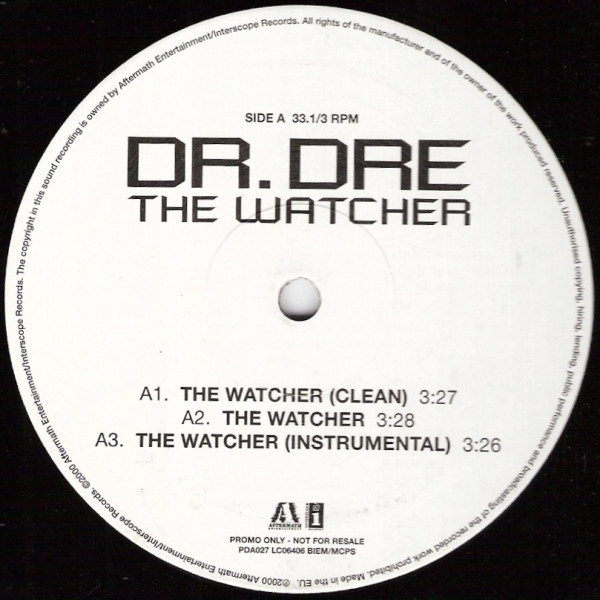
The Watcher
2001

Zoom
1998
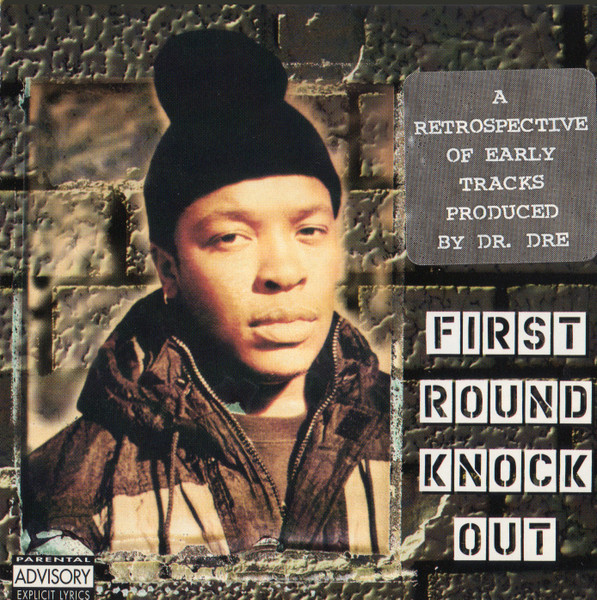
First Round Knock Out
1996

Concrete Roots (Anthology)
1994

In Effect!
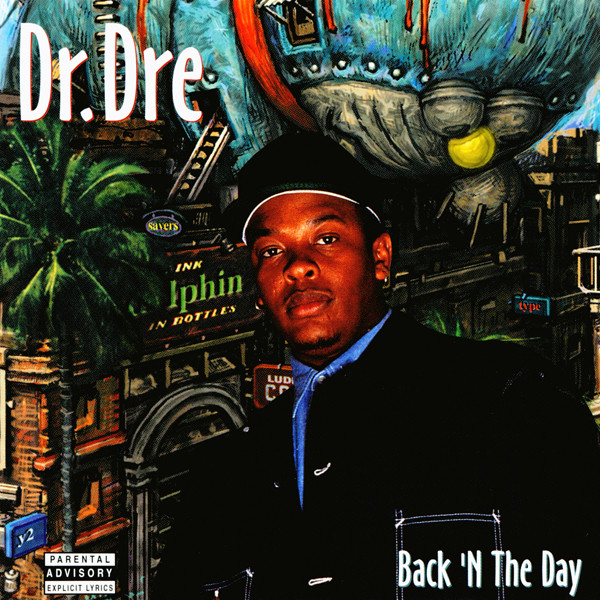
Back 'N The Day
1996
N.W.A
A project Dr. Dre was part of. Former member.
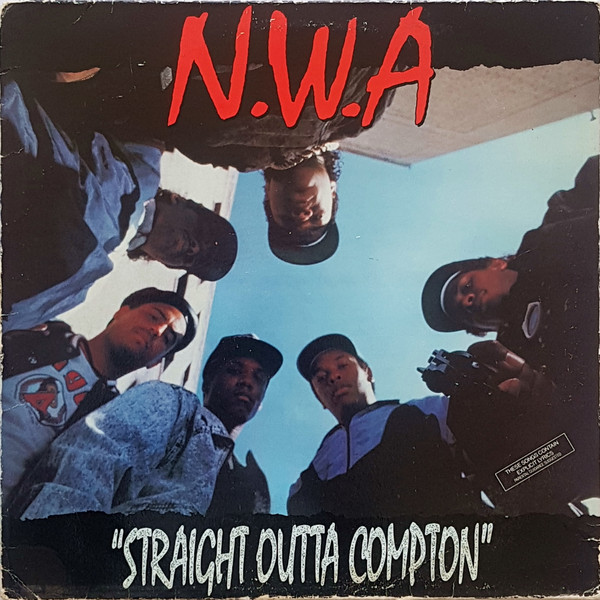
Straight Outta Compton
1989
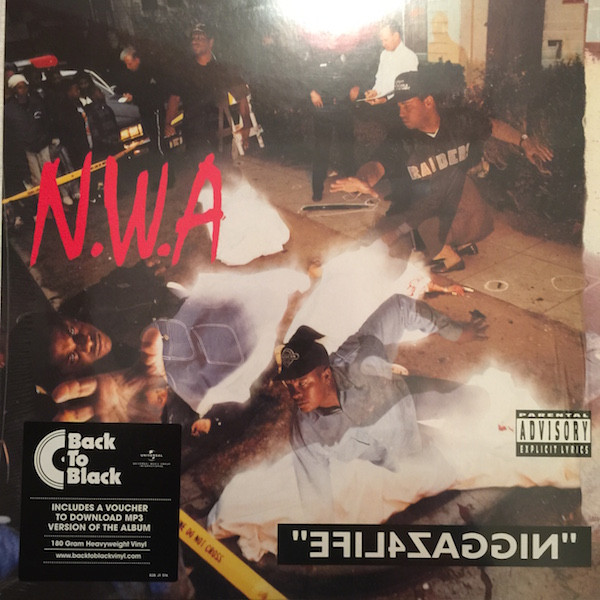
Efil4zaggin
1991
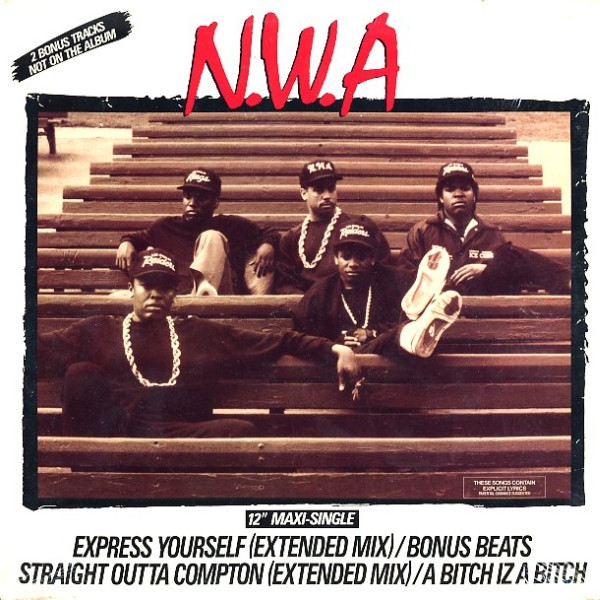
Express Yourself
1989
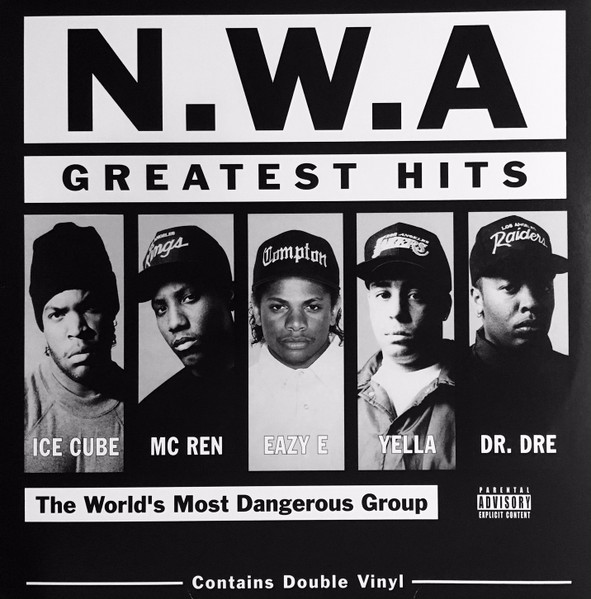
Greatest Hits
1996

100 Miles And Runnin'
1990

Gangsta Gangsta
1988
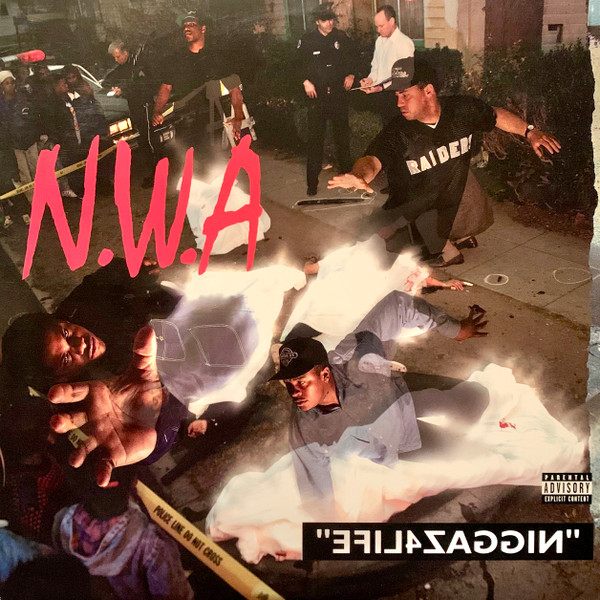
Efil4zaggin / 100 Miles And Runnin'
2002
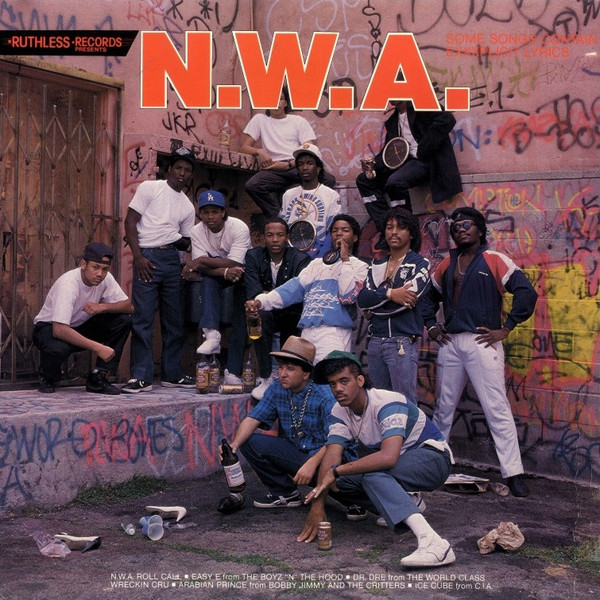
Panic Zone / Dope Man / 8-Ball
1987
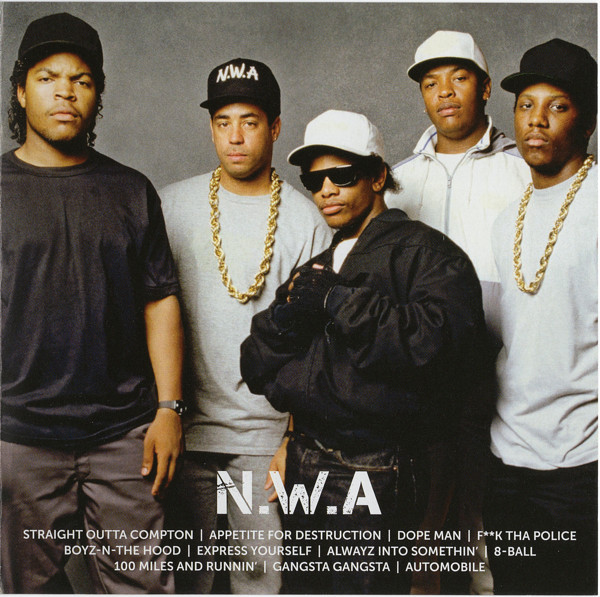
Icon
2014

The Best Of N.W.A "The Strength Of Street Knowledge"
2006

Alwayz Into Somethin'
1991

Efil4zaggin The Only Home Video
1992

N.W.A. And Their Family Tree
2008

Straight Outta Compton / Efil4zaggin
2003

Straight Outta Compton - 10th Anniversary Tribute
1998
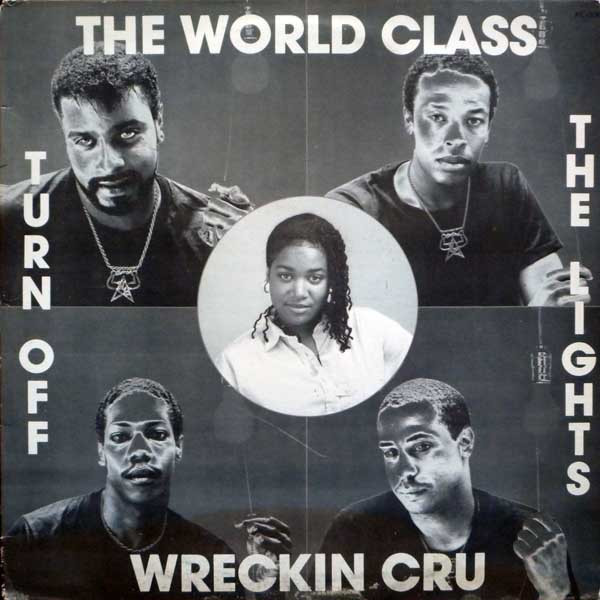
World Class Wreckin’ Cru
A project Dr. Dre was part of.

Related artists
Frequent collaborators
Around the web
Follow every record they touch.
Start your shelf and Gatefold tracks Dr. Dre's new pressings, tour dates, and the whole discography — automatically.
Start your shelf →Free forever. Works with 10 records or 10,000.